
Have you ever wondered how changing your angle can transform a bird’s eye view in photography? You might think it’s just a straight-down shot from above, but there’s more to it than that.
Your choice of angle can completely change the story your photo tells. If you want to capture unique perspectives and make your images stand out, understanding how the bird’s eye view varies with different angles is key. Keep reading to discover how you can elevate your photography by mastering this simple yet powerful technique.
Basics Of Bird’s Eye View
Bird’s eye view is a popular photography technique. It shows a scene from directly above. This view gives a unique perspective, different from eye-level shots. It reveals patterns and shapes that are hard to see otherwise. Understanding the basics helps capture better images using this angle.
What Is Bird’s Eye View
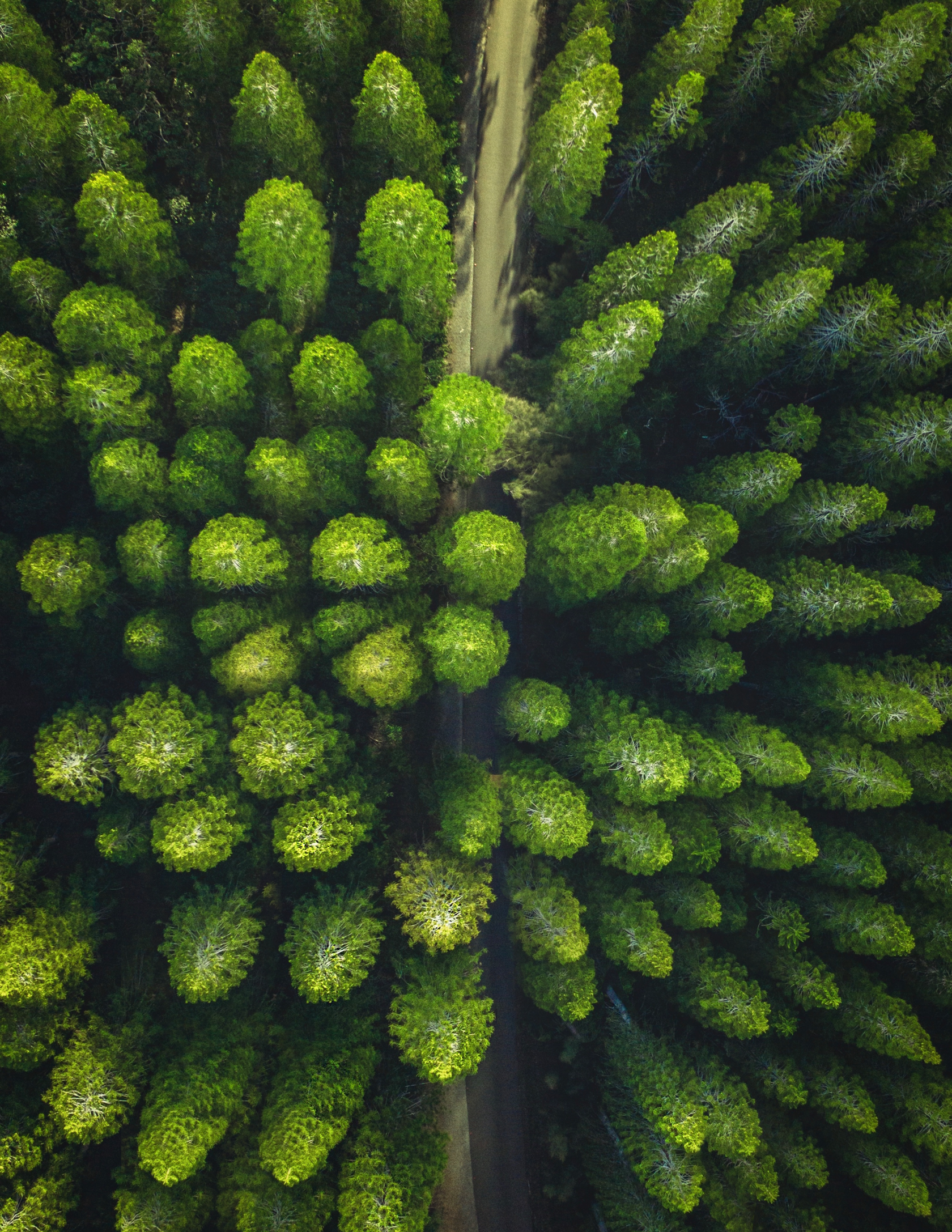
Bird’s eye view means looking straight down at the subject. The camera points directly down, as if from a bird flying above. This angle flattens the scene, showing top surfaces clearly. It reduces depth and makes objects appear two-dimensional. This view helps highlight layout and design.
Common Uses In Photography
- Landscape shots to show fields, roads, or cities
- Food photography to display dishes attractively
- Architectural photos to reveal building layouts
- Sports action shots from above
- Creative compositions focusing on patterns and symmetry
Bird’s eye view adds variety to photo collections. It offers fresh ways to tell visual stories. Many photographers use it to surprise and engage viewers.
Angles In Bird’s Eye View
Angles play a crucial role in bird’s eye view photography. They determine how much of the scene you capture and influence the story your photo tells. Understanding these angles can help you create more dynamic and impactful images.
Vertical Angle
The vertical angle is the classic bird’s eye perspective—looking straight down from above. This angle offers a clear, symmetrical view of your subject, perfect for highlighting patterns, shapes, and layouts.
When I photographed a city grid from a rooftop, this angle revealed the organized chaos below in a way that felt almost abstract. It’s excellent for maps, architecture, and anything where precision matters.
Oblique Angle
The oblique angle tilts the camera, not straight down but at a slant. This adds depth and dimension, making objects appear more three-dimensional and giving context to the height and surroundings.
Using an oblique angle during a drone shoot of a mountain trail, I was able to show both the path and the steep terrain. It’s a powerful way to make your photos feel immersive and real.
Differences Between Angles
| Aspect | Vertical Angle | Oblique Angle |
|---|---|---|
| Camera Position | Directly overhead | Tilted, angled view |
| Perspective | Flat, abstract, map-like | Three-dimensional, contextual |
| Best Use | Patterns, layouts, symmetry | Depth, scale, environmental context |
Have you tried switching between these angles? Notice how your subject’s story changes? Experimenting with both can give you a better sense of which angle fits your creative goal.
Techniques For Capturing Bird’s Eye Shots
Capturing bird’s eye shots requires a mix of creativity and the right tools. The angle you choose can dramatically change the story your photo tells. To get those striking overhead views, you need to think about how to position yourself and your camera effectively.
Using Drones
Drones have made bird’s eye photography more accessible than ever. They let you reach heights that were once impossible without expensive equipment or helicopters. Flying a drone gives you control over the angle and distance, allowing you to experiment with different perspectives on the same subject.
Remember to check local regulations before flying. A quick flight around your neighborhood or a nearby park can reveal new angles you never noticed from the ground. Have you tried adjusting your drone’s altitude to see how it changes the story your photo tells?
Shooting From Tall Structures
Buildings, towers, and bridges offer stable platforms for bird’s eye shots. Climbing to the top of a tall structure gives you a fixed vantage point, which is great for framing your shot precisely. Unlike drones, you don’t need to worry about battery life or weather conditions as much.
Try to find unique rooftops or observation decks in your area. Even parking garages can provide interesting heights. What unusual tall structure near you could offer a fresh viewpoint?
Employing Wide-angle Lenses
Wide-angle lenses help capture more of the scene from a high vantage point. They exaggerate depth and space, which can make your bird’s eye shots more dynamic and immersive. Using a wide-angle lens can turn an ordinary overhead shot into something visually striking.
Experiment with different focal lengths to see how they affect your composition. Sometimes, moving closer while using a wide-angle lens makes details pop in unexpected ways. Have you noticed how wide angles can change the mood of your photos?

Credit: www.visualartistry.co
Creative Effects With Varying Angles
Varying the angle in bird’s eye view photography opens up a world of creative possibilities. Changing your perspective even slightly can transform a simple shot into a compelling image. It challenges you to see ordinary scenes from new vantage points, offering unique storytelling opportunities.
Enhancing Depth And Perspective
Adjusting the angle from directly overhead to a slightly tilted bird’s eye view adds depth to your photos. This subtle shift creates layers, making the subject and background interact more dynamically. Have you noticed how a small tilt can make buildings, streets, or landscapes appear more three-dimensional?
Try shooting from different heights and angles to see how shadows and shapes change. This approach can help your photos stand out by showing more than just a flat layout. Your audience will feel more engaged as their eyes explore the image’s depth.
Playing With Shadows And Light
Light behaves differently depending on your shooting angle. A bird’s eye view combined with varying angles allows you to capture interesting shadow patterns that add drama and texture. Shadows can highlight details you might otherwise miss.
Experiment with early morning or late afternoon light to catch long, stretched shadows. These moments add mood and contrast, making your images more compelling. Have you ever noticed how shadows can tell their own story?
Abstract Compositions
Changing your angle can turn everyday scenes into abstract art. From above, shapes, colors, and lines become the main focus rather than the objects themselves. This invites viewers to interpret the image in personal ways.
Look for patterns like rooftops, roads, or fields that form geometric designs. Shooting at different angles enhances these shapes, making your photos visually striking. What new patterns can you discover by simply shifting your viewpoint?
Challenges In Bird’s Eye Photography
Bird’s eye photography offers a unique perspective, but it comes with its own set of challenges. Capturing scenes from high above isn’t just about pointing your camera downwards. You must carefully manage technical issues, safety concerns, and environmental factors to get the perfect shot.
Managing Distortion
Distortion is a common problem in bird’s eye views. The wide angles needed to capture large areas can cause objects near the edges to stretch or warp.
Using a lens with minimal distortion or correcting it in post-processing can help. You might also try adjusting your shooting angle slightly to reduce unwanted effects. Have you noticed how some drone shots look unnatural? That’s often distortion at work.
Ensuring Safety
Safety is crucial when shooting from heights. Whether you’re on a rooftop, a drone, or a helicopter, you must protect yourself and your equipment.
Always check your surroundings before setting up. Using harnesses or safety lines can prevent accidents. When flying drones, follow local regulations to avoid fines or crashes. Your safety depends on how well you prepare.
Dealing With Weather Conditions
Weather can make or break your bird’s eye shot. Wind can shake your drone or camera rig, causing blurry images.
Rain or fog can obscure your view and damage equipment. Check forecasts and be ready to postpone shoots if conditions are unfavorable. Have you ever lost a perfect shot because of sudden weather changes? Planning ahead is your best defense.
Post-processing Tips
Adjusting the angle in bird’s eye view photos can change the story your image tells. Fine-tuning shadows and contrast helps highlight unique perspectives and shapes. Experiment with cropping to focus on important details and create a dynamic feel.
In photography, a bird’s eye view offers a unique perspective. To enhance these shots, post-processing is essential. It can transform a good photo into an outstanding one. Here are some effective post-processing tips.Correcting Perspective
Perspective can distort when shooting from high angles. Use editing software to adjust it. Align verticals and horizontals for a balanced look. This creates a more natural view. Keep lines straight and maintain harmony. Experiment with software tools for best results.Color Grading For Impact
Colors can change the mood of a photo. Adjust saturation and contrast to suit your vision. Enhance colors to make elements pop. Consider the scene’s mood while grading. Use warm tones for a sunny day. Cooler hues work for serene scenes. Balance colors for a cohesive look.Cropping For Composition
Cropping helps refine the composition. Remove unwanted elements from the frame. Focus on the main subject. This enhances the story your photo tells. Use the rule of thirds to guide your crop. Keep the viewer’s attention on key areas. A well-cropped photo feels more engaging.Inspiring Examples
Bird’s eye view in photography offers a fresh perspective. Capturing scenes from above can transform ordinary subjects into extraordinary images. This angle reveals patterns, shapes, and colors unseen from the ground.
Famous Bird’s Eye Photographs
Some photographers have mastered the bird’s eye view. Yann Arthus-Bertrand’s aerial shots are iconic. His book, “Earth from Above,” showcases stunning landscapes. These images highlight the beauty of our planet. Another notable example is George Steinmetz’s work. Known for his aerial photos, he captures deserts and cities from above. His photos reveal intricate details and vastness.
Creative Projects To Explore
Try experimenting with drone photography. Drones provide an affordable way to capture aerial views. They allow for creative angles and unique shots. Another project idea is shooting from tall buildings. This approach offers a new perspective on urban life. Look for patterns in fields, roads, or cityscapes. These patterns can create compelling compositions.

Credit: digital-photography-school.com
Credit: skylum.com
Frequently Asked Questions
What Defines A Bird’s Eye View In Photography?
A bird’s eye view captures scenes from directly above the subject. It offers a unique perspective often used to showcase landscapes and architecture. This angle reveals patterns and shapes not seen from ground level, adding artistic value and storytelling depth to photos.
Does The Bird’s Eye View Angle Change In Photography?
Yes, the bird’s eye view angle can vary slightly. Photographers adjust height and tilt to highlight different details. This variation affects composition and perspective, creating diverse visual effects while maintaining the overall overhead viewpoint.
Why Is Varying Angles Important In Bird’s Eye Photography?
Varying angles add creativity and depth to photos. Changing the angle alters shadows, textures, and focal points. It helps emphasize specific elements and enhances storytelling, making images more engaging and visually appealing.
How Do Drones Influence Bird’s Eye View Photography?
Drones provide easy access to high vantage points for bird’s eye shots. They enable precise angle adjustments and dynamic perspectives. This technology expands creative possibilities, allowing photographers to capture stunning overhead images from various heights and angles.
Conclusion
Bird’s eye view in photography offers a unique perspective every time. Angles can change how we see a subject from above. This view adds depth and interest to photos. It helps tell a story without words. Experimenting with different heights and tilts makes photos stand out.
This style suits landscapes, cityscapes, and creative shots. Try it yourself to find the angle that fits best. The bird’s eye view keeps photography fresh and exciting. Simple changes in angle bring new life to your images.




