
Choosing the right binoculars for bird watching can make all the difference in your experience. You want clear, close-up views of your feathered friends without any hassle or strain.
But with so many options out there, how do you find the perfect pair that fits your needs and budget? In this guide, you’ll discover simple tips to help you pick binoculars that bring every bird into sharp focus. Keep reading, and soon you’ll be ready to enjoy bird watching like never before.
Credit: gearjunkie.com
Key Features To Consider
Choosing the right binoculars for bird watching means focusing on a few key features that directly impact your viewing experience. These features affect how clear, bright, and comfortable your observations will be. Understanding what to look for helps you make a choice that fits your specific needs in the field.
Magnification And Lens Diameter
Magnification tells you how much closer an object appears. A common choice for bird watchers is 8x or 10x magnification. Higher magnification offers more detail but can make the image shaky without a tripod.
Lens diameter, measured in millimeters, affects how much light enters the binoculars. Larger lenses gather more light, making images brighter, especially in low light. However, bigger lenses usually mean heavier binoculars.
Field Of View
The field of view is how wide an area you can see through the binoculars. A wider field of view helps you spot birds quickly, especially when they move fast or fly in flocks. It’s measured in feet at 1,000 yards or degrees, and more is generally better for bird watching.
Eye Relief
Eye relief is the distance between your eye and the binocular lens while still seeing the full image. This is crucial if you wear glasses. Look for binoculars with at least 15mm of eye relief to avoid cutting off the view.
Weight And Size
You’ll likely carry your binoculars for hours, so weight matters. Lightweight models reduce arm fatigue and make long hikes easier. Compact sizes are great for travel, but they may sacrifice some lens size and brightness.
Prism Types
There are two main prism types: roof prisms and porro prisms. Roof prisms are compact and lightweight, perfect for easy handling. Porro prisms offer better depth perception and usually cost less but tend to be bulkier.
Think about how you plan to use your binoculars and what feels comfortable in your hands during long bird watching sessions.

Credit: www.reddit.com
Types Of Binoculars For Birding
Bird watching is a rewarding hobby that requires the right tools. Binoculars help bring distant birds closer and reveal fine details. Different types of binoculars suit different needs and environments. Choosing the right type ensures better viewing and enjoyment.
Compact Binoculars
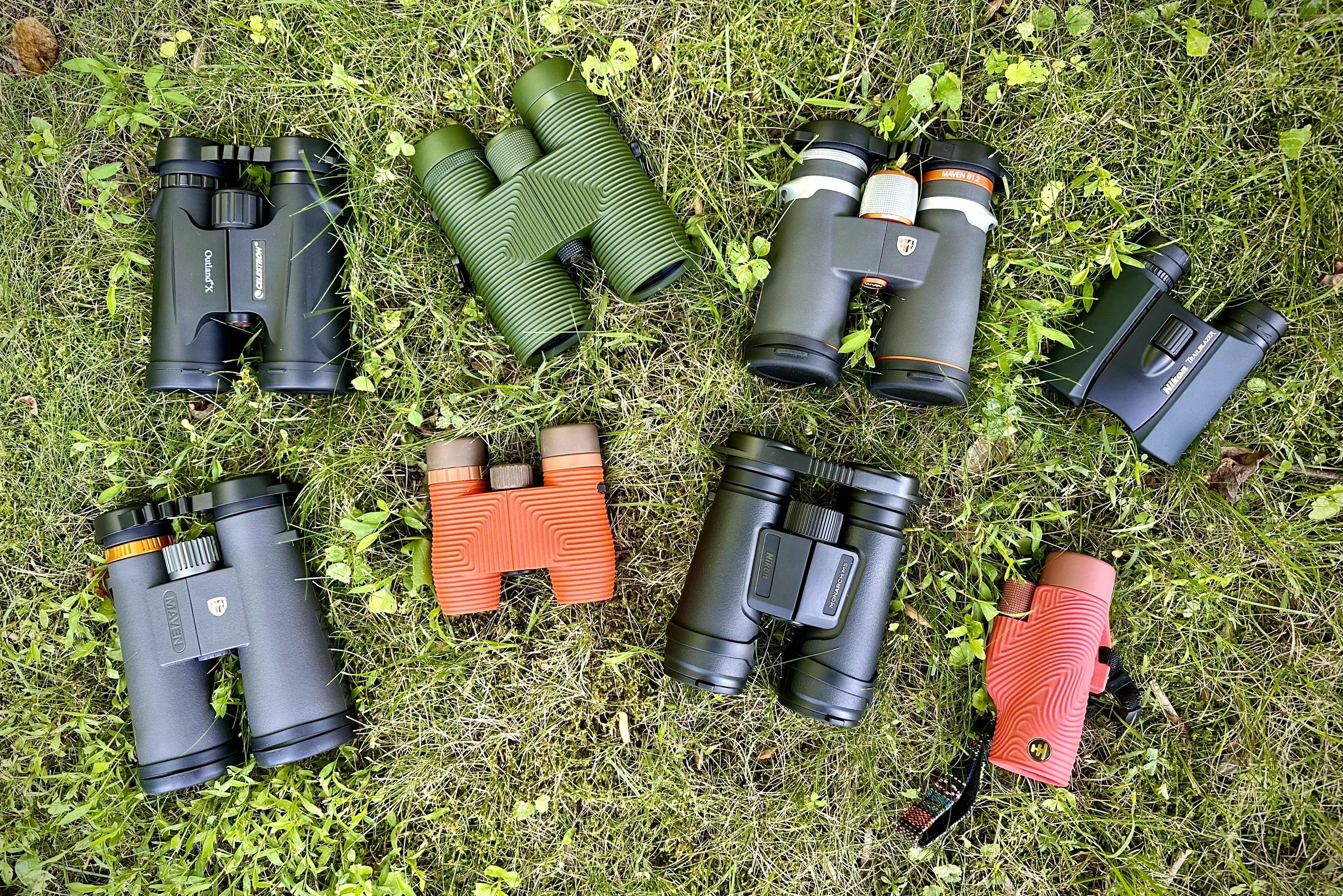
Compact binoculars are small and lightweight. Easy to carry on long walks or hikes. They fit comfortably in pockets or small bags. Though smaller, many models still offer good magnification and clarity. Ideal for casual bird watchers who value portability.
Full-size Binoculars
Full-size binoculars offer larger lenses and higher magnification. They provide brighter and clearer images, especially in low light. These binoculars are heavier and bulkier but improve detail visibility. Best for serious bird watchers who spend hours observing nature.
Waterproof And Fogproof Models
Waterproof binoculars resist rain, splashes, and moisture. Fogproof models prevent lens fogging during temperature changes. Both features protect binoculars in harsh weather and outdoor conditions. Essential for bird watchers exploring wetlands, forests, or damp areas.
Optical Quality Factors
Choosing binoculars for bird watching means paying close attention to optical quality factors. These factors determine how clearly and vividly you see your feathered subjects. Understanding them helps you pick binoculars that bring birds closer without straining your eyes or losing detail.
Lens Coatings
Lens coatings reduce glare and improve light transmission. This means brighter images and less eye fatigue during long bird-watching sessions. Look for binoculars labeled as “fully multi-coated” to ensure multiple layers of anti-reflective coatings on all glass surfaces.
Have you ever noticed a distracting reflection when trying to focus on a bird? Good coatings minimize this, letting you see colors and details more clearly. Skimping on coatings can leave you with dull images, especially in low light conditions like dawn or dusk.
Brightness And Clarity
Brightness affects how well you can spot birds in shaded areas or at dawn. It’s influenced by the size of the objective lens and the quality of the glass. Larger lenses gather more light but also add weight, so balance brightness needs with comfort.
Clarity means sharp, detailed images without blurriness. Binoculars with high-quality prisms and precise lens alignment deliver sharper views. If you’ve ever struggled with blurry edges or fuzzy birds, clarity was likely the issue.
Color Fidelity
True-to-life colors make bird identification easier and more enjoyable. Poor color fidelity can distort feather hues, leading to confusion between similar species. Binoculars with high-grade optical glass maintain natural colors without unwanted tints.
Have you ever mistaken one bird for another because the colors looked off? Investing in optics with good color fidelity saves you from these frustrating mix-ups. It also makes your bird-watching experience feel more connected to nature’s real palette.
Ergonomics And Handling
Ergonomics and handling play a key role in bird watching enjoyment. Binoculars that feel good in your hands help you watch for longer. Comfort and ease of use reduce strain and improve focus.
Choosing binoculars with the right design means less fatigue and better control. This section explains important features for comfortable handling.
Grip And Comfort
A good grip keeps binoculars steady. Look for rubber coatings or textured surfaces. These prevent slipping, even in wet conditions.
Lightweight models reduce arm tiredness. Check the size to fit your hand well. Small binoculars might be easier for kids or those with smaller hands.
Focus Mechanisms
Focus controls should be smooth and easy to turn. Central focusing wheels are common and simple to use. Some models have individual eyepiece focus for sharper views.
Test how much effort it takes to adjust focus. Quick and precise focusing helps catch fast-moving birds.
Adjustability
Adjustable eyecups let you use binoculars with or without glasses. Twist-up or fold-down styles work well. Interpupillary distance adjustment is also vital.
This adjustment aligns the binoculars with your eyes perfectly. It prevents eye strain and gives a clear, full image.
Budget And Brand Considerations
Choosing binoculars for bird watching involves balancing what you want with what you can spend. Your budget sets the limits, but the brand you pick can affect quality and reliability. Understanding both helps you find binoculars that fit your needs and last through many birding adventures.
Price Ranges
Binoculars come in many price ranges, from budget-friendly to high-end models. Cheaper options under $50 might be tempting but often lack clarity and durability. Mid-range binoculars, usually between $100 and $300, offer better image quality and features that truly improve your bird watching experience.
If you’re serious about birding, investing around $300 or more can get you professional-grade optics. But remember, the most expensive isn’t always the best for your specific needs. Ask yourself: How often will you use them? What environments will you be in?
Reputable Brands
Brands matter because they stand behind their products with consistent quality and innovation. Names like Nikon, Vortex, Zeiss, and Swarovski are trusted by bird watchers worldwide. These brands invest in optics technology that enhances brightness and sharpness, which makes spotting tiny feathers easier.
Choosing a well-known brand also means you’re more likely to get binoculars with thoughtful design, such as comfortable grips and easy focusing systems. Have you noticed how a simple twist can make or break your birding experience?
Warranty And Support
A solid warranty protects your investment and shows the brand’s confidence in its product. Look for warranties that cover defects and offer repairs or replacements. Some brands provide lifetime warranties, which can be a huge relief if your binoculars face rough outdoor use.
Customer support is equally important. Quick and helpful service can save you time and frustration when you need it most. Before buying, check reviews or ask fellow bird watchers about their experiences with warranty claims and support responsiveness.
Testing And Choosing The Right Pair
Selecting the perfect binoculars for bird watching involves testing their clarity, weight, and comfort. Consider the magnification and lens size for a clear view. Ensure they fit well in your hands for extended use.
Choosing the right pair of binoculars for bird watching is crucial. It can enhance your birding experience significantly. Testing binoculars before buying helps ensure comfort and clarity. Understanding your birding environment and personal needs is essential.Field Testing Tips
Test binoculars in natural light. Visit a local park or nature reserve. Observe distant objects and nearby details. Check for sharpness and brightness. Ensure easy focus and comfortable grip. Try different models to compare.Matching Binoculars To Birding Environments
Consider your bird watching locations. Forests require wide-field binoculars. Open areas need higher magnification. Coastal birding benefits from waterproof models. Choose the right size and weight for long walks.Personal Preferences
Everyone has unique needs. Consider eye relief if you wear glasses. Choose a suitable strap for comfort. Test for ease of use and adjustability. The right pair feels natural in your hands. Comfort and clarity are key.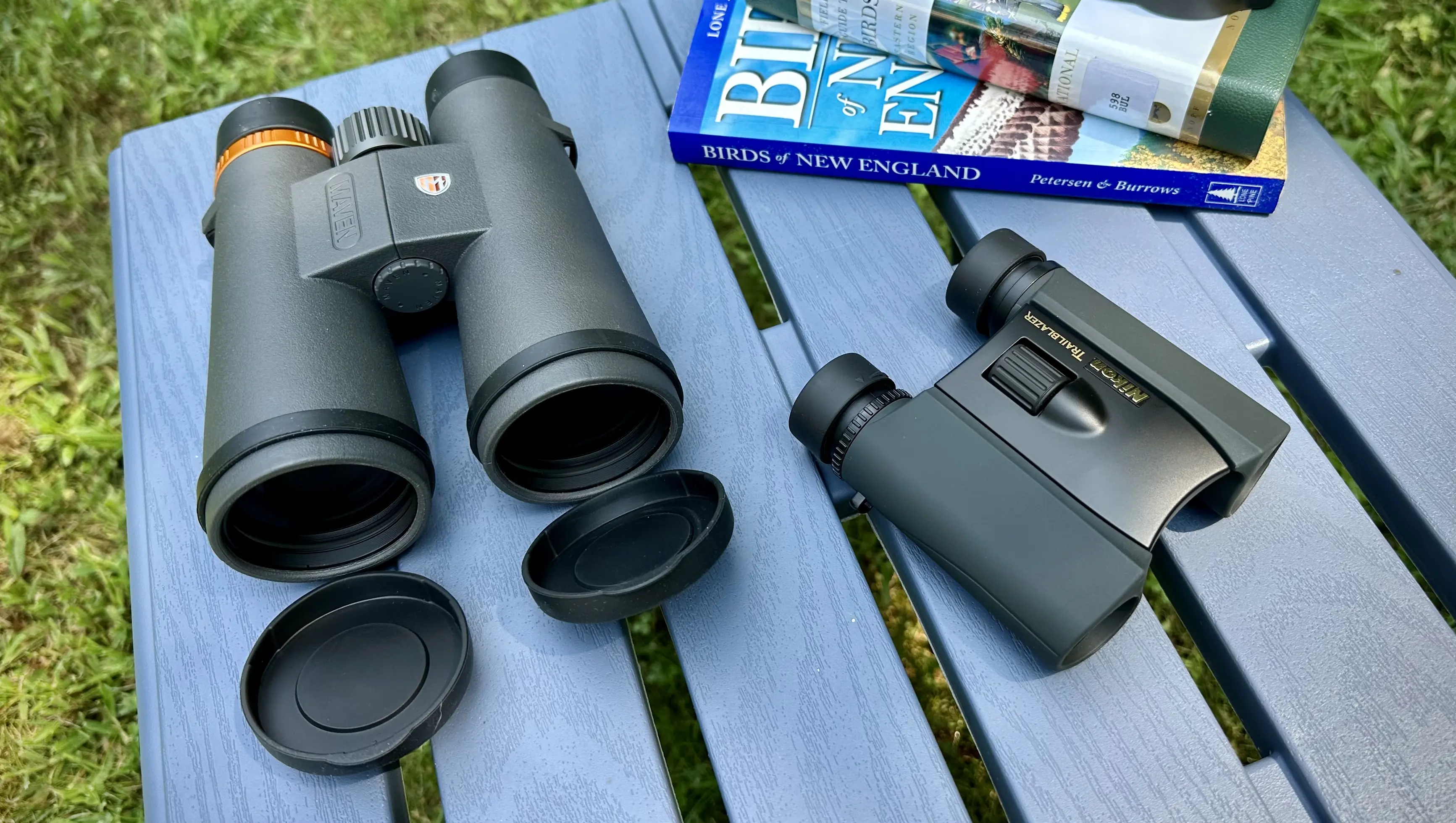
Credit: gearjunkie.com
Frequently Asked Questions
What Magnification Is Best For Bird Watching Binoculars?
A 8x to 10x magnification is ideal for bird watching. It offers clear, stable images without excessive shaking. Higher magnifications may reduce field of view and increase hand tremors, making it harder to track birds.
How Important Is Lens Size In Bird Watching Binoculars?
Lens size affects brightness and clarity. Larger lenses (around 42mm) gather more light, improving visibility in low light. However, bigger lenses make binoculars heavier. Choose a balance between brightness and portability.
Should I Choose Roof Prism Or Porro Prism Binoculars?
Roof prism binoculars are compact and durable, ideal for outdoor use. Porro prism models offer better depth perception and wider views but are bulkier. For bird watching, roof prism binoculars are usually preferred for convenience.
What Role Does Field Of View Play In Bird Watching?
A wide field of view helps locate and track birds easily. It allows you to see more area without moving the binoculars. Look for binoculars with at least 300 feet field of view at 1000 yards.
Conclusion
Choosing the right binoculars makes bird watching more fun and clear. Focus on size, weight, and lens quality for best views. Comfort matters when you carry binoculars for hours. Don’t forget to check the magnification and field of view. Test a few pairs before you buy.
Good binoculars help you see birds up close and enjoy nature fully. Take your time to pick the perfect pair for your needs. Happy bird watching!




