
Are you ready to take your bird watching to the next level? Choosing the right strength binoculars can make all the difference between spotting every detail and missing the beauty of your feathered friends.
But with so many options out there, how do you know which ones suit your needs best? You’ll discover exactly what strength binoculars you need to see birds clearly, enjoy your time outdoors, and never miss a single chirp or flutter.
Keep reading to find the perfect pair that matches your bird watching style.
Choosing Magnification
Choosing the right magnification for bird watching is key to enjoying clear and detailed views. Magnification affects how close you see the bird and how steady the image remains. The best choice depends on your bird watching style and environment.
Benefits Of 8x Magnification
8x magnification offers a wide field of view. It makes spotting birds easier, especially in dense forests or open fields. This power provides steady images with less shake. It’s lighter and more comfortable for long use. Beginners and casual watchers often prefer 8x for these reasons.
When To Use 10x Or Higher
10x or higher magnification helps see fine details on birds. It is useful for watching birds far away, such as across lakes or wide valleys. Experienced bird watchers choose higher power for identification of small features. Keep in mind, higher magnification narrows your view.
Trade-offs Between Magnification And Stability
Higher magnification makes the image shakier. Hand tremors become more visible at 10x or above. You may need a tripod or steady support. Lower magnification offers a steadier view without extra gear. Balance your need for detail with ease of use and comfort.
Lens Diameter And Brightness
Lens diameter and brightness play a key role in choosing binoculars for bird watching. The lens size affects how much light the binoculars can gather. This impacts how clear and bright the image appears. Brightness is essential, especially in low light conditions like early morning or late evening.
Impact Of Lens Size On Light Gathering
The lens diameter is the size of the front glass on the binoculars. A larger lens gathers more light. More light means a brighter and clearer image. This helps see birds in shaded areas or during dawn and dusk. Small lenses collect less light, making the view darker. Brightness improves detail, color, and contrast in images.
Optimal Lens Diameter For Bird Watching
Most bird watchers choose lens diameters between 32mm and 42mm. This range offers a good balance of brightness and weight. A 42mm lens is brighter and works better in low light. A 32mm lens is lighter and easier to carry. Binoculars with lenses smaller than 30mm may feel too dim. Bigger than 50mm can be heavy and bulky for bird watching.
Balancing Size And Portability
Large lenses increase brightness but add weight. Heavy binoculars can be tiring to hold for long. Compact binoculars with smaller lenses fit easily in a bag. They are quick to bring out on the trail. Consider how long you will use the binoculars each time. Find a size that feels comfortable and bright enough for your needs.
Field Of View Importance
The field of view is a key factor in choosing binoculars for bird watching. It determines how much area you see through the lenses. A wide field of view shows a larger area, while a narrow one focuses on a smaller space. This affects how easily you spot and follow birds in nature.
Wide Vs Narrow Field Of View
A wide field of view helps scan large areas quickly. It is useful in open spaces or dense forests. A narrow field of view provides more detail but covers less area. This suits bird watchers who focus on one bird at a time. Choosing between wide or narrow depends on your bird watching style and location.
Finding Birds Quickly
Birds move fast and can be hard to spot. Binoculars with a wide field of view make it easier to find birds fast. You see more of the surroundings and catch movement quicker. This saves time and reduces frustration during bird watching trips.
Effect On Bird Watching Experience
The field of view affects how much you enjoy bird watching. A wide view makes it easier to track flying birds and spot groups. A narrow view lets you see birds in greater detail and study their features. The right balance enhances your connection with nature and makes bird watching more fun.
:max_bytes(150000):strip_icc()/tal-opticron-oregon-4-pc-oasis-8x42-binocular-kathryn-braet-5-92012e7d06b945acbff37493422bab6a.jpeg)
Credit: www.travelandleisure.com
Image Clarity And Quality
Image clarity and quality are key to enjoying bird watching with binoculars. Sharp, bright, and true-to-life images make spotting intricate bird details easier and more rewarding. Your choice of binoculars should reduce eye strain and bring every feather and color to life.
Role Of Lens Coatings
Lens coatings play a huge role in improving image clarity. They reduce glare and increase light transmission, making the image brighter and colors more vivid. Without good coatings, you might see reflections or washed-out colors, especially in bright or low-light conditions.
Look for binoculars with multi-coated or fully multi-coated lenses. These coatings layer multiple anti-reflective treatments on every air-to-glass surface, ensuring clearer views. I once used binoculars without coatings and struggled to see details in dim light—upgrading made a world of difference.
Prism Types And Their Impact
Prisms inside binoculars bend and reflect light to create the image you see. The two main types are roof prisms and Porro prisms, each affecting image quality differently. Porro prisms often offer better depth and a wider field of view, while roof prisms are compact but sometimes cost more to produce clear images.
Roof prism binoculars with high-quality coatings can match Porro prism clarity, but cheaper roof prism models may show lower contrast or reduced sharpness. Ask yourself: do you want compact design or slightly better image depth? Your answer can guide your choice.
Avoiding Distortions And Aberrations
Distortions and aberrations can blur or warp the bird’s image, ruining your viewing experience. Common issues include chromatic aberration (color fringing) and spherical aberration (blurry edges). These are often caused by lower-quality glass or poor lens design.
Look for binoculars with ED (extra-low dispersion) glass to minimize color fringing and sharpen details. Testing binoculars before buying can help you spot distortions; move your eyes around the view and check if the image stays sharp and true. Don’t settle for less—your eyes deserve crisp, clear views.
Durability And Weather Resistance
Durable binoculars resist drops and rough use, ensuring long-lasting performance outdoors. Weather resistance keeps lenses clear in rain or fog, perfect for bird watching in all conditions.
Bird watching is more than just a pastime; it’s an adventure that takes you into the heart of nature. When you’re out there, you want to ensure your equipment can withstand the elements. Durability and weather resistance are key factors in choosing binoculars that will last and perform well, no matter where your bird watching takes you. Let’s dive into what makes a pair of binoculars resilient and reliable.Waterproof And Fogproof Features
Imagine you’re in the middle of a dense, misty forest, tracking the call of a distant bird. The last thing you need is your binoculars fogging up. Look for binoculars with waterproof and fogproof features. These are often sealed with O-rings and filled with nitrogen or argon gas to prevent moisture from entering the lenses. This ensures clear vision, even in humid or rainy conditions.Rugged Build For Outdoor Use
Bird watching often leads you through rugged terrains and unpredictable weather. Therefore, a durable build is essential. Binoculars with a rubber-armored exterior can withstand bumps and drops, providing a non-slip grip for those sudden movements. A personal experience: I once dropped my binoculars while hiking a rocky trail. Thanks to their rugged build, they survived without a scratch. This kind of reliability is crucial when you’re out in the wild.Choosing Based On Bird Watching Environment
Where do you plan to use your binoculars most? If you’re bird watching in a rainforest, you’ll need different features than if you’re exploring an arid desert. Consider environments with frequent rain or fog, where waterproof and fogproof models are indispensable. For dry, dusty areas, dustproof binoculars ensure longevity and clear viewing. Your environment can dictate the specific durability features you need, so think about where your bird watching adventures will take you next. Are your binoculars ready for the challenge?Weight And Comfort
Choosing the right binoculars for bird watching involves more than just magnification and lens quality. The weight and comfort of your binoculars play a significant role in your birding experience. Imagine spending hours in the field with heavy binoculars hanging around your neck—it’s not just uncomfortable, it can also distract you from the beauty of bird watching. Let’s dive into why weight and comfort should be at the top of your checklist.
Impact Of Weight On Long Sessions
Weight might seem like a minor factor, but it can greatly affect your endurance during long bird watching sessions. Heavier binoculars can lead to neck strain and fatigue, making you want to cut your outing short. Consider lightweight options, especially if you plan to spend entire days in the field. A pair weighing around 1.5 pounds or less is often ideal for extended use.
Ergonomic Design Considerations
An ergonomic design can significantly enhance comfort, allowing you to focus on spotting birds without distractions. Look for binoculars with a non-slip grip and thumb indents, which can make handling them more comfortable. Features like adjustable eyecups can also make a big difference, ensuring a snug fit without pressing against your face too tightly.
Straps And Harness Options
Comfort doesn’t end with the binoculars themselves; how you carry them is equally important. Traditional neck straps can be painful over time, so consider alternatives like harnesses. Harnesses distribute the weight evenly across your shoulders and back, reducing strain and allowing for hands-free movement. Have you ever tried a harness and felt the freedom it offers compared to a neck strap?
Ultimately, the right balance of weight and comfort will enhance your bird watching experience. With the right gear, you can enjoy nature to its fullest, without the distraction of discomfort. What features do you look for to ensure comfort on your birding adventures?
Budget And Brand Options
Choosing the right binoculars for bird watching depends on your budget and brand preferences. Different price points offer various features and quality levels. Knowing what to expect from affordable and premium models helps make a smart choice.
Brand reputation also plays a key role. Trusted brands often deliver better durability and clarity. Balancing cost and brand value ensures you get binoculars that suit your needs without overspending.
Affordable Vs Premium Models
Affordable binoculars suit beginners and casual bird watchers. They usually have simpler optics and fewer features. These models work well for short trips and daytime use.
Premium models offer sharper images and better light gathering. They often have waterproof bodies and stronger build quality. Ideal for serious bird watchers and challenging environments.
- Affordable: lighter, less durable, basic features
- Premium: clear view, rugged, extra coatings
Trusted Brands For Bird Watching
Some brands are known for bird watching binoculars. They focus on lens quality and ergonomic design. Buying from these brands reduces the risk of poor performance.
- Nikon: sharp optics, good price range
- Vortex: durable, excellent warranty
- Zeiss: premium quality, bright images
- Celestron: budget-friendly, decent clarity
Getting The Best Value For Your Money
Look for binoculars with good optics and solid build. Choose models with multi-coated lenses for clearer views. Check reviews and compare specs before buying.
Consider weight and size for comfort during long bird watching sessions. A good warranty adds extra peace of mind. Balance features and price to find the best fit.

Credit: www.camerawarehouse.co.za
Additional Features
Additional features in binoculars enhance the bird watching experience. They offer more than just magnification. These extras help in navigation, comfort, and precise viewing. Choosing binoculars with the right features can make spotting birds easier and more fun.
Built-in Rangefinders And Compasses
Rangefinders measure the distance to a bird. This helps in judging how far the bird is. Compasses show direction, useful for outdoor navigation. Both features assist in tracking birds over large areas. They are handy for bird watchers exploring unfamiliar places.
Interpupillary Distance Adjustment
This feature allows you to change the space between the eyepieces. It ensures both eyes see a clear, single image. Every person’s eye distance is different. Adjustable interpupillary distance makes the binoculars comfortable to use for longer periods.
Eye Relief For Glasses Wearers
Eye relief is the distance from the eyepiece to your eye for a full view. Longer eye relief suits those who wear glasses. It prevents cutting off the view or causing eye strain. Choosing binoculars with sufficient eye relief ensures clear sight without removing glasses.
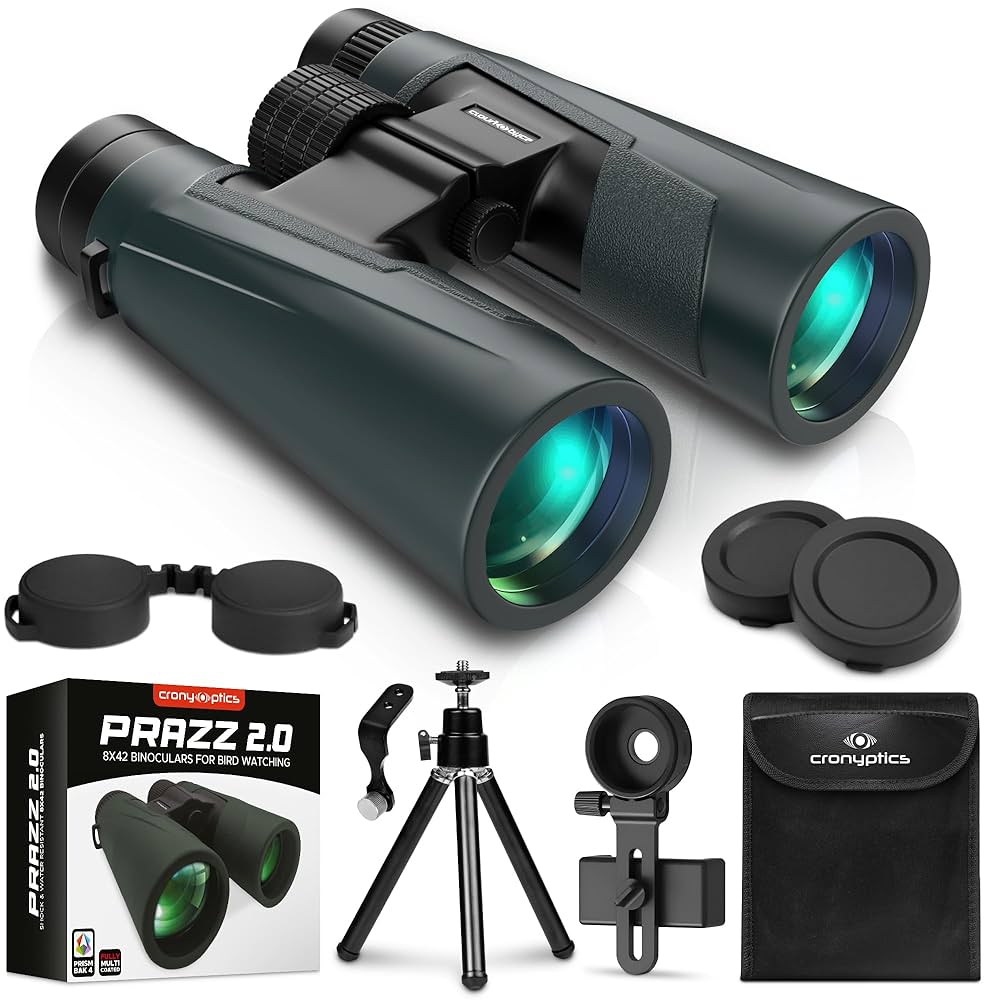
Credit: www.amazon.com
Frequently Asked Questions
What Magnification Is Best For Bird Watching Binoculars?
A magnification of 8x to 10x is ideal for bird watching. It provides clear, stable images without too much shake. Higher magnification can make it harder to track fast-moving birds.
How Important Is The Objective Lens Size In Birding Binoculars?
Objective lens size affects brightness and field of view. A 32mm to 42mm lens is perfect for bird watching in various light conditions. Larger lenses gather more light but add weight.
Should I Choose Compact Or Full-size Binoculars For Birding?
Compact binoculars are lightweight and easy to carry but have smaller lenses. Full-size binoculars offer better light and image quality but can be heavier. Choose based on your comfort and birding environment.
Do Waterproof Binoculars Matter For Bird Watching?
Yes, waterproof binoculars are essential if you bird watch outdoors often. They protect against rain, fog, and moisture, ensuring durability and clear vision in all weather conditions.
Conclusion
Choosing the right binocular strength makes bird watching more fun. A good pair shows clear, bright images of birds near or far. Keep your needs in mind—like how far you want to see. Also, think about comfort and ease of use.
The right binoculars help you enjoy nature better every time. Take your time to pick one that fits your style and budget. Bird watching becomes easier and more exciting with the proper tools. Happy birding!




