
Have you ever wanted to watch birds up close without disturbing them? Imagine seeing their tiny feathers, hearing their chirps, and capturing every moment right from your own home.
Making a bird box with a camera lets you do just that. It’s easier than you think, and you don’t need to be a tech expert. In this guide, you’ll discover simple steps to build your own bird box with a camera, so you can enjoy nature’s wonders anytime you want.
Ready to bring the magic of birdwatching right to your screen? Let’s get started!

Credit: mybirdkiss.com
Choosing The Right Bird Box
Choosing the right bird box is key to attracting birds and capturing great footage. The bird box must suit the birds you want to watch. It should provide safety and comfort for nesting birds. The design must also allow easy camera installation without disturbing the birds.
Selecting Suitable Materials
Choose materials that protect birds from weather and predators. Wood is the best choice because it is natural and breathable. Avoid treated or painted wood inside the box. These can harm birds. Use untreated pine or cedar for durability and safety. Make sure the materials are strong enough to hold the camera.
Size And Design Considerations
Match the box size to the bird species you want to attract. Small birds need smaller boxes with entrance holes about 1 to 1.5 inches wide. Larger birds require bigger boxes. The box should have good ventilation and drainage holes. The roof must be slanted to keep rain out. Design the box so the camera lens can see inside without blocking the entrance.
Location And Placement Tips
Place the bird box in a quiet spot away from predators. Mount it 5 to 10 feet high on a tree or pole. Face the entrance away from strong winds and direct sunlight. Avoid placing it near busy areas or loud noises. Check that the camera has a clear view and enough light. Ensure easy access for maintenance without disturbing the birds.
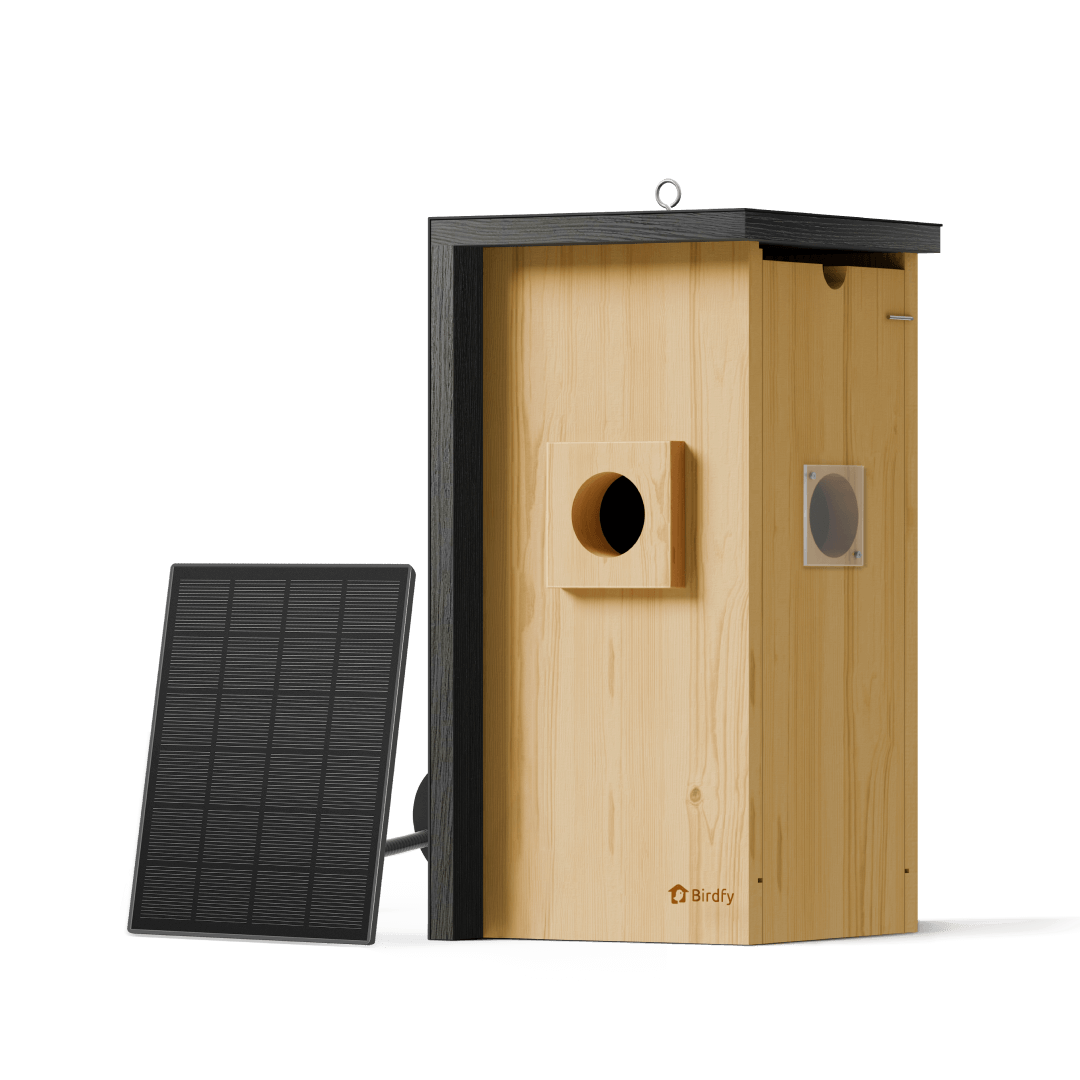
Credit: www.birdfy.com
Picking The Best Camera
Choosing the right camera for your bird box can make a huge difference in how you experience watching wildlife up close. The right camera not only captures clear images but also withstands outdoor conditions and respects the birds’ privacy. Let’s look at what types of cameras work best, what features really matter, and how you can find a great option without overspending.
Types Of Cameras For Bird Boxes
You have several choices when it comes to cameras for bird boxes. The most common ones include:
- Wired Cameras:These offer reliable connections and often better image quality but require careful cable management.
- Wireless Cameras:Easier to install and move, but may face interference or signal loss depending on your environment.
- IP Cameras:These connect to your home network, letting you watch live footage from anywhere via your phone or computer.
- Action Cameras:Compact and durable, they can be adapted for bird boxes but may need custom mounts.
Think about your setup area—do you have power nearby? Is Wi-Fi strong around the box? These factors can guide your choice.
Essential Camera Features
Not all cameras are built the same. Focus on features that enhance your bird-watching experience:
- High Resolution:Aim for at least 720p so you can see fine details like feather patterns.
- Night Vision:Birds don’t just visit in daylight. Infrared or low-light capabilities let you watch nighttime activity without disturbing them.
- Motion Detection:This saves storage and battery by recording only when there’s movement.
- Weatherproofing:Your camera needs to handle rain, humidity, and temperature changes.
Ask yourself: Would you prefer continuous recording or only capturing moments when birds arrive? This affects your feature priorities.
Budget-friendly Options
You don’t need to spend a fortune to get a decent bird box camera. Many affordable models cover the basics well.
| Camera Model | Key Features | Approximate Price |
|---|---|---|
| Wyze Cam v3 | 1080p, night vision, motion detection, weather-resistant | $35-$40 |
| TP-Link Tapo C200 | 1080p, pan & tilt, motion tracking | $25-$30 |
| Victure PC520 | 1080p, night vision, IP camera | $30-$35 |
Think about the total cost including mounts, cables, or power solutions. Sometimes spending a bit more upfront saves headaches later.
What’s your main goal? Capturing stunning images, watching behaviors live, or simply knowing when birds visit? Your answers will help you pick the perfect camera.
Tools And Supplies Needed
Building a bird box with a camera needs specific tools and supplies. Preparing these items before starting saves time. It ensures the project goes smoothly and safely.
Some tools are essential for cutting and assembling wood. Others help with installing the camera inside the box. Safety gear protects you during the work.
Basic Woodworking Tools
- Hand saw or electric saw for cutting wood pieces
- Hammer and nails or screwdriver and screws for assembly
- Measuring tape or ruler for precise measurements
- Pencil for marking cut lines
- Sanding block or sandpaper to smooth surfaces
- Clamps to hold pieces while assembling
- Drill with bits for making holes
Camera Installation Accessories
- Small wildlife or Wi-Fi camera suitable for outdoor use
- Mounting brackets or adhesive pads to fix the camera
- Extension cables for power or data if needed
- Waterproof housing or protective casing for the camera
- Battery pack or power adapter for continuous operation
- Memory card for recording footage
Safety Gear
- Protective gloves to avoid splinters and cuts
- Safety glasses to shield eyes from dust and debris
- Dust mask to prevent inhaling sawdust
- Ear protection if using loud power tools
Step-by-step Construction
Building a bird box with a camera is a fun project. It lets you watch birds closely without disturbing them. Follow these steps to create a safe and sturdy home for birds with a built-in camera.
Cutting And Assembling The Box
Start with untreated wood for safety. Cut pieces for the front, back, sides, floor, and roof. Use a saw to get clean, straight edges. Make sure the front piece has a small round entrance hole.
Assemble the pieces with nails or screws. Use wood glue for extra strength. Keep the box size suitable for small birds like blue tits or sparrows. Let the glue dry completely before moving on.
Drilling Camera Mounts
Choose a small camera that fits inside the box. Drill a hole in the front panel above the entrance. This hole should fit the camera lens snugly. Avoid making the hole too big to keep the box secure.
Create a mount inside the box to hold the camera steady. Use brackets or small blocks of wood. Position the camera so it looks directly at the entrance and inside space. Check the camera angle before final fixing.
Sealing And Weatherproofing
Seal all edges with waterproof silicone to prevent rain from entering. Avoid sealing the entrance hole or ventilation gaps. Use outdoor-safe paint or wood stain to protect the box.
Cover the roof with a thin layer of weatherproof material like roofing felt. Ensure the camera cable is sealed where it exits the box. This protects the electronics from moisture damage.
Installing The Camera
Installing the camera inside your bird box is a crucial step that brings your project to life. It allows you to observe birds up close without disturbing their natural behavior. Let’s look at how you can securely mount the camera, manage cables and power, and fine-tune the view for the perfect birdwatching experience.
Mounting Inside The Box
Choose a spot inside the box where the camera lens has a clear, unobstructed view of the entrance. You want to avoid placing it too close to walls or corners that can limit the field of vision.
Secure the camera using small brackets or adhesive pads designed for electronics. Make sure it’s stable and won’t shift if the box moves in the wind.
Consider the camera’s size and heat output. Smaller, low-heat cameras work best to avoid affecting the birds’ comfort inside the box.
Running Cables And Power Supply
Plan your cable routes carefully to keep wires hidden and protected from weather and curious animals. Running cables through a small hole drilled in the back or side of the box is usually best.
- Use waterproof cable connectors to prevent moisture damage.
- Seal the entry points with silicone or weatherproof tape to keep the box dry.
- Think about power options: a nearby power outlet, solar panels, or rechargeable batteries are common choices.
Ask yourself: how long do you want your camera to run without interruption? This will help you decide the best power setup for your needs.
Testing Camera Angles
Once mounted, connect the camera to your device and check the live feed. Adjust the angle to capture the most activity near the entrance.
Look for blind spots or glare from sunlight, and reposition the camera if needed. Sometimes a slight tilt or shift can reveal entirely new perspectives on bird behavior.
Try observing at different times of day to ensure the camera performs well under varying light conditions. Does your setup show clear images in the morning and late afternoon?
Setting Up Video Monitoring
Choose a quiet spot to mount the bird box with the camera facing the entrance. Connect the camera to a power source and ensure a stable Wi-Fi signal. Test the video feed to confirm clear and continuous monitoring of bird activity.
Setting up video monitoring for your bird box can transform your bird-watching experience. With a camera inside, you’ll capture every moment and ensure the birds are safe and comfortable. It’s more than just setting up a camera—it’s about creating a window into nature.Connecting To Wi-fi Or Recording Devices
To start, ensure your bird box camera is compatible with Wi-Fi or a recording device. Most modern cameras offer wireless connectivity, making it easier to access footage without disturbing the nest. Make sure your Wi-Fi signal reaches the bird box location. You might need a Wi-Fi extender if the signal is weak.Choosing Software Or Apps
Pick the right software or app to manage your camera footage. Many cameras come with dedicated apps that offer user-friendly interfaces and features like motion detection and alerts. Consider apps that allow you to easily save and share clips, so you can keep those special moments.Remote Viewing Options
Remote viewing options provide the flexibility to watch birds from anywhere. Ensure your camera setup allows for live streaming to your smartphone, tablet, or computer. Wouldn’t it be exciting to get an alert about a new nestling and tune in while on a lunch break? With these insights, you’re not just installing a camera—you’re opening a portal to a hidden world. Are you ready to witness nature’s wonders in your own backyard?Maintaining Your Bird Box
Regularly cleaning the bird box keeps birds safe and healthy. Installing a camera helps watch birds without disturbing them. Check the camera and box often to ensure everything works well.
Maintaining your bird box is crucial not just for the comfort of your avian visitors, but also for ensuring the longevity and effectiveness of your setup. Regular maintenance can make your bird box a welcoming haven season after season. But how exactly do you keep your bird box in top shape?Cleaning And Repairs
Cleaning your bird box is essential to prevent disease and pests. At the end of each breeding season, remove old nests and scrub the interior with a mild bleach solution. Rinse thoroughly and let it dry completely before reassembling. Inspect your bird box for any signs of wear and tear. Tighten loose screws and replace any broken parts promptly. A well-maintained box is not only safer for birds, but also more durable against the elements.Camera Maintenance
A camera inside your bird box can provide fascinating insights, but it requires attention to function properly. Regularly check the camera lens for dust or spider webs that can obscure your view. A quick wipe with a soft, damp cloth usually does the trick. Ensure that the wiring remains intact and shielded from the weather. Consider using weatherproof cables for added protection. Don’t let a simple maintenance oversight cause you to miss capturing delightful moments.Seasonal Adjustments
Different seasons bring different challenges for maintaining your bird box. In winter, ensure the box is secure against strong winds and heavy snow. A little extra insulation can help protect non-migratory birds from the cold. Spring is the perfect time to ensure your box is ready for new tenants. Confirm that the entrance hole size suits the species you wish to attract. Adjusting these elements can significantly impact the types of birds that visit your box. What steps will you take today to ensure your bird box remains a cozy and functional home for your feathered friends? Keeping up with maintenance not only enhances the experience for the birds but also enriches your own bird-watching adventures.
Credit: green-backyard.com
Encouraging Birds To Nest
Encouraging birds to nest in your bird box with a camera takes care and patience. Birds choose safe, quiet places to build nests. Creating the right environment invites them to stay and raise their young.
Attracting Local Bird Species
Know which birds live near you. Use native plants and trees to match their needs. Place the bird box at the right height and direction. Most birds prefer facing east or southeast. Keep the area calm and free from noise.
Providing Food And Water
Offer fresh water nearby for drinking and bathing. Use bird feeders with seeds and nuts that local birds eat. Change food regularly to avoid mold and pests. A steady food source helps birds trust the area.
Avoiding Common Mistakes
- Do not place the box in direct sunlight all day.
- Avoid spots with strong wind or heavy rain.
- Keep pets and predators away from the box.
- Do not open the box too often; it may scare birds.
- Clean the box after breeding season to prevent disease.
Frequently Asked Questions
How Do I Build A Bird Box With A Camera?
Start with a wooden box sized for birds. Install a small camera inside, facing the entrance. Use a wireless or USB camera for easy monitoring. Ensure the box has ventilation and a removable roof for maintenance.
What Type Of Camera Is Best For Bird Boxes?
Choose a small, weatherproof camera with night vision. Wi-Fi-enabled cameras allow remote viewing on smartphones. USB cameras work if you have a nearby power source. Opt for low power consumption to avoid frequent battery changes.
How Do I Install The Camera Inside The Bird Box?
Mount the camera securely at the entrance or inside the roof. Hide wires to protect birds and prevent damage. Ensure the lens has a clear, unobstructed view. Test the camera angle before sealing the box.
Can I Watch Birds Live From My Phone?
Yes, if your camera supports Wi-Fi streaming. Connect the camera to your home network. Use the camera’s app to watch live footage anytime. This lets you observe birds without disturbing their habitat.
Conclusion
Building a bird box with a camera lets you watch birds up close. It brings nature right to your home. You learn about bird habits and behaviors easily. This project is fun and rewarding for all ages. Just follow the steps carefully and enjoy the view.
Watching birds through your own camera feels special. Give it a try and connect with wildlife today.




