
Have you ever wondered how some photos make you feel like you’re soaring high above the ground? That’s the magic of a Bird’s Eye View in photography.
This unique perspective lets you see the world from directly overhead, revealing patterns and details you might never notice from eye level. If you want to learn how to capture stunning shots that grab attention and tell a fresh story, understanding Bird’s Eye View is a game-changer.
Keep reading, and you’ll discover how this technique can transform your photography and make your images stand out like never before.
Bird’s Eye View Basics
Understanding the basics of bird’s eye view in photography helps capture scenes from a unique angle. This perspective looks directly down on a subject from above. It offers a fresh way to see the world and adds interest to photos. Bird’s eye view changes how shapes, patterns, and spaces appear in images.
Definition And Origin
Bird’s eye view means looking straight down at a scene. The term comes from imagining how a bird sees the ground while flying. This view shows more area than normal eye level shots. Early maps and drawings used this angle to show cities and landscapes clearly. Photographers adopted it to create dramatic and unusual photos.
Common Uses In Photography
- Landscape photos showing patterns of fields, roads, and rivers
- Cityscapes highlighting street layouts and building shapes
- Food photography presenting dishes neatly from above
- Event photography capturing crowds and arrangements
- Architectural shots showing roof designs and ground plans
This view helps tell stories with shape and scale. It makes ordinary scenes look different and exciting. Photographers use drones, tall buildings, or ladders to get this angle.
Techniques To Capture Bird’s Eye View
Capturing a bird’s eye view offers a fresh perspective that can transform ordinary scenes into captivating images. To achieve this, you need to think differently about angles and equipment. The right techniques help you get that high vantage point and compose your shot effectively.
Using Drones And Aerial Devices
Drones have made bird’s eye photography more accessible than ever. With a drone, you can effortlessly reach heights that were once impossible without expensive gear or permits.
Flying a drone gives you full control over framing and altitude. Just be sure to check local regulations before taking off. Imagine capturing a bustling market or a winding river from directly overhead—this perspective tells stories you won’t get from ground level.
Shooting From Elevated Positions
If a drone isn’t an option, look for tall structures nearby—rooftops, bridges, or hills. These spots let you shoot straight down or at a steep angle to mimic the bird’s eye view.
Climbing a tree or standing on a ladder might also do the trick for smaller scenes. Have you noticed how much more detail appears when you look down rather than straight ahead? Use that to highlight patterns, shapes, or movement.
Leveraging Wide-angle Lenses
Wide-angle lenses expand your field of view, making them perfect for bird’s eye shots where capturing a broad scene is key. These lenses allow you to include more elements without stepping back, which isn’t always possible from a high spot.
Be mindful of distortion, though. Sometimes the edges can stretch unnaturally, so experiment with different focal lengths to find what works best. Have you ever tried combining a wide-angle lens with an elevated position? The results can be stunning and immersive.
Composing Bird’s Eye Shots
Composing bird’s eye shots requires a unique approach. This perspective shows a scene from directly above. It offers a fresh way to capture subjects and landscapes. The key lies in careful composition to create striking images.
Focus on elements that look interesting from the top. Use shapes, colors, and lines to guide the viewer’s eye. Balance and harmony make the photo pleasing. Patterns and symmetry add a strong visual impact.
Choosing The Right Subject
Select subjects with clear shapes and textures. Urban scenes, fields, and crowds work well. Roads, buildings, and rivers create natural lines. Avoid cluttered or small details that confuse the viewer. Simple subjects stand out better from above.
Balancing Elements In Frame
Arrange objects to create balance and flow. Distribute colors and shapes evenly across the frame. Use negative space to highlight the main subject. Think about how the eye moves through the photo. A balanced frame feels calm and organized.
Playing With Patterns And Symmetry
Patterns catch attention and add rhythm to photos. Look for repeating shapes like tiles, fields, or windows. Symmetry creates harmony and order in the image. Center your subject to emphasize symmetry. Asymmetrical patterns can also create dynamic tension.

Credit: www.freepik.com
Lighting And Timing Tips
Lighting and timing play a crucial role in capturing stunning bird’s eye view photographs. The right light can highlight textures, reveal patterns, and add depth to your aerial shots. Timing your shoot carefully helps you control shadows and ensures the colors in your image pop.
Best Time Of Day For Aerial Shots
Golden hour—the period shortly after sunrise and before sunset—is often the best time for aerial photography. The light is softer and warmer, which adds a natural glow to your images without harsh contrasts.
Midday light can be too harsh, creating strong shadows that might obscure details. But if you want crisp, clear images with vibrant colors, shooting on a clear day with the sun high can work well too.
Consider your location’s weather and how the angle of the sun changes the scene below. Have you noticed how the same place looks completely different in the morning versus late afternoon?
Handling Shadows And Highlights
Shadows can add drama to your bird’s eye view shots but can also hide important details if too dark. Pay attention to how shadows fall and try adjusting your shooting angle or height to balance them out.
Use your camera’s exposure settings to prevent highlights from blowing out, especially when shooting over reflective surfaces like water or glass. Bracketing your shots—taking multiple exposures at different settings—can help you merge images later for perfect lighting.
Remember, sometimes a little shadow is good. It can add texture and depth, helping your photo tell a more interesting story. How do you decide when a shadow enhances or distracts from your composition?
Editing Bird’s Eye Photos
Editing Bird’s Eye photos is where your creativity truly shapes the final image. These photos capture scenes from directly above, offering unique perspectives that often need fine-tuning to reveal their full potential. Thoughtful edits help you emphasize the geometric patterns, colors, and details that might otherwise go unnoticed.
Enhancing Colors And Contrast
Colors in Bird’s Eye photos can sometimes appear flat or washed out due to lighting or altitude. Boosting saturation and adjusting contrast can make your image pop, drawing the viewer’s eye to key elements. Be careful not to overdo it—too much saturation can make colors look unnatural and distract from the photo’s story.
Try increasing the vibrance slightly to enrich muted tones without overwhelming the brighter areas. Use contrast adjustments to deepen shadows and brighten highlights, giving your photo more depth and dimension. Have you noticed how a small tweak in contrast can transform a simple rooftop into a vibrant mosaic?
Correcting Perspective Distortion
Even with a perfect overhead shot, perspective distortion can creep in, especially if the camera wasn’t perfectly aligned. Straightening lines and correcting angles ensures your photo maintains that authentic top-down feel. Most editing software offers tools to fix skewed grids or tilted horizons.
Look closely at edges and structures—are they straight or slightly warped? Fixing these distortions can make your image look more professional and easier to interpret. Have you ever seen a Bird’s Eye photo that felt off because the angles didn’t quite match reality? Small corrections can fix that.
Cropping For Impact
Sometimes the strongest Bird’s Eye shots come down to what you leave out, not just what you include. Cropping lets you remove distractions and focus attention on the most compelling parts of your image. A tighter crop can highlight patterns, shapes, or subjects that tell a more powerful story.
Think about the story your photo tells—does each element support it, or does some clutter distract? Experiment with different crop ratios to find the best balance and visual flow. What happens if you zoom in on a corner of the frame? Often, less is more in Bird’s Eye photography.
Creative Applications
Bird’s Eye View in photography opens doors to creative possibilities. This unique angle captures scenes from above, offering fresh perspectives. Photographers use it to tell stories, explore genres, and create abstract art. Each application brings its own set of opportunities and challenges.
Storytelling Through Overhead Views
Overhead views present a story in a single frame. They capture moments often unseen from the ground. This view can highlight patterns, symmetry, and interactions. It can transform mundane scenes into compelling narratives.
Imagine a bustling street market. From above, the vibrant stalls and moving crowds form a dynamic composition. This perspective reveals the essence of the place. It tells a story of culture and community.
Incorporating Bird’s Eye In Different Genres
Bird’s Eye View enhances various photography genres. In landscape photography, it reveals vast terrains and hidden patterns. In architecture, it showcases intricate designs and layouts. In portrait photography, it creates unique and dramatic effects.
Fashion photographers use it to capture models in striking poses. The angle can highlight clothing details and create a sense of elegance. In sports photography, it captures action from an immersive angle.
Using Bird’s Eye For Abstract Art
Bird’s Eye View is a playground for abstract art. This perspective distorts scale and form, inviting creativity. Photographers can focus on textures, colors, and patterns. Ordinary objects can transform into abstract masterpieces.
Imagine a forest captured from above. The treetops form a lush, green tapestry. The view abstracts the forest into a sea of green waves. This transforms nature into a piece of abstract art.
Common Challenges And Solutions
Capturing a bird’s eye view can be tricky due to height and angle challenges. Using drones or tall platforms helps achieve clear shots from above. Adjusting camera settings improves focus and lighting for better images.
Capturing a bird’s eye view in photography often presents a unique set of challenges. From managing motion blur to dealing with unpredictable weather conditions, photographers must be prepared to tackle various obstacles. However, with some foresight and preparation, you can overcome these challenges and create stunning aerial photos that captivate your audience.
Dealing With Motion Blur
Motion blur is a common issue when capturing aerial shots, especially if you’re shooting from a moving drone or aircraft. To counteract this, use a faster shutter speed. This will help freeze the action and keep your images sharp. Additionally, consider using a tripod if you’re shooting from a stable platform. This minimizes camera shake and adds clarity to your photos. Have you tried experimenting with different shutter speeds to find the perfect balance for your shots?
Overcoming Weather Limitations
Weather conditions can be unpredictable and may affect the quality of your bird’s eye view photos. Always check the weather forecast before your shoot. Overcast skies can provide soft lighting, while clear skies offer vibrant colors. However, if you encounter unexpected weather changes, adapt your settings accordingly. Adjusting your camera’s ISO and aperture can help manage exposure in varying light conditions. What’s your strategy for dealing with sudden weather shifts during a shoot?
Ensuring Safety While Shooting
Safety should always be a priority when capturing aerial photos. If you’re using a drone, ensure it’s within visual line of sight. This helps prevent accidents and keeps your equipment safe. Also, be aware of your surroundings and any regulations that may apply to drone flying in the area. Personal experience has taught me that being prepared with the right safety measures can prevent mishaps. How do you ensure safety during your aerial photography sessions?
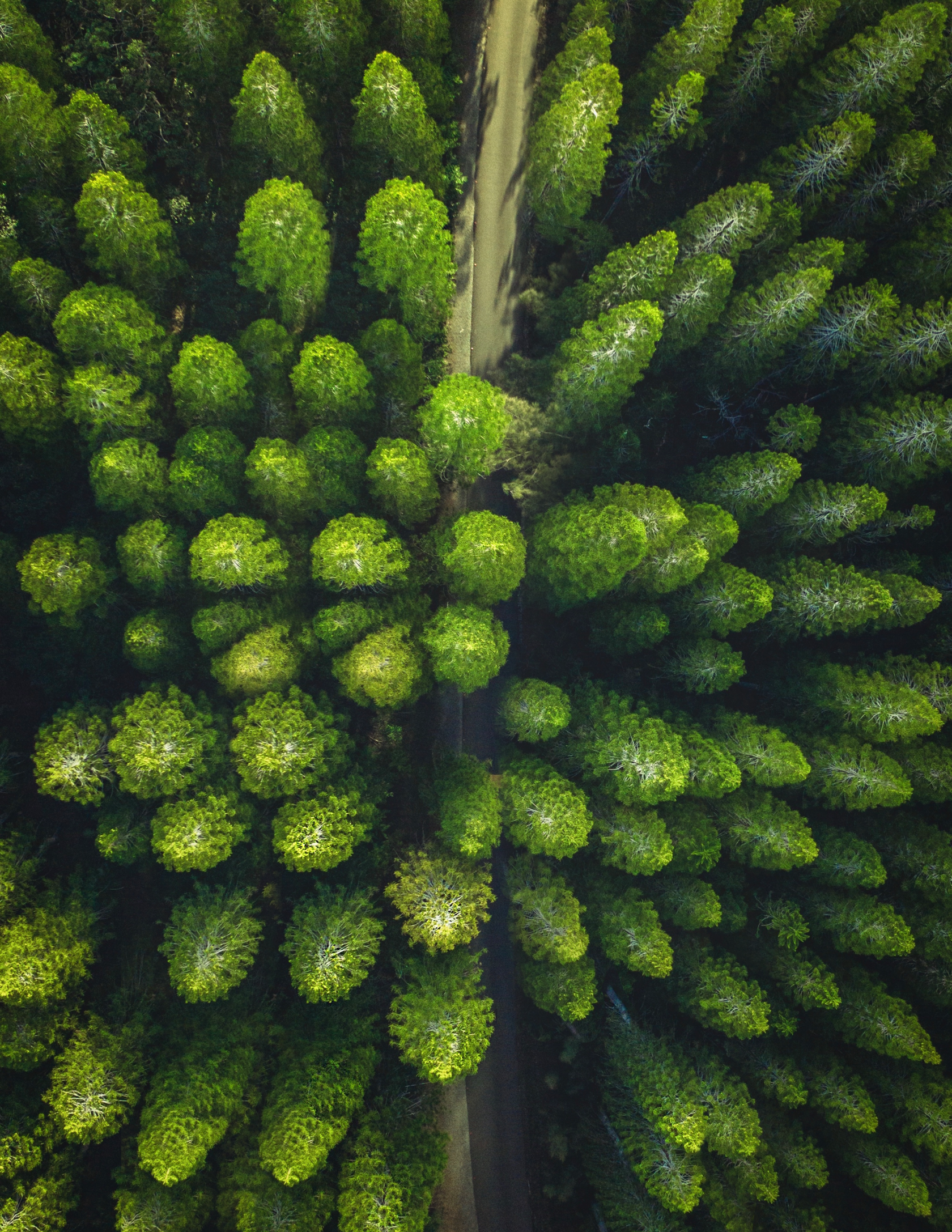
Credit: skylum.com

Credit: www.freepik.com
Frequently Asked Questions
What Is A Bird’s Eye View In Photography?
A bird’s eye view is a photo taken directly above the subject. It shows the scene from high above, like a bird flying. This angle reveals patterns and layouts not visible from ground level, offering a unique perspective for creative and practical photography.
How Does Bird’s Eye View Enhance Photography?
Bird’s eye view simplifies complex scenes by showing clear layouts. It helps highlight shapes, lines, and symmetry. This perspective adds drama and interest, making photos more engaging and visually appealing. It’s especially useful in landscapes, cityscapes, and architectural photography.
What Equipment Is Needed For Bird’s Eye View Shots?
A drone or a tall tripod is ideal for bird’s eye shots. You can also use stairs, balconies, or rooftops for height. Wide-angle lenses often enhance the view. Proper equipment helps capture sharp, well-composed images from above.
When Should I Use Bird’s Eye View Photography?
Use bird’s eye view to capture maps, events, or crowded places. It’s perfect for showing scale and spatial relationships. This angle works well for storytelling and presenting subjects uniquely. Choose it when you want to offer a fresh perspective.
Conclusion
Bird’s eye view in photography offers a fresh way to see the world. It shows scenes from above, revealing details we often miss. This angle helps create strong, interesting photos. It works well for landscapes, cityscapes, and events. Anyone can try it with a drone, tall building, or ladder.
Experimenting with this view can improve your photo skills. It makes your pictures stand out and tells a unique story. Keep practicing, and enjoy capturing the world from up high.




