
Have you ever wanted to capture the perfect shot of a bird in flight or perched beautifully on a branch? Shooting bird photography can feel tricky, but with the right tips, you can turn your camera into a tool that freezes these magical moments.
This guide will show you how to see birds in a new way, choose the best settings, and get closer without scaring them away. Keep reading, and you’ll soon be taking stunning bird photos that make your friends stop and stare.
Ready to transform your photography? Let’s dive in!
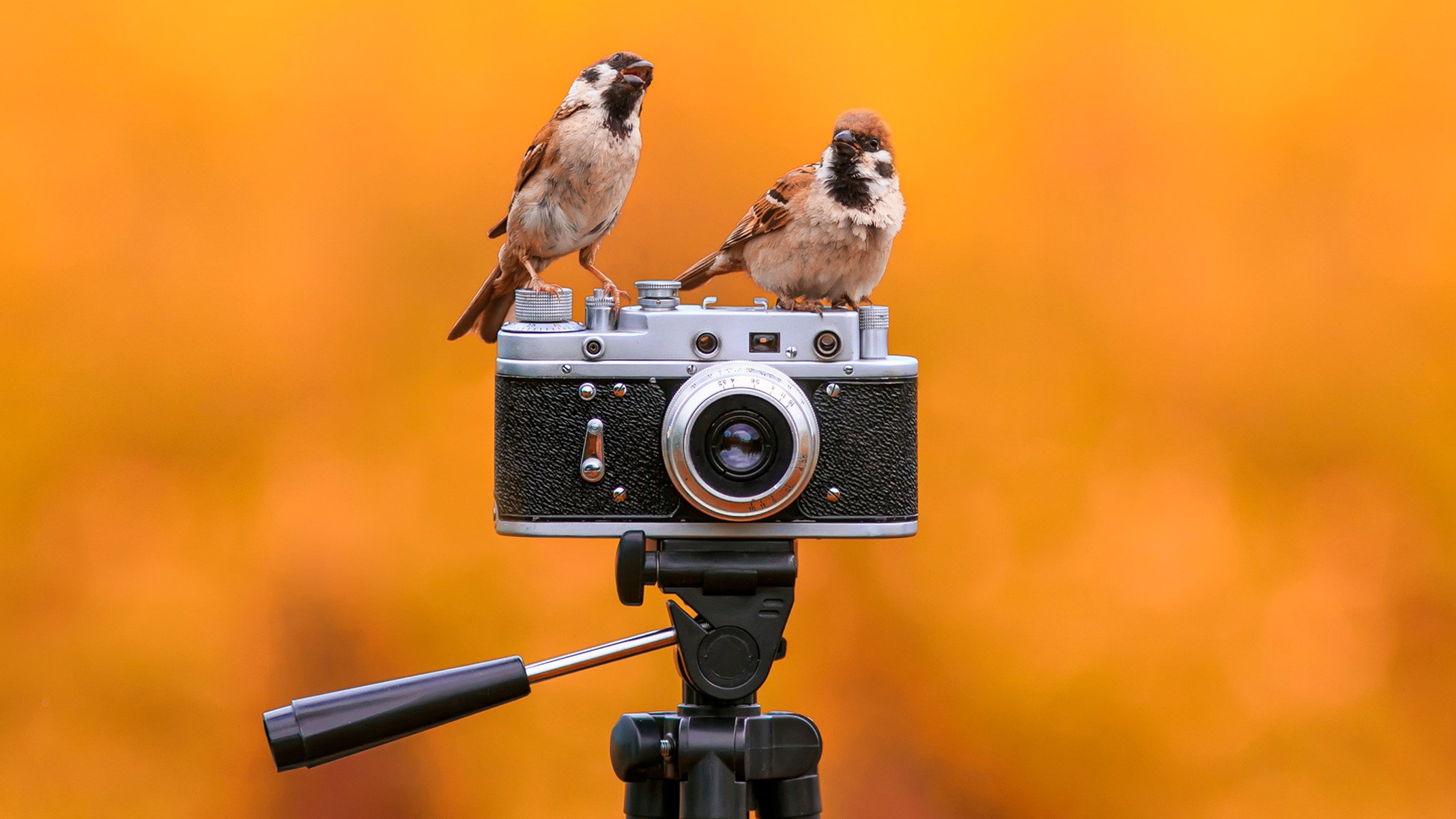
Credit: www.livescience.com
Choosing The Right Gear
Choosing the right gear is key for bird photography. The right equipment helps capture sharp, detailed images of birds in action. It also makes shooting easier and more enjoyable. Gear choice depends on your budget, skill level, and photography goals.
Good gear balances quality and portability. Heavy equipment can tire you quickly. Lightweight gear lets you move fast and follow birds better. Focus on gear that offers sharp images and quick response times.
Best Cameras For Bird Photography
- DSLR and mirrorless cameras work best for bird shots.
- Choose cameras with fast autofocus to track moving birds.
- High frames per second (fps) help capture quick moments.
- Look for cameras with good low-light performance.
- Full-frame sensors offer better image quality and detail.
Essential Lenses And Accessories
- Telephoto lenses (300mm or longer) bring birds closer.
- Zoom lenses add flexibility for varying distances.
- Consider lens image stabilization for sharper shots.
- Carry lens hoods to reduce glare and lens flare.
- Extra memory cards and batteries keep you shooting longer.
Tripods And Stabilization Tools
- Tripods provide stable support for long lens setups.
- Choose lightweight tripods for easy transport.
- Gimbal heads allow smooth panning and tracking of birds.
- Monopods offer quick support with more mobility.
- Use bean bags for shooting from uneven surfaces.
Mastering Camera Settings
Mastering your camera settings is crucial for capturing stunning bird photographs. Birds move quickly and unpredictably, so your camera must be ready to keep up. Understanding how shutter speed, aperture, and ISO work together can dramatically improve your shots.
Shutter Speed For Sharp Images
Shutter speed controls how long your camera’s sensor is exposed to light. To freeze a bird in flight or capture sharp details, use a fast shutter speed—usually 1/1000th of a second or faster. Slower speeds can cause motion blur, especially if the bird is moving quickly or if you’re shooting handheld.
Try experimenting with different speeds to see what works best for the bird species and light conditions you’re working with. Have you noticed how a slight increase in shutter speed can transform a blurry wing flap into a crisp feather detail?
Aperture And Depth Of Field
Aperture controls how much light enters your lens and affects depth of field—the range of focus in your image. A wider aperture (lower f-number) blurs the background beautifully, making your bird stand out. However, it also narrows the focus area, so precise focusing is essential.
If you want more of the scene in focus—say, a bird perched among branches—a smaller aperture (higher f-number) can help. Balancing aperture with shutter speed is key; opening the aperture too wide might force you to use a faster shutter speed or higher ISO.
Iso Settings For Different Conditions
ISO determines your camera sensor’s sensitivity to light. In bright conditions, keep ISO low (100-400) for the cleanest images. In dimmer light, increase ISO to maintain faster shutter speeds without underexposing your shot.
Higher ISO often adds noise, but modern cameras handle noise better than before. When shooting early morning or late evening birds, a moderate ISO boost can mean the difference between a usable shot and a missed moment. What’s your comfort level with noise versus sharpness in bird photos?
Finding And Approaching Birds
Capture stunning bird photos by understanding their habits and habitats. Approach quietly and use natural light. Patience and respect ensure great shots without disturbing their environment.
Finding and Approaching Birds Capturing the perfect shot of a bird isn’t just about having the right gear. It’s about understanding their world and becoming a part of it. Birds are elusive, and your challenge is to find and approach them without causing alarm. Each bird species has its own habits and habitats, and knowing where and when to look can make all the difference.Scouting Locations And Habitats
To find birds, you need to think like them. Birds are drawn to specific environments based on their dietary and nesting needs. Research local birding hotspots and visit nature reserves, wetlands, or forests where birds are known to frequent. Use online resources or birding apps to identify areas where your target species are often spotted. The more familiar you are with these locations, the better your chances of capturing stunning images.Timing Your Shoots
Timing can greatly affect your bird photography success. Early mornings and late afternoons are prime times, as birds are most active and the light is soft. This natural light can add depth and warmth to your photos. Consider the seasons. Migration periods can offer chances to photograph species that aren’t usually in your area. Keep a calendar to track these times and plan your shoots around them.Stealth And Patience Techniques
Approaching birds without startling them requires stealth. Move slowly and quietly, using natural cover like trees or bushes to hide your presence. Avoid sudden movements and loud noises that might scare them away. Patience is your best companion. Sometimes, waiting in one spot for an extended period can yield amazing results. Bring a comfortable chair or mat to settle in, and let the birds come to you. Have you ever noticed how some of the most breathtaking shots happen when you least expect them? Embrace the stillness and let nature unfold around you. By refining your approach, you increase your chances of capturing that perfect moment. Every bird photograph tells a story—what story will you tell next?
Credit: digital-photography-school.com
Composition Tips
Good composition makes bird photos more interesting and clear. It guides the viewer’s eye and highlights the bird’s beauty. Simple rules help create strong photos. Focus on framing, backgrounds, and light. Catching action shows the bird’s life and mood. These tips improve your pictures fast.
Framing And Backgrounds
Frame the bird tightly but leave some space for movement. Avoid cutting off wings or tails. Use natural elements like branches or leaves to frame the bird. This adds depth and context.
Choose backgrounds that do not distract. Plain or blurred backgrounds work best. Use a wide aperture to blur busy backgrounds. Keep colors soft and natural. This makes the bird stand out more.
Capturing Action And Behavior
Birds show many behaviors like feeding, flying, or singing. Capture these moments to tell a story. Use a fast shutter speed to freeze movement. Follow the bird’s eyes and head for sharp focus.
Watch the bird patiently. Wait for interesting actions like wing flaps or feeding. Capture moments that show personality or mood. This makes your photos more alive.
Using Light To Enhance Shots
Light changes the mood and colors of photos. Early morning and late afternoon give soft, warm light. This light creates nice shadows and highlights on feathers.
Avoid harsh midday light that causes strong shadows and glare. Position yourself so the light hits the bird from the side or front. This adds shape and texture to the bird.
Post-processing Techniques
Post-processing is where your bird photos truly come to life. It allows you to refine your images, bringing out the subtle beauty that might have been missed during the shoot. You can fix minor issues, enhance colors, and make your bird stand out against the background.
Basic Editing For Bird Photos
Start with adjustments like exposure, contrast, and sharpness. These basic edits can make a huge difference in making your bird look clear and vibrant.
Try to correct any overexposed or underexposed areas without losing detail. Adjusting the white balance helps keep the colors natural, especially since outdoor lighting can be tricky.
Enhancing Colors And Details
Enhance the feathers’ texture by selectively sharpening only the bird, not the entire image. This draws attention to the subject without increasing noise in the background.
Boost the colors carefully—too much saturation can look fake. Focus on the bird’s natural hues and subtle patterns that make each species unique.
Have you ever noticed how a slight increase in contrast can make the bird’s eyes pop? That detail often turns a good photo into a captivating one.
Cropping And Framing
Crop your photo to remove distractions and focus on the bird. Tight framing can highlight interesting behaviors or details, like a bird holding a worm or spreading its wings.
Consider the rule of thirds but don’t be afraid to break it if the bird’s position creates a stronger composition. Experiment with different crops to see what feels right.
Ask yourself: does the crop make the bird the star of the image or does something else compete for attention? Your framing choice can change the entire story your photo tells.

Credit: digital-photography-school.com
Ethics And Conservation
Shooting birds is more than just capturing beautiful images; it carries a responsibility towards the creatures and their environment. Ethics and conservation in bird photography ensure that your passion does not harm the subjects or their habitats. How can you balance your love for photography with respect for wildlife?
Respecting Wildlife And Habitats
Always keep a safe distance from birds to avoid causing them stress. Use a telephoto lens to get close-up shots without invading their space.
Stay on marked trails and avoid trampling vegetation. Disturbing nesting areas can have serious consequences for bird populations.
Think about your presence—is it altering the bird’s natural behavior? If yes, step back and reconsider your approach.
Avoiding Disturbance
Limit noise and sudden movements around birds. Even small distractions can cause them to fly away, wasting their energy and your opportunity.
Avoid using flash photography as it can startle birds, especially during nesting or feeding times.
Be mindful of the time of day—early morning or late afternoon light is best for photos and less disruptive for birds.
Supporting Bird Conservation Efforts
Consider joining local birdwatching groups or conservation organizations. They often offer valuable tips on responsible photography and habitat protection.
Donate a portion of your photography earnings to bird conservation projects or participate in citizen science programs.
Share your photos with a message about protecting birds. Your images can inspire others to care and act.
Frequently Asked Questions
What Camera Settings Work Best For Bird Photography?
Use a fast shutter speed to freeze motion. Set a narrow aperture for sharpness. Increase ISO in low light. Shoot in continuous mode to capture action. Adjust settings based on bird movement and lighting conditions.
How Can I Approach Birds Without Scaring Them?
Move slowly and quietly to avoid startling birds. Wear neutral colors to blend with surroundings. Use a telephoto lens to keep distance. Observe bird behavior to predict movement. Patience is key to successful bird photography.
Which Lenses Are Ideal For Bird Photography?
Telephoto lenses between 300mm and 600mm are ideal. They allow close-up shots without disturbing birds. Zoom lenses offer flexibility for different distances. Use lenses with fast autofocus for sharp images. Image stabilization helps reduce camera shake.
What Time Of Day Is Best For Bird Photography?
Early morning and late afternoon provide soft, warm light. Birds are more active during these times. Avoid harsh midday sun that causes shadows. Golden hours enhance colors and details in photos. Plan shoots around these optimal lighting periods.
Conclusion
Bird photography takes patience and practice. Watch birds quietly and wait for good moments. Use your camera settings to capture clear, sharp images. Try different angles and lighting for better shots. Respect nature and keep a safe distance from birds.
Enjoy the process and learn from each photo. With time, your pictures will improve a lot. Keep exploring and have fun capturing bird beauty.




