
Are you ready to capture stunning photos of birds in their natural beauty? Choosing the right Nikon lens can make all the difference between blurry shots and breathtaking images.
But with so many options out there, how do you find the best Nikon lens for bird photography that fits your needs? This guide will help you discover which lenses will bring your bird photos to life, making every feather and detail pop.
Keep reading to find the perfect lens that will take your bird photography to the next level.
Key Features For Bird Photography Lenses
Choosing the right lens is crucial for capturing stunning bird photos. Bird photography demands lenses with specific qualities that help you get sharp, detailed shots, even from a distance. Understanding these key features will guide you in picking a lens that matches your style and environment.
Focal Length Considerations
Focal length affects how close and detailed your subject appears in the frame. For bird photography, lenses between 300mm and 600mm are popular because they let you photograph birds without disturbing them.
Longer focal lengths allow you to fill the frame with small or distant birds. However, very long lenses can be heavy and harder to handle, so balance your need for reach with your comfort during long shoots.
Aperture Importance
A wide aperture (low f-number) lets more light into the camera, which is vital in early morning or late afternoon birdwatching. It also helps create a blurred background, making your bird stand out sharply.
Lenses with apertures like f/4 or f/5.6 are common in bird photography, offering a good mix of light gathering and manageable size. A wider aperture can improve shutter speed, reducing motion blur when birds move quickly.
Image Stabilization Benefits
Image stabilization reduces the blur caused by hand shake, especially important at long focal lengths. This feature lets you shoot at slower shutter speeds without sacrificing sharpness, which is a big help in low light.
When I first used a Nikon lens with vibration reduction, my bird photos became noticeably sharper. It’s a practical feature that increases your chances of a clear shot when a tripod isn’t an option.
Autofocus Speed And Accuracy
Birds move fast and unpredictably, so your lens needs quick and precise autofocus. A lens with fast autofocus helps you lock focus on a bird in flight or sudden movements.
Look for lenses with advanced autofocus motors and tracking capabilities. This means fewer missed shots and more time enjoying your photography rather than adjusting settings.
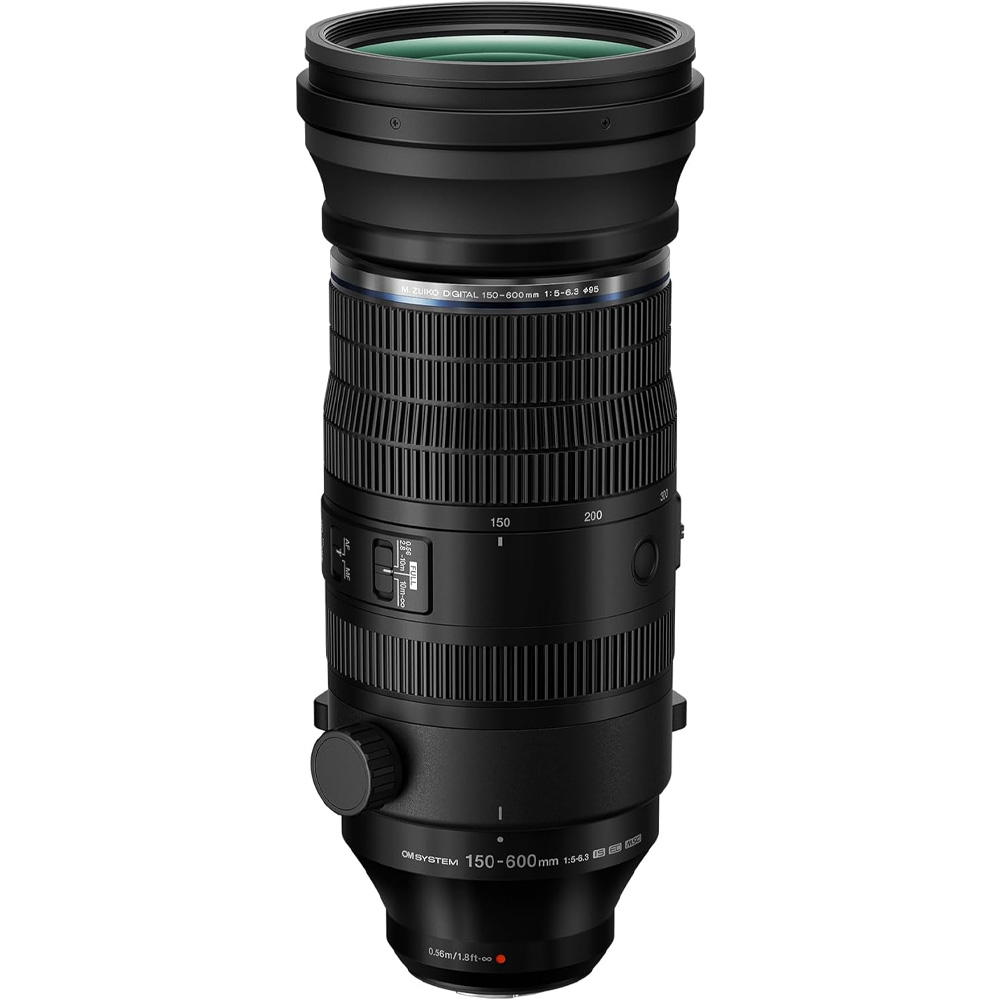
Credit: www.livescience.com
Top Nikon Lenses For Bird Photography In 2025
Choosing the right Nikon lens is key for bird photography success in 2025. Birds move fast and often stay far away. A good lens captures sharp images with great detail. Nikon offers lenses that suit different needs and budgets. Here are top Nikon lenses that work best for bird photography this year.
Best Telephoto Lens
The Nikon AF-S NIKKOR 500mm f/5.6E PF ED VR stands out. It offers excellent reach to capture distant birds clearly. The lens is lightweight for a 500mm telephoto. Vibration Reduction helps get sharp photos even in low light. It suits serious bird photographers who want sharp, detailed shots.
Best Zoom Lens
The Nikon AF-S NIKKOR 200-500mm f/5.6E ED VR is very popular. It covers a wide range of focal lengths from 200mm to 500mm. This zoom flexibility helps capture birds at various distances without changing lenses. It delivers sharp images and has vibration reduction for stability. Ideal for those who want versatility in one lens.
Best Prime Lens
The Nikon AF-S NIKKOR 300mm f/4E PF ED VR is a great prime choice. It provides sharp images with a fast autofocus system. The lens is compact and lightweight compared to other primes. Good for bird photographers who prefer a fixed focal length with excellent image quality.
Best Budget-friendly Option
The Nikon AF-P DX NIKKOR 70-300mm f/4.5-5.6G ED VR fits tight budgets. It works well with DX-format Nikon cameras. This zoom lens offers decent reach and sharpness for beginners. Vibration reduction helps reduce blur from camera shake. A practical lens for new bird photographers starting out.
Lens Compatibility With Nikon Cameras
Choosing the right Nikon lens for bird photography means understanding how lenses work with your Nikon camera. Lens compatibility is crucial because it affects image quality and the features you can use. Knowing the difference between full frame and crop sensor cameras, as well as mount types, helps you pick a lens that fits perfectly and performs well.
Full Frame Vs Crop Sensor
Nikon offers two main sensor sizes: full frame (FX) and crop sensor (DX). Full frame sensors are larger, capturing more detail and light, which is great for sharp bird shots in low light. Crop sensors have a smaller sensor area, but they give you extra reach by cropping the image, which can make telephoto lenses feel longer.
If you use a DX lens on an FX camera, the camera may automatically crop the image or show dark edges. Conversely, using an FX lens on a DX body works fine but might be heavier and more expensive. Think about your shooting style: Do you want extra reach from the crop sensor or the wide field of view and better image quality of full frame?
Mount Types And Adapters
Nikon primarily uses the F-mount for DSLRs and the Z-mount for mirrorless cameras. F-mount lenses fit Nikon’s DSLR cameras, while Z-mount lenses are designed for the newer mirrorless line. This means not all lenses fit all Nikon cameras directly.
If you have a mirrorless Nikon Z-series camera but want to use an older F-mount lens, you can use an FTZ adapter. This adapter keeps autofocus and image stabilization working smoothly. However, using adapters might add a little weight and sometimes reduce maximum aperture performance.
Ask yourself: Are you ready to invest in new Z-mount lenses, or do you prefer using your existing F-mount lenses with an adapter? Your choice affects lens options and how easily you can carry your gear during long birdwatching trips.
Tips For Choosing The Right Lens
Choosing the right Nikon lens for bird photography can change your shooting experience. The perfect lens depends on your needs and style. Pay attention to several factors to find the lens that fits you best.
Assessing Your Photography Style
Think about how you shoot birds. Do you prefer close-up shots or wider scenes? Some lenses offer long reach for distant birds. Others provide more flexibility with zoom ranges. Decide if you want fast autofocus for quick action. Knowing your style helps narrow down lens options.
Balancing Weight And Portability
Bird photography often means carrying gear for hours. Heavy lenses can tire you quickly. Lightweight lenses allow more mobility and easier handling. However, lighter lenses may lack some features. Find a lens that feels comfortable for long trips.
Considering Weather Sealing
Birds live outdoors, and so will your lens. Weather sealing protects your gear from rain, dust, and moisture. This feature is essential if you shoot in tough environments. A weather-sealed lens lasts longer and needs less maintenance.
Evaluating Lens Sharpness
Sharp images capture bird details beautifully. Look for lenses with excellent sharpness and contrast. Check reviews and sample images before buying. A sharp lens improves photo quality and satisfaction.
Accessories To Enhance Bird Photography
Accessories play a key role in bird photography. They help improve stability, protect your gear, and make carrying easier. Using the right accessories enhances your shooting experience and image quality.
Tripods And Monopods
Tripods provide steady support for your camera and lens. They reduce camera shake, especially with heavy telephoto lenses. Monopods offer more mobility while still giving some stability. Choose lightweight models for easier travel. Look for adjustable height and sturdy build. This ensures comfort during long birdwatching sessions.
Lens Hoods And Filters
Lens hoods block stray light to prevent glare and lens flare. They also protect the front element from bumps and scratches. Filters, like UV or polarizing filters, improve image clarity and color. Polarizing filters reduce reflections from water or leaves. Use filters designed for your lens size and type to avoid vignetting.
Carrying Cases And Straps
Carrying cases protect your camera and lenses during transport. Look for padded compartments and water-resistant materials. Cases with customizable dividers keep your gear organized. Comfortable straps reduce strain on your neck and shoulders. Consider straps with quick-release features for fast camera access. Proper carrying gear helps you stay ready for sudden bird sightings.
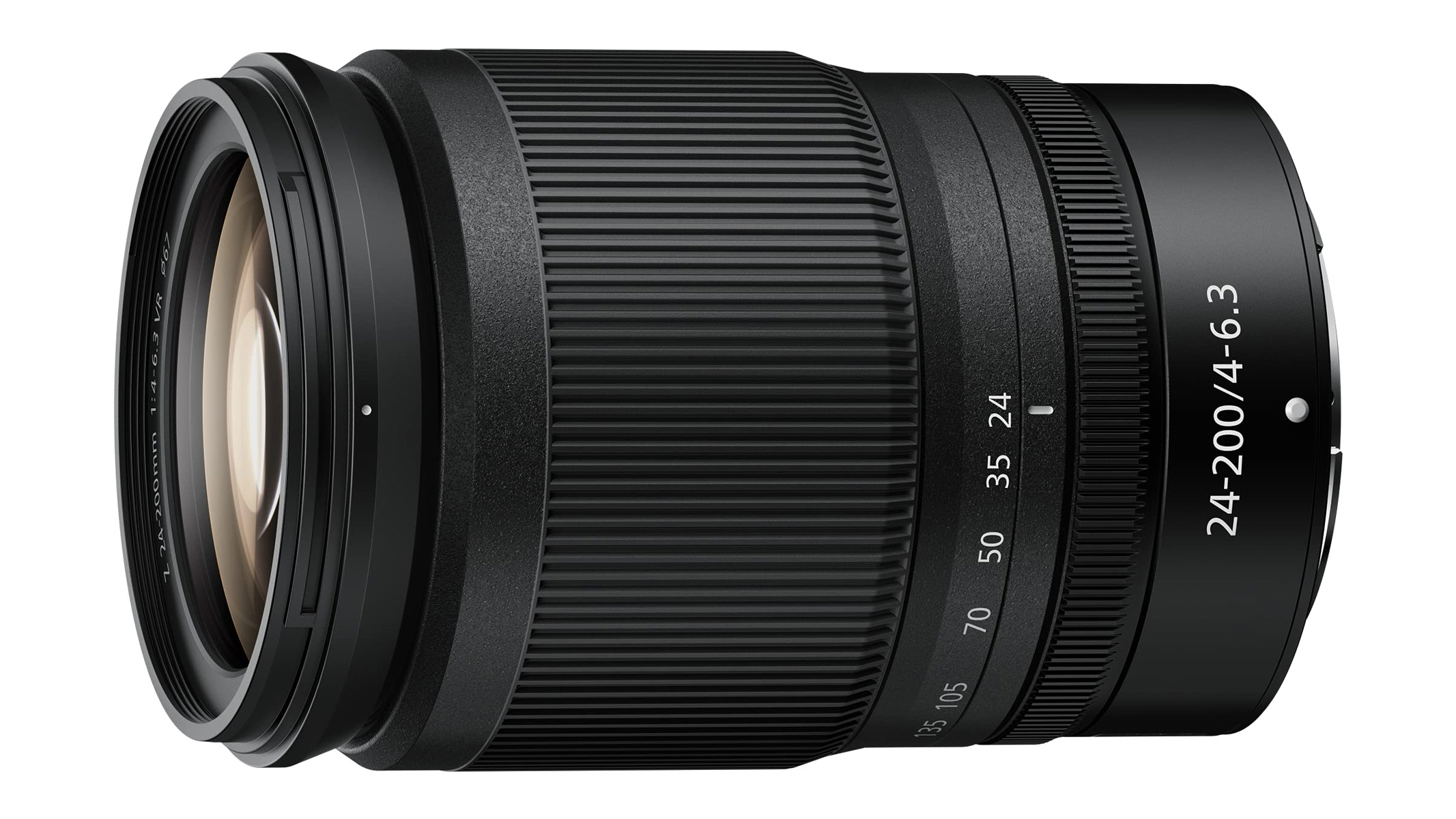
Credit: www.livescience.com

Credit: www.youtube.com
Frequently Asked Questions
What Is The Best Nikon Lens For Bird Photography?
The Nikon 200-500mm f/5. 6 is ideal for bird photography. It offers excellent reach, sharpness, and fast autofocus. This lens is lightweight and affordable, making it perfect for wildlife enthusiasts.
Which Nikon Lens Has The Best Zoom For Birds?
The Nikon 200-500mm f/5. 6 provides a versatile zoom range. It allows close-up shots of distant birds without sacrificing image quality. This zoom range is perfect for capturing birds in various habitats.
Are Prime Or Zoom Lenses Better For Bird Photography?
Zoom lenses like the Nikon 200-500mm offer flexibility in framing. Prime lenses provide sharper images but lack zoom versatility. For bird photography, zoom lenses are generally more practical and user-friendly.
How Important Is Lens Autofocus In Bird Photography?
Fast autofocus is crucial for capturing moving birds. Nikon lenses with Silent Wave Motor (SWM) ensure quick, quiet focusing. This helps photographers capture sharp, detailed images without disturbing the wildlife.
Conclusion
Choosing the best Nikon lens for bird photography depends on your needs. Telephoto lenses help capture birds from far away. Fast autofocus and image stabilization improve sharpness and clarity. Consider your budget and the type of birds you want to shoot.
A good lens makes your photos stand out. Take time to try different lenses before deciding. Enjoy the process of capturing nature’s beauty. Every bird photo tells a unique story.




