
Are you struggling to capture sharp, stunning images of birds in flight or perched far away? Choosing the right Canon lens can make all the difference between blurry shots and breathtaking photos that truly showcase nature’s beauty.
Whether you’re a beginner or looking to upgrade your gear, this guide will help you find the perfect Canon lens tailored to your bird photography needs. Keep reading, and soon you’ll know exactly which lens will bring your bird shots to life like never before.

Credit: www.youtube.com
Best Canon Lenses For Bird Photography
Choosing the right lens is vital for bird photography. The lens affects image clarity, focus speed, and how close you can get without disturbing the bird. Canon offers various lenses that match different needs and budgets. Understanding lens types helps pick the best tool for sharp, detailed bird photos.
Telephoto Lenses For Close-ups
Telephoto lenses bring distant birds closer. They have long focal lengths, usually over 300mm. These lenses capture fine details from afar, perfect for shy or flying birds. Canon’s telephoto lenses often feature image stabilization to reduce blur. They help fill the frame with the bird, making photos more striking.
Prime Lenses For Sharpness
Prime lenses have a fixed focal length, which means no zoom. This design offers sharper images and wider apertures. Wider apertures allow more light, improving photos in low light. Canon prime lenses like the 400mm f/5.6 are popular for bird photography. They deliver crisp images and excellent subject isolation.
Zoom Lenses For Flexibility
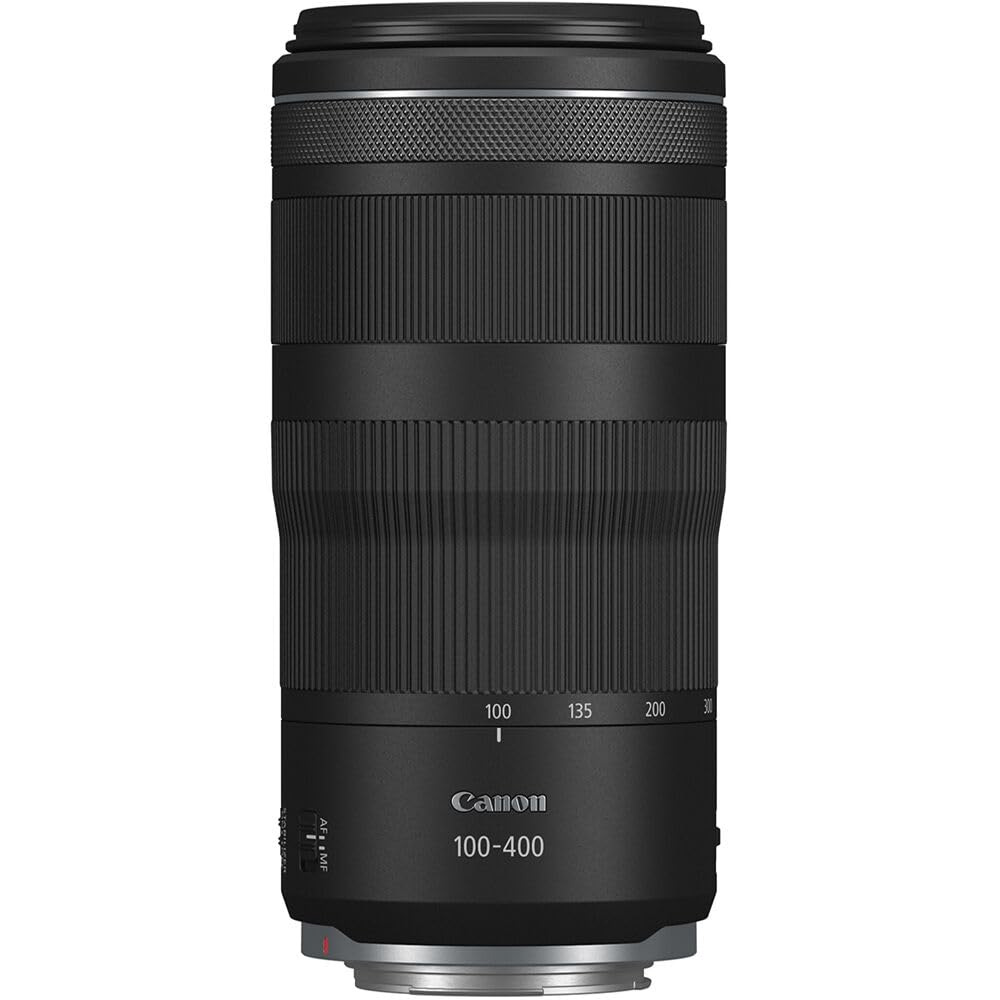
Zoom lenses cover a range of focal lengths. They let you adjust framing quickly without moving. Canon zoom lenses such as the 100-400mm are versatile for various bird sizes and distances. They suit photographers who want one lens for different situations. Zoom lenses balance convenience with good image quality.
Key Features To Consider
Choosing the right Canon lens for bird photography means understanding the key features that affect your shots. Your lens needs to handle long distances, tricky lighting, and movement smoothly. Knowing what to look for can save you time and frustration in the field.
Focal Length And Reach
Birds are often far away, so you need a lens with enough zoom to capture them clearly. A focal length of 300mm or more usually works well for most bird photography. Telephoto lenses let you get close without disturbing your subject.
Think about the size of the birds you want to photograph. Larger birds might be easier to capture with a 300mm lens, but smaller or more distant birds may require 400mm or 600mm lenses. Have you noticed how a longer reach can reveal details you wouldn’t see otherwise?
Aperture And Low Light Performance
Birds move fast, and lighting conditions often change, especially during early mornings or late afternoons. A wide aperture (like f/2.8 or f/4) helps you keep shutter speeds high to freeze motion. It also lets in more light, which is crucial when the sun is low.
Don’t overlook the impact of aperture on background blur. A wider aperture creates a beautiful soft background, making your bird stand out sharply. Ask yourself: how often will you shoot in dim light? That answer guides your aperture choice.
Image Stabilization Benefits
Long lenses tend to amplify camera shake, which blurs your photos. Image stabilization (IS) technology in Canon lenses reduces this problem, letting you shoot handheld with greater clarity. This is especially helpful when you can’t use a tripod in the wild.
IS also allows for slower shutter speeds without losing sharpness, which can be a lifesaver during overcast days. Have you tried shooting birds in windy conditions? IS makes a noticeable difference in keeping your shots crisp and clear.
Top Canon Lens Models
Choosing the right Canon lens is vital for bird photography. The lens affects how close and clear birds appear. Canon offers several lenses suited for different needs and budgets. These lenses deliver sharp images and fast focus. They also handle various lighting conditions well. Here are some of the top Canon lens models for bird photography.
Canon Ef 100-400mm F/4.5-5.6l Is Ii Usm
This lens is popular among bird photographers. It covers a versatile zoom range from 100mm to 400mm. The image stabilization system helps reduce blur from hand shake. It focuses quickly and quietly, perfect for capturing birds in motion. The lens produces sharp, bright images with great color. Its weather-sealed design protects it in tough outdoor conditions.
Canon Ef 400mm F/5.6l Usm
This prime lens offers a fixed 400mm focal length. It is lighter and more compact than many telephoto lenses. Fast autofocus helps capture fast-moving birds easily. The lens delivers excellent sharpness and contrast. Its simple design makes it easy to carry on long walks. This lens suits bird photographers who prefer prime lenses for clarity.
Canon Rf 100-500mm F/4.5-7.1l Is Usm
This lens works with Canon’s mirrorless cameras. It provides a wide zoom range from 100mm to 500mm. The image stabilization is very effective at longer focal lengths. Autofocus is fast and accurate for detailed bird shots. The lens features a durable build and weather sealing. It suits photographers wanting flexibility and long reach in one lens.

Credit: suryatara.com
Lens Accessories For Bird Photography
Choosing the right lens is important for bird photography. Equally important are the lens accessories. These tools help improve image quality and ease of use. They help photographers capture sharp, clear shots of birds even at great distances. Accessories can extend your lens’s reach, reduce camera shake, and protect your gear. Each accessory plays a specific role in enhancing your bird photography experience.
Teleconverters To Extend Reach
Teleconverters increase the focal length of your Canon lens. They allow you to get closer shots without moving physically closer to birds. A 1.4x or 2x teleconverter can double your lens’s zoom power. This helps capture distant birds with better detail. Keep in mind, teleconverters may reduce light entering the lens. This can affect autofocus speed and image sharpness slightly.
Tripods And Monopods
Stable support is key for sharp bird photos. Tripods provide a steady base for heavy Canon lenses. They reduce camera shake during long waits or slow shutter speeds. Monopods offer more mobility while still stabilizing the camera. Both tools help maintain focus and frame the shot perfectly. They are essential for long birdwatching sessions.
Lens Hoods And Filters
Lens hoods block stray light that causes glare and lens flare. This improves contrast and image clarity. They also protect the front lens element from damage. Filters, like UV or polarizers, add extra benefits. UV filters protect the lens and reduce haze. Polarizing filters cut reflections from water and leaves, enhancing colors. Using hoods and filters helps get cleaner, sharper bird images.
Tips For Choosing The Right Lens
Choosing the right Canon lens for bird photography can be tricky. The lens affects how close you get to the birds and the image quality. Picking the best lens depends on several factors. These tips help make your choice easier and smarter.
Budget Considerations
Bird photography lenses vary a lot in price. Some lenses cost a few hundred dollars. Others can be several thousand. Think about how much you want to spend. Sometimes, a mid-range lens offers good quality and value. High-end lenses have better glass and faster focus. But, cheaper lenses can still take great photos. Decide your budget before shopping.
Weight And Portability
Bird photography often means long hours outdoors. A heavy lens can tire you quickly. Lighter lenses are easier to carry and handle. But lighter lenses may have less zoom or slower focus. Find a balance between lens weight and performance. Consider how far you will walk or hike. Portability matters if you travel a lot.
Compatibility With Camera Bodies
Not all Canon lenses work with every Canon camera. Check your camera model’s mount type. Canon uses EF, EF-S, RF, and other mounts. Using the wrong mount means the lens won’t fit or work well. Some lenses work better on full-frame cameras. Others are designed for crop sensors. Know your camera’s specs before buying a lens. This ensures full compatibility and best results.
Credit: www.livescience.com
Frequently Asked Questions
What Is The Best Canon Lens For Bird Photography?
The Canon EF 100-400mm f/4. 5-5. 6L IS II USM is ideal. It offers excellent reach, sharpness, and image stabilization for capturing birds in detail.
Can I Use A Canon 70-200mm Lens For Birds?
While the Canon 70-200mm lens is versatile, its reach may be limited for distant birds. Telephoto lenses above 300mm are preferred for better bird photography.
How Important Is Image Stabilization In Canon Bird Lenses?
Image stabilization is crucial for bird photography. It reduces camera shake, especially when shooting handheld with long telephoto lenses, resulting in sharper images.
Should I Choose A Prime Or Zoom Lens For Bird Photography?
Zoom lenses offer flexibility to adjust focal lengths quickly, perfect for unpredictable bird movements. Primes deliver better sharpness but limit framing options.
Conclusion
Choosing the right Canon lens makes bird photography more enjoyable. Telephoto lenses help capture birds from a distance without disturbance. Fast lenses work well in low light and create sharp images. Consider your budget and shooting style before buying. Practice patience and learn about bird behavior for better shots.
The right lens and skill together bring stunning bird photos. Keep experimenting and have fun in the wild.




