
Are you ready to capture stunning photos of birds in their natural beauty? Choosing the right digital camera can make all the difference between blurry shots and breathtaking images.
But with so many options out there, how do you find the best digital camera for bird photography that fits your needs and skill level? You’ll discover what features matter most and which cameras deliver sharp, vibrant photos every time.
Keep reading to unlock the secrets to perfect bird photography and take your skills to the next level.
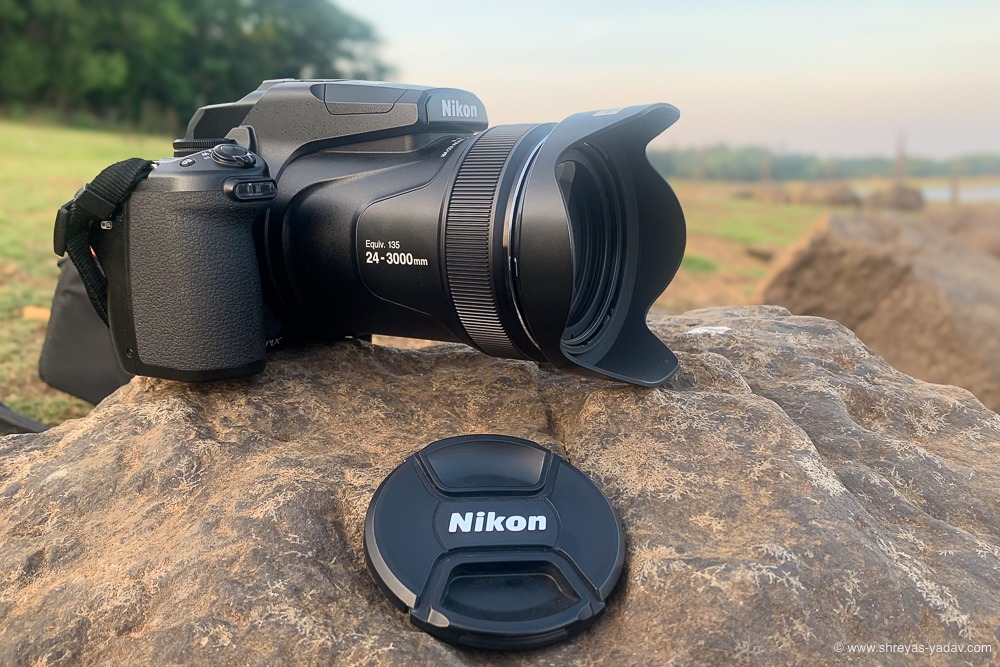
Credit: shreyas-yadav.com
Key Features For Bird Photography
Choosing the right digital camera for bird photography involves understanding key features. These features help capture sharp, clear images of birds in action. Birds move quickly and often appear at a distance, so camera performance matters.
Each feature plays a vital role in getting great shots. Knowing what to prioritize can improve your photography experience and results.
Importance Of Autofocus Speed
Fast autofocus helps track moving birds easily. Birds rarely stay still, so quick focus is crucial. Cameras with advanced autofocus systems lock onto subjects fast. This reduces blurry photos and missed moments.
Sensor Size And Resolution
A larger sensor captures more light and detail. This is important for clear, high-quality images. Higher resolution allows cropping without losing sharpness. Full-frame or APS-C sensors work well for bird photography.
Lens Compatibility
Bird photography needs long lenses for close-up shots. Choose cameras with wide lens options. Telephoto lenses of 300mm or more are ideal. Check if the camera supports your preferred lens brands.
Burst Rate And Buffer
A fast burst rate captures many photos quickly. This helps catch birds in flight or sudden movements. A large buffer stores these images before saving. Together, they prevent missing critical moments.
Image Stabilization Benefits
Image stabilization reduces blur from hand shake. This is useful when using heavy telephoto lenses. It helps create sharper photos in low light or slow shutter speeds. Look for cameras with in-body or lens stabilization.
Top Digital Cameras For Bird Photography
Choosing the right digital camera can make a huge difference in your bird photography. The ideal camera captures sharp images, handles fast movements, and performs well in varying light conditions. Let’s look at some top cameras that excel in these areas and fit different needs and budgets.
Best Dslr Cameras
DSLRs remain a favorite for many bird photographers because of their robust build and excellent autofocus systems. The Nikon D500offers a fast burst rate and great image quality, perfect for capturing quick bird movements. Another strong contender is the Canon EOS 90D, known for its sharp 32.5-megapixel sensor and reliable autofocus, especially useful in bright outdoor settings.
These cameras allow you to use a wide range of telephoto lenses, which are essential for getting close-up shots without disturbing your subject. Are you ready to carry a bit more weight for better handling and battery life?
Best Mirrorless Cameras
Mirrorless cameras are lighter and offer impressive autofocus speed, making them ideal for long birding sessions. The Sony Alpha a7 IIIstands out with excellent low-light performance and a high frame rate, helping you catch fast-moving birds in any lighting. Another option is the Fujifilm X-T4, which combines great image quality with a compact design.
These cameras often feature advanced video capabilities, adding another layer to your bird photography experience. Have you considered how a lighter camera could change your approach in the field?
Best Budget Options
You don’t need to spend a fortune to start capturing stunning bird photos. The Nikon D3500is a beginner-friendly DSLR with good autofocus and image quality at an affordable price. Alternatively, the Canon EOS M50 Mark IIoffers solid mirrorless performance without breaking the bank.
Both cameras support interchangeable lenses, so you can upgrade your gear as you gain experience. What features matter most to you when working within a budget?
Best Cameras For Beginners
If you’re just starting out, look for cameras that balance ease of use with good features. The Sony Alpha a6000is a popular mirrorless camera that’s simple to operate but powerful enough for serious bird photography. The Canon EOS Rebel T7DSLR also offers intuitive controls and dependable autofocus to help you learn quickly.
Choosing a beginner-friendly camera encourages you to spend more time shooting and less time troubleshooting. How important is simplicity versus advanced features in your learning process?
Lens Recommendations For Bird Photography
Choosing the right lens is crucial for capturing stunning bird photos. Your lens affects how close you can get and how much detail you capture. Let’s look at the types of lenses that can elevate your bird photography and what features to prioritize.
Telephoto Lenses
Telephoto lenses are a favorite among bird photographers because they let you shoot from a distance without disturbing the birds. Lenses with focal lengths of 300mm to 600mm are ideal for getting close-up shots of birds in flight or perched far away.
I’ve found that a 400mm lens strikes a great balance between reach and portability. It lets me capture sharp details without lugging around heavy gear all day. Are you ready to invest in a lens that brings birds closer without scaring them off?
Zoom Lenses
Zoom lenses offer flexibility by covering a range of focal lengths in one lens. A 100-400mm zoom lens is popular because it adapts well to different bird sizes and distances.
Using a zoom lens helped me quickly adjust framing when birds moved unexpectedly. However, zoom lenses can be heavier and sometimes less sharp at the extreme ends. Think about whether versatility or peak image quality matters more to your style.
Prime Lenses
Prime lenses have a fixed focal length but often deliver sharper images and better low-light performance. A 300mm or 400mm prime lens can provide stunning clarity for detailed bird portraits.
I noticed my photos became crisper after switching to a prime lens, even though I lost zoom flexibility. It forces you to move physically and think more about composition. Would you prefer a lens that challenges you but rewards with superior image quality?
Lens Features To Consider
- Image Stabilization:Helps reduce blur from hand shake, especially important with long lenses.
- Fast Autofocus:Birds move quickly; a lens with quick and accurate autofocus makes capturing sharp images easier.
- Aperture Size:A wider aperture (like f/2.8 or f/4) allows more light, improving performance in low light and creating a beautiful background blur.
- Weight and Handling:You’ll be carrying your gear for hours, so find a lens that feels comfortable to hold and use.
Which of these features do you think will impact your bird photography the most? Picking the right lens means balancing your shooting style with practical needs.
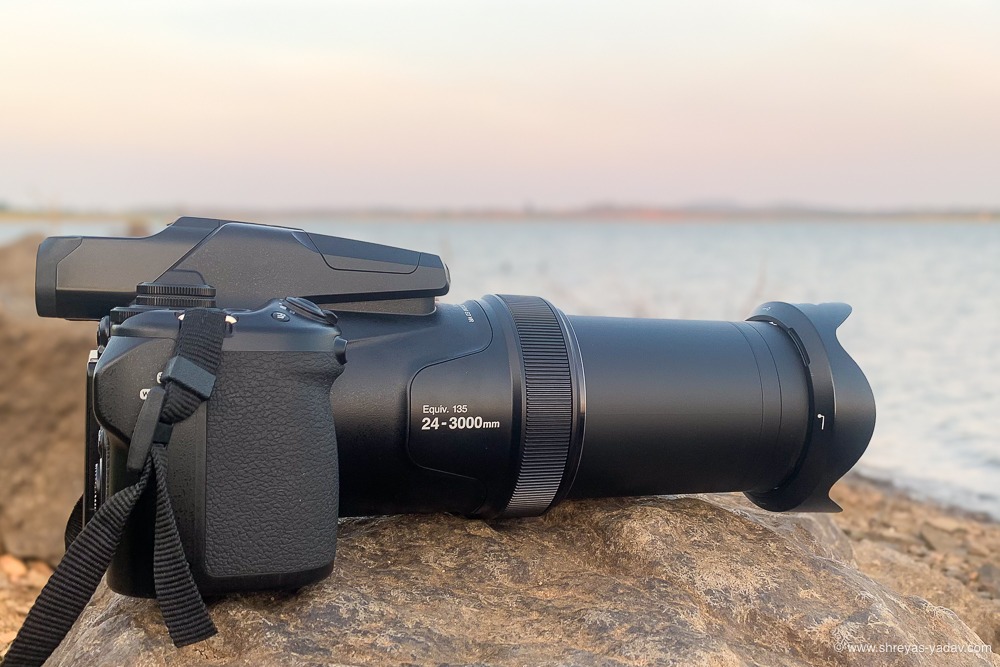
Credit: shreyas-yadav.com
Tips For Choosing The Right Camera
Choosing the right digital camera for bird photography takes careful thought. The perfect camera balances features that suit your style and needs. Consider the weight, durability, battery life, and cost. Each aspect plays a key role in capturing sharp and clear bird images. Below are important tips to guide your choice.
Balancing Weight And Portability
Bird photography often means long hours outdoors. A lightweight camera eases carrying during hikes or walks. Heavy cameras can cause fatigue and limit shooting time. Yet, lightweight models sometimes lack advanced features. Find a balance between portability and camera power. Test how the camera feels in your hands before buying.
Considering Weather Sealing
Birds live in all kinds of environments. Your camera should handle rain, dust, and cold. Weather sealing protects internal parts from damage. Cameras with this feature last longer outdoors. Look for models labeled as weather-resistant or weather-sealed. It helps you shoot confidently in tough conditions.
Battery Life Importance
Long battery life is vital for bird photography. You never know when a perfect shot will appear. Cameras with strong batteries let you shoot for hours. Carry extra batteries for backup during long trips. Check the camera’s battery specs before deciding. Good battery life prevents missed moments.
Evaluating Price Vs Performance
Find a camera that fits your budget and needs. High-end models offer great features but cost more. Mid-range cameras provide solid performance at lower prices. List must-have features and compare camera specs. Look for deals and read user reviews. Spend wisely to get value and quality.
Accessories To Enhance Bird Photography
Accessories can make a huge difference in your bird photography experience. They help stabilize your shots, protect your gear, and allow you to capture images at just the right moment. Choosing the right accessories can improve your efficiency and the quality of your photos in the field.
Tripods And Monopods
Steady shots are crucial for capturing sharp images of birds, especially when using long lenses. Tripods provide stability but can be bulky to carry around. Monopods offer a lighter, more flexible option while still reducing camera shake.
If you often hike to remote locations, a lightweight carbon fiber tripod might be your best bet. Monopods are excellent if you need to move quickly while maintaining some support. Have you tried switching between the two to see what fits your shooting style?
Camera Bags And Cases
Protecting your camera and lenses is essential when you’re out in nature. Look for bags that provide padding and compartments for easy organization. Weather-resistant materials add an extra layer of protection against unexpected rain or dust.
Consider a bag that’s comfortable to carry for long periods—your shoulders will thank you. Smaller cases for lenses and accessories help keep everything in place and ready to grab. What features do you value most in a camera bag?
Remote Shutters And Timers
Using a remote shutter or timer reduces camera shake caused by pressing the shutter button. This is especially useful when shooting from a tripod with long telephoto lenses. Wireless remotes give you freedom to trigger the camera without being close by.
Timers are a simple alternative if you don’t want extra gadgets. They also allow you to take multiple shots in quick succession without handling the camera. Have you noticed how much sharper your images get when avoiding direct contact with the camera?
Memory Cards And Storage
Bird photography often involves rapid bursts of shooting, which can fill up your memory cards quickly. Invest in high-speed, high-capacity cards to avoid slow write speeds and running out of space. Multiple cards let you swap out quickly without interrupting your session.
Consider carrying a portable storage device or backup to safeguard your photos on the go. Organizing your files immediately after shooting can save headaches later. How do you manage your memory cards during long birding trips?

Credit: www.thephoblographer.com
Frequently Asked Questions
What Features Matter Most In Bird Photography Cameras?
Key features include fast autofocus, high frame rates, and excellent image stabilization. Long zoom lenses and good low-light performance are crucial too. These help capture sharp, detailed images of birds in action and varied environments.
Which Camera Brands Are Best For Bird Photography?
Canon, Nikon, Sony, and Panasonic are popular choices. They offer models with advanced autofocus and telephoto lenses. These brands provide reliable performance and image quality, catering to both amateurs and professionals.
Is A Dslr Or Mirrorless Camera Better For Birds?
Mirrorless cameras are lighter, faster, and have better video features. DSLRs often offer longer battery life and an optical viewfinder. Both types can excel depending on personal preference and shooting conditions.
What Lens Is Ideal For Bird Photography?
A telephoto lens with at least 300mm focal length is recommended. Lenses with image stabilization and wide apertures improve clarity and speed. This helps capture distant birds sharply without disturbing them.
Conclusion
Choosing the best digital camera for bird photography depends on your needs. Focus on features like zoom, speed, and image quality. A good camera helps capture birds clearly and quickly. Don’t forget to consider your budget and comfort. Practice often to improve your shots.
Happy bird watching and capturing!




