
Have you ever wondered if a bird can be considered an exotic pet? Maybe you’re thinking about adding a feathered friend to your home but aren’t sure what counts as exotic.
Understanding this can help you make the right choice for your lifestyle and ensure your new pet gets the care it deserves. Keep reading to discover the surprising facts about birds as exotic pets and find out if one is the perfect match for you.

Credit: birdsnways.com
Birds As Pets
Birds have been companions to humans for centuries. They bring color, sound, and joy to many homes. Many people love birds for their playful nature and ability to bond. Birds can be both simple to care for or require special attention. Their variety means there is a bird for almost every type of pet owner. Choosing the right bird depends on your lifestyle and experience.
Common Pet Bird Species
Some birds are popular as pets because they are easy to care for and friendly. These include:
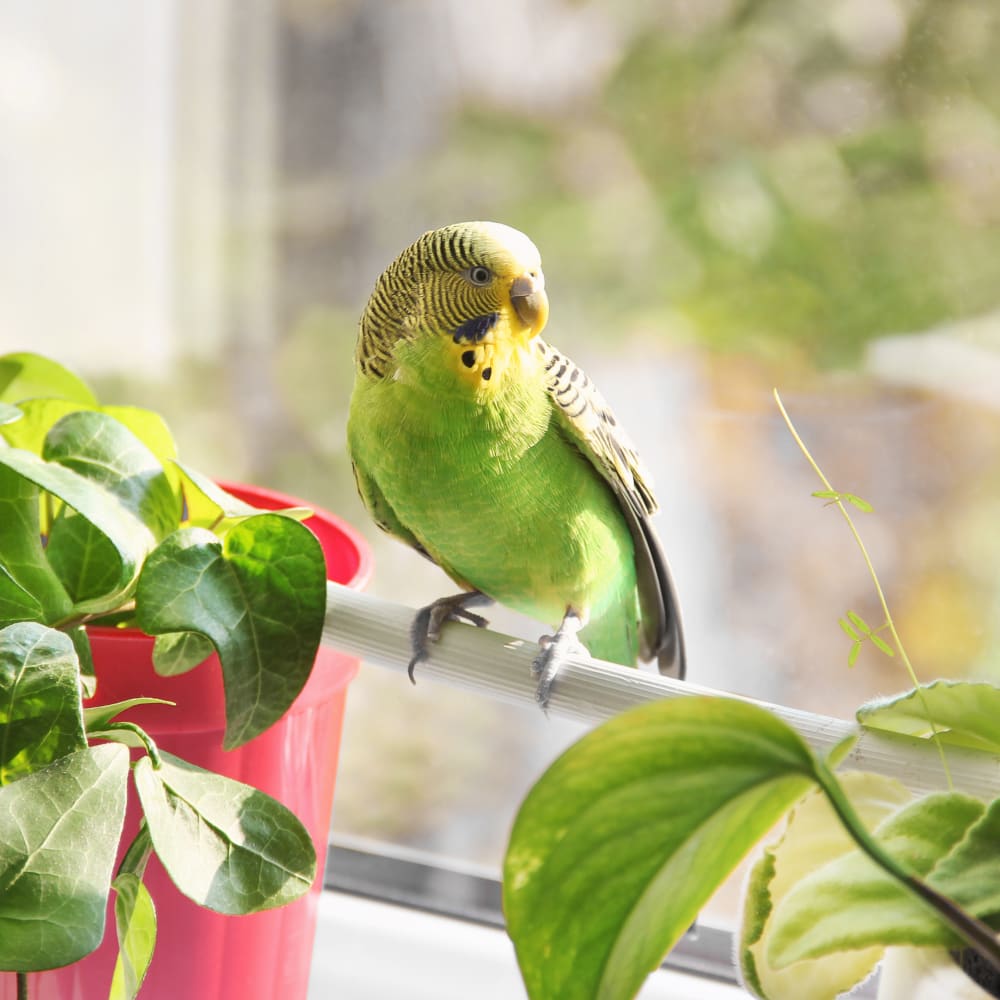
- Budgerigars (Budgies) – small, colorful, and social birds.
- Canaries – known for their singing and bright colors.
- Lovebirds – small parrots, often kept in pairs.
- Cockatiels – gentle birds that can mimic sounds.
- Parakeets – active and playful, good for beginners.
These species adapt well to home life. They require cages, toys, and regular interaction. Feeding them a balanced diet helps keep them healthy. Many owners enjoy watching their behaviors and hearing their songs.
Exotic Vs. Domestic Birds
Domestic birds are bred in captivity and used to living with humans. They are easier to care for and often less expensive. Exotic birds come from wild habitats and need special care. They may have unique diets and housing needs.
| Aspect | Domestic Birds | Exotic Birds |
|---|---|---|
| Origin | Raised in captivity | Wild or rare species |
| Care | Simple to moderate | Complex and specialized |
| Cost | Affordable | Expensive |
| Behavior | Friendly, social | Unpredictable, shy |
| Legal Restrictions | Few | Many, require permits |
Choosing between exotic and domestic birds depends on knowledge and commitment. Exotic birds often need extra time and resources. Domestic birds suit most people seeking companionship without complexity.
Traits Of Exotic Pets
Understanding the traits of exotic pets helps you decide if a bird fits into this category. Exotic pets often stand out due to their unique care needs, appearance, and behavior. Knowing these traits can prepare you for responsible ownership and avoid surprises.
Defining Exotic Animals
Exotic animals are typically species that are not commonly kept as pets or are native to distant regions. They often require specialized environments and diets, unlike traditional pets like cats or dogs. Their rarity and specific needs make them more challenging to care for.
Think about the bird species you know. Does it need a special climate? A unique diet? These questions help clarify if an animal is exotic. Also, laws and regulations often distinguish exotic animals, limiting who can own them.
Birds That Qualify As Exotic
Not all birds are exotic pets, but some certainly fall into this category. Parrots like macaws and cockatoos, for example, are exotic due to their intelligence, social needs, and long lifespans. They require more attention and space than typical pet birds.
Other exotic birds include toucans and certain species of hornbills, which have very particular habitat and dietary needs. Their vibrant colors and uncommon behaviors often attract bird lovers looking for something different.
Have you considered how much time you can dedicate to a pet that may live for decades? Exotic birds demand commitment and knowledge. Owning one means you’re ready for a long-term relationship filled with learning and care.
Legal Aspects
Understanding the legal aspects of owning a bird is essential for responsible pet care. Laws vary widely depending on location and species. Some birds fall under exotic pet laws due to their rarity or conservation status. Ignoring these laws can result in fines or loss of the bird. Knowing the rules helps ensure a safe and legal environment for both owner and pet.
Regulations On Bird Ownership
Many countries have specific rules about keeping birds as pets. These rules protect wild populations and ecosystems. Some birds are banned from private ownership due to their endangered status. Others require special care standards to meet animal welfare laws. Regulations often include:
- Species restrictions
- Housing requirements
- Health and safety standards
It is important to check local and national laws before acquiring a bird. This reduces the risk of legal trouble and promotes ethical pet ownership.
Permits And Restrictions
Permits may be necessary for certain bird species. These permits regulate trade and ownership to protect wildlife. Restrictions often apply to exotic or protected birds. Some common permit rules include:
- Proof of legal acquisition
- Limits on the number of birds owned
- Requirements for breeding or selling birds
Owners should apply for permits from wildlife or agricultural authorities. Keeping documentation helps avoid penalties and ensures compliance. Understanding these restrictions supports the health and safety of both birds and owners.

Credit: birdsnways.com
Care Requirements
Birds require special care to stay healthy and happy as pets. Their needs differ from other common pets. Understanding these needs helps provide the right environment and food. Proper care improves their lifespan and quality of life.
Diet And Habitat Needs
Birds need a balanced diet with seeds, fruits, and vegetables. Some species require specific foods for good health. Clean, fresh water must be available every day. Avoid foods that are toxic to birds, such as chocolate and avocado.
Bird cages should be spacious to allow movement and flight. Include perches of different sizes and textures. The habitat must be kept clean to prevent diseases. Provide natural light or full-spectrum lighting for vitamin D.
Behavior And Socialization
Birds are social creatures needing daily interaction. They enjoy talking, playing, and mental stimulation. Lack of socialization can cause stress and behavioral problems.
Offer toys and activities to keep birds engaged. Spend time talking or gently handling your bird. Observe their mood and adjust care to support well-being.
Challenges Of Exotic Bird Ownership
Owning an exotic bird is exciting but comes with real challenges. These birds need special care that differs from common pets. They can be sensitive to their environment and diet. Owners must understand the risks and responsibilities involved. Not all birds adapt well to home life. Knowing the challenges helps prepare for a healthy, happy pet.
Health Risks
Exotic birds can carry diseases harmful to humans and other pets. Some illnesses spread through droppings or feathers. Birds also need regular health check-ups. Their diets require careful balance to avoid malnutrition. Stress and poor care weaken their immune system. Illness signs can be subtle and easy to miss. Quick action is essential for treatment and recovery.
Environmental Impact
Keeping exotic birds affects the environment in many ways. Many come from wild habitats, harming natural populations. Illegal trade threatens bird species worldwide. Exotic birds may escape and disrupt local ecosystems. They can compete with native wildlife for resources. Responsible ownership means preventing escape and supporting conservation. Choosing captive-bred birds reduces environmental harm.
Credit: www.cambridgeanimalhosp.com
Benefits Of Keeping Birds
Is a Bird an Exotic Pet Birds offer companionship and vibrant charm to homes. They require less space, making them ideal for apartments. These feathered friends also encourage mindfulness and relaxation, enhancing mental well-being.
Owning a bird as a pet can be incredibly rewarding and offers unique benefits that you might not get from more traditional pets like cats or dogs. Birds are not just fascinating creatures; they can become a significant part of your life, enriching your daily experiences in unexpected ways. Their vibrant personalities and melodious tunes can transform your home environment into a lively and welcoming space.Companionship And Interaction
Birds can be exceptional companions. They can form strong bonds with their owners, often recognizing and responding to your voice and presence. Imagine coming home to a cheerful chirp or a friendly tweet that acknowledges your return. Many birds, like parrots, are highly social and enjoy engaging with their human counterparts. This interaction can range from simple hand-feeding to more complex activities like teaching them tricks or words. Have you ever considered the joy of teaching your bird a new word and hearing it echoed back to you unexpectedly?Educational Value
Keeping birds can be a fantastic educational journey for both adults and children. Observing their behaviors, understanding their needs, and learning about their natural habitats can greatly expand your knowledge of the avian world. Children, in particular, can benefit from this educational aspect by learning responsibility through feeding and caring for their feathered friend. Have you thought about how much richer your understanding of wildlife could be by simply watching your pet bird’s daily activities? By including a bird in your life, you not only gain a pet but also an ongoing learning opportunity. Birds can teach you patience, empathy, and even the importance of maintaining a clean and stimulating environment.Frequently Asked Questions
What Defines A Bird As An Exotic Pet?
An exotic pet is unusual or rare in a specific region. Birds like parrots and macaws are often considered exotic due to their unique traits and care needs.
Are All Pet Birds Considered Exotic Animals?
Not all pet birds are exotic. Common birds like budgerigars are pets but may not be exotic. Exotic status depends on rarity and legal definitions.
What Are The Legal Restrictions For Owning Exotic Birds?
Laws vary by location. Some exotic birds require permits or licenses. Always check local regulations before acquiring an exotic bird as a pet.
Why Do People Choose Birds As Exotic Pets?
Birds are intelligent, colorful, and social. Exotic birds offer unique companionship and beauty, attracting owners who want something special and engaging.
Conclusion
Birds can be exotic pets, but not all are. Some species need special care and space. Others are easy to keep and friendly. Owning a bird means responsibility and attention. Think about your lifestyle and budget first. Birds bring joy but need proper homes.
Choose wisely to keep both happy and safe.




