
Have you ever wondered if you should cover your bird’s cage at night? It might seem like a small detail, but what you do after the sun sets can make a big difference to your feathered friend’s health and happiness.
If you want to help your bird sleep better, feel safe, and wake up refreshed, this is something you need to know. Keep reading, and you’ll discover the simple steps that can make your bird’s nights calm and peaceful—and give you peace of mind too.

Credit: www.amazon.ca
Benefits Of Covering Bird Cages
Covering your bird’s cage at night offers several key benefits that can improve their overall well-being. It’s more than just a way to keep your bird cozy—it creates a secure and calm environment that mimics natural conditions. If you’ve ever wondered whether this simple step could make a difference, the following points will clarify why many bird owners swear by it.
Promotes Restful Sleep
Birds need uninterrupted sleep to stay healthy and alert. Covering their cage signals that it’s time to wind down, helping them settle faster and sleep more soundly. Without the cover, noises and movements around the room might keep your bird awake or restless.
Think about your own sleep routine—would you rest well with bright lights or constant activity nearby? Your bird feels the same way. A covered cage blocks distractions and encourages deeper rest, which supports their immune system and mood.
Reduces Stress And Anxiety
Birds are naturally alert and can get stressed by sudden changes or unfamiliar sights. A cage cover acts like a privacy screen, giving your bird a safe space to relax. This sense of security reduces anxiety and prevents them from feeling overwhelmed by their surroundings.
From personal experience, a covered cage helped my finch stop pacing and calling out at night. It showed me how much calmer birds feel when they have a quiet, dark refuge. Have you noticed your bird acting jittery or restless? A cover could be the simple fix.
Protects From Drafts And Light
Even small drafts can chill your bird, especially during cooler months. A cage cover provides a shield against cold air, helping to maintain a stable temperature. This protection is essential since birds are sensitive to sudden temperature changes.
Light pollution can also disrupt your bird’s natural sleep cycle. Streetlights, lamps, or even a glowing TV can confuse your bird’s internal clock. Using a cover blocks out excess light, ensuring your bird gets the darkness it needs to rest properly.
When To Cover Your Bird Cage
Knowing when to cover your bird cage at night can greatly affect your bird’s comfort and well-being. Covering the cage isn’t always necessary, but certain signs, seasons, and bird characteristics might make it a good idea. Understanding these factors helps you create a safe, cozy environment for your feathered friend without causing stress or discomfort.
Signs Your Bird Needs A Cover
Does your bird become restless or noisy as night falls? This could mean they feel unsafe or overstimulated by lights and noises. Covering the cage can create a calm, dark space that signals bedtime.
Watch for signs like:
- Excessive squawking or pacing at night
- Difficulty settling down to sleep
- Visible stress or fear when the lights go off
If your bird shows these behaviors, a cover might help them feel secure and promote better sleep.
Seasonal Considerations
Season changes can affect whether you should cover your bird’s cage. During colder months, a cover helps retain warmth and reduces drafts. In warmer months, covering might trap heat, so it’s better to keep the cage uncovered or use a breathable fabric.
Shorter daylight hours in winter can also confuse your bird’s internal clock. A cover can help regulate their sleep schedule by blocking artificial lights. Think about the environment around your bird’s cage—drafts, temperature changes, and lighting all play a role.
Age And Species Factors
Young birds often need more protection and warmth, so covering their cage at night is usually beneficial. Older birds might appreciate the extra calm a cover provides, especially if their vision or hearing is declining.
Different species have different needs:
- Nocturnal birds generally don’t need a cover as they are active at night.
- Smaller, more nervous species benefit more from a covered cage to feel safe.
- Larger or more confident birds may prefer an open cage to avoid feeling trapped.
Consider your bird’s natural behavior and comfort level. Have you noticed your bird reacting differently at night as they age or with seasonal changes? Adjusting cage coverage accordingly can improve their quality of life.
Choosing The Right Cover
Choosing the right cover for your bird cage at night helps your bird feel safe and comfortable. The right cover can block light, reduce noise, and create a calm sleeping space. Picking a cover that fits well and is made of safe material protects your bird’s health and happiness. Consider these key points to find the best option.
Material Types
Choose covers made from soft, durable fabrics like cotton or fleece. These materials provide warmth and comfort without harming your bird. Avoid plastic or synthetic fabrics that can trap heat or cause allergies. Natural fibers allow gentle airflow and reduce the risk of overheating.
Size And Fit
The cover should fully cover the cage but not touch the bird directly. A snug fit blocks light and drafts. Too loose covers can slip off, while too tight ones may restrict airflow. Measure your cage carefully to pick a cover that fits well and stays in place all night.
Breathability And Safety
Breathable covers prevent moisture build-up and allow fresh air inside the cage. This reduces the chance of respiratory problems. Avoid covers with holes or loose threads that birds can chew or get tangled in. Safety comes first—choose covers designed for bird cages with no sharp parts or toxic dyes.
Proper Covering Techniques
Covering your bird’s cage at night isn’t just about blocking out light; it’s about creating a safe, calm environment that promotes restful sleep. Proper covering techniques ensure your feathered friend feels secure without overheating or feeling trapped. Let’s look at how you can effectively cover the cage while avoiding common pitfalls and keeping everything clean.
How To Secure The Cover
Choose a cover that fits your bird’s cage snugly but allows some airflow. Cotton or lightweight fabric works well because it breathes and won’t trap heat. You can use clips or clothespins to hold the cover in place, preventing it from slipping or blowing off during the night.
Make sure the cover doesn’t block ventilation holes or cage doors. It’s tempting to wrap the cage tightly, but your bird still needs fresh air. Have you checked if your cover lets enough air pass through? That simple check can make a big difference in your bird’s comfort.
Avoiding Common Mistakes
Many bird owners cover the cage too early or too late, disrupting the bird’s natural sleep cycle. Try to cover the cage right when your bird starts to settle down for the night, mimicking dusk. This consistency helps your bird know it’s bedtime.
Avoid using heavy or synthetic fabrics that can cause overheating or trapping moisture. Also, never cover the cage completely in plastic or anything non-breathable. Have you ever noticed your bird getting restless or panting at night? That might be a sign the cover isn’t working well.
Maintaining Cleanliness
Wash your cage cover regularly to keep it free from dust, feathers, and bacteria. A clean cover reduces the risk of respiratory problems for your bird. Use gentle detergents and rinse thoroughly to avoid irritating residues.
Keep a spare cover on hand so you can switch it out quickly. This way, you won’t have to leave your bird uncovered for long. How often do you clean your bird’s accessories? A regular cleaning schedule can prevent many health issues.
Alternatives To Cage Covers
Covering a bird cage at night helps birds feel safe and calm. Still, some birds dislike covers or may react badly. There are other ways to help your bird rest well without using a cage cover. These alternatives focus on making the bird’s space quiet, softly lit, and comfortable in temperature. They create a peaceful sleep area while keeping your bird happy and healthy.
Creating A Quiet Sleep Environment
Birds need quiet to sleep well. Try to keep noise low near their cage. Turn off loud TVs, radios, and avoid loud talking. Use soft materials like curtains or carpets to reduce sound. Place the cage in a calm room away from busy areas. This helps birds feel safe and relaxed at night.
Using Nightlights
Some birds feel scared in total darkness. A soft nightlight can help. Use a dim, warm light near the cage. Avoid bright or flickering lights. This gentle glow keeps birds calm without disturbing their sleep. Nightlights also help you check on your bird without turning on strong lights.
Adjusting Room Temperature
Birds sleep better in a stable, comfortable temperature. Keep the room cool but not cold, around 65-75°F (18-24°C). Avoid drafts or sudden temperature changes. Use a fan or heater carefully to maintain steady warmth. Proper temperature helps birds rest deeply and stay healthy.
Credit: kathylafollett.medium.com
Potential Risks Of Covering
Covering bird cages at night might cause stress or overheating. Birds need proper ventilation and comfort.
Covering your bird cage at night can offer comfort and security. Yet, it may also pose risks. Understanding these risks helps create a safe environment for your feathered friends.Overheating Concerns
Birds can overheat if the cover is too thick. Materials like heavy blankets trap heat inside the cage. This can lead to discomfort or even health issues. Ensure the cover allows some airflow to prevent overheating.Restricting Airflow
Proper ventilation is crucial for birds’ health. A tight cover can restrict airflow, causing stale air to build up. Birds need fresh air to breathe easily. Choose a cover that allows air circulation to avoid respiratory problems.Behavioral Issues
Some birds might feel stressed when covered. They may not like the sudden darkness or confinement. Stress can lead to behavioral problems like excessive chirping or feather plucking. Observe your bird’s reaction to determine if covering is beneficial.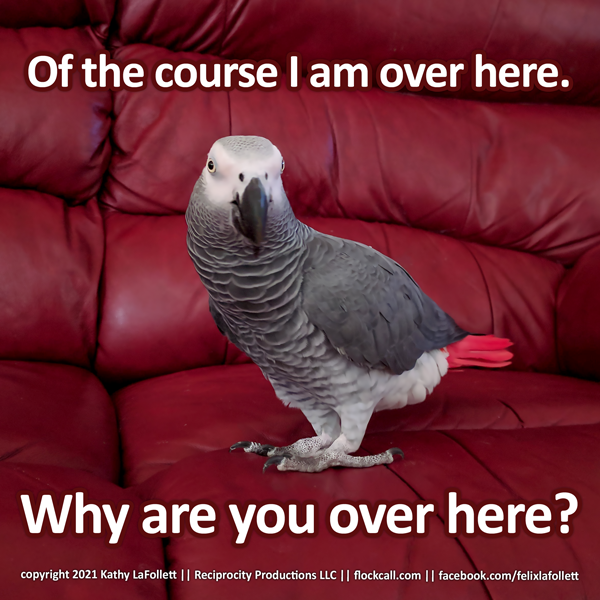
Credit: kathylafollett.medium.com
Frequently Asked Questions
Why Should I Cover My Bird Cage At Night?
Covering the bird cage at night helps your bird sleep better. It blocks out light and noise. This creates a calm, dark environment essential for their rest and health.
What Materials Are Best For Covering Bird Cages?
Use breathable fabrics like cotton or muslin. These allow airflow while blocking light. Avoid plastic covers, as they can trap heat and reduce ventilation, which harms your bird.
Can Covering A Bird Cage Reduce Stress?
Yes, covering the cage can reduce stress. It mimics natural night conditions and limits disturbances. Your bird feels safe, leading to less anxiety and better sleep quality.
How Long Should I Keep The Cage Covered?
Cover the cage for 10 to 12 hours at night. This matches your bird’s natural sleep cycle. Remove the cover in the morning to let light in and stimulate activity.
Conclusion
Covering your bird’s cage at night can help create a calm, safe space. It blocks light and noise, allowing better rest. Some birds feel secure under a cover. Others may not need it, depending on their habits. Watch your bird’s behavior to decide what works best.
A quiet, dark environment often leads to happier birds. Remember, comfort and routine matter most for your pet’s sleep. Try covering the cage and see how your bird responds. Good rest helps keep your bird healthy and active each day.




