
Are you wondering if a 70-300mm lens is the right choice for capturing stunning bird photos? Choosing the perfect lens can make all the difference between blurry shots and breathtaking images.
This lens is popular among many photographers, but is it really good enough for bird photography? You’ll discover how the 70-300mm lens performs in different birding scenarios, its strengths and limitations, and tips to get the best results. Keep reading to find out if this lens matches your bird photography goals and how you can make every shot count.
Benefits Of 70-300mm Lens
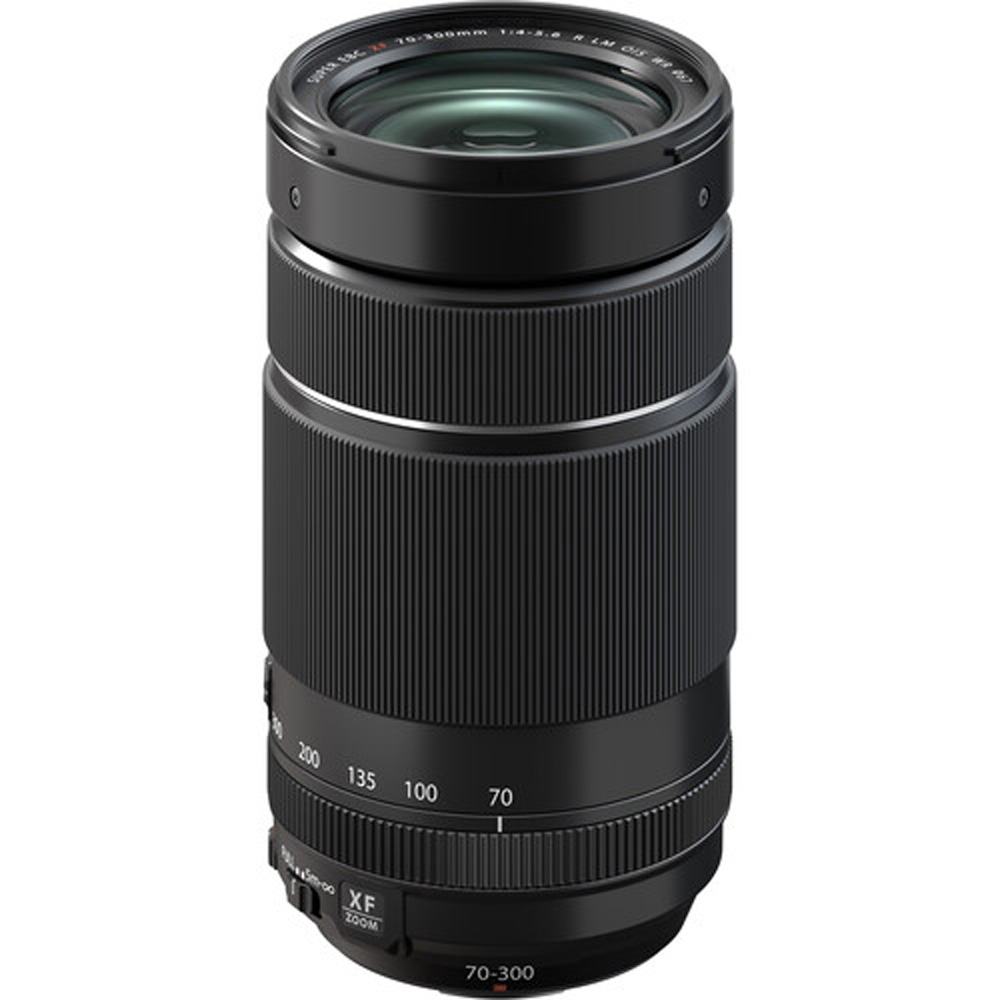
The 70-300mm lens offers many benefits for bird photography. It covers a wide range of focal lengths suitable for various bird sizes and distances. This lens balances zoom power and ease of use, making it a popular choice among bird watchers and photographers. The lens allows capturing sharp images without disturbing the birds. It fits well in different shooting conditions and budgets.
Versatility In Focal Length
The 70-300mm lens covers short to long distances effectively. You can shoot small birds nearby or larger ones far away. This range adapts to many bird species and environments. Switching focal lengths is quick, helping you catch fast-moving birds. It reduces the need to carry multiple lenses, simplifying your gear.
Portability And Weight
This lens is lighter and smaller than many telephoto lenses. It fits comfortably in camera bags without adding much weight. Easy to carry on hikes or long bird-watching trips. You can hold it steady for longer, improving image clarity. Its size makes it less tiring for extended use outdoors.
Affordability Compared To Prime Lenses
The 70-300mm lens costs less than many prime telephoto lenses. It offers good image quality without a big price tag. Great for beginners or hobbyists on a budget. You get a zoom range and decent sharpness without spending too much. It’s a practical choice for those new to bird photography.
Credit: www.livescience.com
Key Features For Bird Photography
Bird photography demands specific lens features for clear, sharp, and vibrant images. The lens must handle movement, lighting, and distance effectively. Key features help capture birds in flight or perched without blur or loss of detail.
Understanding these features helps decide if a 70-300mm lens fits your bird photography needs.
Image Stabilization
Image stabilization reduces blur caused by hand shake or movement. This feature is vital when shooting birds at long distances. It allows slower shutter speeds without losing sharpness. Stabilization helps capture crisp photos, especially in low light or when using a telephoto zoom.
Autofocus Speed And Accuracy
Birds move quickly and unpredictably. Fast autofocus locks onto the subject quickly, keeping it sharp. Accuracy ensures the focus stays on the bird, not the background. A lens with reliable autofocus improves your chances of capturing clear shots of flying or moving birds.
Aperture Range Impact
The aperture controls light entering the lens and depth of field. A wider aperture lets in more light, aiding in low-light conditions. It also creates a blurred background, making the bird stand out. The 70-300mm lens often has a variable aperture, which affects exposure and background blur at different zoom levels.
Performance In Different Birding Scenarios
Understanding how a 70-300mm lens performs in various birding scenarios helps you decide its value. Different situations demand different features. This lens offers flexibility but has limits. Its focal range suits many types of bird photography. Let’s explore how it handles close-ups, distant shots, and low light.
Close-up Shots
The 70-300mm lens allows decent close-up images of birds nearby. It provides good detail without disturbing the bird. The lens’s zoom helps fill the frame with the bird’s features. Autofocus is usually quick enough to capture still subjects. Some models have a macro mode for very close focus. This feature is useful for capturing feathers and textures.
Distant And Flight Photography
The lens’s zoom range excels for distant birds and flight shots. It helps capture birds high in trees or flying far away. Image stabilization aids in reducing blur during hand-held shots. Autofocus tracking varies between models but is often effective. Some fast-moving birds may challenge this lens’s autofocus speed. Still, it can deliver sharp images of many flying birds.
Low Light Conditions
Shooting birds at dawn or dusk is possible with this lens. Its maximum aperture varies, often f/4-5.6, which limits light intake. Using higher ISO settings can compensate for darker scenes. Image stabilization helps reduce blur from slower shutter speeds. Carrying a tripod improves stability in low light. Overall, it performs adequately but may struggle in very dim light.

Credit: www.reddit.com
Comparison With Other Telephoto Lenses
Choosing the right telephoto lens for bird photography can greatly impact your shots. The 70-300mm lens is popular, but how does it stack up against other telephoto options? Comparing it with alternatives helps you understand what fits your style and needs best.
Pros And Cons Against 100-400mm Lenses
The 70-300mm lens is lighter and more affordable, making it easier to carry on long birding trips. It offers a decent zoom range for many common bird species.
However, 100-400mm lenses provide extra reach, allowing you to capture birds from farther away without disturbing them. This is crucial for shy or small birds that keep their distance.
On the downside, 100-400mm lenses tend to be heavier and pricier, which might not suit beginners or casual bird watchers. You need to ask yourself: do you prioritize portability or maximum zoom?
Prime Vs Zoom For Birding
Prime lenses usually offer sharper images and wider apertures, which help in low light situations like dawn or dusk. They’re excellent if you can stay close to your subject or use a tripod.
Zoom lenses like the 70-300mm give you flexibility to adjust framing quickly without changing lenses. This can be a huge advantage when birds move unpredictably or you spot different species rapidly.
Consider your shooting style: do you prefer the sharpness and speed of a prime, or the versatility of a zoom? Your answer will guide your lens choice.
Brand Variations And Quality
Not all 70-300mm lenses are created equal. Brands like Canon, Nikon, and Tamron offer different versions with varying image stabilization and autofocus speeds.
Some third-party lenses provide great value but may compromise on sharpness or build quality. Reading reviews and testing lenses, if possible, can save you from costly mistakes.
Think about what features matter most to you—fast autofocus, weather sealing, or compact design—and check which brand fits those needs best.
Tips For Maximizing 70-300mm Lens Use
Getting the most out of your 70-300mm lens can transform your bird photography experience. This lens offers versatility, but fine-tuning your approach will boost sharpness, stability, and reach. Let’s dive into practical tips that help you capture crisp, detailed bird images even in challenging conditions.
Optimal Settings For Sharp Images
Choosing the right settings makes a huge difference in image clarity. Start with a fast shutter speed—around 1/1000s or faster—to freeze bird movement and reduce blur.
Use a narrower aperture, like f/8, to increase depth of field and keep more of the bird in focus. Avoid going too wide open, as sharpness can drop at the lens’s extremes.
Set your ISO just high enough to maintain shutter speed without introducing noise. Modern cameras handle higher ISO well, so don’t hesitate to boost it if needed.
Best Practices For Stability
Stability is key when shooting at long focal lengths. Handholding your 70-300mm lens can work if you brace yourself against a solid surface or use proper body posture.
Investing in a monopod or tripod helps immensely, especially during long observation sessions. If you use a tripod, add a gimbal head for smoother tracking of birds in flight.
Enable image stabilization (IS) on your lens to reduce shake, but turn it off when using a tripod to avoid counterproductive effects.
Using Teleconverters
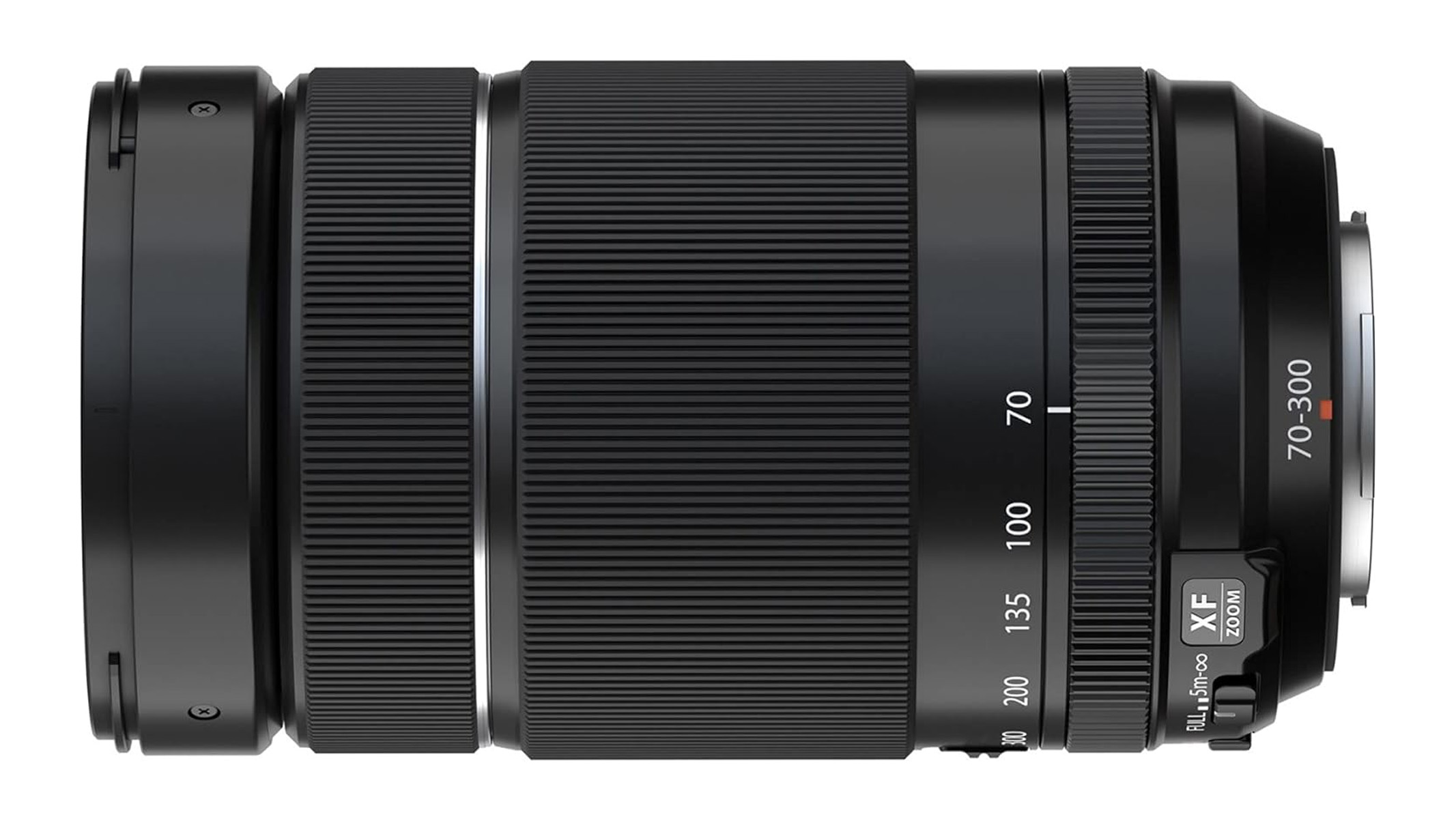
Teleconverters can increase your lens’s reach, making distant birds appear closer. A 1.4x teleconverter extends your 300mm to 420mm but may reduce image brightness and sharpness slightly.
Pairing your 70-300mm with a teleconverter requires good light and fast autofocus for best results. Test your setup to understand the trade-offs before heading out.
Remember, using a teleconverter narrows your maximum aperture, so you might need to raise ISO or slow shutter speed accordingly. Can you handle the balance between extra reach and image quality?
Credit: www.livescience.com
Common Limitations And How To Overcome Them
Using a 70-300mm lens for bird photography can present challenges. Understanding these limitations can help you capture stunning images. Let’s explore common issues and ways to overcome them.
Dealing With Lens Speed
The 70-300mm lens may have a slower aperture. This affects low-light performance. Consider shooting during bright daylight hours. Increase ISO settings to compensate in dim conditions. A tripod can stabilize the camera for longer exposures. Use burst mode to increase chances of sharp images.
Handling Focus Challenges
Birds move quickly, making focus difficult. Switch to continuous autofocus mode. This helps track moving subjects. Practice focusing on birds in flight. Anticipate movement and pre-focus on likely spots. A faster shutter speed can also freeze action.
Mitigating Image Quality Issues
At maximum zoom, image quality might drop. Avoid using the lens at its extreme end. Stop down the aperture slightly for sharper results. Post-processing can help enhance sharpness and detail. Cropping and noise reduction tools are useful. Regularly clean your lens to maintain clarity.
Frequently Asked Questions
Is A 70-300mm Lens Suitable For Bird Photography?
Yes, a 70-300mm lens is suitable for bird photography. It offers a good zoom range for capturing birds from a distance. The lens provides decent image quality and flexibility, making it ideal for beginners and hobbyists interested in birding.
Can A 70-300mm Lens Capture Distant Birds Clearly?
A 70-300mm lens can capture distant birds clearly if lighting is good. It offers enough reach for most bird photography situations. However, image sharpness may vary depending on lens quality and camera settings used.
What Are The Benefits Of Using A 70-300mm Lens For Birds?
The benefits include versatility, affordability, and portability. This lens covers a wide focal range, allowing close and distant shots. It is lightweight, making it easier to carry during birdwatching trips.
Does A 70-300mm Lens Work Well In Low Light?
A 70-300mm lens may struggle in low light due to smaller apertures. Using higher ISO or image stabilization helps improve performance. For better low-light results, consider lenses with wider apertures.
Conclusion
A 70-300mm lens offers good reach for bird photography. It helps capture birds from a distance without disturbing them. The zoom range suits many bird sizes and environments. Image quality is decent, especially in good light. It is also lighter and easier to carry than bigger lenses.
Beginners and hobbyists will find it practical and affordable. For sharper images, use a tripod or steady hands. Overall, this lens can be a reliable choice for bird lovers starting out. Worth considering before buying more expensive gear.




