
Do you want to fill your garden with the vibrant colors and cheerful songs of exotic birds? Attracting these beautiful creatures isn’t as hard as you might think.
With the right tips and a little effort, your outdoor space can become a haven for rare and stunning birds. Imagine watching them up close, enjoying their unique behaviors, and adding a touch of nature’s magic to your daily life.
Keep reading, and you’ll discover simple steps to bring exotic birds right to your doorstep.
Choose The Right Location
Choosing the right location is key to attracting exotic birds. Birds prefer places that offer safety, food, and water. The environment must feel natural and welcoming. This increases the chances of birds visiting and staying longer.
Identify Bird-friendly Habitats
Find areas where birds naturally live or visit. Look for places with plenty of trees, shrubs, and flowers. These spots provide shelter and food. Wetlands, woodlands, and gardens are great examples. Avoid noisy or crowded areas that scare birds away.
Create Diverse Ecosystems
Diverse ecosystems attract more types of birds. Plant different kinds of native trees, bushes, and flowers. Include plants that bloom in different seasons. This provides food throughout the year. Add water features like small ponds or birdbaths. These elements invite birds to explore and stay.
Credit: pethero.co.za
Select Appealing Food Sources
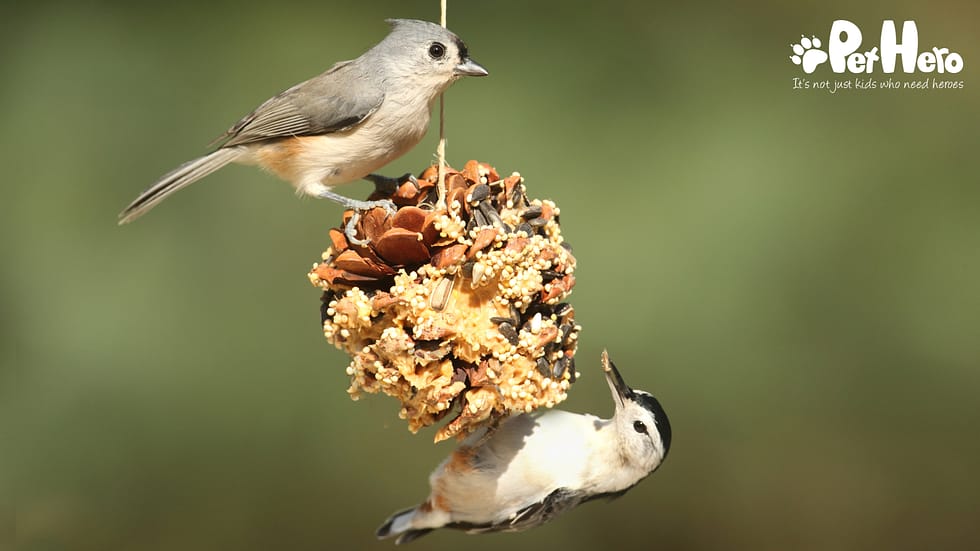
Choosing the right food sources is key to attracting exotic birds. Birds prefer natural and familiar foods. Providing appealing food keeps them coming back to your garden or feeder. It is important to select food that matches the diet of the local exotic species. Fresh, native options work best. Variety also helps attract different birds.
Use Native Fruits And Seeds
Native fruits and seeds are a favorite for many exotic birds. These foods are part of their natural diet. You can plant native fruit trees or shrubs in your yard. Examples include berries, figs, and mulberries. Offering fresh seeds like sunflower, safflower, and millet attracts seed-eating birds. Place fruits and seeds in shallow dishes or on platforms. Change the food regularly to keep it fresh and inviting.
Incorporate Nectar Feeders
Nectar feeders attract hummingbirds and other nectar-loving birds. Use feeders designed to hold sugar water safely. Make nectar by mixing four parts water with one part white sugar. Avoid honey or artificial sweeteners. Clean feeders often to prevent mold and bacteria. Position feeders in shaded areas to keep nectar fresh longer. Bright colors like red help catch birds’ attention.
Provide Water Features
Water is essential for birds. It helps them drink, clean their feathers, and cool down. Providing water features attracts many exotic birds to your garden. These features can also create a peaceful space for birdwatching.
Install Birdbaths
Birdbaths offer a simple and effective water source. Choose shallow bowls or basins, about 1 to 2 inches deep. Place them in a quiet spot with some shade. Clean the birdbath regularly to keep the water fresh.
Use materials like stone or ceramic to keep water cool. Adding small stones or pebbles inside helps birds stand safely. Moving water, like from a dripper, attracts more birds.
Add Small Ponds Or Fountains
Small ponds create a natural habitat for exotic birds. Include plants around the edges for shelter and food. Ponds also attract insects, which some birds eat.
Fountains add sound and motion. The gentle splashing water draws birds’ attention. Choose a fountain with adjustable flow to keep water moving softly. Keep the pond or fountain clean to prevent mosquitoes.

Credit: lawnlove.com
Create Shelter And Nesting Spots
Creating shelter and nesting spots is vital for attracting exotic birds to your garden. Birds need safe places to rest, hide from predators, and raise their young. Providing the right environment encourages them to visit and stay longer.
Good shelter mimics natural habitats. It offers protection from weather and danger. Nesting spots invite birds to build homes and lay eggs. Both elements increase your chances of seeing a variety of exotic species.
Plant Native Trees And Shrubs
Native trees and shrubs offer food and shelter suited to local birds. They provide branches, leaves, and berries essential for survival. Plant a mix of tall trees and dense bushes to create layers of protection.
- Choose species that produce fruits or seeds.
- Select plants with thick foliage for hiding spots.
- Include flowering plants to attract insects for bird food.
These plants create a natural environment where birds feel safe. They also support insects that exotic birds feed on. Native vegetation helps maintain a balanced ecosystem in your garden.
Set Up Birdhouses
Birdhouses offer secure places for nesting. Different birds prefer different sizes and shapes. Provide various birdhouse types to attract diverse exotic species.
- Use untreated wood for safe, natural materials.
- Place houses at different heights to meet species needs.
- Keep birdhouses clean and in shaded areas.
Birdhouses protect birds from harsh weather and predators. They also encourage breeding and raise your chances of spotting exotic chicks. Regular maintenance keeps these shelters inviting and safe.
Use Vibrant Colors And Sounds
Bright colors like red, yellow, and blue catch exotic birds’ attention quickly. Playing soft bird calls or nature sounds can invite them closer to your space.
Attracting exotic birds to your garden or backyard can be a delightful experience. One effective strategy is to use vibrant colors and sounds. Birds are naturally drawn to bright colors and distinct sounds, similar to those found in their natural habitats. By cleverly integrating these elements, you can create an inviting atmosphere for these feathered visitors.Place Colorful Decoys
Colorful decoys can serve as an enticing invitation for exotic birds. Consider using bird feeders and birdhouses painted in vivid hues such as red, blue, or yellow. These colors can catch the attention of birds passing by, making them curious enough to explore your garden. A personal anecdote: I once placed a bright red feeder in my backyard, and within days, a variety of birds, including a stunning cardinal, started visiting regularly. This simple addition turned my backyard into a lively hotspot for bird watching. Experiment with different placements to see where the decoys attract the most birds. Notice how the colors blend with the surrounding environment. Are there areas where the decoys seem to disappear? Adjusting their location could increase their visibility and effectiveness.Play Bird Calls
Playing bird calls is another excellent way to attract exotic species. You can use a smartphone app or a small speaker to emit these sounds. Birds are often intrigued by the calls of their kind and may approach out of curiosity. Consider a time when you heard a familiar sound and it drew your attention. Birds react similarly. By playing specific bird calls at different times of the day, you can experiment to see which ones resonate with your local bird population. Ensure the volume is set to a natural level—too loud might scare them away, while too soft might go unnoticed. Pay attention to how the birds respond. Do they linger longer when a particular call is played? Observing their behavior can guide you in perfecting your bird-attracting strategy.Maintain A Safe Environment
Creating a safe environment is essential to attract exotic birds to your garden or backyard. Birds are naturally cautious and will avoid areas where they feel threatened or unsafe. By focusing on safety, you encourage these colorful visitors to stay longer and even return regularly.
Limit Predator Access
Predators like cats, snakes, and larger birds can scare away exotic birds quickly. To keep your feathered friends safe, consider installing mesh or netting around feeding and nesting areas. This physical barrier helps reduce the risk of surprise attacks.
Another effective way to limit predator access is to place bird feeders and houses high up on poles or hanging from sturdy branches. Avoid placing them near dense shrubs where predators can hide. Have you checked your garden lately for spots where predators might sneak in unnoticed?
Avoid Harmful Chemicals
Many common garden chemicals can harm birds directly or reduce the insects they feed on. Pesticides and herbicides may poison birds or disrupt their food supply. Instead, use natural pest control methods like introducing ladybugs or planting pest-repelling herbs.
Also, be cautious with fertilizers and weed killers. Organic options are safer for the environment and the birds. What alternatives could you try to keep your garden chemical-free while still thriving?
Monitor And Adapt Strategies
Watch how birds respond to your setup and change feeders or food as needed. Adjust plants and water sources to fit their habits and seasons. Staying flexible helps keep exotic birds coming back regularly.
Attracting exotic birds to your garden requires patience and flexibility. Birds have diverse needs and preferences. Monitoring their behavior and adapting your strategies can help. This approach ensures you meet their specific requirements effectively.Observe Bird Behavior
Watch how birds interact in your garden. Notice which areas they visit most. Pay attention to their feeding patterns. Identify the types of birds that frequent your space. This helps tailor your efforts to their preferences. Changes in seasons can affect bird behavior. Be ready to adapt as needed.Adjust Feeding And Habitat Features
Provide diverse food options to attract different species. Use feeders that accommodate various bird sizes. Introduce native plants to your garden. These provide natural food sources and shelter. Ensure water sources are clean and accessible. Adjust these features based on bird activity. Remove elements that do not attract birds. Replace them with more appealing alternatives. Regularly update your garden to maintain interest.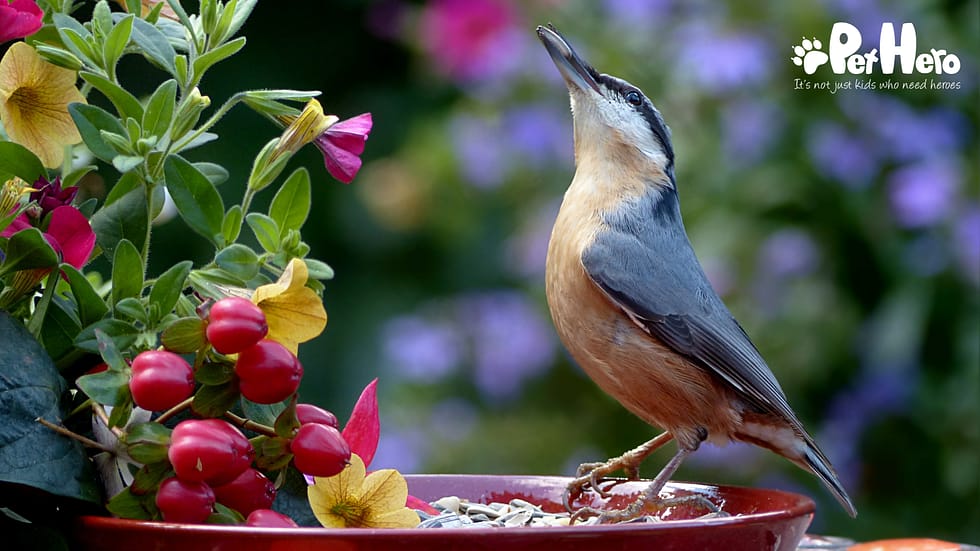
Credit: pethero.co.za
Frequently Asked Questions
How Do I Attract Exotic Birds To My Garden?
Plant native fruiting trees and flowering shrubs that provide food and shelter. Use bird feeders with seeds and nectar. Keep water sources clean and fresh. Avoid pesticides to protect birds and insects they eat. Creating a safe, natural habitat encourages exotic birds to visit.
What Types Of Food Attract Exotic Birds?
Offer a variety of seeds, fruits, nectar, and insects. Sunflower seeds, mealworms, and fresh fruit work well. Different species prefer different foods. Research local exotic birds to tailor your feeders. Providing diverse food options increases your chances of attracting many species.
Which Plants Are Best For Attracting Exotic Birds?
Choose native plants that produce berries, nectar, or seeds. Examples include hibiscus, eucalyptus, and flowering vines. These plants offer natural food and shelter. They also support insects that birds eat. Planting a mix of trees, shrubs, and flowers creates a welcoming environment.
How Important Is Water For Attracting Exotic Birds?
Water is vital for drinking and bathing. A clean birdbath or small pond attracts more birds. Change water regularly to prevent mosquitoes. Moving water, like a fountain, is especially attractive. Providing water enhances bird health and encourages frequent visits.
Conclusion
Attracting exotic birds takes patience and care. Provide fresh food and clean water daily. Create safe, quiet spaces for them to rest. Plant native trees and colorful flowers nearby. Enjoy watching their unique colors and songs. Small efforts bring beautiful birds close to you.
Keep learning about their needs and habits. Your garden can become a peaceful bird haven. Nature’s wonders are worth the time and love.




