
Have you ever wanted to capture the beauty of birds in their natural habitat? Taking photos while birding can turn a simple walk into an exciting adventure.
But how do you get started? How can you make sure your pictures come out clear and full of life? This guide will help you discover the secrets to going birding with a camera, even if you’re a complete beginner.
By the end, you’ll know exactly how to spot, approach, and snap amazing bird photos that you’ll be proud to share. Ready to see birds like never before? Let’s dive in.
Choosing The Right Camera Gear
Choosing the right camera gear can make all the difference in your birding experience. The right tools help you capture sharp, vibrant images without missing those fleeting moments. Let’s break down what gear will give you the best edge in the field.
Best Cameras For Bird Photography
Look for cameras with fast autofocus and high frame rates. Mirrorless models like the Sony A7 IV or Canon R7 offer excellent speed and image quality. DSLR options such as the Nikon D500 still deliver strong performance, especially in tricky lighting.
Consider sensor size too. APS-C sensors provide good reach with telephoto lenses, while full-frame sensors excel in low light. Ask yourself: do you prefer lighter gear or the best image quality? Your choice will shape your shooting style.
Essential Lenses For Crisp Shots
Telephoto lenses are a must—something in the 300mm to 600mm range lets you get close without disturbing birds. Prime lenses like a 400mm f/5.6 are sharp and often lighter than zooms. But zoom lenses offer flexibility if you want to capture different subjects quickly.
Don’t overlook image stabilization. It helps reduce blur caused by hand shake, especially at long focal lengths. If you’re on a budget, a 100-400mm zoom with stabilization is a versatile option to start with.
Tripods And Stabilizers
Steady shots matter. A sturdy tripod supports heavy lenses and keeps your frame steady during long waits. Look for tripods that are lightweight yet strong—carbon fiber models fit the bill.
Monopods offer mobility and quick setup, great if you move between spots often. For handheld shooting, consider gimbals or stabilizers to reduce fatigue and camera shake. Have you tried using a bean bag? It’s a simple, portable way to stabilize your camera on uneven surfaces.
Mastering Camera Settings
Mastering your camera settings is key to capturing sharp and vibrant bird photos. Birds move fast and light changes often. Adjusting your camera settings properly helps freeze motion and keep images clear. It also ensures colors and details stand out well in different lighting conditions. Understanding shutter speed, aperture, ISO, and autofocus lets you take great shots with ease.
Optimal Shutter Speed And Aperture
Shutter speed controls how long your camera sensor is exposed to light. Fast shutter speeds freeze bird movement. Aim for at least 1/1000th of a second for flying birds. Slower speeds can cause blur.
Aperture affects depth of field and light intake. Use a wide aperture (small f-number) to blur backgrounds. This makes the bird stand out. Around f/5.6 is a good starting point. Adjust depending on light and distance.
Iso Settings For Different Light
ISO controls the sensor’s sensitivity to light. Low ISO (100-400) works well in bright light. It keeps noise low and images clear. Increase ISO in low light to keep shutter speed fast. But high ISO may add grain or noise. Balance ISO to keep details clear.
Using Autofocus Effectively
Autofocus helps keep your subject sharp. Use continuous autofocus (AI Servo or AF-C) for moving birds. It tracks motion and adjusts focus constantly. Select a single focus point or a small group. Avoid wide-area autofocus to prevent focusing on background.
Practice pre-focusing on a spot where birds often land. This reduces focus lag. Combine autofocus with steady hands or a tripod for best results.
Planning Your Birding Trip
Planning your birding trip carefully can make all the difference between a frustrating day and an unforgettable experience. You want to be in the right place, at the right time, with all the gear you need. This ensures you capture those incredible moments on camera without missing a beat.
Researching Bird Habitats
Start by identifying where the birds you want to photograph are most likely to be found. Different species prefer different environments—wetlands, forests, or open fields.
Use local birdwatching guides or online databases to pinpoint these spots. I once chose a wetland area after reading reports of rare herons nesting there, and it paid off with stunning close-up shots.
Checking recent bird sightings can help you avoid empty locations. Do you know where your target birds like to feed or rest during the day?
Timing For Peak Activity
Birds are most active during early morning and late afternoon. Planning your trip around these times increases your chances of capturing dynamic behavior like feeding, flying, or singing.
Consider the season, too. Some birds migrate, while others breed at specific times. For example, spring is perfect for photographing colorful songbirds, while fall attracts many migratory species.
Think about how weather affects bird activity. Overcast days often bring birds closer to cover, making them easier to approach but reducing natural light for photos.
Packing Essentials
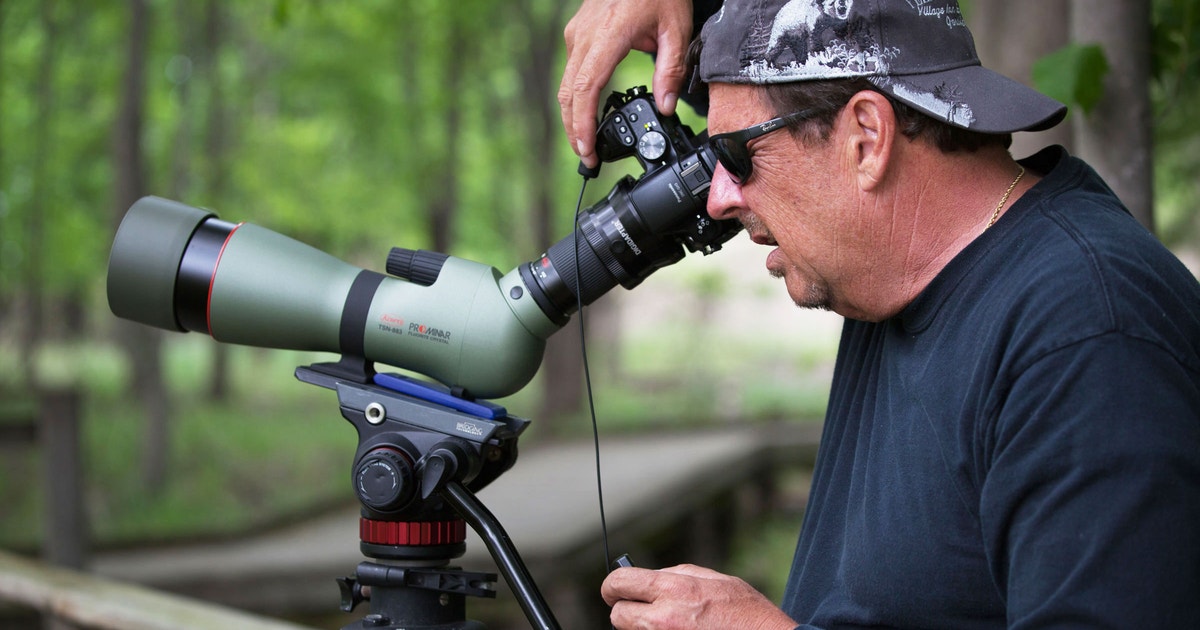
Bring gear that supports long hours outdoors and quick reactions. A camera with a telephoto lens is a must for distant or shy birds.
Don’t forget extra batteries, memory cards, and a tripod or monopod to stabilize your shots. A comfortable backpack with compartments helps keep everything organized.
- Binoculars for spotting birds before you shoot
- Weather-appropriate clothing to stay comfortable
- A field guide or app to help identify species on the spot
Have you ever missed a shot because your battery died or the lens was dirty? Preparing well stops these problems before they start.
Credit: www.audubon.org
Techniques For Capturing Birds
Capturing birds with your camera requires more than just having the right gear. It demands patience, understanding, and a set of techniques that help you get clear, captivating shots without disturbing your feathered subjects. Mastering these techniques will improve your photos and deepen your connection with nature.
Approaching Birds Without Disturbing Them
Birds are naturally cautious, so how close you get matters a lot. Move slowly and avoid sudden movements to prevent scaring them away. Wear muted colors that blend with the surroundings to remain less noticeable.
Use natural cover like bushes or trees to hide your approach. You can also try crouching down or lying on the ground to appear less threatening. Have you ever noticed how silence can sometimes be your best tool? Try holding your breath as you get closer, and you might just get that perfect shot.
Composing Dynamic Shots
Good composition turns a simple bird photo into a story. Use the rule of thirds to place the bird off-center, making your image more engaging. Leave space in the direction the bird is looking or moving to add a sense of motion or anticipation.
Pay attention to the background and avoid clutter that distracts from your subject. Experiment with different angles—shoot from below for a majestic look or from above for a unique perspective. What happens if you zoom in tight on the bird’s eye? That detail often creates powerful connections with viewers.
Capturing Birds In Flight
Photographing birds in flight tests your timing and camera settings. Use a fast shutter speed, usually 1/1000 second or faster, to freeze their motion. Continuous autofocus mode helps track their movement smoothly.
Practice panning your camera to follow the bird’s flight path; this keeps the bird sharp while blurring the background for a dynamic effect. Anticipate where the bird will go next instead of reacting after it’s too late. Can you sense the rhythm of their wingbeats? Tuning into their movement can improve your shot timing dramatically.
Post-processing Tips
Post-processing is where your bird photos really come to life. It’s the chance to sharpen the details, correct colors, and fine-tune your shots to match what you saw through the lens. Knowing how to edit without losing the natural beauty of the bird can make a huge difference in your final image.
Basic Editing For Clarity And Color
Start by adjusting the exposure and contrast to bring out the bird’s features clearly. Sometimes, the lighting isn’t perfect in the field, so brightening shadows or toning down highlights helps balance the image.
Don’t forget color correction. Birds often have vibrant feathers, and tweaking the saturation and white balance can restore their true colors. But be careful not to go too far—oversaturated colors look fake and distract from the subject.
Cropping And Framing
Zoom in on your subject by cropping the image to remove distractions around the edges. A tighter frame draws attention directly to the bird and its behavior.
Think about the composition rules you used while shooting. Does the bird sit nicely on the rule of thirds? If not, cropping can help reposition it for a more balanced photo.
Enhancing Details Without Overdoing
Sharpen the bird’s eyes and feathers to make them pop, but avoid turning the image grainy or unnatural. A subtle touch is all you need to highlight textures and fine details.
Use tools like clarity or structure sliders gently. Too much can create halos or unnatural outlines that ruin the photo’s realism. Ask yourself if the enhancement makes the image feel more alive or just more edited.

Credit: cabinradio.ca
Ethical Birding And Photography
Explore nature with respect by combining birding and photography. Capture moments quietly, ensuring minimal disturbance to wildlife. Stay patient and keep a safe distance to protect birds’ natural habitats while enjoying the beauty of your surroundings.
Ethical Birding and Photography When you’re out in nature with your camera, capturing the beauty of birds, it’s crucial to prioritize ethical practices. Ethical birding and photography are about respecting the creatures you admire and the environment they inhabit. It’s about ensuring that your passion for birding contributes positively to conservation efforts and doesn’t harm the very subjects you’re passionate about.Respecting Wildlife And Environment
Respect is the cornerstone of ethical birding. Always maintain a safe distance from birds to avoid causing stress or interrupting their natural behavior. Use a telephoto lens to capture detailed images without encroaching on their space. Consider the habitat you’re visiting. Stick to marked paths and avoid trampling on vegetation, which can be home to delicate ecosystems. By respecting the environment, you ensure that it remains a thriving habitat for birds and other wildlife.Avoiding Disturbance
Birds are sensitive to disturbances, and even small changes can impact their behavior. Refrain from using playback calls to attract birds, as this can confuse and stress them. Instead, learn to observe and appreciate them in their natural state. Noise pollution can also disturb birds. Keep your voice low and minimize any sudden movements. Your goal should be to leave no trace of your visit, allowing birds to continue their lives undisturbed.Supporting Conservation Efforts
Being an ethical birder means contributing to conservation efforts. Consider donating to or volunteering with organizations that work to protect bird habitats. Your involvement can make a significant difference in conservation initiatives. Additionally, share your birding experiences responsibly. Use your photographs and stories to educate others about the importance of protecting bird species and their environments. By raising awareness, you can inspire others to follow ethical birding practices. Have you ever considered the impact of your birding activities on the environment and the birds themselves? How can you adjust your practices to be more ethical and supportive of conservation? Engaging with these questions can lead to more mindful and rewarding birding experiences.
Credit: store.sirui.com
Frequently Asked Questions
What Camera Is Best For Birding Photography?
A DSLR or mirrorless camera with a telephoto lens is ideal for birding. Look for fast autofocus and high resolution to capture sharp, detailed images from a distance.
How Do I Find Birds To Photograph?
Visit local parks, nature reserves, or wetlands early in the morning. Use apps or bird guides to identify hotspots and learn bird behaviors for better shots.
What Settings Should I Use For Bird Photography?
Use a fast shutter speed (1/1000 sec or faster) to freeze motion. Set a wide aperture for background blur and adjust ISO for proper exposure.
How Can I Approach Birds Without Scaring Them?
Move slowly and quietly, wear neutral colors, and avoid sudden movements. Use a telephoto lens to maintain distance while capturing close-up images.
Conclusion
Birding with a camera brings joy and patience together. Find quiet spots where birds like to gather. Use your camera to capture their unique moments. Watch carefully and wait for the right shot. Practice often to improve your skills and timing.
Enjoy the calm and beauty of nature around you. Every photo tells a small story of the wild. Keep learning and exploring new places to bird. Your photos will show the wonder of birds clearly. Happy birding and happy shooting!




