
Have you ever wished you could see everything around your car at once? Imagine parking with ease, avoiding blind spots, and feeling more confident behind the wheel.
That’s exactly what a car bird’s eye view camera can do for you. But how does this smart system actually work to give you a complete view from above? Keep reading, and you’ll discover the simple technology behind this amazing feature—and how it can make your driving safer and stress-free.
Basics Of Bird’s Eye View Camera
Understanding the basics of a bird’s eye view camera helps you appreciate how this technology changes the way you navigate tight spaces. This camera system gives you a top-down perspective of your car and its surroundings. It simplifies parking and prevents accidents by showing areas that are usually hard to see.
Purpose And Benefits
The main purpose of a bird’s eye view camera is to provide a complete view around your vehicle. This helps eliminate blind spots and makes parking easier.
- Improved safety:You can spot pedestrians, obstacles, or other vehicles that might not be visible through mirrors.
- Parking made simple:Maneuvering into tight parking spots becomes less stressful and more precise.
- Enhanced awareness:You get a clear view of curbs, walls, or objects that could damage your car.
Have you ever struggled with parallel parking or felt unsure about how close you are to a curb? This system directly addresses those everyday challenges.
Key Components
The bird’s eye view camera system uses multiple parts working together to create that all-around image.
- Cameras:Usually four wide-angle cameras are placed around your vehicle—front, rear, and under each side mirror.
- Image processing unit:This central unit collects the video feeds and stitches them into one seamless overhead view.
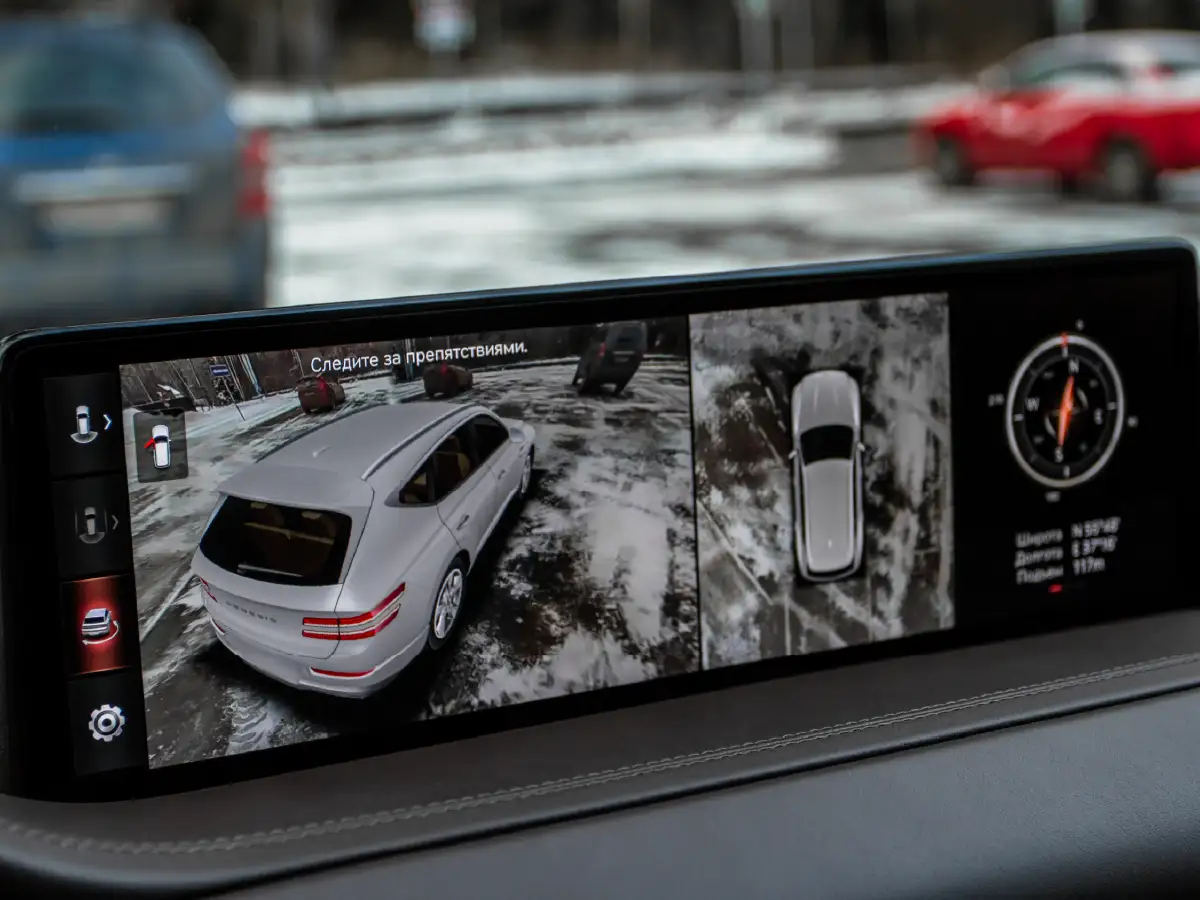
- Display screen:The combined image is shown on your car’s dashboard screen, allowing you to see a 360-degree perspective.
Each component plays a crucial role in giving you a complete and clear picture. Imagine how confusing it would be if the cameras didn’t sync or the screen showed delayed images. The system’s precision depends on these parts working perfectly together.

Credit: www.rearviewsafety.com
How The Camera System Captures Images
The car bird’s eye view camera system captures images by combining multiple camera feeds. It creates a full 360-degree view around the vehicle. This helps drivers see blind spots and nearby obstacles. The system uses cameras placed at key points on the car. These cameras work together to provide a seamless image.
Placement Of Cameras On Vehicle
Cameras are positioned to cover all sides of the car. Typical locations include:
- Front grille or bumper
- Rear tailgate or bumper
- Side mirrors or fenders
This placement ensures the cameras capture a wide field of view. Each camera captures images from a different angle. The images overlap slightly to avoid blind spots. The car’s computer then stitches these images together.
Types Of Cameras Used
Bird’s eye view systems use specialized cameras for clear images. Common types include:
- Wide-angle cameras for broad coverage
- Fish-eye lenses to capture distorted but wide views
- High-resolution cameras for sharp details
These cameras are designed to work in various lighting conditions. They often include night vision or infrared features. This helps capture clear images even in the dark or bad weather.
Image Processing Techniques
Car bird’s eye view cameras rely heavily on advanced image processing techniques. These techniques convert raw camera feeds into a clear, unified view. The main goal is to offer drivers a seamless, 360-degree perspective around the vehicle. This process involves several key steps, including stitching images and creating a complete surround view.
Stitching Multiple Views
The system captures images from several cameras placed around the car. Each camera shows a different angle. Image stitching aligns and merges these views into one picture. This step removes overlaps and adjusts edges to avoid visible seams. It uses algorithms to match features and colors across images. The result is a smooth, continuous view without gaps or distortions.
Creating A 360-degree Perspective
After stitching, the system transforms the flat image into a bird’s eye view. It corrects the perspective to simulate looking from above. This involves warping images to match the car’s surroundings accurately. The software combines the corrected images to form a full circle around the vehicle. This 360-degree view helps drivers see obstacles on all sides. It improves parking and low-speed maneuvering safety.
Technology Behind Real-time Display
The real-time display of a car’s bird’s eye view camera is a result of advanced technology working seamlessly behind the scenes. This system stitches multiple camera feeds into a single, clear image that surrounds your vehicle, giving you a unique perspective that is both accurate and responsive. Understanding this technology helps you appreciate how it enhances your driving safety and convenience.
Software Algorithms
At the heart of the bird’s eye view system are sophisticated software algorithms. These algorithms take video input from cameras placed around your car—usually at the front, rear, and sides—and merge them into one cohesive image.
Imagine the challenge: each camera captures a different angle with varying light and distortion. The software corrects lens distortion, aligns the images, and blends edges to create a smooth, seamless bird’s eye perspective.
These algorithms also update the image in real-time as you move, adjusting for changes in your vehicle’s position and surroundings. This means you get an instant, clear view without lag, which is critical when parking or navigating tight spaces.
Integration With Vehicle Systems
The bird’s eye view camera doesn’t work in isolation—it’s deeply integrated with your car’s other systems. It communicates with sensors like parking radar and steering angle sensors to enhance the accuracy of the displayed image.
For example, when you turn the steering wheel, the system adjusts the camera’s perspective to show the intended path of the vehicle. This helps you understand exactly where your car will go, avoiding obstacles you might not see otherwise.
Moreover, the display is often linked with your car’s infotainment system, letting you view the camera feed on the main screen. Some cars even allow you to switch views or zoom in for better detail.
Have you noticed how much easier it becomes to park in tight spots once you start using this feature? That’s the technology working to give you control and confidence every time you get behind the wheel.
Advantages For Drivers
The car bird’s eye view camera offers many benefits for drivers. It gives a clear, complete image of the area around the vehicle. This helps drivers make better decisions and reduces stress in tight spots. The system improves both convenience and safety on the road.
Enhanced Parking Assistance
This camera system shows a 360-degree view of the car’s surroundings. Drivers can see obstacles on all sides in real time. It helps in parallel parking and tight spaces by providing precise visual guidance. The risk of hitting curbs, poles, or other cars decreases. Parking becomes faster and more accurate, saving time and effort.
Improved Safety And Awareness
The bird’s eye view camera increases driver awareness of nearby objects. It detects pedestrians, cyclists, and other vehicles in blind spots. This reduces the chance of accidents during lane changes and turns. The system also assists in reversing by showing hidden hazards behind the car. Drivers gain more confidence and control in complex traffic situations.
Credit: www.cars24.com
Limitations And Challenges
Limited camera angles can cause blind spots in the bird’s eye view system. Poor weather and dirt may reduce image clarity, affecting accuracy. Calibration errors can also lead to distorted views, making navigation tricky.
The bird’s eye view camera system in cars is a marvel of modern technology, offering drivers a comprehensive overhead view of their vehicle’s surroundings. Yet, despite its advanced capabilities, it comes with its own set of limitations and challenges. Understanding these can help you make better use of the system and manage your expectations.Environmental Factors
Weather conditions can significantly impact the performance of a bird’s eye view camera. Rain, fog, or snow can obscure the camera lenses, reducing visibility and image clarity. This is similar to how your car’s windshield wipers struggle to keep the glass clear in a downpour. Lighting is another crucial factor. At night or in poorly lit areas, the cameras might not capture as much detail as during the day. Even with night vision capabilities, the image might not be as reliable as you would hope.Technical Constraints
The resolution of the cameras can limit the detail captured. While higher resolution cameras are available, they are often more expensive and might not be fitted in all vehicles. This can result in grainy images that might not provide the detail needed for precise maneuvers. Calibration issues can also arise. If the cameras are not perfectly aligned, the stitched-together image can be distorted, leading to inaccuracies in the perceived surroundings. This is something to be mindful of, especially after a collision or if the camera system has been serviced. The system’s reliance on software means that bugs or glitches can occasionally occur. Regular software updates are essential to maintain optimal performance, but they might not always address all issues immediately. Have you ever experienced these challenges with your car’s bird’s eye view camera? Understanding them can help you better anticipate and mitigate these potential hurdles.Future Trends In Bird’s Eye View Systems
Future trends in bird’s eye view systems promise exciting developments. These systems enhance driving safety and convenience. They provide drivers with a comprehensive view of their surroundings. As technology progresses, these systems become more sophisticated and user-friendly.
Advancements In Camera Technology
Camera technology continually evolves, improving bird’s eye view systems. Newer cameras offer higher resolution and better image quality. This ensures clearer views of the vehicle’s surroundings. With improved sensors, cameras can function well in low light. This makes night driving safer for everyone. Cameras now adapt to varying weather conditions too. They provide reliable images during rain or fog.
Integration With Autonomous Driving
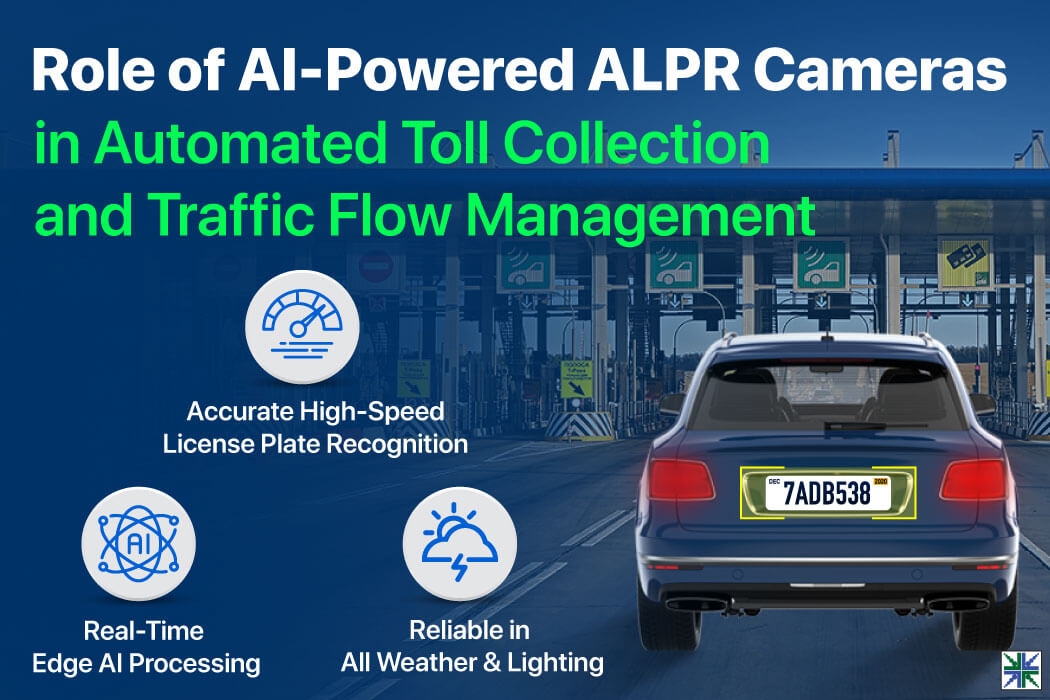
Bird’s eye view systems integrate seamlessly with autonomous driving technologies. They offer a complete view, aiding self-driving vehicles in navigation. This integration enhances the vehicle’s ability to detect obstacles. It helps in making precise driving decisions. As self-driving cars become more common, these systems will play a vital role. They will ensure vehicles operate safely and efficiently.
Credit: www.e-consystems.com
Frequently Asked Questions
How Does A Car Bird’s Eye View Camera Work?
A bird’s eye view camera uses multiple cameras around the car. It stitches images to create a top-down view. This helps drivers see surroundings easily. The system enhances safety during parking and low-speed maneuvers.
What Are The Benefits Of Bird’s Eye View Cameras?
Bird’s eye view cameras improve parking accuracy and reduce blind spots. They help prevent collisions with obstacles and pedestrians. The system increases driver confidence and safety. It is especially useful in tight spaces.
Can Bird’s Eye View Cameras Work In Low Light?
Yes, many bird’s eye view cameras have night vision or infrared features. These enhance visibility in low light or darkness. They provide clear images to maintain safety anytime. However, quality varies by camera model.
Is Bird’s Eye View Camera Installation Expensive?
Installation costs vary based on vehicle and camera system type. Factory-installed systems cost more but ensure integration. Aftermarket kits are cheaper but might need professional installation. Overall, costs are reasonable compared to safety benefits.
Conclusion
Car bird’s eye view cameras help drivers see all around their vehicle. They use multiple cameras to create a single, clear image. This view makes parking and tight turns safer and easier. Drivers can avoid obstacles that are hard to spot.
This technology improves road safety and driver confidence. It’s a smart tool for everyday driving. Understanding how it works helps you appreciate its benefits. A clearer view means fewer accidents and less stress. Simple, effective, and helpful for all drivers.




