
Have you ever looked down and noticed a fresh bird poop stain on your favorite shirt or pants? It’s frustrating, right?
You might even wonder if that white spot acts like bleach, fading or ruining your clothes. You’re not alone in asking, “Does bird poop bleach clothes? ” Understanding what really happens can save you from panic and help you protect your wardrobe.
Keep reading to find out the surprising truth behind bird droppings and your clothes—and learn the best way to handle those unexpected stains.

Credit: www.yahoo.com
Why Bird Poop Affects Clothes
Bird poop doesn’t just look messy on your clothes—it can actually cause lasting damage. Understanding why bird droppings affect fabrics helps you tackle stains more effectively and protect your favorite garments. Let’s break down what’s inside bird poop and how it interacts with your clothes.
Components Of Bird Droppings
Bird droppings are a mix of solid and liquid waste. They contain uric acid, which is a key culprit behind fabric damage. Unlike human urine, bird droppings are high in this acid, making them more corrosive.
Besides uric acid, droppings include digestive enzymes and bacteria. These components can weaken fabric fibers over time. If you’ve ever noticed a stain that seemed to eat into your shirt, this is why.
- Uric acid:Corrosive and can bleach colors.
- Enzymes:Break down organic material, affecting fabric texture.
- Bacteria:May cause unpleasant odors and further fabric degradation.
Chemical Reactions With Fabric
When bird poop lands on your clothes, the uric acid starts reacting with the fabric’s fibers immediately. This reaction can cause discoloration, often leaving white or faded spots.
The acid breaks down dyes and weakens threads, especially in delicate materials like cotton or silk. If not cleaned quickly, the stain may become permanent, making your clothes look old and worn out.
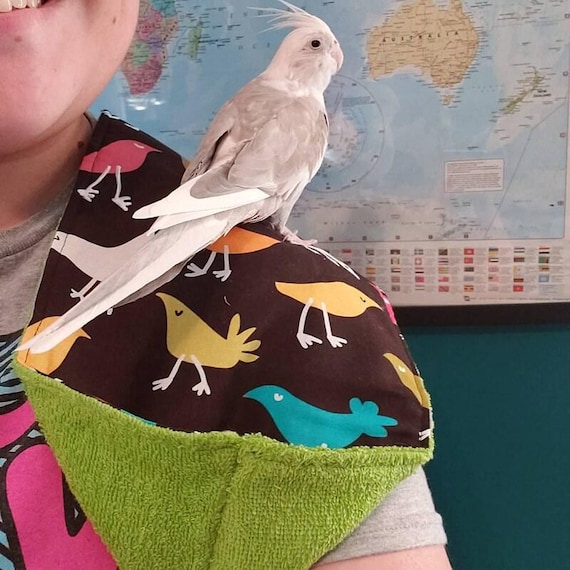
Have you ever noticed how some stains resist washing no matter how hard you try? That’s because the chemical reaction has already set in, altering the fabric at a molecular level. Acting fast can save your clothes from lasting damage.
Credit: www.etsy.com
Does Bird Poop Actually Bleach Clothes?
Have you ever noticed a mysterious white spot on your clothes after a bird’s visit? Many people wonder if bird poop can actually bleach fabric like a chemical bleach would. Understanding the truth behind this common belief helps you protect your wardrobe better and respond quickly when accidents happen.
Common Myths
One popular myth is that bird poop contains strong bleaching agents that whiten clothes instantly. This idea likely comes from the white, chalky look bird droppings often leave behind. People assume that because the stain looks pale or faded, the fabric must be bleached.
Another misconception is that all bird droppings act the same way on clothes. However, the composition of bird poop varies depending on the bird’s diet and species. This means the effect on fabric can differ widely.
Scientific Evidence
Scientific research shows that bird poop does not contain any actual bleaching chemicals like chlorine or peroxide. Instead, it contains uric acid, enzymes, and other organic materials. These substances can break down fibers or cause staining but do not bleach fabric in the traditional sense.
Have you noticed how some bird droppings leave yellowish or dark stains rather than white marks? That’s because the organic matter can cause discoloration or weaken fabric fibers, which might look like fading over time. But this damage is different from true bleaching.
So, while bird poop doesn’t bleach your clothes, it can still cause harm. Promptly removing the stain using mild detergent and cold water is your best defense. Have you ever tried leaving a bird poop stain untreated? What happened to your clothes?
Factors Influencing Color Changes
Understanding why bird poop sometimes bleaches clothes requires looking at several factors that affect how colors change. Not every fabric reacts the same way, and the environment plays a big role too. Let’s break down the main elements that influence whether your clothes will suffer color damage.
Type Of Fabric
Different fabrics react differently to bird droppings. Natural fibers like cotton and linen are more prone to color changes because they absorb moisture and chemicals quickly. Synthetic fabrics, such as polyester, often resist stains and bleaching better due to their tighter weave and chemical makeup.
If you’ve ever noticed a white spot on your cotton shirt after cleaning bird poop, that’s because the acids in the droppings can break down the dye molecules. On the other hand, your polyester jacket might show little to no damage after the same exposure.
Duration Of Contact
The length of time bird poop stays on your clothes hugely impacts color fading. The longer it remains, the more time the acidic components have to interact with the fabric dyes. Even a few hours can cause noticeable bleaching, especially on delicate fabrics.
Think about the last time you left a shirt outside and found it stained the next day. Would immediate cleaning have prevented that discoloration? Probably yes. Prompt action is key to protecting your clothes from permanent damage.
Environmental Conditions
Sunlight, humidity, and temperature affect how bird droppings bleach fabric colors. Sunlight accelerates the chemical reactions that break down dyes, making stains worse under bright conditions. High humidity can also increase the fabric’s absorption rate, spreading the stain further.
Imagine your favorite shirt left under the hot sun after a bird incident. The combination of heat and light speed up fading, while cooler, shaded areas might slow the process. Do you consider where your clothes dry after cleaning to minimize damage?
How To Treat Bird Poop Stains
Bird poop stains can be tricky to handle, especially if you don’t act fast. Knowing how to treat these stains properly can save your clothes from permanent damage. The right steps and products make all the difference in keeping your garments clean and fresh.
Immediate Cleaning Tips
Start by gently scraping off any solid bits with a spoon or dull knife. Avoid rubbing, as this can push the stain deeper into the fabric. Rinse the stained area under cold water to flush out as much of the stain as possible.
Next, soak the fabric in cold water for about 15 to 30 minutes. This helps loosen the stain without setting it. Don’t use hot water, since heat can make the stain stick permanently.
Have you ever noticed how waiting too long makes the stain stubborn? Acting fast is key. After soaking, gently rub the fabric together to break down the stain before washing.
Best Stain Removal Products
Choose a stain remover designed for protein-based stains, as bird droppings contain proteins and acids. Enzyme-based detergents work well because they break down these substances effectively.
- OxiCleanor other oxygen-based stain removers
- Liquid laundry detergents with enzymes
- White vinegarmixed with water for a natural option
Apply the stain remover directly to the spot and let it sit for 5 to 10 minutes before washing. Make sure to check the fabric care label to avoid damage. If the stain remains, repeat the process before drying, as heat can set the stain permanently.
Preventing Damage From Bird Droppings
Bird droppings can be more than just a nuisance; they often contain acids and enzymes that might damage your clothes if left untreated. Knowing how to protect your garments from these stains can save you time, money, and frustration. Let’s dive into practical ways you can prevent damage and keep your clothes looking fresh and vibrant.
Protective Measures For Clothes
Have you ever noticed how some clothes seem to resist stains better than others? Choosing the right fabric is key. Synthetic fibers like polyester and nylon tend to repel stains more than natural fibers like cotton or linen.
Using a fabric protector spray can add an extra barrier against bird droppings and other stains. These sprays create a thin, invisible layer that makes it easier to wipe off messes before they set in.
- Apply the protector according to the label instructions, usually in a well-ventilated area.
- Reapply after every few washes to maintain protection.
- Test on a small, hidden area first to ensure no discoloration occurs.
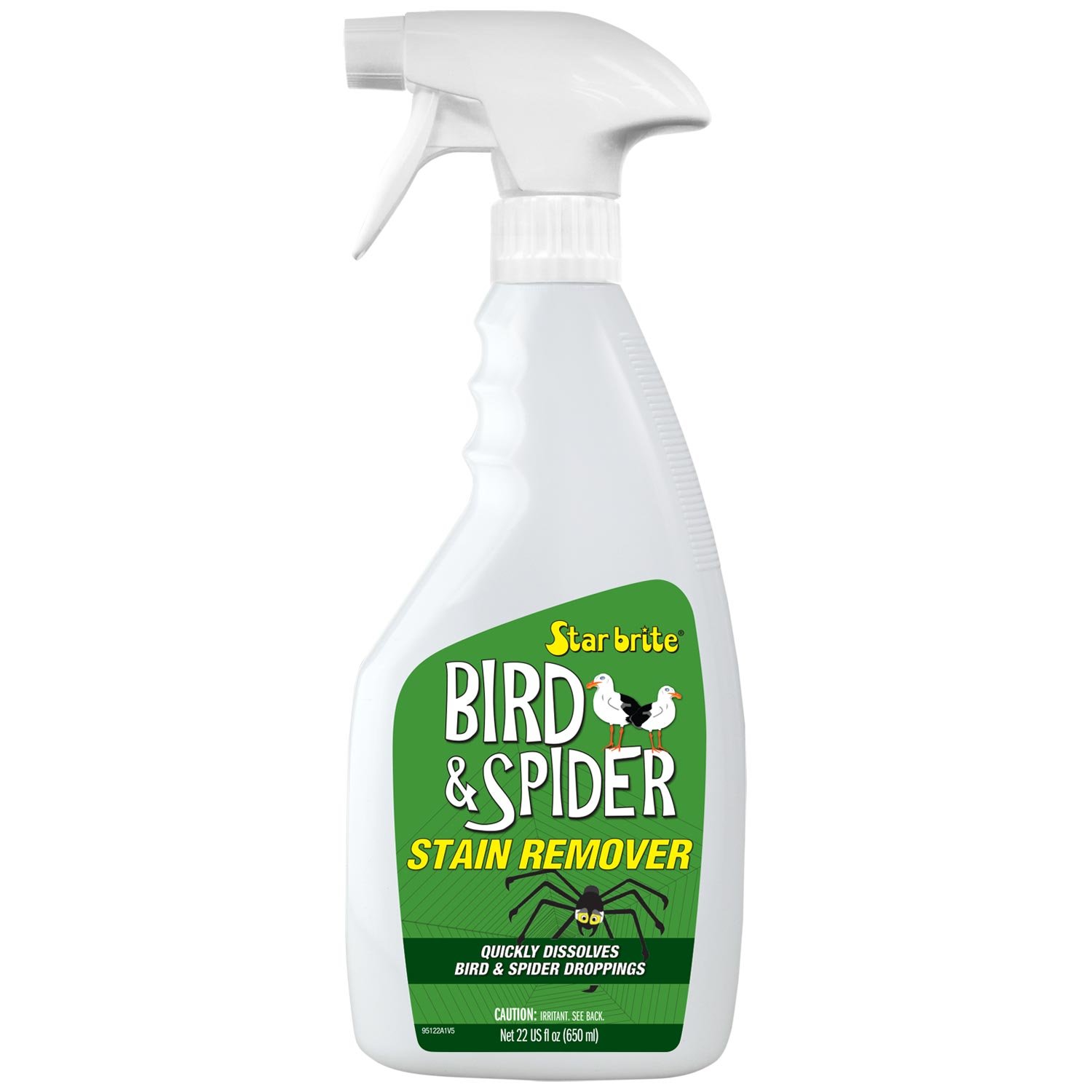
Another tip is to carry stain remover wipes or pens when you’re out. Quick action is crucial. The longer bird poop stays on your clothes, the harder it is to remove and the greater the risk of discoloration.
Outdoor Precautions
If you often hang your clothes outside to dry, you might be inviting bird droppings to land on them. Consider setting up clotheslines in areas less frequented by birds, such as under covered patios or near walls.
Installing bird deterrents can also help keep these pesky visitors away. Reflective tape, fake predators, or ultrasonic devices can reduce bird activity around your drying areas.
Think about the timing of your laundry routine. Dry clothes indoors or during times when birds are less active, like early mornings or late evenings, to minimize exposure.
- Use mesh laundry bags outdoors for delicate items.
- Check weather and bird activity forecasts to plan your drying schedule.
- Regularly clean outdoor drying areas to remove any residual droppings.
Have you ever tried any of these methods? Which ones worked best for you? Taking these simple steps can dramatically reduce the chances of bird droppings ruining your favorite clothes.
Credit: www.westmarine.com
Real-life Stories And Experiences
Bird droppings on clothes can be a surprising issue. Many wonder if these unsightly stains can actually bleach fabric. Real-life experiences provide a closer look at this phenomenon. From personal accounts to expert insights, the stories shed light on the true effects of bird poop on clothes.
Personal Accounts
Many people share stories of bird poop accidents. Sarah from Florida recalls a picnic day. A bird dropped a surprise on her favorite dress. She noticed a light patch after washing it. Another person, Tom, faced a similar issue. His blue shirt had a bleached spot after a bird’s visit. These stories suggest bird poop can indeed bleach clothes.
Expert Opinions
Experts in fabric care have weighed in on this. Dr. Linda, a textile scientist, explains the chemistry. Bird droppings contain uric acid. This can react with fabric dyes. The reaction sometimes leads to lightened or bleached areas. Fabric experts recommend quick action. Rinse the stain with water immediately.
Another expert, fabric cleaner John, shares tips. He suggests using mild detergents to treat stains. Avoid scrubbing too hard. This can damage the fabric further. Experts agree that prevention is key. Cover outdoor clotheslines or use protective covers.
Frequently Asked Questions
Does Bird Poop Bleach Clothes Permanently?
Bird poop contains uric acid, which can act like a mild bleach. It may lighten fabric stains but usually does not cause permanent bleaching. Prompt cleaning reduces any lasting discoloration or damage to clothes.
How To Remove Bird Poop Stains Effectively?
Remove bird poop stains by rinsing with cold water immediately. Use mild detergent and gently scrub the area. Avoid hot water as it can set the stain. Repeat if necessary for best results.
Can Bird Poop Damage Fabric Fibers?
Yes, bird poop’s acidic content can weaken fabric fibers if left untreated. Quick cleaning prevents fiber damage and preserves the clothing’s quality. Always treat stains promptly to avoid long-term harm.
Why Does Bird Poop Leave White Stains On Clothes?
Bird poop often contains uric acid, which appears white and chalky. This acid can cause light discoloration or bleaching on dark fabrics. Proper washing usually removes these white stains effectively.
Conclusion
Bird poop can sometimes bleach clothes because of natural chemicals. These chemicals act like a mild bleach and may leave white stains. Cleaning the stain quickly helps prevent damage. Use gentle soap and cold water to wash the fabric. Avoid hot water, which can set the stain.
Remember, not all bird droppings cause bleaching. Stains depend on bird diet and fabric type. Treating the spot fast keeps clothes looking good longer. Small stains might disappear after washing. Always check clothes before drying. Quick action is the best way to protect your clothes from bird poop damage.




