
Have you ever looked at your bird bath and wondered if a fresh coat of paint could bring it back to life? Maybe you want to brighten it up or protect it from the weather.
But can you actually paint the inside of a bird bath without harming the birds or ruining the water? You’re about to find out everything you need to know before grabbing that paintbrush. Keep reading, because the answer might surprise you—and it could save your feathered friends while making your garden look amazing.
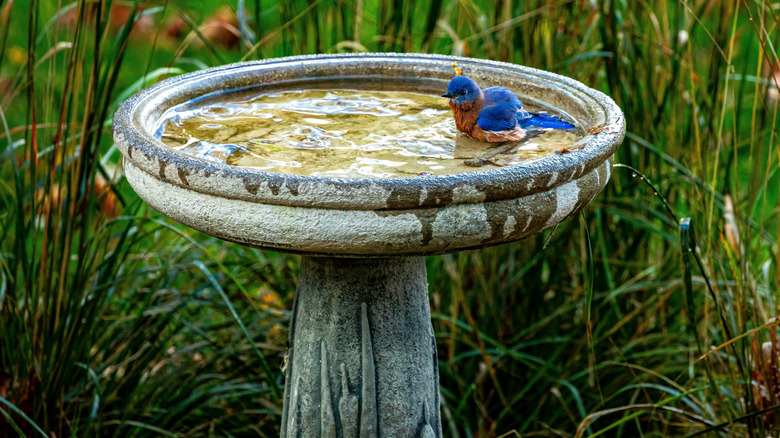
Credit: www.housedigest.com
Choosing Safe Paints
Choosing the right paint for the inside of a bird bath is essential for bird safety and durability. Birds drink and bathe in the water, so the paint must be safe and long-lasting. Avoid paints with harmful chemicals or strong fumes. The paint should also resist water to keep the bath looking good over time. This section explores safe paint options and what makes them suitable for bird baths.
Non-toxic Options
Non-toxic paints protect birds from harmful substances. Look for paints labeled as safe for children’s toys or food containers. These paints usually contain no heavy metals or dangerous chemicals. Natural paints made from clay, chalk, or milk are good choices. They are gentle on birds and the environment. Always check the label to confirm the paint is water-safe and non-toxic.
Waterproof And Durable Types
Waterproof paint prevents peeling and damage from constant water exposure. Epoxy-based paints and marine-grade paints offer strong protection. They resist cracking and fading even under sunlight. Make sure the paint can handle outdoor conditions and frequent cleaning. A durable paint keeps the bird bath safe and attractive for a long time.
Preparing The Bird Bath Surface
Preparing the bird bath surface is a crucial first step before you start painting. It ensures the paint sticks well and lasts longer. Skipping this step can lead to peeling paint and an unattractive finish.
Cleaning And Drying
Start by removing any dirt, algae, or debris from the bird bath. Use a scrub brush and a mild soap solution to clean the surface thoroughly. Rinse well with water to avoid soap residue.
After cleaning, let the bird bath dry completely. Moisture can prevent the paint from adhering properly. Have you ever painted something only to see bubbles or peeling days later? That’s usually because it wasn’t dry enough.
Sanding And Repairing
Once dry, check the surface for rough spots or cracks. Lightly sand these areas with fine-grit sandpaper to create a smooth, even base for painting. This step helps the paint grip better and look more professional.
If you find any cracks or chips, fill them with waterproof filler or epoxy putty. Allow the filler to dry, then sand it smooth. Taking the time to repair imperfections now saves you from frustration down the line.
Painting Techniques
Painting the inside of a bird bath requires careful technique to ensure durability and safety for birds. Proper methods help the paint stick well and last longer. Choosing the right approach protects the bird bath from water damage and cracking.
Focus on clean surfaces and even layers. Use tools that suit your space and paint type. Applying paint properly creates a smooth and attractive finish.
Applying Primer
Start with a primer to prepare the surface. Primer helps the paint stick better and prevents peeling. Choose a non-toxic, water-based primer safe for wildlife. Apply a thin, even layer using a brush or spray. Let it dry completely before painting the next layer.
Brush Vs Spray
Brushes give more control on small or detailed areas. They work well for corners and edges inside the bird bath. Use soft-bristle brushes for smooth finishes without streaks.
Spray painting covers large areas quickly. It creates an even coat without brush marks. Hold the spray can 6 to 8 inches away for best results. Spray in light layers to avoid drips and runs.
Multiple Coats
Applying several thin coats is better than one thick coat. Thin layers dry faster and last longer. Wait for each coat to dry fully before adding the next. Two to three coats usually provide good coverage and protection. Check for any missed spots or uneven areas and touch up as needed.
Drying And Curing Time
Drying and curing time plays a crucial role in painting the inside of a bird bath. Skipping or rushing through this phase can lead to peeling paint or toxic residues that harm birds. Understanding how drying differs indoors and outdoors, and knowing when the paint is fully cured, ensures a safe and long-lasting finish.
Indoor Vs Outdoor Drying
Drying your painted bird bath inside offers controlled conditions. You avoid sudden weather changes like rain or strong wind that could damage the fresh paint. However, indoor air circulation might be limited, which can slow down drying.
Outdoor drying benefits from natural airflow and sunlight, speeding up the drying process. But you risk dust, insects, or moisture settling on the wet paint. Choosing a sheltered spot outdoors, such as under a porch, balances airflow with protection.
- Indoor drying: steady temperature, less dust, slower drying
- Outdoor drying: faster drying, risk of contaminants, weather dependent
Think about your local climate and available space. Would a breezy covered patio work better than a cozy indoor nook? Your environment shapes your drying success.
Ensuring Full Cure
Drying means the paint feels dry to touch, but curing is when it becomes fully hardened and safe. This process can take several days up to a few weeks, depending on paint type and conditions.
To ensure your bird bath’s paint is fully cured:
- Follow the manufacturer’s recommended curing time on the label.
- Keep the bird bath in a well-ventilated area with moderate temperatures.
- Avoid adding water until the curing is complete to prevent peeling or contamination.
Have you ever rushed to fill a freshly painted surface, only to see bubbles or cracks later? Waiting patiently pays off. Your feathered friends deserve a non-toxic, durable home for their water breaks.
Maintaining Painted Bird Baths
Maintaining painted bird baths keeps them looking fresh and safe for birds. Painted surfaces can wear down from water, weather, and bird activity. Proper care helps preserve the color and protects the bath from damage. Regular upkeep ensures the bird bath lasts longer and stays inviting for wildlife.
Regular Cleaning
Clean the bird bath often to remove dirt and algae. Use a soft brush and mild soap. Avoid harsh chemicals that can harm birds. Rinse thoroughly to remove all soap residue. Keep water fresh by changing it every few days. This prevents buildup and keeps birds healthy.
Touch-up Tips
Inspect the paint for chips or cracks regularly. Use non-toxic, water-based paint made for outdoor use. Lightly sand rough spots before repainting. Apply thin coats and let each dry fully. This keeps the surface smooth and safe. Touch-ups extend the life of the paint and the bath itself.

Credit: www.reddit.com
Potential Risks And Precautions
Painting the inside of a bird bath might seem simple. Yet, certain risks and precautions should be considered. While a fresh coat can enhance aesthetics, it’s crucial to protect the birds. Ensuring a safe environment for them is a priority.
Impact On Birds
The paint can affect birds negatively. Birds often drink and bathe in the water. Harmful substances can leach into the water. This could impact their health. Birds are sensitive to chemicals. Even small amounts can be harmful. It’s important to choose safe materials.
Avoiding Toxic Chemicals
Use non-toxic, bird-safe paint. Avoid paints with lead or harmful solvents. Look for labels indicating safe use around wildlife. Water-based paints are generally safer. Read the label before purchasing. Ensure the paint is fully cured before adding water. This minimizes chemical leaching. Keep the bird bath safe for its visitors.

Credit: www.dukemanorfarm.com
Frequently Asked Questions
Can You Safely Paint The Inside Of A Bird Bath?
Yes, you can paint the inside of a bird bath using non-toxic, waterproof paint. Make sure the paint is safe for birds and water exposure. Proper surface preparation and sealing are essential to protect both the bird bath and wildlife.
What Type Of Paint Is Best For Bird Baths?
Use non-toxic, waterproof acrylic or epoxy paint designed for outdoor use. These paints resist water and weather damage. Avoid oil-based or lead-containing paints to keep birds safe and maintain the bath’s durability.
How Do You Prepare A Bird Bath Before Painting?
Clean the bird bath thoroughly, removing dirt and algae. Sand the surface lightly to help paint adhere better. Allow the bath to dry completely before applying primer or paint for best results.
How Long Does Painted Bird Bath Take To Dry?
Painted bird baths typically dry in 24 to 48 hours. Drying time depends on paint type, temperature, and humidity. Ensure the paint is fully cured before refilling the bath with water to protect birds.
Conclusion
Painting the inside of a bird bath can protect it from weather damage. Choose safe, non-toxic paint to keep birds healthy. Clean the surface well before starting to paint. Let the paint dry completely before adding water. A freshly painted bird bath looks nice and lasts longer.
Small steps make a big difference for your garden. Keep the bird bath clean to attract happy birds. Enjoy watching birds visit your beautiful, safe water spot.




