
Bird poop on your clothes can feel like a disaster, especially when you’re in a hurry or on your way out. It’s frustrating, messy, and if not treated right, it can leave a stubborn stain.
But don’t worry—you don’t have to toss that favorite shirt or jacket just yet. In this guide, you’ll discover simple, effective ways to get bird poop out of your clothes quickly and easily. Keep reading, and you’ll learn how to save your clothes and keep them looking fresh every time.
Identify The Stain Type
Before you dive into cleaning bird poop from your clothes, it’s important to identify the type of stain you’re dealing with. Bird droppings can vary widely depending on the bird’s diet and health. Knowing the exact nature of the stain helps you choose the best cleaning approach and avoid setting the stain permanently.
Different stains require different treatments. Some are mostly organic matter, while others contain uric acid that can cause discoloration. Have you ever noticed some bird poop looks watery and white, while others appear darker and thicker? This difference affects how you handle the stain.
Recognize The Color And Texture
Look closely at the stain’s color and texture. White or light gray stains often have a high concentration of uric acid and can bleach fabric fibers if left untreated. Darker stains might contain seeds, berries, or other food residue that can leave behind pigment.
Texture matters too. Is the stain dry and crusty, or wet and sticky? Dried stains might need to be softened before removal, while fresh stains are often easier to blot away. This simple observation can save you time and effort.
Consider The Fabric Type
Your clothing material influences how the stain reacts and how aggressive your cleaning method can be. Delicate fabrics like silk or wool need gentle treatment, while cotton or polyester can handle stronger stain removers.
Have you ever tried scrubbing a stain on a delicate shirt only to damage the fabric? Identifying the fabric first prevents that mistake. Check the care label before applying any cleaning solution.
Check For Colorfastness
Before applying any stain remover, test it on a small, hidden area of the garment. This helps you see if the fabric’s color will run or fade. It’s a quick step that can save your favorite clothes.
If the color changes or fades during the test, opt for milder cleaning methods. This is especially important if the stain is stubborn and you need to repeat treatments.
Act Quickly
Bird poop stains can be tough to remove once they dry. Acting quickly increases the chances of removing the stain completely. The longer the stain sits, the harder it becomes to clean. Immediate action prevents the stain from setting deep into the fabric fibers.
Quick response helps protect your clothes and keeps them looking fresh. Follow simple steps right after the accident to save your garment. Speed is key to stopping permanent damage.
Remove Excess Bird Poop Gently
Use a spoon or dull knife to lift off extra bird poop. Avoid rubbing to stop spreading the stain further. Work carefully to avoid pushing the mess deeper into the fabric.
Rinse The Stain With Cold Water
Hold the stained area under cold running water. Let the water flush out as much bird poop as possible. Avoid hot water as it can set the stain permanently.
Blot The Stain Carefully
Use a clean cloth or paper towel to blot the stain gently. Do not rub or scrub hard. Blotting lifts the stain without damaging the fabric.
Apply A Mild Detergent Quickly
Use a small amount of mild laundry detergent or stain remover. Work it into the stain gently with your fingers or a soft brush. Let it sit for a few minutes before rinsing.
Pre-treat The Stain
Pre-treating the stain is your first and most crucial step to effectively remove bird poop from clothes. Acting quickly can prevent the stain from setting, making it easier to clean. By focusing on the right techniques, you save time and keep your clothes looking fresh.
Use Cold Water Rinse
Start by rinsing the stained area with cold water. Cold water helps to loosen the dried bird droppings without causing the stain to set deeper, unlike hot water. Hold the fabric under running water or soak it briefly to flush out as much residue as possible.
Have you noticed how stubborn stains become after drying? That’s why rinsing immediately makes a big difference. It’s a simple step that prepares the fabric for further treatment.
Apply Stain Remover
After rinsing, apply a stain remover directly to the affected spot. Choose a product designed for protein-based stains, as bird poop contains proteins that regular detergents might not tackle efficiently. Let the stain remover sit for at least 5–10 minutes to break down the stain.
If you’ve ever skipped this step, you might have noticed the stain lingering even after washing. Applying a targeted stain remover gives you a better shot at complete removal before the laundry cycle.
Try Homemade Solutions
If you don’t have a commercial stain remover handy, homemade solutions can work just as well. Mix equal parts of white vinegar and water, or use a paste made from baking soda and water. Gently rub the solution onto the stain and let it sit for 10 to 15 minutes.
These natural options are not only cost-effective but also reduce exposure to harsh chemicals. Have you tried these at home? Many find them surprisingly effective and gentle on fabrics.

Credit: www.amazon.ca
Choose The Right Detergent
Choosing a detergent designed for tough stains helps remove bird poop effectively. Look for one with enzymes to break down proteins and oils. This makes cleaning easier and protects your clothes.
Choosing the right detergent is crucial for removing bird poop stains. Different detergents work differently. Some are designed for specific stains. Understanding which detergent to use can save your favorite clothes.Understand The Stain Type
Bird poop contains proteins and acids. These can be tough on fabrics. A detergent with enzymes is effective. It breaks down these proteins. Check for labels that mention “enzyme-based.”Check Detergent Ingredients
Some detergents contain harsh chemicals. These can damage delicate fabrics. Opt for a mild detergent if the fabric is sensitive. Always read the ingredient list. Avoid detergents with bleach for colored clothes.Consider Liquid Vs. Powder
Liquid detergents dissolve easily in water. They are effective on fresh stains. Powder detergents can be abrasive. They might leave residue on clothes. Choose liquid for a gentler wash.Test On A Small Area
Before using a new detergent, test it. Apply on a hidden part of the fabric. Wait for a few minutes. Check for any discoloration or damage. This ensures the detergent is safe for your clothes.Use The Right Amount
Too much detergent can leave residue. This attracts dirt and causes more stains. Use the amount recommended on the package. This ensures thorough cleaning without any residue.Wash The Garment Properly
Washing the garment properly is key to removing bird poop stains effectively. Proper washing prevents the stain from setting and keeps the fabric safe. Start by treating the stain gently before placing the garment in the wash.
Use the right water temperature and detergent to break down the stain. Avoid harsh scrubbing that can damage fibers. Follow care labels on the garment to avoid shrinking or color fading. Proper washing helps restore your clothes and keeps them looking fresh.
Select Appropriate Wash Cycle
Choose a wash cycle suitable for the fabric type. Delicate fabrics need a gentle cycle to avoid damage. Cotton and sturdy materials can handle a normal or heavy cycle. Use cold or warm water to help lift the stain without setting it. Avoid hot water, as it may fix the stain permanently.
Check Before Drying
Always check the garment before drying. Dryers can set stains, making them harder to remove later. If the stain remains, repeat the washing process. Air dry the garment until the stain is gone. Only use the dryer once the fabric is clean and stain-free.
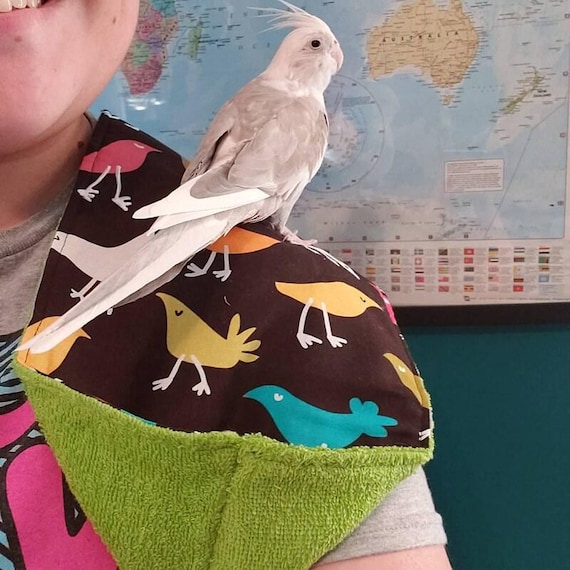
Credit: www.etsy.com
Handle Delicate Fabrics
Handling bird poop on delicate fabrics requires extra care to avoid damage. These fabrics, such as silk, wool, and lace, need gentle treatment to preserve their texture and color. Rushing into aggressive cleaning can make things worse, so patience and the right approach are essential.
Spot Cleaning Tips
Start by gently scraping off any dried bird poop with a dull edge, like a spoon, to prevent pushing the stain deeper into the fibers. Dab the stained area with cold water using a soft cloth—never rub, as this can spread the stain or damage the fabric. If you have a mild detergent suitable for delicate fabrics, dilute a small amount in water and apply it carefully with a cotton swab or sponge.
After applying the solution, blot the area lightly to lift the stain. Rinse with cold water again and press gently with a towel to remove excess moisture. Have you noticed how water temperature can make a big difference? Hot water often sets stains, especially on delicate materials, so always stick to cold or lukewarm.
Avoid Harsh Chemicals
Delicate fabrics are sensitive to strong chemicals like bleach or stain removers containing alcohol. These can cause discoloration or weaken the fabric fibers. Instead, choose a gentle detergent formulated for delicate clothing or natural alternatives like white vinegar diluted in water.
Test any cleaning agent on a hidden area first to see how the fabric reacts. This simple step can save you from an irreversible mistake. Remember, sometimes less is more—using too much product can leave residues that attract dirt or stiffen the fabric.
Prevent Future Stains
Treat clothes with a fabric protector to repel stains before wearing. Avoid leaving bird droppings on fabric too long to prevent permanent marks. Quick cleaning helps keep garments looking fresh.
Preventing future stains from bird poop requires smart strategies. These strategies keep your clothes clean. By taking simple precautions, you can avoid unwanted stains. Let’s explore ways to protect your clothes and practice safe outdoor habits.Protective Clothing Tips
Choose clothing that resists stains. Opt for dark colors or patterns. These hide stains better than light colors. Use fabric protectors available in stores. They create a barrier against stains. Wear hats or head coverings. They shield your head and shoulders from bird droppings.Safe Outdoor Practices
Be mindful of where you stand or sit. Avoid areas with many birds overhead. Walk quickly through bird-populated zones. This reduces the time you’re exposed. Stay away from feeding areas. Birds gather here, increasing the risk of droppings. Carry an umbrella in bird-heavy spots. It acts as a shield against potential droppings.
Credit: parrotco.com
Frequently Asked Questions
How To Treat Bird Poop Stains On Clothes Immediately?
Blot the stain gently with cold water. Avoid rubbing to prevent spreading. Treat with stain remover quickly to break down the stain before washing.
What Household Items Remove Bird Poop From Fabric?
Use mild detergent, white vinegar, or baking soda. These items help break down proteins and lift stains safely without damaging fabric.
Can Bird Poop Ruin Clothes Permanently?
Yes, if left untreated, bird poop’s acidity can damage fabric fibers and cause permanent stains. Prompt cleaning is essential.
Is It Safe To Machine Wash Clothes With Bird Poop?
Pre-treat the stain first. Machine wash on cold with detergent. Hot water can set the stain, making removal difficult.
Conclusion
Bird poop on clothes can be annoying but easy to fix. Act quickly to prevent stains from setting. Use cold water and gentle soap to clean the area. Avoid hot water, as it can make stains worse. Repeat the process if needed for better results.
Dry clothes naturally after cleaning to protect fabric. With simple steps, you can keep clothes fresh and stain-free. Stay calm, and your clothes will look good again. No need to worry about bird mess ruining your day.




