
If you love spotting birds in the wild, “A Field Guide to Western Birds Peterson” is your perfect companion. This guide makes identifying birds simple, even if you’re just starting out.
You’ll find clear pictures, easy descriptions, and tips that help you recognize birds quickly. Whether you’re hiking, birdwatching in your backyard, or planning a trip, this guide will boost your confidence and deepen your connection with nature. Keep reading to discover how this field guide can transform your birdwatching experience.

Credit: www.amazon.com
Peterson’s Legacy In Birdwatching
Peterson’s Legacy in Birdwatching holds a special place in the hearts of bird lovers everywhere. His guides have transformed birdwatching from a niche hobby into an accessible and enjoyable activity for millions. The clarity and detail he brought to bird identification changed how you and I connect with nature.
History Of The Guide
Roger Tory Peterson published the first edition of A Field Guide to Western Birdsin 1934. His goal was simple: help people identify birds easily in the wild without needing expert knowledge. He introduced the innovative “field marks” system, highlighting the key features to spot at a glance.
Before Peterson’s guide, bird identification was often complicated and confusing. His use of clear illustrations and concise descriptions made it easier for beginners to recognize birds confidently. This practical approach made the guide a must-have for anyone interested in birds.
Impact On Birdwatching Culture
Peterson’s guide didn’t just teach bird identification—it created a community. Suddenly, birdwatching became an activity you could share with friends or family, sparking conversations and friendly competitions to spot new species. Have you ever noticed how a single bird sighting can brighten your day? That’s part of his lasting impact.
The guide also encouraged people to spend more time outdoors, fostering a deeper appreciation for wildlife and conservation. Many birdwatchers credit Peterson’s work for sparking their lifelong passion. How has your experience with birdwatching changed since you first used a field guide?
- Made birdwatching approachable for beginners
- Built a shared language for identifying species
- Encouraged outdoor exploration and nature connection
- Influenced future bird guides and educational tools
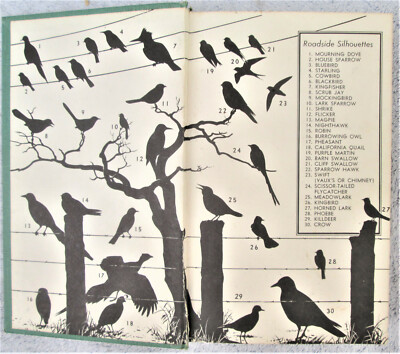
Credit: www.ebay.ca
Key Features Of The Western Birds Guide
The Western Birds Guide by Peterson offers clear features that help bird watchers identify species quickly. It breaks down complex birding details into simple steps. The guide suits beginners and experienced birders alike.
Each key feature focuses on practical use in the field. This makes spotting and learning about birds easier and more enjoyable. The guide’s design supports fast and accurate identification.
Identification Techniques
The guide teaches how to spot birds using shape, size, and behavior. It explains key traits like beak shape and wing patterns. Readers learn to notice subtle differences between similar birds.
Simple tips help focus on important details. This avoids confusion and speeds up identification. The guide also covers bird calls and songs for audio recognition.
Illustrations And Visual Aids
Detailed drawings show birds in lifelike poses. Colors and markings appear clearly to aid recognition. Each illustration highlights unique features of the species.
Visual aids include comparison charts and close-ups of key parts. These help distinguish similar birds easily. The artwork is accurate and easy to understand.
Range Maps And Habitat Info
Maps show where each bird lives and migrates. They use simple colors and symbols for easy reading. The guide notes the typical habitats for each species.
This helps birders know where to look. Knowing habitat preferences increases chances of spotting the right birds. Seasonal changes are also explained briefly.
Using The Guide In The Field
Using A Field Guide to Western Birdsby Peterson in the field transforms your birdwatching experience. The guide is designed to be practical and easy to use, helping you identify birds quickly and accurately. Whether you are new or experienced, the way you navigate the guide can enhance your time outdoors and deepen your connection with nature.
Tips For Beginners
Start by familiarizing yourself with the guide’s layout before heading out. The clear illustrations and simple identification keys make it easier to match birds you see with pictures in the book.
Carry the guide in a weatherproof case or digital version on your phone to protect it from outdoor conditions. This keeps it handy and ready for quick reference.
Focus on learning a few common birds first. This builds your confidence and sharpens your observation skills without feeling overwhelmed.
- Use the size and shape charts to narrow down your options quickly.
- Pay attention to distinctive colors and patterns highlighted in the guide.
- Take notes or mark the birds you identify to track your progress.
Advanced Birdwatching Strategies
Use the guide’s detailed range maps to plan your birdwatching trips during peak migration seasons. This increases your chances of spotting rare or seasonal species.
Combine the guide’s voice description sections with a bird call app for better identification. Hearing a bird’s song can confirm your sighting when visuals are unclear.
Challenge yourself by identifying birds solely from behavior and habitat clues before checking the guide’s illustrations. This practice sharpens your instincts and deepens your understanding.
- Use the guide’s comparison plates to distinguish between similar species.
- Cross-reference multiple features like beak shape, wing pattern, and tail length rather than relying on color alone.
- Keep a field journal to document patterns and unusual sightings for future reference.
How does your approach to using the guide change the way you notice details in birds? Try experimenting with different strategies and watch your skills improve.
Notable Western Birds Covered
The field guide offers detailed insights into many notable birds found in the western regions of North America. It highlights species that are common sights as well as those that are rare and endangered. This makes it a valuable resource for both beginners and experienced bird watchers.
Each bird is described with clear images and easy-to-understand information. The guide helps readers identify birds by their colors, shapes, and behaviors. It also shares interesting facts about their habitats and habits.
Common Species
- American Robin: A familiar bird with a bright orange belly and cheerful song.
- Western Meadowlark: Known for its melodic call and striking yellow breast.
- Black-capped Chickadee: Small, friendly, with a distinctive “chick-a-dee-dee-dee” sound.
- Mountain Bluebird: Vibrant blue feathers that stand out in open fields.
- Red-tailed Hawk: A large raptor often seen soaring with a reddish tail.
Rare And Endangered Birds
- California Condor: One of the largest flying birds, critically endangered.
- Gunnison Sage-Grouse: A rare bird with elaborate mating dances.
- Southwestern Willow Flycatcher: Small bird struggling due to habitat loss.
- Whooping Crane: Tall, elegant, and rare with a distinctive call.
- Marbled Murrelet: A secretive seabird nesting high in old forests.
Comparing Peterson With Other Guides
Comparing “A Field Guide to Western Birds” by Peterson with other bird guides helps identify its unique value. Each guide has its style and focus. Understanding these differences aids in choosing the best one for your needs.
Strengths And Limitations
Peterson’s guide offers clear, detailed illustrations. It uses the Peterson Identification System, which highlights key features to spot birds quickly. The layout is user-friendly and easy to follow. The guide covers many species found in western North America.
Limitations exist. The guide can be dense for beginners. Some may find the language a bit technical. It focuses on identification, with less information on bird behavior or habitat. Other guides might have more photos instead of drawings.
Choosing The Right Guide For You
- Consider your experience level. Beginners may prefer guides with more photos and simpler descriptions.
- Think about your birding goals. Want quick ID tips? Peterson’s system works well.
- Check the coverage area. Some guides focus on broader regions or specific habitats.
- Look at the format. Pocket guides are handy for field use; larger books offer more detail.
Try to browse through different guides before buying. Pick the one that feels easiest to use and fits your birding style.

Credit: www.amazon.com
Maintaining Your Birdwatching Journal
Keeping a birdwatching journal helps track sightings and habits. Using A Field Guide to Western Birds Peterson makes identification easy and accurate. Write down dates, locations, and bird details for better learning and memory.
Maintaining Your Birdwatching Journal Keeping a birdwatching journal can transform your birding experience from simple observation to a rich narrative of nature’s wonders. A well-maintained journal is not just a record of your sightings but a personal guide to understanding birds better. It invites you to slow down, observe keenly, and appreciate the avian world in a more meaningful way.Recording Sightings
When you spot a new bird, jot it down immediately. Include details like date, time, and location. Note any unique behavior or distinctive features. Was the bird alone or in a flock? What was the weather like? These subtle details can bring your journal entries to life. Don’t forget to add sketches or photos. Even a rough sketch can help you recall the moment vividly.Using The Guide For Notes
“A Field Guide to Western Birds” by Peterson is more than a reference; it’s a companion for your birdwatching adventures. Use it to cross-check your sightings and validate your observations. Make notes directly in the guide’s margin if you spot something unusual about a species. This could be anything from a unique coloration to a rare song. Reflect on your experiences using the guide’s insights. Did the bird’s behavior match the description in the book? How did it differ? This practice deepens your understanding and sharpens your observation skills. By maintaining a birdwatching journal, you create a personalized account of your journey. How will you fill your pages with stories of the skies?Expanding Your Birdwatching Skills
Explore Western birds with the Peterson Field Guide, a helpful tool for identifying species in nature. Clear pictures and simple tips make birdwatching easier and more fun. Improve your skills by learning bird calls, shapes, and colors found in the West.
Expanding your birdwatching skills can be a rewarding journey. The “Field Guide to Western Birds” by Peterson serves as an excellent starting point. It helps you identify various species with ease. But to truly grow, consider joining birdwatching groups and participating in citizen science. These activities not only enhance your skills but also connect you with like-minded individuals.Joining Birdwatching Groups
Joining a birdwatching group offers many benefits. It allows you to share experiences with fellow enthusiasts. Group members often have valuable tips and insights. They can guide you in identifying rare bird species. These groups also organize field trips, enriching your birdwatching experience. You learn more in a social setting, making the activity more enjoyable.Participating In Citizen Science
Participating in citizen science projects is another great way to improve. These projects often involve collecting data about bird species. Your observations contribute to scientific research. You help scientists understand bird behaviors and patterns. It’s a fulfilling way to give back to the birdwatching community. Plus, you gain a deeper understanding of the birds you love.Frequently Asked Questions
What Is “a Field Guide To Western Birds Peterson”?
It is a comprehensive bird identification guide focused on western North America. It features detailed illustrations and descriptions. The guide helps birdwatchers identify species accurately in the field. It is popular among beginners and experts alike.
How Does Peterson’s Guide Help Bird Identification?
The guide uses clear illustrations and comparison charts. It highlights key field marks and behaviors for easy recognition. It also offers range maps and habitat information. This makes identifying western birds straightforward and reliable.
Which Bird Species Are Covered In This Guide?
The guide covers over 600 bird species found in western North America. It includes common and rare birds from various habitats. Each species entry provides identification tips, sounds, and seasonal info. This ensures broad coverage for bird enthusiasts.
Is This Guide Suitable For Beginner Birdwatchers?
Yes, it is user-friendly and designed for all skill levels. The clear layout and illustrations simplify bird identification. It includes helpful tips and easy-to-understand language. Beginners will find it an essential tool for learning.
Conclusion
A Field Guide to Western Birds Peterson helps you identify birds easily. It shows clear pictures and simple descriptions. This guide fits well in your backpack or pocket. Great for beginners and experienced bird watchers alike. Use it during hikes or quiet mornings outside.
Spot colors, shapes, and calls with confidence. Enjoy nature more with this handy companion. Keep learning about birds one page at a time. Discover the beauty of Western birds today.




