
Have you ever wondered what birds eat in the tropical rainforest? Imagine stepping into a lush, green world filled with colorful birds flying all around you.
These birds don’t just eat any food—they have unique diets that help them survive in this rich, vibrant environment. Knowing what they eat can change how you see these amazing creatures and the rainforest itself. Keep reading, and you’ll discover surprising facts about their favorite meals and how their diets shape the jungle’s delicate balance.
Your curiosity is about to take flight!
Credit: www.expeditions.com
Bird Species In Tropical Rainforests
The tropical rainforest is home to an incredible variety of bird species, each with unique traits and diets. These birds play essential roles in their ecosystems, from seed dispersal to pest control. Understanding which birds live in these lush environments helps you appreciate how diverse and vibrant the rainforest really is.
Common Tropical Birds
You’ll often spot birds like toucans, parrots, and hummingbirds in tropical rainforests. Toucans stand out with their large, colorful bills that help them reach fruit deep in the canopy. Parrots are noisy and social, often feeding on seeds, nuts, and fruits.
Hummingbirds, though tiny, are fascinating because they feed mainly on nectar, hovering like tiny helicopters. Their rapid wing beats and bright feathers make them a favorite among bird watchers. Have you ever noticed how these birds seem perfectly designed for their feeding habits?
Rare And Exotic Species
Beyond the common birds, tropical rainforests shelter rare species like the Harpy Eagle and the Resplendent Quetzal. The Harpy Eagle, one of the largest and most powerful eagles, preys on monkeys and sloths. Spotting one requires patience and luck, but their presence tells you the forest is healthy.
The Resplendent Quetzal is famous for its vibrant plumage and cultural significance. It feeds mainly on fruits and insects, playing a vital role in maintaining the forest’s plant diversity. Have you ever wondered how many of these rare birds remain unseen, hidden by the dense canopy above?
Fruits And Seeds
Fruits and seeds form a vital part of many birds’ diets in tropical rainforests. These nutrient-rich foods provide energy and essential nutrients. Birds rely on a variety of fruits and seeds found throughout the forest canopy and understory. Eating these foods helps birds survive and thrive in such diverse habitats.
Favorite Tropical Fruits
Tropical birds enjoy many types of fruits. Some favorites include:
- Figs
- Berries
- Mangoes
- Papayas
- Guavas
These fruits offer sugars and vitamins. Birds often choose ripe, colorful fruits. Bright colors attract birds and signal ripeness. Many fruit-eating birds have strong beaks to break fruit skins easily.
Seed Consumption And Dispersal
Seeds are a key food source for many tropical birds. Some birds swallow seeds whole. Others crack seeds open with their beaks. Seed eating provides protein and fat.
Birds help spread seeds across the forest. After eating, they fly away and drop seeds elsewhere. This natural seed dispersal supports forest growth and biodiversity. It creates new habitats for many plants and animals.
Insects And Arthropods
Insects and arthropods form a major part of many birds’ diets in the tropical rainforest. These small creatures are abundant and offer high protein. Birds rely on them for energy and nutrition in this lush environment. Their feeding habits help balance the ecosystem.
Insectivorous Birds
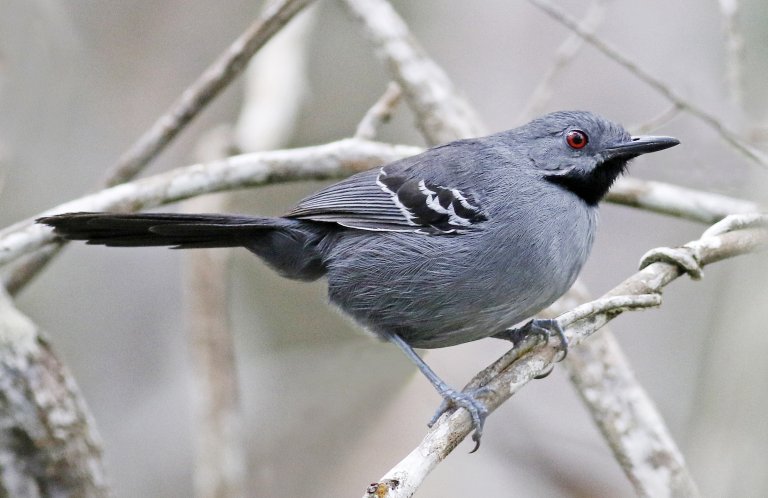
Insectivorous birds specialize in eating insects. They use sharp beaks to catch their prey quickly. Some birds pick insects off leaves or bark. Others catch insects in mid-air with swift movements. This diet helps control insect populations in the forest.
- Antbirds hunt ants and termites on the forest floor.
- Flycatchers swoop through the air capturing flying insects.
- Woodcreepers probe tree bark for hidden insects.
Role Of Arthropods In Diet
Arthropods include spiders, centipedes, and millipedes. Birds eat them for variety and extra nutrients. These creatures provide essential fats and minerals. Eating arthropods helps birds survive during scarce food times. Their presence supports a balanced and diverse diet for tropical birds.
Credit: abcbirds.org
Nectar And Flowers
The tropical rainforest is alive with vibrant colors and scents, largely due to its abundant flowers. These flowers are not just beautiful; they serve as vital food sources for many bird species. Nectar and flowers form a crucial part of the diet for certain birds, fueling their energy and supporting the ecosystem.
Nectar-feeding Birds
Many birds in the tropical rainforest rely on nectar as a primary energy source. Hummingbirds, sunbirds, and some species of honeyeaters are specially adapted to feed on nectar. Their long, slender beaks and fast wing beats help them hover and extract nectar efficiently.
Have you ever seen a hummingbird darting from flower to flower? Their rapid movements and bright plumage make them fascinating to watch. These birds need a lot of energy, and nectar’s high sugar content gives them just that.
Pollination Benefits
When nectar-feeding birds visit flowers, they often pick up pollen on their feathers or beaks. This pollen gets transferred to other flowers, helping plants reproduce. In this way, these birds play a critical role as pollinators in the rainforest.
Without these birds, many tropical plants would struggle to survive. Next time you spot a bird sipping nectar, think about how it’s contributing to the entire forest’s health. Could your garden benefit from planting flowers that attract nectar-feeding birds too?
Small Vertebrates And Eggs
Birds in the tropical rainforest have a diverse diet that includes small vertebrates and eggs. These food sources provide essential nutrients and energy. Small reptiles, amphibians, and mammals often become prey. Eggs from other birds also offer rich nutrition. This diet plays a vital role in their survival and ecosystem balance.
Birds As Predators
Many rainforest birds actively hunt small vertebrates. They use sharp beaks and strong claws to catch prey. Some birds wait quietly, then swoop down quickly. Others chase their prey through dense foliage. Predatory birds help control populations of small animals. This hunting behavior keeps the ecosystem healthy.
Egg Consumption Patterns
Some birds specialize in eating eggs from nests. They search high and low for unattended eggs. Timing is crucial to avoid adult birds defending their nests. Egg-eating birds have flexible necks and strong beaks. These features help them remove eggshells easily. Eating eggs provides a high-protein meal for growing chicks.
Diet Adaptations
Birds in tropical rainforests adapt their diets to eat fruits, insects, and nectar. These food sources provide energy and nutrients needed for survival. Dietary flexibility helps birds thrive in diverse rainforest habitats.
Diet adaptations in the tropical rainforest are a fascinating subject. Birds have evolved to thrive in this lush environment, developing unique ways to find and consume food. The variety of food sources available has led to a wide range of dietary habits among these vibrant creatures.Seasonal Changes In Diet
In tropical rainforests, food availability can vary with the seasons. During the wet season, fruits and insects are abundant, providing a rich buffet for birds. However, in the dry season, some birds might switch to seeds or nectar to meet their nutritional needs. This seasonal diet shift is crucial for survival. Birds that adapt their feeding habits can maintain their energy levels throughout the year. Have you ever wondered how a bird decides when to change its diet? Observing these changes can give us insights into the delicate balance of rainforest ecosystems.Feeding Strategies And Techniques
Birds in the rainforest employ diverse feeding strategies to access their food. Some, like the toucan, use their long beaks to reach fruit hidden among dense foliage. Others, such as woodpeckers, use their strong beaks to extract insects from tree bark. There are birds that have developed specialized techniques, like the hummingbird, which hovers to feed on nectar. These strategies are not just fascinating to watch but are vital for the birds’ survival. Consider this: what feeding strategy would you develop if you were a bird in a rainforest? The variety of techniques highlights the incredible adaptability of these birds. Each method is a testament to the birds’ resourcefulness in navigating their complex habitat.Surprising Dietary Habits
Birds in tropical rainforests eat fruits, insects, and small animals. Their diet changes with the seasons and food availability. Many rely on colorful fruits to stay healthy and active.
In the vibrant ecosystem of the tropical rainforest, birds exhibit some surprising dietary habits that might just catch you off guard. The lush environment offers a buffet of unexpected food choices. Birds don’t just eat what you might expect; their diets are as diverse and colorful as their plumage.Unusual Food Choices
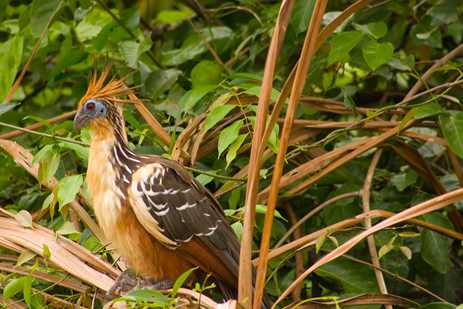
Some birds in the rainforest have diets that would make even the most adventurous eater pause. Take the hoatzin, for example, which ferments leaves in its stomach, much like a cow. Or consider the palm-nut vulture, which feasts on oil palm fruits rather than prey. Not all birds are strict herbivores or carnivores. Many have adapted to eat whatever is available, including small reptiles and amphibians. Such adaptability ensures survival in a constantly changing environment.Cultural And Behavioral Influences
Birds’ eating habits are often shaped by their environment and social interactions. In some species, young birds learn what to eat by observing their parents and flock members. This cultural transmission helps them make informed food choices and avoid toxic items. Behavioral factors also play a role. Some birds engage in cooperative hunting, sharing the spoils with their group. This not only strengthens social bonds but also ensures a more varied diet. Have you ever noticed how your choices are influenced by those around you? By understanding these surprising dietary habits, you gain insight into the complexity of rainforest ecosystems. Consider how these birds’ unique diets contribute to the balance and health of their habitat. What other surprises might the rainforest hold?
Credit: medium.com
Frequently Asked Questions
What Do Tropical Rainforest Birds Commonly Eat?
Tropical rainforest birds eat fruits, insects, nectar, seeds, and small animals. Their diet varies by species and habitat. Many birds rely on abundant fruits and insects for energy and nutrients in this rich ecosystem.
How Do Birds Find Food In Dense Rainforests?
Birds use keen eyesight, sharp beaks, and strong legs to locate food. They often forage in tree canopies, understory, and forest floor. Some species follow army ants or other animals to find hidden prey.
Do Nectar-feeding Birds Play A Role In Pollination?
Yes, nectar-feeding birds like hummingbirds are vital pollinators. They transfer pollen while feeding on flower nectar. This mutualistic relationship supports rainforest plant reproduction and biodiversity.
Are Insect-eating Birds Important For Rainforest Health?
Insect-eating birds control insect populations, preventing overpopulation and plant damage. They help maintain ecological balance and support healthy forest growth. Their presence indicates a thriving rainforest ecosystem.
Conclusion
Tropical rainforest birds eat many different foods. They enjoy fruits, insects, seeds, and small animals. This variety helps them live well in the forest. Each bird has its own favorite food. Eating many types of food keeps the forest healthy.
Birds spread seeds, helping new plants grow. Watching what birds eat shows us how nature works. Protecting these birds means protecting the rainforest too. Every meal they take is part of a bigger story. Understanding their diet helps us care for them better.




