
Have you ever wondered why some scenes in movies or photos make you feel like you’re flying above everything? That perspective is called a bird’s eye view shot, and it’s more than just a cool angle.
This type of shot can change how you see a story, a place, or even a character. If you want to understand how filmmakers and photographers use this powerful tool to grab your attention and guide your emotions, keep reading.
You’ll discover exactly what a bird’s eye view shot is used for and why it might be the secret behind some of your favorite visuals.
Purpose Of Bird’s Eye View Shots
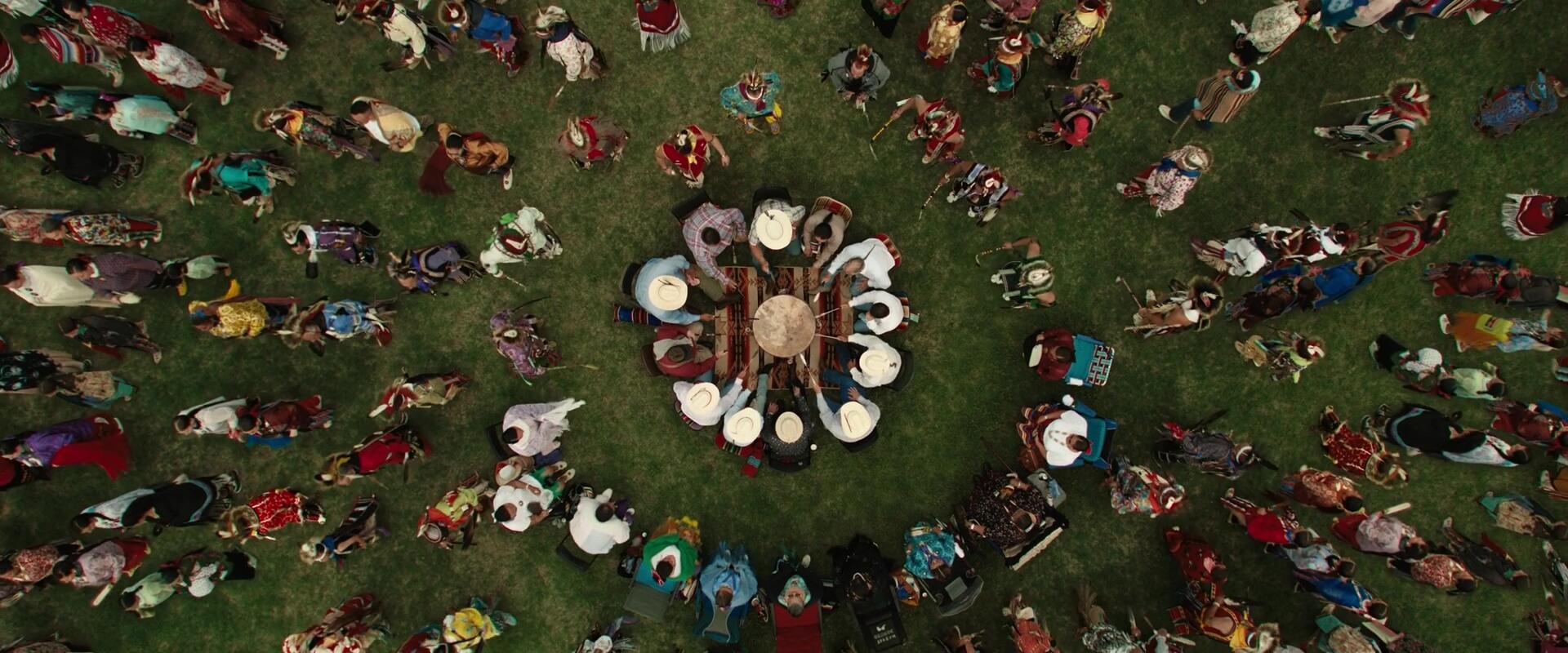
A bird’s eye view shot shows a scene from high above. It looks straight down on the subject. This type of shot is common in movies and videos.
Bird’s eye shots help viewers understand space and action. They give a new perspective that other shots cannot show.
Creating Spatial Awareness
Bird’s eye shots show the layout of a place clearly. They help viewers see where things and people are. This makes it easy to understand the space.
This shot is useful for scenes with many characters or objects. It helps the audience follow the action and see how everything fits together.
Enhancing Dramatic Effect
Bird’s eye shots can make a scene feel more dramatic. The high angle can show vulnerability or danger. It can also make a character look small or alone.
Using this shot adds emotion and tension. It can build suspense or highlight key moments in a story.
Establishing Setting And Scale
This shot helps show the size of a place or object. It gives a clear view of the environment. Viewers can see how big or small things are in relation to each other.
Bird’s eye shots often introduce a new location. They set the scene so viewers know where the story happens.
Credit: www.studiobinder.com
Types Of Bird’s Eye View Shots
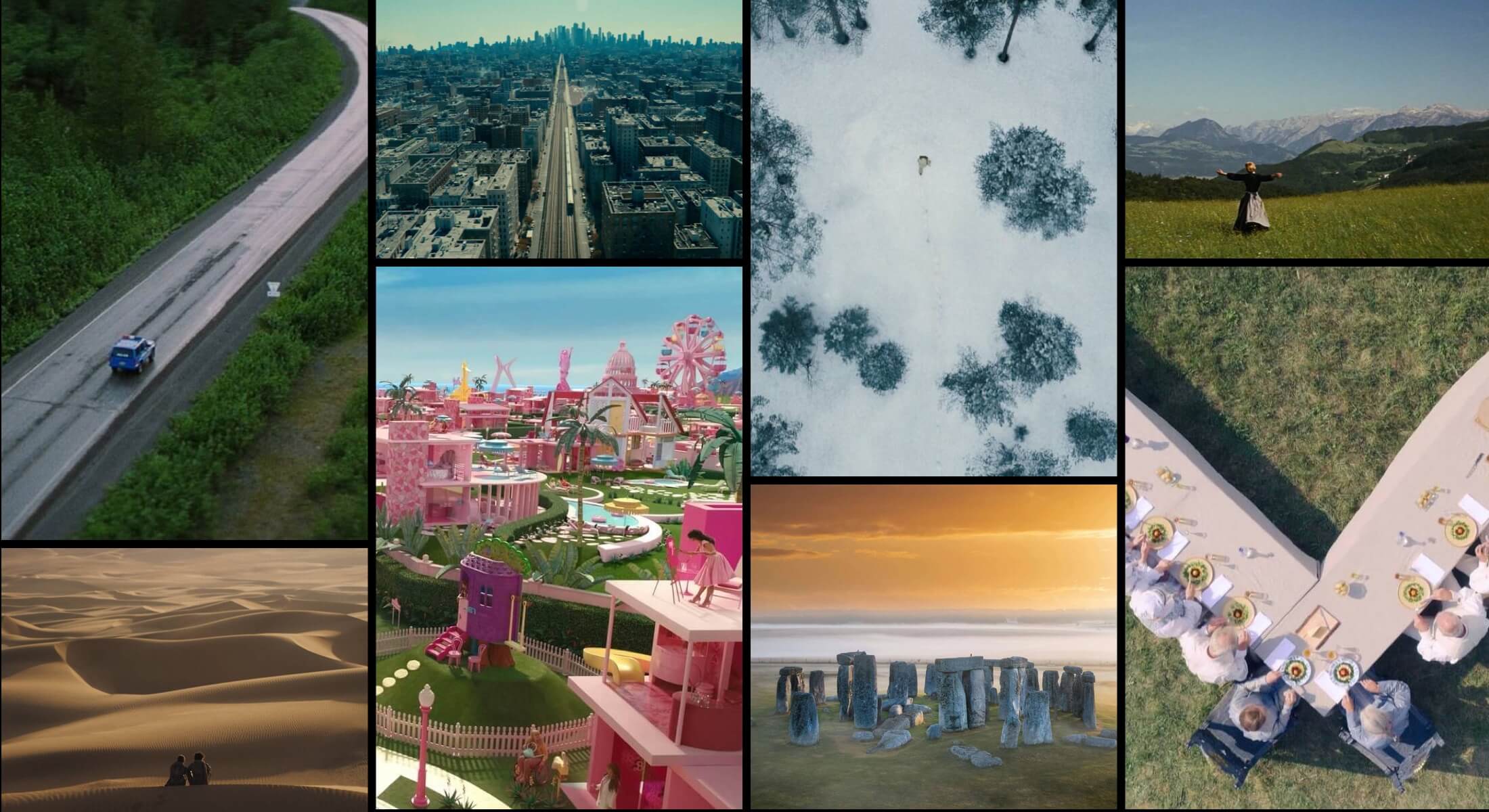
Bird’s eye view shots show scenes from above. This view lets viewers see the layout clearly.
There are different types of bird’s eye shots. Each type gives a unique perspective and feel.
Straight Down Angle
The straight down angle points the camera directly down. It captures the scene from a 90-degree angle.
This shot shows objects or people clearly without distortion. It is often used to show maps, layouts, or patterns.
Oblique Top-down Angle
The oblique top-down angle tilts the camera slightly. It is not straight down but at an angle.
This view adds depth to the scene. It shows height and distance better than the straight down angle.
- Shows buildings and streets with perspective
- Creates a sense of space and scale
- Common in cityscapes and action scenes
360-degree Overhead Shots
360-degree overhead shots rotate around a subject from above. They show the subject from all sides in one shot.
This type gives a full view of the area around the subject. It is useful for showing movement or action in a scene.
Techniques For Capturing Bird’s Eye Shots
Bird’s eye view shots show scenes from above. They give a fresh look at places and people.
There are many ways to get these shots. The right tool depends on the scene and budget.
Using Drones And Helicopters
Drones are popular for bird’s eye shots. They fly high and capture wide views easily.
Helicopters work well for big budgets. They offer stable and smooth shots from high above.
- Drones are small and easy to control
- Helicopters can cover large areas quickly
- Both need careful planning and permits
- Check weather before flying for safety
Employing Crane And Jib Arms
Crane and jib arms lift cameras high for bird’s eye views. They move the camera smoothly.
This method works well for controlled sets or small outdoor shoots. It is quieter than helicopters.
- Crane arms can reach high and move side to side
- Jib arms are lighter and easier to set up
- Good for slow, steady shots
- Best for scenes close to the ground
Harnessing Steadicams And Rigs
Steadicams and rigs help stabilize cameras on the move. They can create bird’s eye angles from above the operator.
This technique works best for low to medium height shots. Operators can walk and follow action smoothly.
- Steadicams reduce shaking while moving
- Rigs hold cameras steady at different heights
- Good for dynamic shots with movement
- Less expensive than cranes or drones

Credit: en.wikipedia.org
Creative Uses In Storytelling
A bird’s eye view shot shows the scene from above. This angle gives a wide look at the setting and characters. Filmmakers use it to tell stories in unique ways.
This shot helps viewers see things they might miss from eye level. It adds meaning and feeling to the story.
Showing Character Isolation
A bird’s eye view can make a character look small and alone. It shows their separation from others or the world. This helps express feelings of loneliness or sadness.
Filmmakers often use this shot in empty or large spaces to highlight isolation. The viewer sees how tiny and vulnerable the character is.
Highlighting Movement And Patterns
This shot captures movement in a clear way. It shows how characters or objects move in space. It also reveals patterns that might not be seen from other views.
- Shows flow of crowds or traffic
- Reveals dance or fight choreography
- Highlights paths characters take
- Displays natural or man-made patterns
Building Tension And Suspense
A bird’s eye view can create a feeling of watching from above. It makes viewers feel like they know more than the characters. This adds suspense and tension to scenes.
| Effect | How It Works |
| Surveillance | Shows characters unaware of being watched |
| Vulnerability | Characters look exposed and small |
| Anticipation | Viewers see dangers coming from above |
Challenges And Limitations
Bird’s eye view shots show scenes from above. They give a unique look but have some challenges. These shots need special care in many areas.
Filmmakers must think about tools, image quality, and safety. These factors can limit how well the shot works.
Equipment And Budget Constraints
Bird’s eye shots often need drones, cranes, or helicopters. These tools can be expensive and hard to get. Not all projects can afford this gear.
Using such equipment also requires skilled operators. This adds to the cost and planning time. Small teams may find it hard to handle.
- Drones and cranes cost a lot of money
- Operators need special training
- Equipment may not be available everywhere
- Extra insurance can increase the budget
Maintaining Visual Clarity
Bird’s eye shots cover large areas. It is hard to keep the important parts clear and visible. Details can get lost from so far up.
Lighting and weather also affect image quality. Shadows or bright sunlight can hide details. The shot needs careful planning to look good.
- Important details may look small
- Lighting changes can reduce clarity
- Movement from wind can blur the shot
- Camera angle must be chosen carefully
Legal And Safety Considerations
Using drones or helicopters needs permission in many places. There are rules to protect privacy and airspace. Filmmakers must follow these laws.
Safety is also a big concern. Flying equipment above people can be risky. Proper safety measures are needed to avoid accidents.
- Get permits before flying drones
- Follow local airspace rules
- Keep people safe from falling objects
- Have a safety plan for emergencies
Famous Examples In Film
A bird’s eye view shot shows a scene from directly above. This angle gives viewers a broad view of the setting. Filmmakers use it to create powerful visuals and tell stories differently.
Many famous movies use bird’s eye shots to add meaning or drama. These shots help the audience see the bigger picture and understand the scene better.
Iconic Bird’s Eye Shots In Cinema
One of the most famous bird’s eye shots is in Alfred Hitchcock’s “Vertigo.” It shows a dizzying view from above, making the audience feel the character’s fear of heights.
Another example is in “The Shining” by Stanley Kubrick. The shot from above follows the main character walking through a maze. It creates a sense of isolation and confusion.
- “Vertigo” (1958) – dizzying view showing fear
- “The Shining” (1980) – tracking shot through a maze
- “The Dark Knight” (2008) – Gotham City from above
- “Birdman” (2014) – continuous overhead shot in a theater
Impact On Audience Perception
Bird’s eye shots make viewers feel small or lost. They show how tiny people are compared to their world. This can add tension or drama to a scene.
These shots also help show movement and space clearly. They let the audience see how characters move in a scene. This can explain the story without words.
- Creates a sense of scale and distance
- Makes characters seem vulnerable or isolated
- Shows complex movements or layouts clearly
- Builds mood by offering unusual viewpoints
Tips For Effective Bird’s Eye Shots
Bird’s eye shots show a scene from directly above. They give a unique view of the subject or location.
Using this angle well can make your video or photo more interesting and clear.
Planning And Storyboarding
Plan your bird’s eye shot carefully. Decide what story you want to tell with this angle.
- Sketch the scene to see what fits best from above.
- Choose the main focus to avoid a crowded image.
- Think about movement and how it looks from the top.
- Check the location for safe and stable camera placement.
Lighting And Composition
Good lighting helps highlight details in bird’s eye shots. Composition guides the viewer’s eye.
| Tip | Description |
| Use natural light | Soft daylight reduces harsh shadows. |
| Check shadows | Place the camera to avoid unwanted shadows. |
| Balance elements | Keep the scene symmetrical or use the rule of thirds. |
| Include texture | Surfaces with patterns look good from above. |
Post-production Enhancements
Edit your bird’s eye shots to improve clarity and mood. Adjust colors and crop for better focus.
- Increase contrast to highlight shapes and lines.
- Use cropping to remove distractions.
- Apply filters to create a mood or style.
- Sharpen details to make textures pop.
Credit: www.studiobinder.com
Frequently Asked Questions
What Is The Purpose Of A Bird’s Eye View Shot?
A bird’s eye view shot shows a scene from directly above. It provides a unique perspective that reveals spatial relationships and context. Filmmakers use it to establish setting, show scale, or highlight patterns invisible from ground level.
How Does A Bird’s Eye Shot Enhance Storytelling?
This shot adds dramatic effect by presenting scenes in a fresh way. It can create a sense of surveillance, isolation, or grandeur. It helps viewers understand character positioning and movement within the environment, enriching the narrative.
When Should You Use A Bird’s Eye View In Videos?
Use bird’s eye shots during establishing scenes or action sequences. They work well to show crowd dynamics, landscapes, or complex choreography. These shots are ideal for conveying scale and giving a comprehensive visual overview.
What Equipment Is Needed For Bird’s Eye Shots?
Common tools include drones, cranes, or overhead rigs. Drones offer flexibility and mobility for outdoor scenes. Cranes and rigs provide stability and control in studios or controlled environments.
Conclusion
A bird’s eye view shot offers a fresh perspective. It captures entire scenes in one frame. Filmmakers use it to show vast landscapes. It helps convey emotions and themes. This shot provides a unique storytelling angle. It adds depth and interest to any film.
Viewers get a sense of scale and grandeur. It enhances the cinematic experience. Understanding its use can improve visual storytelling. A bird’s eye view shot is a powerful tool. It elevates the narrative and engages audiences effectively.




