
Have you ever wondered what happened to Zillow’s Bird’s Eye View in 2017? If you used to rely on this feature to get a clear, angled look at properties, you might have noticed it suddenly changed or disappeared.
You’re not alone—many users felt the same confusion and frustration. You’ll discover why Zillow made this shift, what it means for your home searches, and how you can still get the detailed views you need. Keep reading to find out how this change could affect your next move.
Zillow Birds Eye View In 2017
Zillow Birds Eye View was a popular feature in 2017. It showed homes and neighborhoods from an angled aerial view. Users could see details not visible in standard maps.
This feature helped buyers and renters explore areas better. It gave a clearer idea of home layouts and surroundings.
Features And Benefits
Birds Eye View showed homes from multiple angles. It helped users understand property size and nearby landmarks. The images were clearer than regular satellite photos.
- Provides angled views of properties
- Shows more detail than flat maps
- Helps assess neighborhood layout
- Makes it easier to spot nearby parks and schools
- Works well with other Zillow tools
User Experience Highlights
Users found the Birds Eye View easy to use. It gave a better sense of space and location. Many liked switching between map types.
| Aspect | User Feedback |
| Image quality | Clear and detailed |
| Navigation | Smooth and intuitive |
| Information value | Helpful for home selection |
| Limitations | Not available everywhere |
Factors Leading To Its Decline
Zillow’s Birds Eye View was once a popular feature for seeing homes from unique angles. Over time, it lost its appeal and use. Several factors caused this decline.
Understanding these reasons helps explain why the feature is no longer widely used or supported.
Technological Challenges
Maintaining Birds Eye View required complex image processing and data updates. The technology was expensive and hard to keep current.
Newer mapping technologies moved toward 3D models and street-level views. These provided better detail and were easier to update.
Competitive Market Shifts
Other real estate platforms improved their map features quickly. They added interactive tools that users liked more than Birds Eye View.
- Competitors offered 3D home tours
- Mobile-friendly maps became standard
- Integration with virtual reality tools increased
- Faster loading times improved user experience
User Engagement Drop
| Year | Birds Eye View Visits | Other Map Features Visits |
| 2015 | 1,200,000 | 800,000 |
| 2017 | 600,000 | 1,500,000 |
| 2019 | 200,000 | 3,000,000 |
The table shows how visits to Birds Eye View dropped while other features gained popularity. This decline led Zillow to reduce support for the feature.
Company Decisions And Changes
Zillow’s Birds Eye View was a feature introduced around 2017. It showed detailed aerial images of homes. Over time, Zillow changed how it handled this feature. These changes came from company decisions and new priorities.
This article explains the main reasons behind the changes. It covers shifts in strategy, resource use, and product updates at Zillow.
Strategic Focus Shift
Zillow moved its focus toward other tools and services. They wanted to improve home search and buying experiences. Birds Eye View was less central to their plans.
The company decided to focus on features that users used more often. This made Birds Eye View less important in their product line.
Resource Allocation
Zillow reallocated resources like staff and budget to higher priority projects. Maintaining Birds Eye View required ongoing costs for data and updates.
By moving resources away from Birds Eye View, Zillow could invest in new tools. This helped the company stay competitive in the real estate market.
Product Line Updates
Zillow updated its product lineup by adding new map views and 3D tours. These new features offered more interactive and useful home details.
As a result, Birds Eye View was phased out. It was replaced by technology that gave users a better experience.
- New map styles with street-level views
- 3D home tours using advanced imaging
- Improved mobile app integration
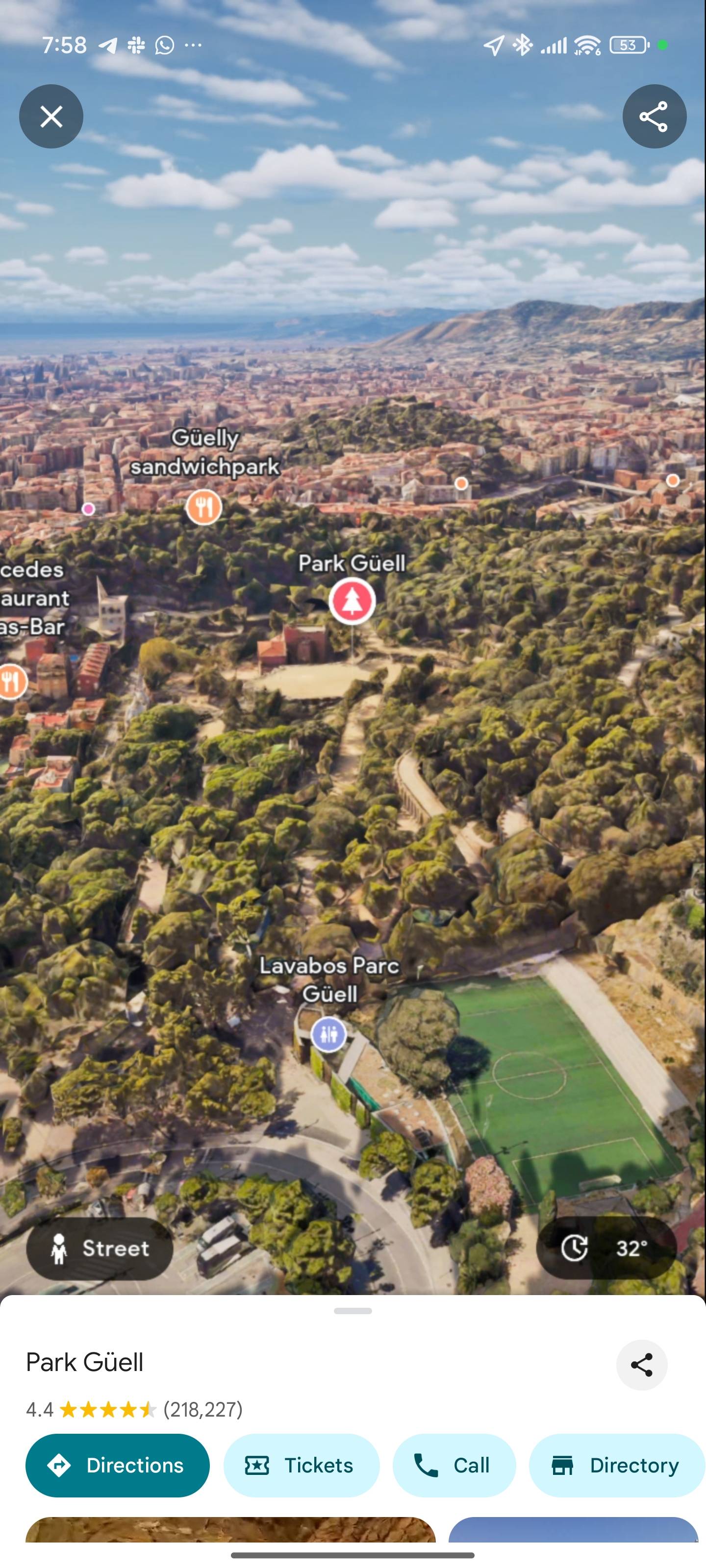
Credit: www.androidpolice.com
Impact On Real Estate Market
Zillow’s Bird’s Eye View was a popular feature in 2017. It gave users detailed aerial views of properties. Its removal affected how people looked at homes online.
Real estate agents and buyers had to find new ways to see properties. This change influenced how listings were presented and viewed.
User Adaptation To Alternatives
Users switched to other map tools and virtual tours after Bird’s Eye View ended. Many used Google Earth and street-level views to explore homes.
Virtual tours and video walkthroughs grew in popularity. These options helped buyers get a better feel for properties without Bird’s Eye View.
- Google Earth for aerial property views
- Street view for neighborhood checks
- Video tours to replace detailed images
- 3D home tours offered by some agents
Influence On Property Listings
Without Bird’s Eye View, real estate listings changed their visuals. Agents added more photos and videos to show homes clearly.
Listings focused on high-quality images and detailed descriptions. This helped buyers understand the property’s layout and surroundings better.
- More interior and exterior photos in listings
- Increased use of video walkthroughs
- Detailed neighborhood information added
- Use of interactive maps without aerial views
Current State Of Zillow Mapping Tools
Zillow used to offer a Birds Eye View feature in 2017. This gave users angled aerial photos of homes. It helped people see properties from a new perspective.
Today, Zillow’s mapping tools have changed a lot. The Birds Eye View is no longer available. Zillow now uses updated maps and images to show homes and neighborhoods.
New Features And Innovations
Zillow added new mapping tools to improve user experience. They now offer 3D home tours and street-level views. These tools give detailed looks inside and outside homes.
Zillow also uses interactive maps that show nearby schools, parks, and businesses. Users can see more information about the neighborhood easily.
- 3D home tours with room-by-room views
- Street-level photos and virtual walks
- Interactive neighborhood maps
- Property boundaries and lot shapes
Comparison With Birds Eye View
Birds Eye View showed angled aerial photos from a fixed height. It gave a clear image of home roofs and yards. But it lacked interior views and neighborhood details.
Current Zillow tools offer more than just aerial photos. They include inside views and street-level images. Users get a better sense of the home and surroundings.
- Birds Eye View: angled aerial photos only
- Current tools: 3D tours and street views
- Old tool showed roofs, new tools show interiors
- New maps provide more neighborhood info

Credit: www.dispatch.com
Lessons Learned From Zillow Birds Eye View
Zillow’s Birds Eye View was an innovative feature launched in 2017. It offered angled aerial images of properties. This view gave users more context than traditional maps or photos.
The feature did not last long, but it provided useful lessons. These lessons help us understand technology adoption and market demand better.
Technology Adoption Insights
The Birds Eye View required advanced imaging technology and data processing. This created challenges for Zillow and its users.
- High costs slowed expansion to many regions.
- Some users found the images hard to interpret.
- Mobile devices struggled with loading detailed images fast.
- Frequent updates were needed to keep images current.
These points show the importance of balancing technology with user experience. New tech must be easy to use and affordable to maintain.
Market Demand Considerations
Zillow had to decide if users wanted this feature enough to support its costs. Market demand plays a big role in keeping tech features alive.
| Factor | Impact on Birds Eye View |
| User Interest | Moderate; many preferred traditional views |
| Competition | Strong; other platforms focused on simpler images |
| Cost vs Benefit | High cost with unclear return |
| Usage Frequency | Low; most users did not use it regularly |
Understanding what users want and use helps companies decide where to invest. Features must fit real needs and habits.

Credit: www.russellglen.com
Frequently Asked Questions
What Happened To Zillow Birds Eye View In 2017?
In 2017, Zillow phased out Birds Eye View to focus on newer 3D and aerial imaging technologies. This shift aimed to improve user experience with interactive and updated property visuals.
Why Did Zillow Remove Birds Eye View Images?
Zillow removed Birds Eye View images to adopt advanced mapping tools. These newer tools offer better detail, accuracy, and interactive features that Birds Eye View lacked.
How Can I View Properties Without Birds Eye View?
You can explore Zillow’s 3D Home tours and street-level images. These provide immersive, up-to-date views of properties, replacing the older Birds Eye perspective.
Is Birds Eye View Still Available On Zillow Now?
No, Birds Eye View was discontinued and is no longer available on Zillow. Zillow now prioritizes modern imaging like 3D tours and satellite maps.
Conclusion
Zillow’s Birds Eye View in 2017 changed. Users noticed its absence. Zillow shifted focus to other features. The change was unexpected for many. Alternatives exist, like Google Earth. These offer similar views. Understanding these changes helps in navigation. Technology keeps evolving, impacting tools we use.
Staying updated is key for users. Explore other mapping options available. They provide diverse viewing experiences. Keep checking Zillow for new updates. Tech advancements continue to shape our world. Users must adapt to these shifts.




