
Have you ever thought about making clothes for birds? It might sound unusual, but dressing your feathered friends can be fun and rewarding.
Imagine seeing your pet bird looking stylish and feeling cozy at the same time. In this guide, you’ll discover simple steps to create comfortable and safe outfits for your birds. Whether you want to protect them from cold weather or just add a touch of charm, you’ll find easy tips that anyone can follow.
Keep reading, and you’ll learn how to make bird clothes that your little companions will love!
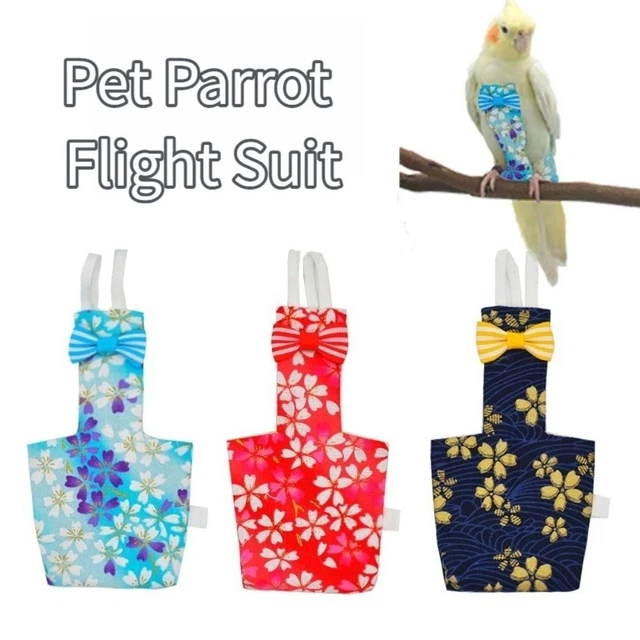
Credit: picclick.com.au
Choosing Safe Materials
Choosing the right materials for making clothes for birds is crucial to keep your feathered friend safe and comfortable. Birds are sensitive creatures, and the wrong fabric or small parts can cause discomfort or even harm. Let’s look at how to select materials that protect your bird while letting it enjoy wearing its new outfit.
Non-toxic Fabrics
Always pick fabrics that are free from harmful chemicals or dyes. Natural fibers like cotton, linen, and bamboo are excellent choices because they don’t irritate the bird’s skin.
I once used a synthetic fabric with strong dyes, and my parrot showed signs of irritation quickly. Switching to organic cotton solved the problem immediately.
Check labels carefully and avoid materials treated with flame retardants or other chemicals. Your bird’s health depends on it.
Lightweight And Breathable Options
Birds regulate their body temperature through their feathers, so heavy or thick fabrics can cause overheating. Choose lightweight materials that allow air to pass through easily.
Think about summer clothing for humans—would you wear a thick wool sweater on a hot day? Your bird feels the same way.
Fabrics like gauze cotton or thin jersey knit work well. They keep your bird cool and comfortable during playtime or outings.
Avoiding Small Parts
Birds love to chew and can swallow small parts like buttons, beads, or sequins, which can be dangerous. Avoid decorations that can come loose easily.
Instead of using small embellishments, try sewing on fabric patches or embroidery that won’t pose a choking hazard.
Ask yourself: would your bird be tempted to peck at this? If yes, it’s safer to leave it off.
Measuring Your Bird
Measuring your bird accurately is the foundation of creating comfortable and well-fitting clothes. Birds come in many shapes and sizes, so taking precise measurements ensures the outfit won’t be too tight or too loose. This step requires patience and a gentle touch to keep your feathered friend calm and cooperative.
Taking Accurate Body Measurements
Use a soft measuring tape to get around your bird’s body without squeezing too tightly. Measure around the chest, just below the wings, where most clothes will sit. Also, measure the length from the base of the neck to the start of the tail feathers.
Try measuring twice to avoid mistakes and write down the numbers immediately. If your bird is restless, enlist a friend to help hold it gently. Remember, accuracy here prevents discomfort later.
Considering Feather Placement
Feathers are delicate and vital for your bird’s comfort and movement. Avoid measuring or fitting clothes over fragile feather areas like wing tips and tail feathers. Instead, focus on the body’s smoother parts where feathers lie flat.
Think about how the outfit will sit without crushing feathers or restricting fluffing. You want your bird to look stylish without any feather damage. Have you noticed how birds preen their feathers often? Clothes should never stop this natural behavior.
Allowing Room For Movement
Birds are active creatures who flap, stretch, and hop around constantly. Add extra room—about half an inch to an inch—when tailoring your bird’s clothes. This space lets your bird move freely and stay comfortable.
Test the fit by gently moving your bird’s wings and legs during a fitting. If the clothes feel restrictive, adjust the design before finalizing. Your bird’s happiness depends on unrestricted movement, not just a perfect look.
Simple Clothing Designs
Simple clothing designs for birds focus on comfort and ease of making. They suit beginners and provide quick results. Choosing basic shapes and materials helps create wearable bird clothes.
These designs use minimal sewing or no sewing at all. They allow freedom of movement for birds. Soft fabrics like fleece or cotton work best to avoid irritation.
No-sew Wraps And Capes
No-sew wraps and capes are easy and quick to make. Use soft fabric cut into rectangles or circles. Wrap the fabric gently around the bird’s body.
- Secure with Velcro strips or simple ties.
- Leave neck and wing areas free for comfort.
- Adjust size by folding or trimming fabric.
These designs keep birds warm without restricting movement. They are perfect for small birds and quick outfit changes.
Easy-to-make Vests
Vests offer a simple style that fits well on birds. Cut fabric into a T or U shape to cover the chest and back.
- Use soft, stretchy fabric for comfort.
- Cut small armholes to fit wings.
- Stitch or glue edges to prevent fraying.
Vests are lightweight and allow birds to move easily. They provide extra warmth and style with minimal effort.
Using Velcro And Elastic
Velcro and elastic make clothing easy to wear and remove. Attach Velcro strips at neck and belly for secure fastening.
- Elastic bands help fit clothes snugly without tightness.
- Combine Velcro and elastic for adjustable designs.
- Ensure no sharp edges touch the bird’s skin.
These materials speed up dressing and undressing. They keep clothes in place while allowing quick adjustments.

Credit: kryptikote.com
Step-by-step Crafting Tips
Making clothes for birds requires patience and attention to detail. Breaking down the process into clear, manageable steps helps you avoid common mistakes and create comfortable, well-fitting outfits. Let’s walk through the crafting tips that make this project enjoyable and successful.
Cutting Fabric Safely
Choose lightweight, breathable fabric to keep your bird comfortable. Use sharp fabric scissors to ensure clean cuts without fraying edges. Always cut on a flat surface and keep your fingers clear of the blades to avoid accidents.
It helps to pin your pattern pieces securely to the fabric before cutting. This prevents shifting and keeps your shapes precise. Have you ever struggled with uneven cuts? Proper preparation can save you from that frustration.
Assembling Pieces
Start by aligning the fabric pieces with the right sides facing each other. Use small, neat stitches to join the edges—this keeps the seams strong without bulk. If you’re hand-sewing, a simple running stitch or backstitch works well.
For added durability, reinforce stress points like armholes or neck openings with extra stitching. Don’t rush this part; careful assembly means your bird’s clothing lasts longer and fits better. Think about how a loose seam could make your bird uncomfortable or even cause harm.
Finishing Touches
Add soft trims or elastic bands to secure the clothes without restricting movement. Test the fit gently on your bird to ensure it’s snug but not tight. Small adjustments now prevent bigger problems later.
Consider adding decorative elements like tiny buttons or patches, but keep safety in mind—nothing your bird could swallow. How will you balance style and comfort in your creation? Your bird’s happiness depends on it.
Fitting And Adjustments
Fitting and adjustments are key to making comfortable clothes for birds. Clothes must fit well to avoid stress or injury. Small tweaks often improve how the garment sits on your bird. Careful checking and quick fixes keep the outfit safe and cozy.
Checking Comfort And Fit
Observe the bird while wearing the clothes. The fabric should not press too tightly on the body. Wings and tail need freedom to move. Look for any signs of discomfort like flapping or scratching. The garment should sit snug but not restrict breathing.
Making Quick Alterations
Simple stitches can loosen tight spots. Use soft thread to avoid irritation. Adjust straps or fasteners for a better hold. Cut small fabric pieces if the garment feels bulky. Always test changes gently on your bird before full wear.
Monitoring Bird’s Behavior
Watch how the bird acts over time. Signs of distress include constant pecking at clothes or unusual quietness. Regularly check for skin irritation or feather damage. Remove the outfit if the bird seems unhappy. Comfort and safety come first in all clothing decisions.
Maintaining Bird Clothes
Clothes for birds need gentle care to stay clean and safe. Use soft fabrics and wash them by hand to avoid damage. Regular checks help keep the clothes comfortable for your bird.
Maintaining bird clothes ensures they last longer and keep birds comfortable. Proper care prevents wear and tear, maintaining both style and function.Cleaning Guidelines
Regular cleaning keeps bird clothes fresh and hygienic. Use mild soap and warm water to wash them gently. Avoid harsh chemicals that might harm delicate fabrics. Rinse thoroughly to remove all soap. Dry the clothes completely before using them again. This prevents mold and bacteria growth.Storage Tips
Proper storage preserves the quality of bird clothes. Keep them in a cool, dry place. Use breathable bags or containers to avoid moisture buildup. Separate clothes by season or type for easy access. Keep them away from direct sunlight to prevent fading.Replacing Worn-out Pieces
Regularly check for signs of wear. Look for frayed edges or stretched fabric. Replace clothes that no longer fit or are damaged. Ensuring a good fit keeps birds comfortable and safe. Fresh, well-fitted clothes improve the bird’s overall appearance. Regular updates keep your bird’s wardrobe current and stylish.Creative Styling Ideas
Creative styling ideas for making clothes for birds focus on soft, lightweight fabrics that fit comfortably. Simple designs using bright colors can keep your feathered friends cozy and stylish. Small details like gentle fastenings ensure safety and ease of wear.
Creating clothes for birds opens up a world of creativity and fun. Birds, with their vibrant personalities and unique characteristics, deserve garments that reflect their charm. Dive into the art of bird fashion with these creative styling ideas.Adding Colors And Patterns
Choosing the right colors and patterns can make your bird’s outfit stand out. Think about your bird’s natural colors and choose complementary shades to enhance their beauty. Bold, contrasting patterns can add a playful touch—stripes, polka dots, or even tiny floral prints can bring your bird’s attire to life. Consider mixing solid colors with patterns to create a balanced look. If your bird has a vibrant plumage, subtle pastels might work best. Experiment and have fun with swatches of fabric to see what matches your bird’s personality.Incorporating Accessories
Accessories can transform a simple bird outfit into something extraordinary. Tiny hats, miniature scarves, or delicate beads can add flair and personality. Just ensure any accessory is lightweight and safe for your feathered friend. Reflect on how you accessorize your own outfits. A small bow or a tiny bell can be both fashionable and functional, providing a gentle sound that might entertain both you and your bird. Always prioritize your bird’s comfort and safety when adding any embellishments.Seasonal Outfits
Dress your bird according to the seasons to keep their style fresh and relevant. Lightweight fabrics in bright colors are perfect for summer, while cozy fleece can keep your bird snug in winter. Think of festive occasions as an opportunity to get creative. A little pumpkin costume for Halloween or a red and green ensemble for the holidays can bring joy to you and your bird. Remember, the goal is to celebrate the season while ensuring your bird feels comfortable and secure.
Credit: www.amazon.ca
Frequently Asked Questions
What Materials Are Best For Making Bird Clothes?
Soft, lightweight fabrics like cotton or fleece are ideal for bird clothes. They provide comfort and warmth without restricting movement.
How Do I Measure My Bird For Custom Clothing?
Measure your bird’s chest, neck, and wingspan gently. Use a flexible tape to ensure accuracy without causing stress.
Are Bird Clothes Safe For All Bird Species?
Not all birds tolerate clothes well. Smaller or delicate species may find clothes stressful, so observe behavior and prioritize safety.
How Can I Make Bird Clothes Comfortable And Breathable?
Choose breathable fabrics and avoid tight stitching. Ensure clothes fit loosely to allow natural movement and airflow.
Conclusion
Making clothes for birds can be a fun and creative activity. Start with soft, safe materials to keep birds comfortable. Small stitches and lightweight fabrics work best. Always check that the clothes do not restrict movement or breathing. Watch how your bird reacts to the outfit.
Remember, patience is key while dressing birds. With care and practice, you can create cute, cozy bird clothes easily. Enjoy the process and keep your feathered friend happy and safe. Simple steps lead to great results. Try it and see the joy it brings!




