
Have you ever wondered how your car shows a complete view from above, making parking and tight maneuvers so much easier? That amazing feature is called a bird’s eye view camera, and it’s changing the way you see the road around your vehicle.
Imagine having eyes all around your car, helping you avoid obstacles and park perfectly every time. You’ll discover how this technology works and why it’s becoming a must-have for safer, stress-free driving. Keep reading to unlock the secrets behind your car’s incredible perspective.

Credit: www.carsales.com.au
Bird’s Eye View Camera Basics
Cars with bird’s eye view cameras use several cameras placed around the vehicle. These cameras capture images from different angles.
The system then stitches these images together. This creates a single view that looks like the car is seen from above.
Purpose And Benefits
The main purpose is to help drivers see the area around their car clearly. This reduces blind spots and helps avoid accidents.
Bird’s eye view cameras make parking easier. Drivers can see obstacles that are hard to spot with mirrors alone.
- Improves safety by showing hidden objects
- Makes parking in tight spaces easier
- Helps avoid scratches and dents
- Assists with precise vehicle positioning
Common Applications
Many modern cars use bird’s eye view cameras for parking assistance. They are also common in SUVs and trucks.
Besides parking, these cameras help in off-road driving. Drivers get a better sense of the terrain around the vehicle.
- Parking in crowded areas
- Driving in narrow streets
- Off-road vehicle navigation
- Trailer and hitch alignment
Key Components
Bird’s eye view cameras give cars a 360-degree view from above. They help drivers see around the vehicle. This system uses several key parts working together.
Understanding the main components helps explain how the camera system works. Each part plays a special role in creating the full image.
Multiple Cameras Setup
Cars use several small cameras placed around the vehicle. Usually, these cameras are on the front, rear, and sides. They capture different views to cover blind spots.
- Front camera shows what is ahead.
- Rear camera captures the back view.
- Side cameras cover the left and right areas.
- All cameras work together for a full surround view.
Image Processing Unit
This unit collects video feeds from all cameras. It then stitches these images together. The result is a smooth, single top-down view of the car’s surroundings.
| Function | Description |
| Image Capture | Receives video from multiple cameras |
| Image Stitching | Combines images into one seamless view |
| Image Correction | Adjusts brightness and removes distortion |
| Output | Sends the final image to the car’s display |
Display Interface
The display shows the bird’s eye view to the driver. It is usually inside the dashboard screen. Drivers see a clear, real-time image to help park or avoid obstacles.
- Receives the processed image from the processing unit
- Shows a clear top-down view
- May include guidelines for parking
- Updates the image as the car moves
How Cameras Capture Surroundings
Bird’s eye view cameras give drivers a full view around their cars. They help show blind spots and improve safety. These cameras work by capturing images from different angles.
The way these cameras see the environment depends on lens type and where they are placed on the vehicle. Both factors are important to get a clear and wide view.
Wide-angle Lenses
Wide-angle lenses capture more area in a single shot than normal lenses. They bend light to show a bigger scene. This helps the camera see the sides and ground around the car.
- Cover large areas with fewer cameras
- Reduce blind spots around the vehicle
- Provide a clear view of nearby objects
- Work best with high-resolution sensors
Camera Placement On Vehicles
Cameras are placed at key points on the car to capture all angles. Common spots include the front grille, side mirrors, and rear bumper. This arrangement helps create a full 360-degree view.
| Camera Location | Purpose |
| Front grille | Capture forward view |
| Side mirrors | Cover side areas |
| Rear bumper | Show rear surroundings |

Credit: www.carsales.com.au
Image Stitching And Processing
Cars use bird’s eye view cameras to give drivers a clear top-down image. These cameras help drivers see all around the vehicle.
The system combines pictures from several cameras. It processes these images to create one wide view.
Combining Multiple Views
Cars have cameras on the front, back, and sides. Each camera captures a part of the area around the car.
- Each camera sends images to a central processor.
- The processor corrects lens distortion in each image.
- Images are aligned to match the car’s shape and size.
- The system blends the edges to avoid visible seams.
- The final stitched image shows a smooth, full 360-degree view.
Real-time Processing Challenges
Processing images fast is hard because the car moves and lighting changes.
| Challenge | Description | Solution |
| Low Light | Night or shadow areas | Adjust brightness and contrast |
| Motion Blur | Car or objects moving quickly | Use fast shutter cameras |
| Lens Distortion | Wide-angle cameras bend images | Apply distortion correction |
| Image Alignment | Different camera angles | Use calibration data for accuracy |
| Processing Speed | Need for instant updates | Use powerful processors and optimized software |
Technology Behind The Software
Cars with bird’s eye view cameras use special software to show a full 360-degree view. This helps drivers see all around the car.
The software combines images from many cameras. It fixes angles and detects objects to keep the driver safe.
Algorithms For Perspective Correction
The cameras are placed around the car at different angles. The software uses algorithms to correct the perspective.
This process turns many camera views into one flat, bird’s eye image. It removes distortion and aligns the pictures.
- Maps camera images to a top-down view
- Adjusts for lens distortion
- Blends edges smoothly between images
- Updates in real time while driving
Object Detection And Alerts
The software uses object detection to find cars, people, and obstacles near the vehicle. It warns the driver if something is close.
Alerts may include sounds, lights, or messages on the screen. This helps prevent accidents and improves safety.
- Detects moving and stationary objects
- Tracks object distance and speed
- Triggers alerts for possible collisions
- Works in different lighting and weather
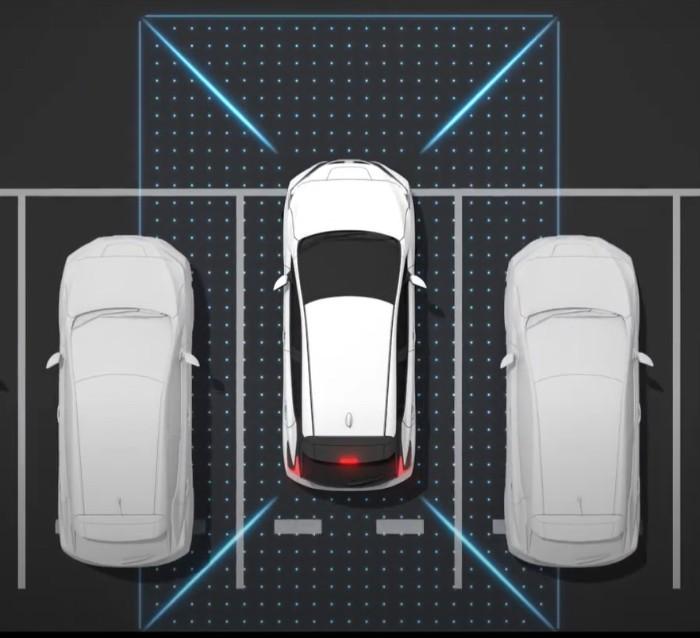
Credit: www.uk-car-discount.co.uk
Integration With Other Systems
Cars use bird’s eye view cameras to help drivers see all around the vehicle. These cameras work with other car systems for better safety and control.
Combining the camera with smart systems makes driving easier. The camera shows clear views and sends data to assist features.
Parking Assistance
The bird’s eye view camera helps parking by giving a full view around the car. It connects with parking sensors to show obstacles.
This system guides the driver with visual alerts and sounds. It shows safe paths to park without hitting objects.
- Camera feeds combine with sensor data
- On-screen display shows surroundings
- Alerts warn about nearby obstacles
- Helps with parallel and tight parking
Autonomous Driving Support
Bird’s eye cameras provide 360-degree views for autonomous driving systems. They help the car detect other vehicles and pedestrians.
The camera works with radar and lidar to create a detailed map around the car. This helps the car make safe driving decisions.
- Feeds real-time images to the car’s computer
- Supports obstacle detection and avoidance
- Improves lane keeping and path planning
- Works with other sensors for better accuracy
Future Innovations
Bird’s eye view cameras in cars help drivers see around their vehicle. These cameras use several small cameras to create a top-down image. In the future, new technology will make these views clearer and smarter.
Car makers and tech companies work on new ideas. These ideas will improve safety and make driving easier. Let’s look at some future innovations.
Higher Resolution And 3d Imaging
Future bird’s eye view cameras will use higher resolution sensors. This means the images will be sharper and show more details. Drivers can see small objects or obstacles clearly.
3D imaging will add depth to the view. Instead of just a flat image, drivers will see height and distance. This helps in tight parking spots and tricky driving situations.
- Sharper images with more pixels
- 3D views show distance and height
- Better obstacle detection in real time
Ai Enhancements
Artificial intelligence will help analyze camera images fast. AI can spot objects like pedestrians, bikes, or animals. It warns drivers about possible dangers quickly.
AI can also improve image quality by reducing noise and adjusting lighting. This makes the bird’s eye view clearer in dark or bright conditions.
- Detects objects and alerts drivers
- Improves image clarity automatically
- Adapts to different weather and light
Frequently Asked Questions
How Do Bird’s Eye View Cameras Work In Cars?
Bird’s eye view cameras use multiple cameras around the car to capture images. These images are stitched together to create a 360-degree overhead view. This helps drivers see their surroundings clearly and park safely.
What Technology Enables A 360-degree Car Camera System?
The system uses wide-angle cameras, image processing software, and sensors. These components combine to provide a seamless top-down view. Advanced algorithms stitch images in real-time for accuracy and clarity.
Are Bird’s Eye View Cameras Useful For Parking?
Yes, they make parking easier by showing obstacles around the car. Drivers get a clear view of tight spaces and potential hazards. This reduces the risk of collisions and improves safety.
Can Bird’s Eye View Cameras Replace Side Mirrors?
No, they complement but do not replace side mirrors. Cameras offer a better overall view, but mirrors are still essential for blind spots and quick checks. Both work together for safer driving.
Conclusion
Understanding how cars have a bird’s eye view camera can help you. It makes parking and navigating easier. This technology uses multiple cameras. They provide a comprehensive view around the car. It enhances safety and convenience. This innovation is becoming more common in modern vehicles.
Now, you know how it works. Next time, appreciate the technology when you drive. It makes driving more secure and stress-free. Explore cars with this feature for a better driving experience. Remember, technology can improve our daily lives in many ways.
Keep learning and stay informed.




