
Have you ever wished you could see your car from above, like a bird soaring high in the sky? Imagine having that clear, wide view of your vehicle and the road around it, giving you a new level of control and safety.
This bird’s eye view isn’t just a cool gadget—it can change the way you drive and park. You’ll discover how this perspective works and why it’s becoming a game-changer for drivers like you. Keep reading to find out how a car’s bird’s eye view can make your driving experience smarter and safer.

Credit: www.freepik.com
Birds Eye View Technology
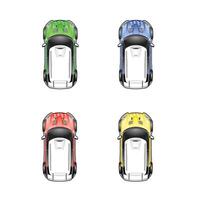
Birds Eye View Technology shows a car from above. It helps drivers see all around the vehicle. This view makes parking and driving safer.
The system uses cameras and sensors. It creates a clear, 360-degree image. Drivers get a full view without moving their heads.
How It Works
Cameras are placed around the car. They capture live video from different angles. The system combines these images into one view.
The combined view is shown on the car’s screen. Drivers see the car’s surroundings from above. This helps avoid obstacles and tight spots.
Types Of Systems
There are several types of birds eye view systems. Each uses a different number of cameras. Some systems offer more detailed images than others.
- Four-camera systems: One camera on each side of the car
- Six-camera systems: Add front and rear cameras for better views
- Software-based systems: Use video stitching to create seamless images
Integration With Car Sensors
The birds eye view system works with other car sensors. It connects to parking sensors and alarms. This improves safety by warning drivers of dangers.
Sensors detect objects near the car. The system highlights these objects on the screen. Drivers get alerts for nearby obstacles or pedestrians.
Credit: www.vecteezy.com
Benefits For Drivers
A bird’s eye view camera shows drivers a clear overhead image of their car. This helps drivers see all around the vehicle. It improves how they control the car in tight spaces.
This technology makes driving safer and easier. Drivers can avoid obstacles and park more smoothly. It also helps with better route choices.
Enhanced Safety
The bird’s eye view gives a full view of the car’s surroundings. Drivers can spot pedestrians, cyclists, and objects that are hard to see. This reduces accidents and near misses.
- Detects obstacles in blind spots
- Helps avoid collisions in parking lots
- Improves awareness of nearby traffic
- Alerts drivers to moving objects around the car
Easier Parking
Parking can be hard in small spaces. The bird’s eye view shows exact distance to curbs and other cars. This view helps drivers park with confidence.
| Parking Challenge | How Bird’s Eye View Helps |
| Parallel parking | Shows space length and curb position |
| Tight spots | Displays clearance on all sides |
| Backing into spots | Reveals obstacles behind the car |
Improved Navigation
Drivers can better judge turns and lane position with a bird’s eye view. It helps when driving on narrow roads or in heavy traffic.
Key navigation benefits include:
- Clear view of road edges and markings
- Helps avoid curbs and road hazards
- Makes lane changes smoother and safer
- Supports confident driving in complex areas
Popular Car Models With Birds Eye View
Birds eye view cameras help drivers see all around their cars. This feature makes parking and driving safer. Many car models now include birds eye view systems.
This technology uses multiple cameras to create a top-down image of the vehicle. It shows obstacles and nearby objects clearly.
Luxury Vehicles
Luxury car brands often include birds eye view as a standard feature. These systems use high-quality cameras and sensors.
Examples include brands like Mercedes-Benz, BMW, and Audi. Their systems offer clear images and multiple viewing angles.
- Mercedes-Benz S-Class
- BMW 7 Series
- Audi Q7
- Lexus RX
Affordable Options
Some affordable cars now offer birds eye view cameras as optional features. These models give more drivers access to the technology.
Brands like Toyota and Hyundai include this feature in mid-range models. These systems help drivers park in tight spaces safely.
- Toyota RAV4
- Hyundai Tucson
- Honda CR-V
- Nissan Rogue
Aftermarket Systems
Aftermarket birds eye view systems can be added to older cars. These kits use several cameras and a monitor inside the car.
They offer a low-cost way to get birds eye view without buying a new car. Installation may require professional help.
- Multi-camera kits with 360-degree view
- Easy-to-install plug and play options
- Compatibility with most car models
- Display screens that fit on the dashboard
Challenges And Limitations
A car bird’s eye view system helps drivers see around their vehicle from above. It uses cameras and sensors to create a full image. Despite its benefits, the system has some challenges.
These challenges affect how well the system works in real life. Understanding them helps to know its limits and when it may not be reliable.
Weather Impact
Bad weather can reduce the quality of the bird’s eye view. Rain, snow, and fog make cameras less clear. Dirt and water drops on lenses block the view.
Low light during storms or at night can also cause problems. The system may show blurry or dark images. This limits the driver’s ability to see obstacles.
- Rain and snow cover cameras
- Fog reduces visibility
- Dirty lenses block the view
- Low light causes poor image quality
System Calibration
The bird’s eye view needs proper calibration to work right. Cameras must be aligned carefully to stitch images correctly. Wrong setup causes distorted or misplaced views.
Calibration can be lost after hitting a bump or after repairs. It requires special tools and knowledge to fix. If not done well, the system can confuse the driver.
- Cameras must be aligned precisely
- Calibration can shift after impacts
- Repairs need professional calibration
- Poor calibration causes image errors
Cost Factors
Bird’s eye view systems add extra cost to cars. Installing multiple cameras and sensors is expensive. The technology raises the price of the vehicle.
Maintenance and repair costs can be high too. Replacing damaged cameras or fixing calibration requires skilled labor. This may increase the overall cost for owners.
- Multiple cameras increase production cost
- Special parts are expensive to replace
- Calibration needs skilled technicians
- Maintenance adds to ownership cost
Future Trends
Cars with birds eye view technology are changing fast. New trends will improve how drivers see around their vehicles.
This article looks at three future trends that will shape this technology: AI integration, augmented reality views, and 360-degree vision enhancements.
Ai Integration
Artificial intelligence will help cars analyze the bird’s eye view data. AI can detect objects and warn drivers in real time.
- Automatic obstacle detection
- Predicting pedestrian movement
- Smart parking assistance
- Real-time hazard alerts
Augmented Reality Views
Augmented reality (AR) will add digital layers to the bird’s eye view. Drivers can see navigation cues directly on the display.
- Turn-by-turn directions on the screen
- Highlighting nearby points of interest
- Showing safe zones for parking
360-degree Vision Enhancements
Future systems will offer clearer and wider 360-degree views around the car. This helps eliminate blind spots.
| Feature | Benefit |
| Higher resolution cameras | Sharper images for better detail |
| Improved stitching software | Smoother, seamless views |
| Night vision integration | Better visibility in darkness |

Credit: www.freepik.com
Frequently Asked Questions
What Is A Car Bird’s Eye View Camera System?
A car bird’s eye view camera system provides a 360-degree overhead image. It combines multiple cameras to give drivers a complete view around the vehicle. This helps in parking, maneuvering, and avoiding obstacles safely and easily.
How Does A Bird’s Eye View Improve Driving Safety?
Bird’s eye view improves safety by eliminating blind spots. It shows a clear image of the vehicle’s surroundings. Drivers can detect pedestrians, other vehicles, and obstacles, reducing the risk of accidents in tight spaces or complex environments.
Can Bird’s Eye View Assist In Parking?
Yes, bird’s eye view is especially helpful during parking. It offers a top-down view, making parallel and tight parking easier. This system guides drivers to park accurately without hitting curbs or nearby objects, saving time and preventing damage.
Are Bird’s Eye View Cameras Standard In All Cars?
No, bird’s eye view cameras are usually available in mid to high-end car models. Some manufacturers offer it as an optional feature. It is becoming more common as technology advances and safety demands increase.
Conclusion
Exploring a car from a bird’s eye view offers unique insights. It provides a fresh perspective on design and functionality. This view helps us appreciate the car’s shape and structure. Spotting details becomes easier, enhancing our understanding. Such perspectives can change how we see everyday objects.
It’s fascinating to observe things we often overlook. Embracing this view can enrich our automotive experiences. Next time, try seeing your car from above. You might discover new things. Engaging with your car this way can be rewarding. It deepens appreciation for engineering and design.




