
Have you ever wondered how filmmakers capture those stunning shots that make you feel like you’re soaring high above everything? That’s the magic of a Birds Eye View Shot.
This unique camera angle lets you see the entire scene from directly above, giving you a fresh perspective that can completely change how you experience a story. If you want to understand why this shot is so powerful and how it can make your videos or photos stand out, keep reading.
You’re about to discover everything you need to know about Birds Eye View Shots and how to use them to grab attention and create impact.

Credit: www.freepik.com
Basics Of Birds Eye View
The birds eye view shot is a camera angle from above. It shows the scene as if seen by a bird flying high in the sky.
This shot gives a wide view of the area below. It helps viewers understand the layout and spatial relationships.
Definition And Characteristics
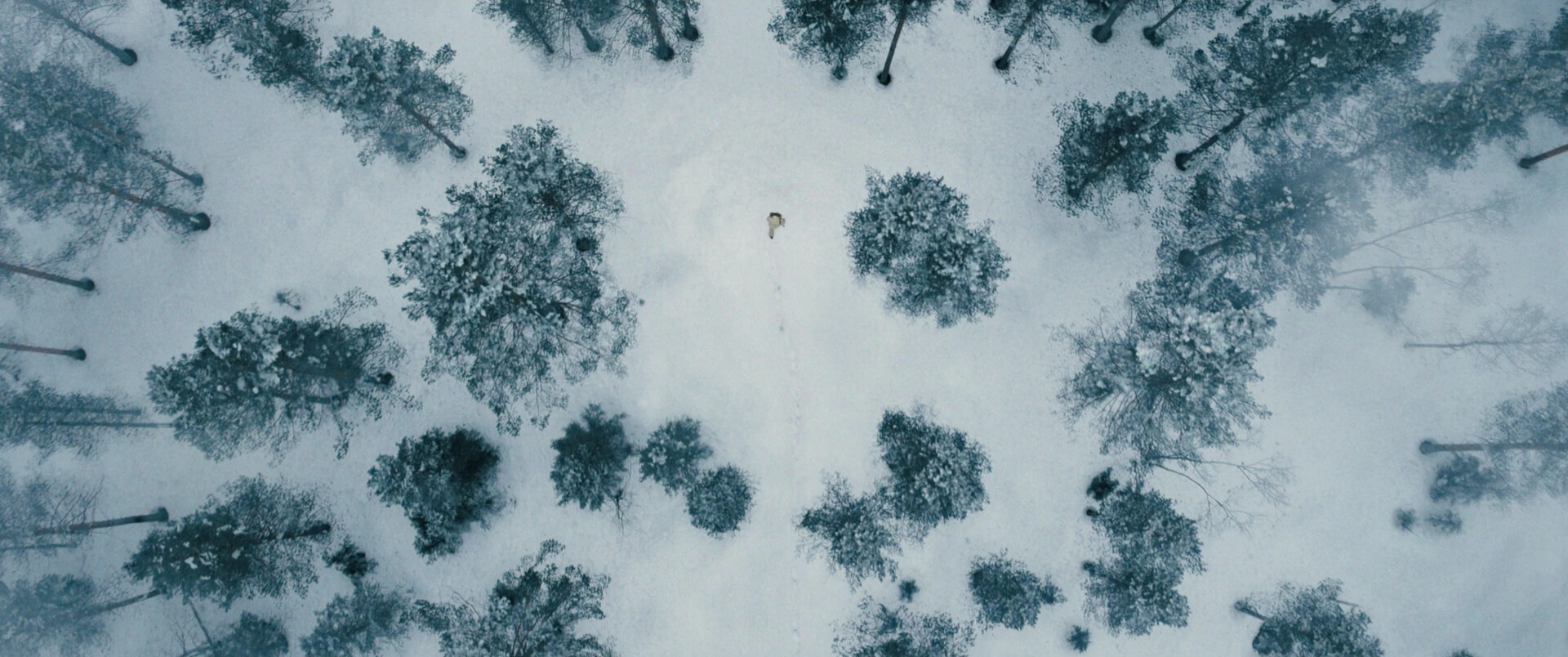
A birds eye view shot looks straight down on a subject or scene. It captures everything from a high point, often directly overhead.
- Shows a wide area in one frame
- Offers an objective perspective
- Can make subjects look small or insignificant
- Helps to show patterns, shapes, or movements
- Often used to set the scene or show geography
Historical Use In Visual Media
Birds eye view shots have been used in paintings, maps, and early films. They helped storytellers show locations clearly.
| Time Period | Use in Visual Media |
| Ancient Times | Maps and frescoes showing cities |
| Early 1900s | Films used birds eye shots for cityscapes |
| Modern Era | Used in movies, TV, and video games for scene setting |
Techniques For Capturing Birds Eye Shots
A birds eye view shot shows a scene from directly above. It gives a clear look at the layout below.
Capturing this shot needs the right tools and careful positioning. This helps create strong images.
Equipment And Tools
Choosing the right gear makes birds eye shots easier. Cameras with wide lenses work well.
Drones are popular for getting high and steady views. Tripods with adjustable arms help indoors.
- Use drones for high altitude shots
- Wide-angle lenses capture more area
- Tripods add stability for sharp images
- Remote controls let you shoot safely
Positioning And Angles
Position the camera directly above your subject for a true birds eye view. Keep the lens parallel to the ground.
Try different heights to change how much of the scene you see. Higher angles show more but lose detail.
- Place camera straight above the subject
- Keep lens level and parallel to surface
- Adjust height for wider or closer views
- Check for shadows that may distort image
Creative Uses In Photography And Film
The birds eye view shot shows a scene from directly above. It looks down on the subject or setting. This angle gives a new way to see familiar things.
Photographers and filmmakers use this shot to add interest and meaning. It helps to show space, shapes, and patterns clearly. It also changes how we feel about a scene.
Enhancing Storytelling
This shot helps tell stories by giving viewers a fresh viewpoint. It can show how small or large something is. It also can show the relationship between characters and their world.
Using a birds eye view can add drama or mystery. It can make a character look alone or powerful. Filmmakers often use it to start a scene and set the mood.
- Shows scale and size of places
- Highlights character positions and movements
- Creates mood by isolating subjects
- Helps viewers understand the scene layout
Creating Unique Compositions
From above, shapes and lines form new patterns. Photographers can use these patterns to make eye-catching images. This view breaks the normal way of seeing things.
It allows creative framing by capturing symmetry, geometry, or chaos. This style often draws attention and makes photos or films stand out.
- Emphasizes symmetry and shapes
- Shows repetitive patterns clearly
- Creates abstract or graphic effects
- Offers fresh angles for familiar subjects

Credit: www.freepik.com
Challenges And Solutions
A Birds Eye View Shot shows a scene from directly above. It gives a unique perspective but can be hard to film. This shot needs special care and tools to get right.
Many challenges come with making this shot. This article looks at two main issues: technical difficulties and safety concerns. It also suggests ways to handle them.
Technical Difficulties
Getting a clear Birds Eye View Shot requires the right equipment and setup. It can be tough to find the best angle and keep the camera steady.
- Mounting the camera high and stable is hard.
- Lighting may cause shadows or glare from above.
- Capturing wide areas needs special lenses.
- Movement in the shot can cause blur or shake.
Using drones or cranes can help get the right height and angle. Tripods with adjustable arms keep the camera steady. Lighting should be planned to avoid harsh shadows.
Safety Considerations
Filming from above can be risky. Equipment may fall, or people may get hurt if safety is ignored. Planning is key to keep everyone safe.
| Risk | Solution |
|---|---|
| Falling equipment | Secure mounts and use safety cables |
| Operator falls | Use harnesses and guardrails |
| Drone crashes | Follow flight rules and keep clear zones |
| Electric hazards | Check cables and avoid wet areas |
Examples Of Iconic Birds Eye Shots
Birds eye view shots show a scene from directly above. They give a clear look at the layout and space below.
This view helps tell stories in unique ways. Many films and photos use it to add drama or clarity.
Famous Films
Many famous films use birds eye shots to show scale or action. The shot gives viewers a broad view of the scene.
For example, in “The Grand Budapest Hotel,” a birds eye shot shows the hotel’s unique shape and setting. In “The Dark Knight,” the shot captures the chaos in Gotham City from above.
- “The Grand Budapest Hotel” – displays hotel layout
- “The Dark Knight” – shows city chaos
- “Kill Bill: Vol. 1” – highlights fight scenes
- “Birdman” – uses it for dramatic effect
Notable Photographs
Birds eye photographs often show landscapes, cities, or crowds. They give a new perspective on familiar scenes.
One famous example is the photo of a crowded beach seen from above. It shows patterns made by umbrellas and people. Another is aerial shots of cities like New York or Paris, showing their street grids.
- Beach crowd photo showing patterns
- New York City aerial view
- Paris street grid from above
- Aerial nature shots of forests and rivers
Credit: www.studiobinder.com
Tips To Master Birds Eye Perspective
A birds eye view shot shows a scene from directly above. It makes objects look flat and small. This view gives a new way to see places and things.
Taking birds eye shots can be tricky. You need good planning and editing to make the photo clear and interesting.
Planning And Preparation
Choose a safe and high spot to shoot from. Use drones, ladders, or tall buildings for the best view. Check the weather for clear skies and good light.
Think about the shapes and patterns that will show from above. Look for roads, people, or nature that create interesting designs in your photo.
- Scout the location before shooting
- Use a tripod or stable base
- Set your camera to a high resolution
- Use a wide-angle lens for more coverage
- Plan the time for soft and even light
Post-processing Techniques
Edit your birds eye photos to enhance details and colors. Crop the image to remove distractions and focus on the main subject. Adjust brightness and contrast for a balanced look.
Use sharpening tools to bring out textures. Try changing the saturation to make colors pop. Keep edits natural to maintain the true feel of the scene.
- Crop to improve composition
- Adjust brightness and contrast
- Sharpen details carefully
- Enhance colors with saturation
- Remove unwanted spots or objects
Frequently Asked Questions
What Is A Bird’s Eye View Shot?
A bird’s eye view shot captures a scene from directly above. This angle provides a unique perspective. It is often used to show the layout of a scene. Filmmakers use it to highlight relationships and spatial dynamics. It creates a sense of scale and grandeur in visual storytelling.
How Is A Bird’s Eye View Shot Used In Film?
In film, a bird’s eye view shot is used to establish settings. It helps in showing action sequences and transitions. This shot highlights the relationship between characters and their environment. Directors use it to convey a sense of detachment or authority.
It adds dramatic effect to storytelling.
Why Choose A Bird’s Eye View Shot?
A bird’s eye view shot offers a unique perspective. It enhances storytelling by showing spatial relationships. This shot adds depth and scale to scenes. It’s effective in capturing large areas and complex layouts. Filmmakers use it to evoke emotions and guide the audience’s focus.
What Equipment Is Needed For A Bird’s Eye View Shot?
A drone or crane is often used for bird’s eye view shots. These tools provide the necessary height and stability. Drones are popular due to their flexibility and ease of use. A wide-angle lens is also helpful. It captures a broader perspective of the scene.
Conclusion
Bird’s eye view shots show scenes from above. They give a clear view of places and people. Filmmakers use them to tell stories in a unique way. These shots help viewers understand the setting better. They also add drama and style to videos.
Now, you can spot bird’s eye views in many films and videos. Try to notice how they change the story’s feel. This simple shot makes scenes more interesting and easy to follow. It’s a useful tool for visual storytelling.




