
Have you ever wondered if birds can actually see the camera you use to capture their beauty? If you’re trying to photograph or observe birds, this question matters a lot.
Understanding whether birds notice a camera can help you get closer without scaring them away. You’ll discover surprising facts about how birds perceive cameras and simple tips to make your birdwatching or photography experience more successful. Keep reading to learn how to connect with your feathered friends without disturbing them.

Credit: view-birds.com
Bird Vision And Perception
Birds have unique ways of seeing and understanding their surroundings. Their vision plays a big role in how they react to new objects, like cameras. Learning about bird vision helps explain if they notice cameras or not.
How Birds See The World
Birds see more colors than humans. They can detect ultraviolet light, which is invisible to us. This ability helps them find food and mates. Their eyes also have a wide field of view. Some birds can see almost 360 degrees around them. This helps them spot predators quickly.
Birds have sharp vision. They can see small details from far away. Their eyes are large compared to their head size. This allows more light to enter, improving their sight in dim conditions. Many birds have two foveae, areas of sharp vision, which help them focus on different things.
Differences Between Bird And Human Vision
Birds and humans see the world in different ways. Humans have three types of color receptors. Birds have four or five types, including receptors for ultraviolet light. This means birds see a richer color palette.
Birds also have better motion detection. They notice fast movements that humans might miss. Their eyes are positioned on the sides of their heads. This gives them a wider view but less depth perception than humans. Some birds, like owls, face forward for better depth perception.
Birds process visual information faster. Their brains are wired to react quickly to visual cues. This quick response helps them avoid danger and catch prey.
Bird Reactions To Cameras
Birds often react differently when they see a camera nearby. Their responses can range from curiosity to caution or even avoidance. Understanding these reactions helps photographers and bird watchers capture better images without disturbing the birds. Observing how birds behave around cameras can reveal their comfort levels and natural instincts.
Common Bird Behaviors Around Cameras
- Curiosity: Some birds approach cameras to investigate the new object.
- Alertness: Many birds become still and watch the camera closely.
- Flight: Birds often fly away if the camera moves suddenly.
- Ignoring: Certain species may not notice or care about the camera.
- Alarm Calls: Some birds produce warning sounds to alert others.
Factors Influencing Bird Responses
- Camera Size: Larger cameras may seem threatening to birds.
- Movement: Sudden or fast camera movements can scare birds.
- Sound: Noise from camera shutters or motors can cause alarm.
- Distance: Birds react less if the camera is far away.
- Species: Some birds are more curious, others are shy or cautious.
- Previous Experience: Birds familiar with humans may tolerate cameras better.
Types Of Cameras And Their Impact
Understanding the types of cameras and their impact on birds is crucial if you want to observe or photograph them without disturbing their natural behavior. Different cameras emit varying levels of noise and light, which can alert or frighten birds. Let’s look at how traditional and modern camera technologies differ, and how factors like noise and flash affect your feathered subjects.
Traditional Vs. Modern Camera Technology
Traditional cameras often use mechanical shutters and mirrors that create noticeable sounds when taking a picture. These noises can startle birds, causing them to fly away or act nervously. I once tried using a vintage DSLR near a bird feeder and noticed the birds became hesitant after the first shot.
Modern cameras, especially mirrorless models, operate much more quietly. Many offer silent or electronic shutter modes, which reduce noise significantly. This quieter operation helps you capture candid bird moments without causing stress or disruption.
Besides noise, modern cameras tend to be lighter and more compact, making it easier to move quietly and blend into natural settings. Would switching to a quieter, smaller camera improve your chances of capturing authentic bird behavior?
Effects Of Camera Noise And Flash
Camera noise is one of the biggest factors that birds notice. Loud shutter clicks can alarm them, especially species that are sensitive to sudden sounds. Using noise-reducing camera settings or equipment like sound-dampening covers can help minimize this issue.
Flash is another key consideration. Bright flashes can scare birds or even harm their eyes, particularly in low-light situations. Some birds may avoid areas where flashes are frequently used, altering their natural activity patterns.
- Use natural light whenever possible to avoid disturbing birds.
- If flash is necessary, opt for diffused or low-intensity flashes.
- Test your camera’s flash on objects before using it near wildlife to gauge its brightness.
Have you noticed birds reacting differently when you use flash? Adjusting your camera settings to reduce noise and avoid flash can make your birdwatching or photography experience much more rewarding.

Credit: www.amazon.com
Techniques To Minimize Disturbance
Minimizing disturbance to birds while observing or photographing them requires thoughtful techniques. Birds are sensitive to changes in their environment, and sudden movements or unfamiliar objects can easily startle them. Using strategies that blend technology with nature-friendly practices helps you capture natural behavior without causing stress.
Camouflage And Concealment Tips
Blending your camera with the surroundings is key to avoiding detection by birds. Use natural materials like leaves, branches, or bark to cover your camera body. Avoid shiny surfaces or bright colors that can catch a bird’s eye and trigger alarm.
Position your camera near natural shelters such as bushes or tree trunks. This not only hides the device but also shields it from wind noise and movement. Remember to keep your distance and move slowly to prevent sudden disturbances.
- Wrap cameras with camouflage tape or fabric matching local foliage.
- Use lens hoods painted in earth tones to reduce glare.
- Set up your equipment during times when birds are less active, like midday.
Have you noticed how even small changes in your setup can impact bird behavior? Adjusting your camouflage can make a noticeable difference in how comfortable birds feel around your gear.
Using Remote And Silent Cameras
Remote cameras let you observe birds from a distance, reducing your physical presence. Wireless triggers or motion sensors can activate the camera, so you don’t need to be nearby. This approach significantly lowers the chance of disturbing the birds.
Silent cameras prevent shutter noise, which can scare off even curious birds. Many modern trail cameras and mirrorless cameras offer quiet modes. Using these tools helps you remain invisible not only visually but also acoustically.
- Set up motion-activated cameras near nests or feeding areas.
- Use smartphone apps to control cameras remotely without approaching the site.
- Choose cameras with no flash or use infrared lighting for night observations.
Have you tried watching birds without being physically present? Remote and silent cameras can change your perspective and bring you closer to natural moments.
Surprising Findings From Studies
Researchers have studied how birds respond to cameras in their environment. The results often surprise both scientists and bird watchers. Birds do notice cameras, but their reactions vary widely. Some show curiosity, while others stay cautious or ignore them completely. These findings help us understand bird behavior better.
Unexpected Bird Reactions
Some birds approach cameras with interest, pecking or inspecting them closely. Others act as if the camera is not there at all. In a few cases, birds become aggressive toward cameras. This behavior may be a way to protect their territory. Researchers have also seen birds use cameras as perches or vantage points.
Species That Are More Sensitive
Certain species react more strongly to cameras. Small songbirds often show more caution and may avoid areas with cameras. Birds that nest on the ground may see cameras as threats and move away. Larger birds, like crows and hawks, sometimes show curiosity or aggression. Understanding these differences helps in setting up cameras for birdwatching or research without disturbing wildlife.
Ethical Considerations For Bird Photography
Birds might notice a camera, especially if it’s shiny or makes noise. Keeping a respectful distance can minimize disturbances. Silent shutters and camouflage help photographers capture natural behavior without alarming birds.
Capturing the beauty of birds through photography is a rewarding experience, but it’s crucial to approach this hobby with an ethical mindset. Your actions can impact the very subjects you’re passionate about. Let’s delve into the key ethical considerations to ensure your bird photography is both respectful and sustainable.Respecting Bird Habitats
Birds are sensitive creatures, and their habitats are their sanctuaries. Always maintain a respectful distance to avoid causing stress or disturbance. Use a zoom lens to capture stunning close-ups without invading their space. Tread lightly and stay on established paths to protect delicate ecosystems. Your footsteps can damage nests or food sources. Remember, your goal is to observe, not to interfere. Consider the impact of your presence on other wildlife as well. A single careless action can disrupt an entire habitat. Are you leaving the area as you found it, or are you altering it in any way?Balancing Photography And Conservation
Photography can be a powerful tool for conservation, but it requires a delicate balance. Share your photos in ways that raise awareness about bird protection. Highlight the beauty of these creatures while educating others on their conservation needs. Avoid sharing locations of rare or endangered species. This information can lead to overcrowding and further stress on these vulnerable birds. Prioritize their safety over your desire for recognition. Ask yourself how your photography can contribute to conservation efforts. Are you aligning your passion with a purpose, or are you merely capturing images without consideration of their broader impact? By following these ethical guidelines, you can enjoy bird photography while ensuring that birds continue to thrive in their natural habitats. Your mindful approach not only enriches your experience but also contributes to the preservation of these magnificent creatures.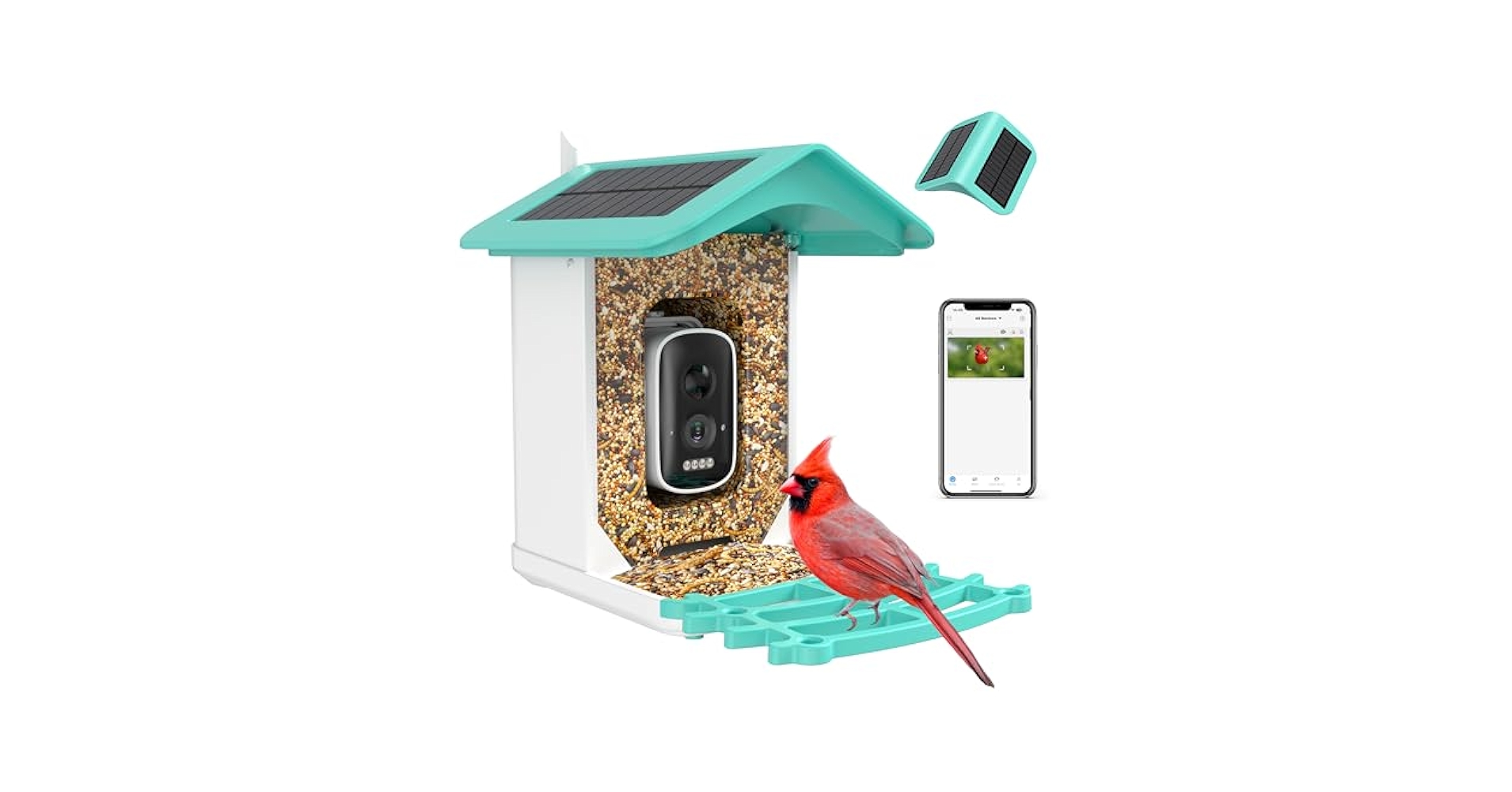
Credit: www.amazon.com
Frequently Asked Questions
Do Birds Recognize A Camera Nearby?
Birds may notice a camera if it moves or reflects light. However, stationary and camouflaged cameras are often ignored. Birds usually focus on their environment and food, not objects like cameras.
Can Camera Flashes Disturb Birds?
Yes, camera flashes can startle and disturb birds. Bright flashes may cause stress or disrupt their natural behavior. Using natural light or low-light photography is better for bird welfare.
How To Make Cameras Less Visible To Birds?
Use camouflaged camera covers or neutral colors to blend with surroundings. Position cameras away from bird paths and avoid sudden movements. This reduces the chance of birds noticing or being disturbed by the camera.
Do Birds React Differently To Cameras At Close Range?
At close range, birds are more likely to notice and react to cameras. They may fly away or show signs of alertness. Maintaining distance and using zoom lenses helps minimize disturbance.
Conclusion
Birds often notice cameras but usually ignore them after a while. Quiet, small cameras blend well into nature and cause less disturbance. Position cameras carefully to avoid scaring birds away. Patience helps capture natural bird behavior without interference. Understanding bird habits improves your chances of success.
Watch and wait—nature is full of surprises. Keep your gear simple and respect wildlife. This way, you enjoy great bird photos and keep birds safe.




