
If you love birds or want to learn more about them, “A Field Guide to the Birds” by Peterson from 1934 is a must-have. This book changed how people identify and enjoy birds.
Imagine being able to spot a bird and know exactly what it is, right in the moment. You’ll discover simple tips and clear illustrations that make birdwatching exciting and easy. Keep reading, and you’ll find out why this guide remains a favorite for beginners and experts alike—and how it can transform your own birdwatching experience.
Credit: postmarkedfromthestars.com
Peterson’s Influence On Birdwatching
Peterson’s influence on birdwatching changed how people connect with nature. His field guide made bird identification easier and more accessible. Many bird lovers began exploring the outdoors with new confidence. This guide sparked a broader interest in birds and nature study. It remains a key work in birdwatching history.
Impact Of The 1934 Edition
The 1934 edition introduced a simple and clear way to identify birds. Peterson used arrows to point out unique bird features. This visual aid helped beginners notice important details quickly. His guide was pocket-sized, making it easy to carry outdoors. It encouraged more people to start birdwatching as a hobby. The guide also created a standard for future bird identification books.
Changes In Bird Identification
Before Peterson, bird identification was often difficult and confusing. His method focused on key marks and shapes, not just color. This approach made it easier to spot birds in the wild. Birdwatchers learned to observe birds carefully and patiently. His system reduced mistakes and increased confidence in identifying species. It helped birdwatching grow from a small interest to a popular activity.
Key Identification Techniques
Identifying birds in the field can be challenging, but “A Field Guide to the Birds” by Peterson offers clear techniques that make this task easier. The guide breaks down complex features into simple, recognizable cues. These key identification techniques help you notice details that others often overlook.
Peterson’s Visual Markers
Peterson’s approach emphasizes specific visual markers that stand out on each bird. These markers often include shapes, colors, and patterns that remain consistent across individual birds of the same species.
For example, the guide points out how the shape of a bird’s wing or tail can be more reliable than color alone. Have you ever mistaken a bird because you focused only on its color? Visual markers like wing bars or eye rings can prevent that confusion.
These markers act like a bird’s fingerprint. When you learn to spot them quickly, your confidence in identifying birds will soar.
Use Of Field Marks
Field marks are small, distinct features that help you differentiate between similar species. Peterson’s guide highlights these subtle details, such as the pattern on a bird’s breast or the length of its bill.
When you’re watching a bird, focus on one or two key field marks rather than trying to memorize its entire appearance. This strategy is practical and keeps your observation sharp.
Have you noticed how a slight difference in wing stripes or tail shape can change the bird’s identity? That’s the power of field marks—they help you narrow down your options quickly.
Behavioral Clues
Bird behavior offers valuable clues that complement visual identification. Peterson encourages observers to watch how a bird moves, feeds, or interacts with its environment.
For example, the way a woodpecker hammers on a tree or a warbler flicks its wings can reveal its species even before you get a clear look. Paying attention to these behaviors adds a dynamic layer to identification.
Next time you’re out birdwatching, ask yourself: What is this bird doing that might set it apart from others? Behavioral clues can often seal the identification when visual markers are not enough.
Design And Layout Features
The design and layout of A Field Guide to the Birdsby Peterson in 1934 set a new standard for bird guides. Every element was carefully planned to help readers identify birds easily. The guide balances detailed information with clear visuals and simple navigation. This approach makes it a timeless resource for bird watchers and nature lovers alike.
Illustrations And Plates
The guide features detailed illustrations that capture each bird’s key features. These drawings focus on shape, color, and posture. The plates show birds in natural poses and often include multiple views. This helps readers recognize birds from different angles. The use of color is subtle but effective, highlighting important identification marks.
Text Organization
Text is arranged in a clear and logical way. Each bird entry includes size, habitat, and behavior details. Descriptions are concise, avoiding complex terms. The guide uses consistent headings and bullet points for easy reading. This structure allows quick comparison between species. Readers can find information without feeling overwhelmed.
User-friendly Elements
Peterson included user-friendly features to improve the guide’s usability. Page layouts use ample white space to reduce clutter. Indexes and tabs help locate birds by name or group. The guide’s compact size makes it easy to carry outdoors. These thoughtful details make bird identification accessible for beginners and experts.
Credit: postmarkedfromthestars.com
Timeless Tips For Modern Birders
Peterson’s 1934 guide offers tips that still help bird watchers today. Its advice is simple and easy to follow. It teaches how to observe birds carefully and identify them well. These timeless tips fit perfectly with modern birding practices.
Applying Classic Methods Today
Peterson’s focus on field marks helps birders spot key features fast. Look for colors, shapes, and patterns on birds. Use a notebook to jot down your observations. This method trains your eyes and memory. Stay quiet and patient to see birds clearly. Watch how birds behave and where they live. These skills make birding richer and more fun.
Adapting To New Technology
Modern birders use apps and digital tools along with classic tips. Apps help identify birds by sound or photo. Use online maps to find local birdwatching spots. Digital notebooks keep your notes organized and easy to access. Cameras and binoculars now come with better zoom and clarity. Combine technology with Peterson’s methods for best results. Technology enhances your experience but does not replace careful watching.
Collecting And Preserving The Guide
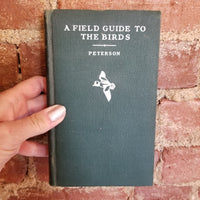
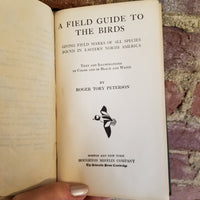
A Field Guide to the Birds by Peterson, published in 1934, holds a special place in birdwatching history. Collecting and preserving this guide helps keep a piece of that history alive. Proper care ensures the book remains valuable and readable for many years. Collectors treasure the guide not just for its content but also for its condition. Preserving the guide means protecting it from damage and wear.
Value For Collectors
The guide is a prized item for bird enthusiasts and collectors. Its age and original illustrations make it rare. First editions often fetch higher prices in the market. Condition plays a big role in value. A well-preserved guide attracts more interest. Collectors look for minimal wear, intact pages, and a clean cover. The guide’s historical significance adds to its appeal.
Care And Maintenance Tips
- Store the book in a cool, dry place away from sunlight.
- Keep it upright on a shelf to avoid warping.
- Use acid-free bookmarks instead of folding pages.
- Handle the book with clean, dry hands.
- Avoid exposure to moisture or humidity.
- Consider using a protective book cover or sleeve.
- Keep the guide away from food and drinks.
- Regularly check for dust and gently clean with a soft cloth.

Credit: www.etsy.com
Frequently Asked Questions
What Is ‘a Field Guide To The Birds Peterson 1934’?
‘A Field Guide to the Birds Peterson 1934’ is a pioneering bird identification book. It introduced innovative illustration techniques and clear descriptions. This guide helped birdwatchers identify species quickly and accurately in the field.
Who Authored The 1934 Peterson Bird Guide?
The 1934 edition was authored by Roger Tory Peterson. He was a renowned naturalist and illustrator. His work revolutionized birdwatching with practical, user-friendly field guides.
Why Is The 1934 Peterson Guide Historically Important?
It set new standards for bird identification guides. The 1934 guide combined detailed drawings with concise text. This made birdwatching accessible to amateurs and professionals alike.
How Did The 1934 Guide Influence Birdwatching?
It popularized field identification using visual markers and behavior. Birdwatchers could identify species without capturing or disturbing birds. This approach remains central in modern birding practices.
Conclusion
Peterson’s 1934 bird guide remains a valuable tool for bird lovers. It helps readers identify birds with simple tips and clear pictures. This guide connects people to nature and encourages outdoor exploration. Watching birds becomes easier and more fun with this book.
Anyone interested in birds can enjoy learning from it. A classic that still inspires curiosity and care for wildlife. Worth keeping on your shelf for many years.




