
Keeping your feathered friend healthy starts with a clean bird cage. But how do you clean a bird cage safely without stressing your pet or exposing yourself to harmful germs?
If you’ve ever wondered the best way to tackle this task, you’re in the right place. You’ll discover simple, effective steps to make cage cleaning quick, safe, and stress-free—for both you and your bird. Ready to create a healthier home for your pet?
Let’s dive in.
Choosing Safe Cleaning Supplies
Choosing the right cleaning supplies is crucial for keeping your bird’s cage safe and healthy. Birds are extremely sensitive to chemicals, so the products you use must be gentle yet effective. Picking safe cleaners protects your feathered friend from respiratory issues and skin irritation.
Non-toxic Cleaners For Birds
Look for cleaners specifically labeled as non-toxic or bird-safe. These products are designed to remove dirt and bacteria without leaving harmful residues. Brands like Vet’s Best and F10SC Veterinary Disinfectant offer options that won’t threaten your bird’s health.
Always rinse thoroughly after cleaning to remove any cleaner traces. You might wonder, how can you be sure a cleaner is truly safe? Reading labels carefully and choosing those with natural ingredients can help you avoid risky chemicals.
Avoiding Harmful Chemicals
Steer clear of cleaners containing ammonia, bleach, or phenols. These chemicals can cause severe respiratory problems and even be fatal to birds. Even small amounts of residue can trigger coughing, sneezing, or worse.
Many household cleaners aren’t safe for birds, so don’t assume they’re okay just because they work well on other surfaces. If you’re unsure, test the product in a well-ventilated area away from your bird or consult your avian vet.
Natural Alternatives
Natural ingredients like white vinegar and baking soda can clean effectively without the risks. Vinegar cuts grease and disinfects, while baking soda helps remove odors and stains.
Mixing one part vinegar with two parts water creates a safe cleaning solution. After scrubbing, rinse the cage thoroughly to remove any lingering smell that might upset your bird.
Have you tried using lemon juice or essential oils? Be cautious—some essential oils are toxic to birds. Stick to proven natural options and always monitor your bird’s reaction after cleaning.

Credit: www.kwikpets.com
Preparing The Cage For Cleaning
Preparing a bird cage for cleaning is an important task to keep your pet safe and healthy. Proper preparation helps avoid stress for your bird. It also makes the cleaning process easier and more effective. Follow these steps carefully before you start cleaning.
Removing Birds Safely
First, move your bird to a safe, quiet place. Use a small travel cage or a secure room. Make sure doors and windows are closed to prevent escape. Handle your bird gently to avoid stress or injury. Give your bird some time to calm down before cleaning.
Taking Out Accessories
Remove all toys, perches, food dishes, and water containers from the cage. Place them in a separate area for cleaning. Check for broken or damaged items and replace if needed. Cleaning accessories separately helps remove dirt and germs effectively.
Disposing Of Waste Properly
Clear out old food, feathers, and droppings from the cage bottom. Use gloves to protect your hands from bacteria. Dispose of waste in a sealed bag to avoid odors. Clean the tray thoroughly before putting it back into the cage.
Step-by-step Cleaning Process
Cleaning your bird cage thoroughly and safely is essential for your pet’s health and happiness. A well-maintained cage prevents the buildup of harmful bacteria and keeps your bird comfortable. Let’s walk through the step-by-step cleaning process that you can easily follow at home.
Washing The Cage Frame
Start by removing your bird and placing it in a safe, temporary space. Take apart the cage if possible to reach every corner. Use warm water mixed with a mild, bird-safe detergent to scrub the frame gently.
Pay special attention to corners and bars where dirt tends to collect. Avoid harsh chemicals that can harm your bird later. Rinse thoroughly to remove any soap residue, because leftover detergent can irritate your bird’s skin or respiratory system.
Cleaning Perches And Toys
Perches and toys often harbor bacteria and droppings, so they need careful cleaning. Use the same mild detergent solution and a brush to scrub these items. Some toys may be dishwasher-safe; check labels to save time without risking damage.
Replace any perches or toys that show excessive wear or cracks. Dirty or broken toys can be hazardous, so keeping them clean and in good shape is part of your bird’s safety. Do you know when it’s time to retire an old perch?
Drying Techniques
Proper drying prevents mold and mildew growth, which can be harmful to your bird. After rinsing, wipe down the cage frame, perches, and toys with a clean towel. Let everything air dry completely in a warm, well-ventilated area before reassembling.
Never put a damp cage back together or return your bird prematurely. Moisture can create an unhealthy environment quickly. Have you noticed how just a little moisture can cause a big problem in your bird’s cage?

Credit: www.amazon.com
Maintaining Cage Hygiene
Keeping your bird’s cage clean is essential for their health and happiness. Maintaining cage hygiene means more than just tidying up; it involves a consistent routine to prevent illness and create a comfortable environment. How often do you stop to think about the germs and mold that could be lurking in your bird’s home?
Daily Spot Cleaning
Daily spot cleaning helps you catch messes before they build up. Remove leftover food, droppings, and feathers from the cage floor and perches every day. This quick task takes just a few minutes but makes a big difference in reducing odors and bacteria.
Use a damp cloth or paper towel to wipe down surfaces your bird touches frequently. If you notice stuck-on debris, a gentle scrub with a soft brush can help. You don’t need harsh chemicals—plain water or a bird-safe cleaner works perfectly.
Weekly Deep Cleaning Routine
Set aside time once a week for a thorough cage wash. Remove your bird to a safe space, then take out toys, perches, and dishes. Wash all parts with warm, soapy water and rinse thoroughly to avoid any residue that could harm your feathered friend.
Allow everything to dry completely before putting it back. Don’t forget the cage bars and floor—use a brush to reach corners and crevices. A clean cage not only looks better but significantly lowers the risk of infections.
Preventing Mold And Bacteria
Mold and bacteria thrive in damp, dirty environments. To stop them, make sure the cage stays dry and well-ventilated. Change water daily and clean the water dish regularly to keep it fresh.
Consider using paper liners or substrates that absorb moisture well and replace them often. If you spot any mold, remove and clean the affected area immediately—don’t wait for it to spread. Have you checked your cage for hidden damp spots recently?
Protecting Your Bird During Cleaning
Cleaning a bird cage is essential, but protecting your bird during this process is even more important. Birds are sensitive creatures. They need a safe and calm environment while their home gets cleaned. Ensuring their safety helps maintain their health and happiness.
Safe Relocation Options
Move your bird to a secure, quiet place before cleaning. A travel cage or a separate small cage works well. Make sure it has food, water, and some toys. Avoid noisy or busy areas to keep your bird calm.
Monitoring Bird’s Health
Watch your bird closely before, during, and after cleaning. Look for signs of stress like heavy breathing or fluffed feathers. If your bird shows unusual behavior, pause the cleaning and give them time to rest. Keep their environment clean to prevent sickness.
Minimizing Stress
- Speak softly to comfort your bird.
- Keep cleaning time short and efficient.
- Avoid strong cleaning chemicals that can harm your bird.
- Use natural or bird-safe cleaning products.
- Return your bird to the cage quickly once cleaning finishes.
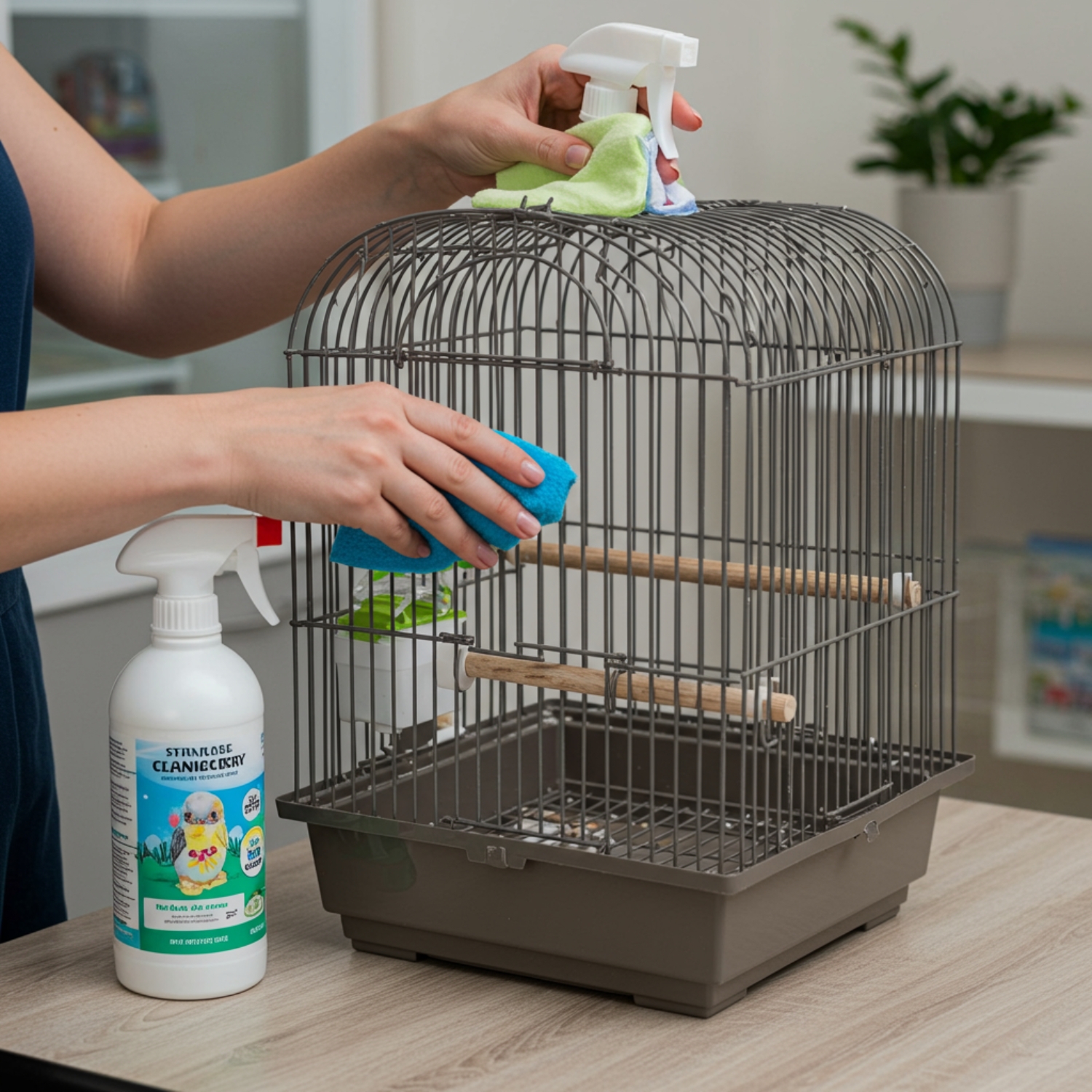
Credit: www.ojcommerce.com
Frequently Asked Questions
How Often Should I Clean My Bird Cage?
Clean your bird cage weekly to maintain hygiene. Daily spot cleaning of droppings and leftover food is essential. Regular cleaning prevents bacteria buildup and keeps your bird healthy and happy.
What Cleaning Products Are Safe For Bird Cages?
Use bird-safe cleaners like diluted vinegar or mild soap. Avoid harsh chemicals, bleach, and ammonia as they can harm birds. Always rinse thoroughly and dry the cage before placing your bird back inside.
How Do I Clean Bird Toys And Perches?
Remove toys and perches before cleaning the cage. Wash them with warm, soapy water and rinse well. Allow them to dry completely to prevent mold and bacteria growth that can harm your bird.
Can I Use Bleach To Disinfect A Bird Cage?
Bleach can be used but only in a very diluted form (1 part bleach to 10 parts water). Rinse thoroughly and let the cage dry completely before bird contact. Avoid frequent use due to potential toxic residues.
Conclusion
Cleaning a bird cage keeps your pet healthy and happy. Use safe, gentle cleaners and avoid harsh chemicals. Clean regularly to stop germs and bad smells. Give your bird fresh water and food after cleaning. A clean cage helps your bird feel comfortable and loved.
Small steps make a big difference in care. Keep a routine, and your bird will thrive. Safe cleaning protects both you and your feathered friend. Simple habits lead to a happier, healthier home for your bird.




