
Have you ever felt trapped, like there’s something holding you back from your true potential? “A Caged Bird” by Barbara York explores those very feelings in a way that touches your heart and mind.
This poem is more than just words on a page; it speaks to your deepest emotions and challenges you to see freedom differently. If you want to understand how York uses powerful images to connect with your own struggles, keep reading.
This article will help you discover the hidden meaning behind the poem and why it still resonates with so many people today.

Credit: www.youtube.com
Barbara York’s Life And Works
Barbara York’s life and works reveal a writer deeply connected to human emotions and nature. Her poetry often explores themes of freedom, confinement, and hope. Understanding her background helps readers appreciate her unique voice and the power of her words.
Biographical Background
Barbara York was born in the early 20th century. She grew up in a quiet town surrounded by nature. This environment inspired much of her writing. York studied literature and poetry at university. She dedicated her life to teaching and writing. Her experiences shaped her view of the world and her poetry style.
Major Literary Contributions
Barbara York’s poetry is known for its simple yet deep language. Her most famous work, “A Caged Bird,” speaks about struggle and hope. The poem uses strong images of birds and cages to show feelings of being trapped. York’s writings encourage readers to think about freedom and resilience.
- Exploration of nature and human emotions
- Use of vivid imagery and symbolism
- Focus on themes like freedom and confinement
- Clear, accessible language for all readers
York’s work continues to inspire poets and readers worldwide. Her poems remain relevant to many life experiences today.
Symbolism Of The Caged Bird
The symbolism of the caged bird in Barbara York’s work carries deep meaning. It represents feelings of confinement and lost freedom. This image speaks to many readers through its powerful emotions and vivid imagery.
The caged bird is not just a bird trapped physically. It stands for any soul held back by forces beyond its control. Its song, despite the cage, shows hope and the desire to be free.
Metaphorical Meanings
The caged bird symbolizes trapped dreams and limited choices. It reflects the struggle between freedom and restriction. The cage represents obstacles in life, such as fear, society, or personal doubts. The bird’s song is a metaphor for hope and resilience. It shows how people can still express themselves despite hardships.
Connection To Personal Struggles
Many readers relate the caged bird to their own battles. It mirrors feelings of being stuck in difficult situations. The bird’s longing for freedom echoes personal desires to break free. This connection makes the poem powerful and relatable. It reminds us all of the strength to keep trying, even when trapped.
Exploring Hidden Emotions
Barbara York’s poem, A Caged Bird, reveals deep, hidden emotions that many readers feel but rarely express. The poem uses simple words and vivid images to show feelings of sadness, hope, and longing. It touches the heart by describing a bird trapped in a cage, a powerful symbol of emotional struggles. This section explores those hidden emotions and how they make the poem relatable and moving.
Themes Of Isolation And Hope
The poem highlights isolation through the image of the caged bird. The bird cannot fly freely, which shows a sense of being trapped or alone. This feeling of loneliness is something many people experience in different ways.
Despite this, the poem also carries hope. The bird sings even inside its cage. This small act of singing shows courage and a desire for freedom. The hope stands out as a light in a dark situation.
- Isolation is shown by the cage, a barrier from the outside world.
- Hope appears in the bird’s song, a sign of inner strength.
- The mix of these themes creates a powerful emotional contrast.
Emotional Depth In The Narrative
York’s narrative goes beyond the surface by exploring complex feelings. The poem captures sadness, frustration, and desire for freedom in a few short lines. The emotions feel real and personal, making readers connect deeply.
The caged bird represents many people’s hidden pain. At the same time, it shows resilience and the will to keep going despite hardship. This emotional depth makes the poem memorable and meaningful.
| Emotion | Description |
|---|---|
| Sadness | Expressed through the cage and the bird’s confinement |
| Hope | Shown by the bird’s song and desire for freedom |
| Resilience | The strength to keep singing despite the cage |
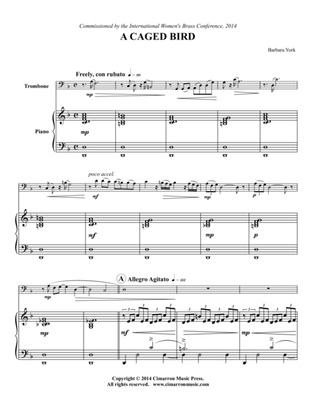
Credit: www.sheetmusicplus.com
Portrayal Of Inner Strength
Barbara York’s ‘A Caged Bird’ delves into the complexity of inner strength. It paints a vivid picture of how resilience and empowerment manifest. This portrayal resonates deeply, offering inspiration and hope.
Resilience In Adversity
York’s narrative showcases resilience as a core theme. The protagonist faces numerous challenges, yet remains steadfast. Each struggle reveals an unwavering spirit. This resilience becomes a beacon of hope. It inspires readers to persevere through their own hardships.
The depiction of adversity is vivid and relatable. York’s characters embody endurance. They remind us that strength often emerges from the darkest moments. Readers find solace in this portrayal of resilience.
Empowerment Through Expression
Expression serves as a powerful tool in York’s story. The characters find empowerment in their voices. Through art, music, or words, they break free. This self-expression transforms their lives. It provides a sense of freedom and identity.
York emphasizes the importance of finding one’s voice. This expression becomes a lifeline. It empowers individuals to rise above their circumstances. Readers are encouraged to discover their own forms of expression. This message is both uplifting and motivating.
Impact On Readers And Society
The impact of Barbara York’s A Caged Birdon readers and society runs deep. This work touches hearts and challenges minds. It encourages readers to reflect on freedom and confinement in their own lives and communities.
Many find the story’s themes universal. The feelings of hope and struggle resonate across cultures and ages. The book opens conversations about personal and social barriers. It invites readers to consider what freedom truly means.
Emotional Resonance
York’s writing connects strongly with readers’ emotions. The vivid imagery and heartfelt narration create empathy. Readers feel the pain and hope of the caged bird. This emotional pull helps them understand complex issues simply.
The story’s tone is both gentle and powerful. It stirs feelings of sadness, courage, and longing. These emotions make the message memorable and impactful. Readers often recall the story long after reading.
Inspiration For Change
A Caged Birdinspires many to think about change. It encourages self-reflection and social awareness. Readers question limitations in their own lives and society. The story motivates action toward freedom and equality.
Communities and educators use the book to spark discussions. It serves as a tool for teaching empathy and justice. The narrative supports movements that seek to break barriers. This makes the book a catalyst for positive change.

Credit: www.youtube.com
Frequently Asked Questions
What Is The Central Theme Of A Caged Bird By Barbara York?
The central theme explores freedom versus confinement. It reflects on personal struggles and societal constraints through vivid imagery. The poem uses a caged bird metaphor to highlight longing for liberty and hope despite limitations.
Who Inspired Barbara York To Write A Caged Bird?
Barbara York was inspired by her observations of nature and human emotions. The caged bird symbolizes individuals trapped by circumstances yet yearning for freedom. Her personal experiences with restriction also influenced the poem’s heartfelt tone.
How Does Barbara York Use Symbolism In The Poem?
York uses the caged bird as a powerful symbol of entrapment and desire for freedom. The cage represents obstacles, while the bird’s song conveys hope. This symbolism effectively communicates themes of resilience and aspiration.
Why Is A Caged Bird Relevant Today?
The poem remains relevant as it addresses universal issues like oppression and hope. It encourages readers to reflect on personal and societal barriers. Its timeless message resonates with anyone facing adversity and seeking liberation.
Conclusion
Barbara York’s “A Caged Bird” shows deep feelings of hope and struggle. The poem’s simple words carry strong emotions that everyone can feel. It reminds us to think about freedom and what it means to be trapped. The bird’s song is a symbol of hope and strength.
Reading this poem makes us reflect on life and our own challenges. York’s work stays with readers long after they finish. A small poem, but a big message.




