
If your chickens are showing signs of bird flu, you need clear and simple steps to help them recover. Bird flu can spread quickly and cause serious harm to your flock.
But don’t worry—you can take action right now to protect your birds and keep your farm safe. You’ll learn exactly how to treat chickens with bird flu, spot the warning signs early, and prevent the disease from spreading. Keep reading to make sure your chickens get the care they need before it’s too late.
Recognizing Bird Flu Symptoms
Bird flu is a serious illness that affects chickens. Early recognition helps to control its spread. Watch your chickens closely for changes in behavior or health.
Knowing the signs can help you act fast. This guide focuses on common symptoms and how to tell bird flu apart from other diseases.
Common Signs In Chickens
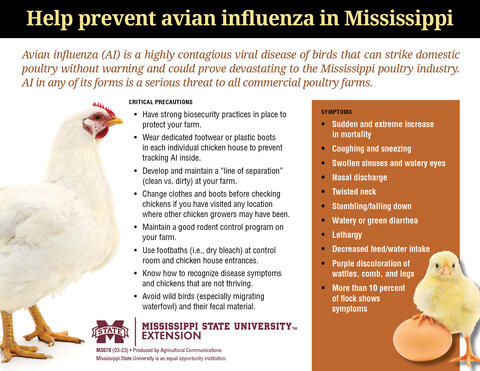
Chickens with bird flu often show sudden illness. They may stop eating and become weak quickly. Look for breathing problems and unusual swelling.
- Loss of appetite and low energy
- Swelling of the head, neck, or eyes
- Difficulty breathing or coughing
- Runny nose or watery eyes
- Diarrhea or pale combs and wattles
- Sudden death without clear cause
Differentiating From Other Diseases
Bird flu symptoms can look like other illnesses. Diseases like Newcastle or fowl cholera share some signs. Check for differences in how fast symptoms appear and how many birds are sick.
Bird flu usually spreads fast and affects many birds. Other diseases may have slower spread or milder signs. Testing by a vet is important to confirm bird flu.
- Bird flu: rapid spread and sudden deaths
- Newcastle disease: nervous signs like tremors
- Fowl cholera: swollen joints and foul smell
- Testing needed for exact diagnosis
Isolating Infected Birds
Bird flu spreads quickly among chickens. Infected birds must be separated fast. Isolation helps stop the disease from spreading.
Keeping sick birds apart protects the healthy flock. It also helps you treat the infected birds better.
Setting Up Quarantine Areas
Choose a space away from your main flock for quarantine. This area should be secure and easy to clean.
Use separate feeders, waterers, and bedding in this area. Avoid sharing equipment with the healthy birds.
- Pick a quiet, dry place
- Keep it fenced or closed off
- Use disposable or dedicated equipment
- Clean and disinfect daily
Preventing Spread To Healthy Flock
Limit contact between infected and healthy birds. Avoid moving between areas without cleaning hands and clothes.
Use protective gear like gloves and boots when handling sick birds. Dispose of waste and dead birds safely.
- Wash hands before and after contact
- Wear gloves and boots
- Disinfect tools and shoes
- Remove dead birds quickly and safely
- Keep visitors away from the flock
Sanitation And Hygiene Measures
Keeping your chicken coop clean helps stop bird flu from spreading. Good hygiene protects your birds and your family.
Regular cleaning removes germs and lowers the chance of infection. Follow these tips to maintain a healthy environment.
Cleaning And Disinfecting Coops
Clean the coop often to remove dirt, droppings, and feathers. Use soap and water first, then apply a disinfectant safe for poultry.
- Remove all bedding and debris before cleaning.
- Scrub surfaces with hot, soapy water.
- Rinse well to remove soap residues.
- Use a disinfectant approved for poultry areas.
- Let the coop dry completely before adding fresh bedding.
Proper Disposal Of Waste And Carcasses
Dispose of chicken waste and dead birds carefully. This prevents the virus from spreading to other animals and people.
| Waste Type | Disposal Method |
|---|---|
| Used bedding and droppings | Compost away from the coop |
| Dead chickens | Burial at least 2 feet deep or incineration |
| Cleaning water | Drain away from the coop and water sources |
Credit: extension.msstate.edu
Providing Supportive Care
Bird flu can make chickens very weak and sick. They need extra care to help them get better. Supportive care means giving them what they need to stay strong during illness.
Good care helps chickens fight the virus and recover faster. It focuses on keeping them comfortable and healthy while their body heals.
Nutritional Support
Chickens with bird flu need proper nutrition to stay strong. Feed them easy-to-digest food with extra vitamins and minerals. This helps their immune system work better.
Soft or mashed feed is best if chickens have trouble eating. Offer small amounts often to keep them eating enough.
- Use high-protein feed to support recovery
- Add vitamin supplements if possible
- Provide fresh grains and greens
- Offer treats like cooked eggs or mealworms
Hydration And Comfort
Water is very important for sick chickens. Make sure they have clean, fresh water at all times. Dehydration can make their condition worse quickly.
Keep chickens in a warm, dry place away from drafts. Provide soft bedding to help them rest comfortably. Avoid loud noises and stress around them.
- Change water frequently to keep it clean
- Use warm water if chickens seem cold
- Keep coop temperature steady and warm
- Give extra space so chickens can rest quietly
Veterinary Intervention
Bird flu is a serious illness that affects chickens. It spreads fast and can cause many deaths. Veterinary help is very important to manage this disease.
A vet can check your chickens and suggest the best care. Early action can save many birds and stop the disease from spreading.
When To Contact A Vet
Call a vet if you see sick birds with these signs:
- Sudden death in chickens
- Swelling of the head or neck
- Difficulty breathing or coughing
- Loss of appetite and weakness
- Unusual blue discoloration of comb or wattles
Also contact a vet if many birds get sick quickly. Early diagnosis helps control the disease.
Possible Treatments And Medications
There is no cure for bird flu, but vets can help reduce its impact. Treatment focuses on care and preventing spread.
| Treatment | Description |
| Supportive Care | Provide clean water and good nutrition |
| Isolation | Keep sick birds away from healthy ones |
| Disinfection | Clean coop and tools to kill the virus |
| Medication | Use antibiotics to prevent secondary infections |
| Vaccination | May be suggested by vets in some cases |
Always follow your vet’s advice on medicines. Never give drugs without professional guidance.
Credit: extension.msstate.edu
Preventing Future Outbreaks
Bird flu can spread quickly among chickens. Preventing future outbreaks helps keep your flock healthy.
Using good practices lowers the chance of disease spreading again. Stay alert and act fast.
Biosecurity Practices
Biosecurity means keeping germs away from your chickens. It stops bird flu from entering your farm.
Keep your farm clean and limit visitors. Use separate clothes and boots for your chickens.
- Clean and disinfect equipment daily
- Control access to poultry areas
- Use footbaths at farm entrances
- Isolate new birds for 2 weeks
- Remove dead birds quickly and safely
Vaccination Options
Vaccines help protect chickens from bird flu. They reduce the chance of severe illness.
Talk to a vet about the best vaccine for your flock. Vaccination works well with biosecurity steps.
- Use approved vaccines only
- Follow the vaccination schedule
- Keep records of vaccinated birds
- Vaccinate young and adult chickens
Monitoring And Reporting
Bird flu can spread quickly among chickens. It is important to watch your birds closely.
Early detection and reporting help control the disease. You protect your flock and others.
Tracking Health Status
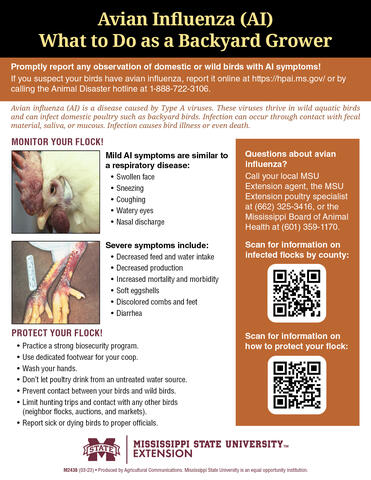
Check your chickens daily for signs of illness. Look for coughing, sneezing, or unusual behavior.
Keep a written record of any symptoms and deaths. This helps to see if the disease spreads.
- Note changes in appetite or movement
- Record any swollen or red areas on birds
- Track the number of sick or dead chickens
- Observe if birds stop laying eggs
Reporting To Authorities
Contact local animal health officials if you suspect bird flu. Prompt reporting helps stop outbreaks.
Provide clear information about your flock and symptoms. Follow instructions from the authorities carefully.
- Give your farm location and contact details
- Describe the number of sick and dead birds
- Explain any recent bird movements or contacts
- Report quickly to help prevent spread

Credit: agwaycapecod.com
Frequently Asked Questions
How Can I Identify Bird Flu Symptoms In Chickens?
Look for sudden death, coughing, sneezing, nasal discharge, and swollen wattles. Reduced egg production and lethargy are also common signs. Early detection helps control the spread effectively.
What Immediate Steps Should I Take If Chickens Have Bird Flu?
Isolate infected birds immediately to prevent spread. Inform local veterinary authorities for guidance. Clean and disinfect the coop thoroughly. Avoid contact with other poultry or wild birds.
Can Bird Flu In Chickens Be Treated Successfully?
There is no specific cure for bird flu. Supportive care includes hydration and nutrition. Veterinary advice is crucial. Often, culling infected birds is recommended to control outbreaks.
How To Prevent Bird Flu In My Chicken Flock?
Maintain strict biosecurity measures. Limit visitor access and avoid contact with wild birds. Regularly clean and disinfect poultry areas. Use vaccines if available and recommended by vets.
Conclusion
Caring for chickens with bird flu requires diligence and attention. Keep their environment clean and stress-free. Isolate infected birds to prevent spreading. Provide proper nutrition and hydration. Consult a vet for expert guidance. Regular health checks are vital. Vaccination can be a preventive measure.
Stay informed on the latest avian flu updates. Protecting your flock helps ensure their well-being. Treating them with care boosts their recovery chances. Addressing bird flu promptly safeguards both chickens and people. Remember, early intervention is key. Keep your chickens healthy and safe.
Your efforts make a difference.




