
Have you noticed your bird acting tired, with dry feathers or less energy than usual? These can be signs that your feathered friend is dehydrated.
Just like you, your bird needs the right amount of water to stay healthy and happy. If you don’t act quickly, dehydration can lead to serious health problems. But don’t worry—you can help your bird feel better fast. You’ll learn simple and effective ways to recognize dehydration and treat it at home.
Keep reading to make sure your bird gets the care it needs before it’s too late.

Credit: www.ukvetcompanionanimal.com
Signs Of Dehydration In Birds
Birds can become dehydrated quickly, especially in hot weather or if they are sick. It is important to know how to spot dehydration early. This helps you give your bird the care it needs.
Dehydration shows in many ways. You can see changes in how the bird looks and acts. Watch for these signs to keep your bird healthy.
Physical Symptoms
Physical signs of dehydration are often the first clues. They show that your bird’s body lacks water and is struggling to work well.
- Dry, wrinkled skin around the eyes and beak
- Sunken eyes that look dull or tired
- Loss of feathers or feathers that look dull and brittle
- Reduced urination or dark, concentrated droppings
- Cold or clammy feet and legs
Behavioral Changes
Dehydration also affects a bird’s actions. You might see changes in how it moves and responds to its surroundings.
| Behavior | What It Means |
| Less active or lethargic | Bird lacks energy due to low water |
| Loss of appetite | Bird is not eating because it feels weak |
| Increased sleeping | Bird tries to conserve energy |
| Fluffed-up feathers | Bird tries to keep warm as hydration drops |
| Excessive panting or open-mouth breathing | Bird tries to cool down but is dehydrated |
Causes Of Bird Dehydration
Birds need water to stay healthy and active. Dehydration can harm their body and behavior. Knowing what causes dehydration helps prevent it.
Some causes come from the bird’s surroundings. Others come from their diet or health problems. Both types need attention to keep birds safe.
Environmental Factors
Heat and dry air make birds lose water fast. Lack of shade or fresh water also leads to dehydration. Poor cage conditions add to the risk.
- High temperatures without cooling
- Low humidity in the living space
- Dirty or empty water containers
- Overcrowded cages limiting movement
- Exposure to direct sunlight for long times
Diet And Health Issues
Birds that eat dry or salty foods need more water. Illnesses like diarrhea cause fast water loss. Some medicines also affect hydration levels.
| Cause | Effect on Hydration |
| Dry or salty diet | Increases water need |
| Diarrhea | Causes rapid water loss |
| Kidney disease | Reduces water balance |
| Medication side effects | May cause dehydration |
Immediate Steps To Rehydrate
Dehydration can quickly harm a bird’s health. Acting fast helps prevent serious problems. Giving the bird water carefully is key.
Learn how to provide safe water and the best ways to help your bird drink. These steps help your pet recover quickly.
Safe Water Sources
Only offer clean, fresh water to your bird. Avoid water with chemicals or additives. Tap water may need filtering or boiling first.
- Use bottled spring water if available
- Boil tap water and cool it before use
- Do not give salty or sugary drinks
- Change water frequently to keep it fresh
- Use a clean container to prevent germs
Hydration Techniques
Helping your bird drink can need patience. Some birds will not drink on their own if very weak. Use gentle methods to encourage hydration.
| Method | How to Do It | Notes |
| Dropper | Place few drops of water near the beak | Use a small dropper for control |
| Syringe | Gently squirt water into side of beak | Avoid forcing water down throat |
| Soaked Cotton | Let bird nibble on wet cotton ball | Good for reluctant drinkers |
| Water Bottle | Offer fresh water in bottle or bowl | Change water often |

Credit: birdsupplies.com
Diet Adjustments For Recovery
Dehydrated birds need special care to regain fluids. Adjusting their diet helps them recover faster.
Providing the right foods and supplements supports hydration and overall health during recovery.
Hydrating Foods
Feeding your bird watery fruits and vegetables adds moisture to their diet. These foods help replace lost fluids.
Choose fresh, soft foods that your bird enjoys and can easily digest.
- Cucumber slices
- Watermelon pieces
- Oranges (peeled and sectioned)
- Berries like strawberries and blueberries
- Leafy greens such as lettuce and spinach
Supplements To Support Fluids
Adding electrolyte supplements to your bird’s water helps restore minerals and fluids. These supplements keep hydration balanced.
Use supplements made for birds and follow dosage instructions carefully to avoid overdose.
- Oral electrolyte powders or liquids
- Vitamin B complex to support energy and hydration
- Probiotics to aid digestion and fluid absorption
Creating A Comfortable Environment
Helping a dehydrated bird recover needs a calm and cozy space. Birds feel safe in places with the right air and low stress.
Setting up the right temperature and humidity helps the bird heal faster. Reducing stress also keeps the bird calm and comfortable.
Temperature And Humidity Control
Keep the bird’s area warm but not hot. The best temperature is around 75 to 85°F. Avoid cold drafts and sudden temperature changes.
Humidity should be moderate to help keep the bird hydrated. Aim for 50% to 60% humidity. Use a humidifier or place a water dish nearby.
| Temperature | Humidity | Tips |
|---|---|---|
| 75-85°F (24-29°C) | 50-60% | Avoid drafts; use gentle heat sources |
| Below 75°F | Below 50% | Use heaters; add humidifier or water bowl |
| Above 85°F | Above 60% | Ventilate carefully; prevent overheating |
Stress Reduction Tips
Stress makes dehydration worse. Keep noise low and avoid sudden movements near the bird.
- Place the bird in a quiet room
- Cover the cage with a light cloth at night
- Limit handling to short, gentle sessions
- Keep bright lights dimmed to calm the bird
- Offer familiar toys or perches for comfort
Note:Always watch your bird closely. If it shows signs of severe dehydration, contact a vet quickly.
When To Seek Veterinary Care
Dehydration in birds can become serious quickly. Knowing when to get help keeps your pet safe.
Watch your bird closely for signs that need a vet’s attention. Early care can prevent worse problems.
Warning Signs
Look for these signs that show your bird may be dehydrated and needs a vet visit:
- Sunken eyes or dry eyes
- Wrinkled or dry skin
- Weakness or lethargy
- Loss of appetite or refusal to drink
- Fluffed-up feathers for a long time
- Rapid breathing or open-mouth breathing
- Unusual droppings or no droppings
Preparing For The Vet Visit
Prepare well to help the vet care for your bird quickly and safely.
| Preparation | Details |
| Transport | Use a small, secure carrier with soft bedding |
| Temperature | Keep the carrier warm but not hot |
| Information | Note recent behavior, food, and water intake |
| Sample | Bring a fresh stool sample if possible |
| Emergency Contact | Have the vet’s number ready for questions |
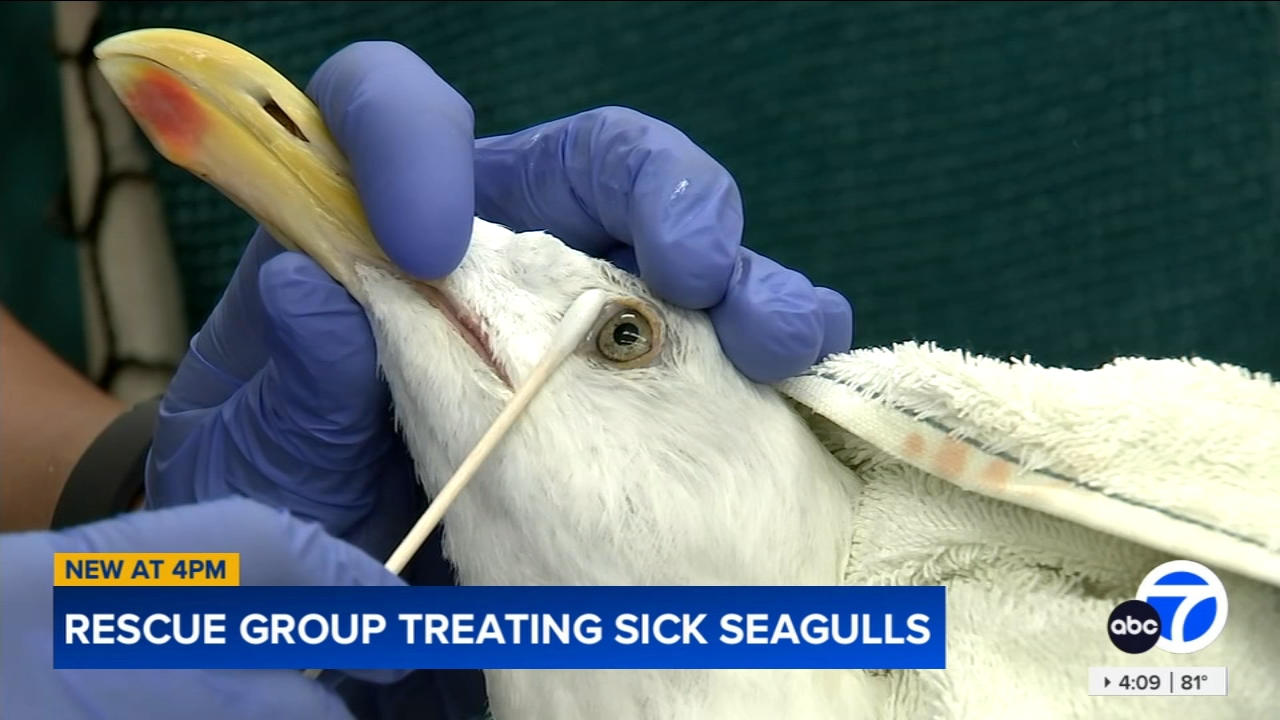
Credit: abc7.com
Frequently Asked Questions
How Do I Know If My Bird Is Dehydrated?
Signs include sunken eyes, dry mouth, lethargy, and wrinkled skin. Birds may also have reduced appetite and weak posture. Early detection helps prevent serious health issues.
What Are The Best Home Remedies For Bird Dehydration?
Offer fresh, clean water immediately. You can also provide electrolyte solutions made for birds. Avoid sugary or dairy drinks, as they can harm your pet.
How Much Water Should A Dehydrated Bird Drink?
Birds need about 10% of their body weight in water daily. Dehydrated birds may require slightly more, but consult a vet for exact amounts.
When Should I See A Vet For My Dehydrated Bird?
Visit a vet if dehydration lasts more than a day or if your bird shows severe symptoms like weakness or difficulty breathing. Prompt treatment is crucial.
Conclusion
Helping a dehydrated bird is simple with the right steps. Ensure the bird has fresh water. Use a dropper for weak birds. Offer fruits like watermelon for extra hydration. Provide a safe, quiet space for recovery. Monitor the bird’s health closely.
Seek a vet if no improvement. Remember, your gentle care makes a difference. Birds, like all creatures, need attention. Your efforts can help them thrive. Stay patient and observant. Every small action counts. Keep learning about bird care. It strengthens your bond with nature.
A little compassion goes a long way.




