
Finding a hurt bird can be upsetting. You want to help, but you may not know where to start.
This guide will show you simple, clear steps to care for a wounded bird safely. By following these tips, you can make a real difference in your feathered friend’s recovery. Keep reading to learn exactly what to do and how to give your injured bird the best chance to heal.

Credit: awesomewildlifeco.co.uk
Assessing The Bird’s Condition
When you find a hurt bird, the first thing to do is check how badly it is injured. This helps you decide what kind of help the bird needs.
Look carefully at the bird without touching it too much. Watch how it moves and acts to understand its condition better.
Checking For Visible Injuries
Look closely for any cuts, broken wings, or bleeding. Check if the bird’s feathers are ruffled or missing in spots.
Notice if the bird is holding a wing awkwardly or if it cannot stand properly. These signs show physical harm.
- Look for bleeding or open wounds
- Check if wings or legs are broken or bent
- See if feathers are missing or damaged
- Watch if the bird is standing or sitting oddly
Observing Behavior And Responsiveness
Notice if the bird reacts when you come near. A hurt bird may be very quiet or unusually still.
Check if the bird tries to move away or looks alert. A healthy bird usually reacts quickly to sounds and movements.
- Does the bird try to fly or move?
- Is it alert or very sleepy?
- Does it make sounds or stay silent?
- Does it respond to nearby noises?
Identifying Signs Of Shock
Shock can happen if the bird is scared or hurt badly. Watch for pale skin or cold feet, which are signs of shock.
The bird may breathe fast or seem weak. It might stay very still and not react to you at all.
- Pale or bluish skin around eyes or beak
- Fast or shallow breathing
- Cold feet or body
- Very weak or limp body

Credit: www.youtube.com
Handling The Bird Safely
Helping a hurt bird needs care and calm. You must keep the bird safe and calm during handling.
Knowing how to approach and hold the bird can prevent more harm. Use the right tools to protect yourself.
Approaching Without Causing Stress
Move slowly and quietly to avoid scaring the bird. Sudden moves can make the bird panic and get hurt more.
Keep your body low and speak softly. Avoid direct eye contact because it may stress the bird.
- Approach from the side or behind
- Use a calm and quiet voice
- Wear neutral colors to blend in
- Limit movements and avoid shadows
Proper Techniques To Hold A Bird
Hold the bird gently but firmly to stop it from escaping. Support its body and wings to avoid injury.
Do not squeeze the bird. Use both hands, one around the body and one supporting the feet.
- Place one hand over the bird’s back
- Hold the wings against its body
- Support the chest and feet with the other hand
- Keep the bird’s head free but controlled
Using Protective Gear
Wear gloves to protect your hands from scratches or bites. Thick gloves work best for larger birds.
Use a towel or cloth to wrap the bird if it is very scared or struggling. This keeps the bird calm and safe.
- Wear leather or thick gloves
- Have a soft towel ready
- Use eye protection if needed
- Keep a safe distance if unsure
Providing Immediate Care
Finding a hurt bird can be upsetting. You must act fast to help it. Immediate care can save the bird’s life.
This guide shows simple steps to care for a bird right away. Follow these to give the best help.
Creating A Warm And Quiet Space
Birds get stressed by noise and cold. Make a calm place for the bird to rest. Use a small box or pet carrier.
- Line the box with soft cloth or paper towels.
- Keep the box in a warm, quiet room away from pets and people.
- Do not try to feed or give water yet unless the bird is strong.
Stopping Bleeding And Cleaning Wounds
If the bird is bleeding, stop it gently. Clean wounds to avoid infection. Use clean water and soft cloth or gauze.
| Action | How to Do It |
| Stop bleeding | Press gently with clean cloth for a few minutes. |
| Clean wound | Rinse with lukewarm water; avoid harsh soaps. |
| Cover wound | Use sterile gauze if bleeding continues. |
Hydration And Nutrition Tips
Keep the bird hydrated and fed carefully. Offer water and easy foods only if the bird looks alert.
- Use a small shallow dish for water.
- Provide soaked bird seed or soft fruits like mashed banana.
- Feed small amounts slowly and watch for swallowing.
- Do not force food or water if the bird resists.
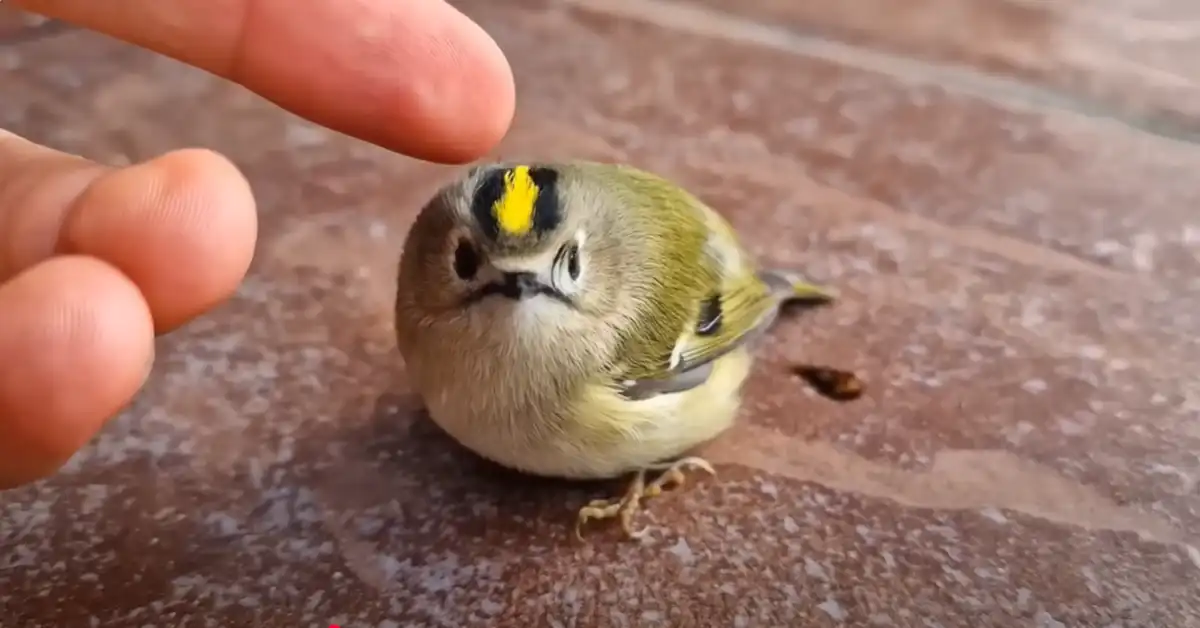
Credit: www.earthofbirds.com
When To Contact A Wildlife Expert
Finding a hurt bird can be upsetting. Knowing when to call a wildlife expert helps the bird get proper care fast.
Wildlife experts have the skills and tools to treat injured birds safely. They can also decide if the bird can be released back to nature.
Recognizing Serious Injuries
Look closely at the bird for signs of serious injury. These need expert help right away to prevent more harm.
Serious injuries include broken wings, bleeding, or if the bird cannot stand or fly. Also check for any unusual lumps or wounds.
- Bleeding that does not stop
- Visible broken bones or twisted limbs
- Bird is weak or unconscious
- Difficulty breathing or noisy breathing
- Bird is unable to perch or fly
Finding Local Rehabilitation Centers
Local wildlife rehabilitation centers care for injured birds. They have experts to treat and nurse birds back to health.
Search for centers near you by contacting animal control or using online wildlife rescue directories. Always call before bringing a bird.
- Contact local animal control for advice
- Use online search to find nearby centers
- Ask about their hours and intake policies
- Follow instructions from the center carefully
Preparing For Transport
Transport the bird safely to a wildlife expert or rehab center. Proper care during transport helps the bird stay calm and avoid more injury.
Use a small box or carrier with air holes. Line it with soft cloth or paper towels. Keep the bird warm and quiet during the trip.
- Choose a sturdy container with ventilation
- Place soft bedding inside to cushion the bird
- Handle the bird gently and avoid loud noises
- Keep the container covered to reduce stress
- Do not feed or give water unless told by experts
Long-term Recovery At Home
Caring for a hurt bird at home takes time and patience. The goal is to help it heal fully and prepare for life outside.
Long-term recovery means watching the bird closely and making sure it stays safe and calm. This helps the bird get stronger day by day.
Monitoring Healing Progress
Check the bird’s wound or injury every day. Look for signs of infection like redness or swelling. Note if the bird is eating and moving well.
Keep a simple journal to write down changes. This helps you see if the bird is getting better or needs extra care.
- Check wounds for redness or discharge
- Watch for normal eating and drinking
- Observe if the bird moves and preens
- Note any changes in behavior or health
Preventing Stress And Further Injury
Birds heal best in quiet, safe places. Avoid loud noises and sudden movements near the bird. Keep pets and children away.
Provide a comfortable space with soft bedding. Make sure the bird has easy access to food and water without much effort.
- Place the bird in a quiet, warm spot
- Limit handling to reduce stress
- Keep the area clean and safe
- Use soft bedding to protect injuries
Reintroducing To The Wild
Only release the bird when it can fly and find food on its own. Start by letting it practice flying in a safe, enclosed area.
Watch the bird’s behavior after release. If it struggles, you may need to care for it longer or contact a wildlife expert.
- Check the bird’s flying and hunting skills
- Use a safe outdoor space for practice
- Release on a calm day with good weather
- Observe from a distance after release
Preventing Bird Injuries
Birds can get hurt easily in our homes and gardens. Taking simple steps helps keep birds safe. This guide shows ways to protect birds from injuries.
By changing some habits, you can make your space safer for birds. Learn how to avoid common dangers and create a healthy habitat.
Safe Garden And Window Practices
Birds often get hurt by flying into windows or garden objects. Use these tips to reduce the risk of accidents.
- Apply window decals or films to make glass visible to birds.
- Close blinds or curtains when not at home to prevent reflections.
- Keep garden tools and sharp objects stored away.
- Place bird feeders and baths away from windows.
- Use netting carefully and remove it after use to avoid bird entanglement.
Avoiding Common Hazards
Many common items can harm birds. Watch out for dangers and keep birds safe.
| Hazard | Why It Is Dangerous | How to Prevent |
| Open Water Containers | Birds can drown or get trapped. | Cover or empty when not in use. |
| Pet Food Left Outside | Attracts predators and causes illness. | Feed pets indoors or clean up after meals. |
| Poisonous Plants | Birds may eat harmful leaves or berries. | Remove or replace toxic plants. |
| Loose Wires and Cords | Birds can get tangled or electrocuted. | Secure wires and keep cords out of reach. |
Encouraging Healthy Habitats
Healthy habitats help birds stay strong and avoid injury. Provide good food and shelter to support bird health.
- Plant native trees and shrubs for shelter and food.
- Offer fresh water in shallow dishes and change it daily.
- Keep feeding stations clean to prevent disease.
- Avoid using pesticides or chemicals in your garden.
- Leave dead trees or logs for nesting and insects.
Frequently Asked Questions
How Can I Safely Handle A Hurt Bird?
Use gloves to gently pick up the bird. Support its body and avoid squeezing. Place it in a ventilated box lined with a soft cloth to keep it calm and secure.
When Should I Take A Hurt Bird To A Vet?
If the bird shows broken wings, bleeding, or inability to fly, seek immediate veterinary care. Early professional treatment improves recovery chances significantly.
What Should I Feed A Injured Bird?
Offer water and appropriate food like seeds or insects, depending on the bird species. Avoid giving milk or bread, as they can harm the bird.
How Do I Keep A Hurt Bird Calm?
Keep the bird in a quiet, dark, and warm environment. Limit noise and movement around it to reduce stress and aid healing.
Conclusion
Caring for a hurt bird can be a rewarding experience. Always approach gently. Observe for any visible injuries. Provide a safe, quiet space for recovery. Contact a wildlife expert if needed. They know best how to handle delicate situations. Remember, patience is key.
Avoid giving food or water without guidance. It may harm more than help. Share your experience with others. Encourage them to assist wildlife too. Together, we can make a difference. Every small act of kindness counts. Nature appreciates our efforts.
Keep learning and stay curious about wildlife care.




