
Have you ever wondered if your regular vet can care for your feathered friend? When your bird isn’t feeling well, it’s natural to want the best help possible.
But can a normal vet truly understand and treat birds the way they need? This question matters because birds have unique health needs that differ from cats or dogs. Keep reading to discover what you should know before taking your bird to a general vet—and how to make sure your pet gets the right care every time.
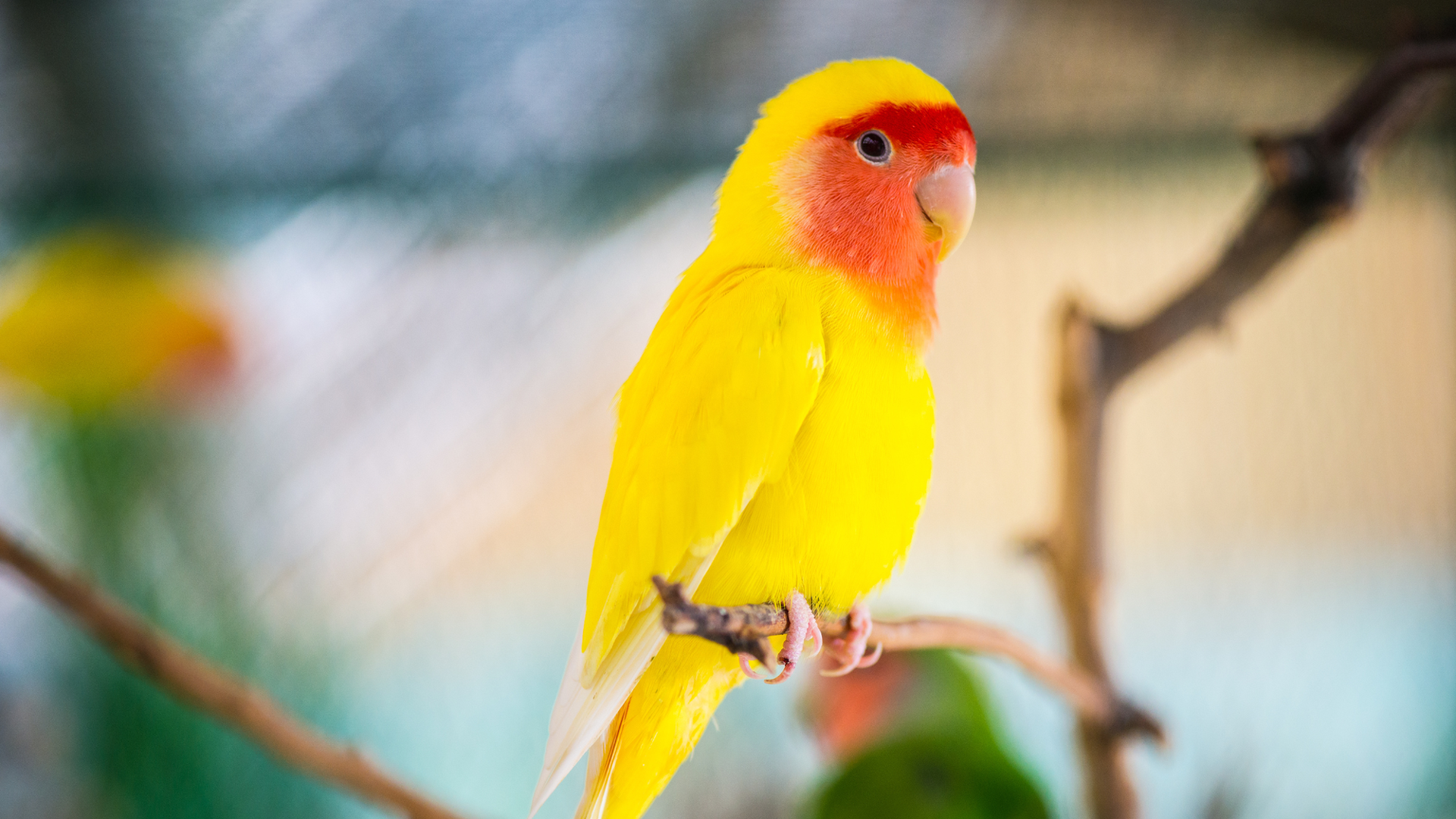
Credit: pethelpful.com
Vet Specializations
Veterinarians have different specializations to care for various animals. Not all vets treat every kind of pet. Some focus on common pets like dogs and cats.
Birds and exotic pets need special knowledge and skills. This is why vet specializations matter when choosing care for your bird.
Types Of Veterinary Care
Veterinary care covers many animal types and health needs. Here are common types of veterinary care:
- Small Animal Vets – treat pets like dogs and cats.
- Large Animal Vets – focus on farm animals like cows and horses.
- Exotic Animal Vets – care for birds, reptiles, and other unusual pets.
- Wildlife Vets – work with wild animals in their natural habitat.
- Specialist Vets – have extra training in areas like surgery or dermatology.
Role Of Exotic Animal Vets
Exotic animal vets have special skills to treat birds and other less common pets. They understand bird anatomy, diseases, and behavior.
| Service | Details |
| Diagnosis | Identify illness in birds using special tests |
| Treatment | Provide medication and care suited for birds |
| Surgery | Perform surgeries specific to bird anatomy |
| Nutrition Advice | Recommend diet plans for bird health |
| Emergency Care | Handle urgent cases like injury or poisoning |
Bird Anatomy And Health
Birds have a special body structure that helps them live in many environments. Their health needs differ from other pets.
Understanding bird anatomy is key to knowing if a regular vet can treat them well. Bird care requires specific knowledge.
Unique Bird Physiology
Birds have hollow bones that make flying easier. Their respiratory system is different from mammals.
- Lightweight skeleton with hollow bones
- Air sacs that help with breathing
- Beaks instead of teeth
- Feathers for flight and insulation
- High metabolism to support energy needs
These features mean vets must understand bird biology to provide the right care.
Common Bird Diseases
Birds can catch illnesses that need quick attention. Some diseases are unique to birds.
| Disease | Symptoms | Treatment |
| Psittacosis | Coughing, nasal discharge | Antibiotics |
| Avian Influenza | Weakness, loss of appetite | Supportive care |
| Aspergillosis | Breathing problems | Antifungal drugs |
| Feather Plucking | Self-harm, bald spots | Behavioral therapy |
Regular vets may not always recognize these diseases. Bird specialists have better training.
Challenges For Normal Vets
Normal vets often face difficulties when treating birds. Birds have unique needs compared to other pets.
Understanding these challenges helps explain why bird care requires special attention.
Lack Of Specialized Training
Most vets learn general animal care. Few get training focused on birds. Birds have different anatomy and diseases than cats or dogs.
- Birds have fragile bones that need careful handling.
- They show illness signs differently than other pets.
- Special knowledge is required for bird nutrition and behavior.
- Normal vets may miss bird-specific symptoms or treatments.
Equipment And Facility Limitations
Bird care needs special tools and spaces. Many clinics lack these. Normal vet offices may not have bird-sized cages or surgical tools.
| Equipment | Importance for Birds |
| Small cages | Reduce stress during exams |
| Precision scales | Measure exact bird weight |
| Specialized surgical tools | Handle delicate bird tissues |
| Quiet exam rooms | Keep birds calm |

Credit: www.birdexoticsvet.com
When To See A Bird Specialist
Birds have unique health needs that differ from other pets. Regular vets may not know all about bird care.
It is important to know when your bird needs a specialist. This helps keep your bird healthy and safe.
Signs Your Bird Needs Expert Care
Watch for any unusual signs in your bird’s behavior or body. These signs mean you should see a bird vet.
- Changes in eating or drinking habits
- Fluffed up feathers for a long time
- Difficulty breathing or wheezing sounds
- Drooping wings or weakness
- Swelling or lumps on the body
- Unusual droppings or diarrhea
- Loss of balance or falling often
- Feather plucking or skin problems
If you notice any of these signs, do not wait. A bird specialist can give the right care quickly.
Benefits Of Avian Veterinarians
Avian vets have special training for bird health. They understand bird diseases and treatments better than normal vets.
- Use special tools made for birds
- Know bird nutrition and diet well
- Provide safe medicine for birds
- Offer advice on bird habitat and care
- Can perform bird-specific surgeries
- Understand bird behavior and stress signs
Seeing an avian vet helps your bird get the best care. This can improve your bird’s health and lifespan.
Finding The Right Vet
Not all vets have experience treating birds. Birds have special needs. Finding the right vet is important for their health.
A normal vet might help with some bird problems. Still, a vet with bird knowledge is best. They understand bird behavior and care.
Questions To Ask Before Visiting
Before you visit a vet, ask some key questions. This helps you know if the vet can care for your bird well.
- Does the vet have experience with birds?
- What types of birds has the vet treated?
- Are there special bird care services available?
- Does the clinic have equipment for bird exams?
- Can the vet handle bird emergencies?
- Is the vet familiar with common bird illnesses?
Resources To Locate Avian Experts
Finding an avian expert can be easier with the right resources. These tools help locate vets who focus on bird care.
- Check local veterinary associations for avian specialists.
- Search online directories for bird vets near you.
- Ask bird owners or pet stores for vet recommendations.
- Visit bird clubs or forums to find trusted vets.
- Look for vets with avian certification or training.

Credit: birdsupplies.com
Emergency Bird Care
Bird emergencies can be scary. Quick action helps your pet survive. Knowing what to do saves time and stress.
This guide covers what to do right away and the role of general vets in bird emergencies.
Immediate Steps To Take
Act fast if your bird is hurt or sick. Keep your bird calm and safe. Avoid handling the bird too much. Watch for signs of trouble like bleeding or breathing trouble.
- Place the bird in a warm, quiet spot.
- Check for bleeding and stop it with gentle pressure.
- Keep the bird hydrated if possible.
- Do not feed or give water if the bird is unconscious.
- Call a vet immediately for advice.
Role Of General Vets In Emergencies
Normal vets can help in many bird emergencies. They can provide first aid and stabilize the bird. Some vets may refer you to a bird specialist if needed.
| Service | What to Expect |
| First Aid | Stop bleeding, support breathing, pain relief |
| Assessment | Check injuries and overall health |
| Referral | Send to avian specialist if needed |
| Advice | Guide for home care and follow-up |
Frequently Asked Questions
Can A Normal Vet Treat Common Bird Illnesses?
Yes, many general vets can treat common bird illnesses like infections and minor injuries. However, they may lack specialized knowledge for complex avian diseases.
When Should I See An Avian Specialist Instead?
Visit an avian specialist for rare diseases, surgery, or complex diagnostic tests. Specialists have specific training in bird care and advanced treatment options.
Do Normal Vets Have Proper Equipment For Birds?
Most general vets have basic equipment for birds, but may not have specialized tools like endoscopes or avian X-rays essential for thorough bird exams.
How To Find A Qualified Vet For My Bird?
Look for vets with avian certifications or experience. Check reviews, ask for referrals, or contact local bird clubs for recommendations.
Conclusion
Normal vets can help with basic bird care and minor issues. Birds have special needs that require expert knowledge. A vet with bird experience ensures better treatment and recovery. For serious problems, visiting an avian specialist is best. Always watch your bird’s behavior and health closely.
Early care can prevent many common bird illnesses. Trust your vet, but know when to seek expert help. Your bird deserves the best care for a happy life. Simple steps keep your feathered friend healthy and safe.




