
If you’ve ever found a bird with a wound, you know how heartbreaking it can be. You want to help, but you might not know where to start.
Treating a bird’s injury quickly and correctly can make all the difference between recovery and serious harm. In this guide, you’ll learn simple, clear steps to care for your feathered friend’s wound safely. By the end, you’ll feel confident in giving the best help possible and making a real difference in that bird’s life.
Keep reading—your quick action could save a life.
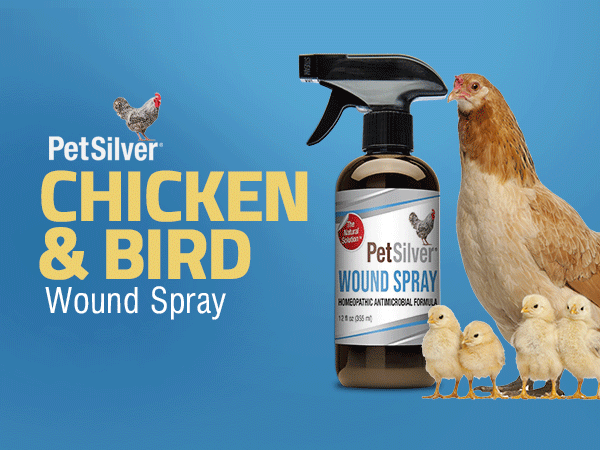
Credit: www.amazon.com
Assess The Injury
When a bird gets hurt, it is important to check the injury carefully. This helps you decide the best way to help the bird heal.
Start by looking closely at the wound. Knowing how bad it is can guide your next steps for care.
Check The Wound Severity
Look at the size and depth of the wound. A small scratch may need simple cleaning. A deep cut might need a vet’s attention.
- Check if the wound is bleeding heavily
- Look for broken skin or exposed tissue
- Notice if the bird is in pain or acting weak
- See if feathers around the wound are missing or torn
Look For Signs Of Infection
Infections can make a wound worse. Watch for redness or swelling near the injury. Pus or a bad smell also shows infection.
| Sign | What to Look For |
| Redness | Skin around the wound looks red or inflamed |
| Swelling | Area feels puffy or bigger than normal |
| Pus | Thick, yellow or green liquid oozing from the wound |
| Bad smell | Foul odor coming from the injury |
| Bird behavior | Bird is less active or stops eating |

Credit: www.amazon.com
Prepare For Treatment
Helping a bird with a wound needs careful steps. You must get ready before you start treating the injury.
Preparation helps the bird stay calm and improves the chance of healing. Follow these tips to prepare well.
Gather Necessary Supplies
Collect all needed items before you touch the bird. This saves time and reduces stress for the bird.
- Clean cloth or gauze pads
- Saline solution or clean water
- Antiseptic suitable for birds
- Disposable gloves
- Small scissors or tweezers
- Bandages or vet wrap
- Container or towel to hold the bird
Create A Calm Environment
Keep the bird in a quiet place with little noise or movement. Loud sounds can scare the bird more.
Dim the lights and avoid sudden actions. Speak softly and move slowly to keep the bird relaxed.
Clean The Wound
Cleaning a bird’s wound is important to help it heal. You need to be careful and gentle during the process. Proper cleaning stops infection and helps the bird feel better.
Use safe methods and tools to clean the wound. Avoid harsh chemicals that can hurt the bird’s skin. Removing dirt and debris carefully is very important.
Use Safe Cleaning Solutions
Use water or mild saline solution to clean the wound. Avoid using alcohol or hydrogen peroxide as they can damage the tissue. A gentle rinse helps remove dirt without causing pain.
- Use clean, lukewarm water or saline
- Do not use strong chemicals like alcohol
- Prepare fresh solution before cleaning
- Apply with a clean cloth or syringe
Remove Debris Gently
Debris like dirt or small stones can stay in the wound. Remove these carefully to avoid hurting the bird more. Use clean tweezers or a soft cloth for this task.
| Tool | Purpose |
| Clean tweezers | Pick out small debris carefully |
| Soft cloth | Wipe away dirt without damage |
| Saline solution | Rinse and clean wound area |
Apply First Aid
When a bird is injured, treating the wound quickly is important. Knowing basic first aid can help you care for the bird effectively.
This guide will cover stopping the bleeding and using appropriate dressings. These steps can aid in healing the bird’s wound.
Stop The Bleeding
Stopping the bleeding is the first step. Gently hold the bird to keep it calm. Use a clean cloth or tissue to apply pressure to the wound.
Do not press too hard. Check if the bleeding has stopped after a few minutes. If not, seek help from a veterinarian.
- Be gentle and calm while handling the bird
- Use a clean cloth or tissue
- Apply light pressure to the wound
- Check the bleeding after a few minutes
Use Appropriate Dressings
Once the bleeding stops, cover the wound with a dressing. Use sterile gauze or a bandage that fits well. Avoid using cotton, as it may stick to the wound.
Ensure the dressing is secure but not too tight. Change the dressing daily to keep the wound clean. Watch for signs of infection, like redness or swelling.
- Choose sterile gauze or a suitable bandage
- Avoid using cotton dressings
- Secure the dressing gently
- Change the dressing daily
- Observe for infection signs
Provide Supportive Care
Helping a bird with a wound needs gentle care and attention. You must keep the bird calm and safe. Supportive care helps the bird heal faster and prevents more harm.
Two key steps are keeping the bird warm and limiting its movement. These steps reduce stress and help the body focus on healing.
Keep The Bird Warm
Birds lose heat quickly when they are hurt. Keeping the bird warm helps keep its body strong and ready to fight infection. Use a soft towel or blanket to cover the bird gently.
- Place the bird in a small box or cage with soft bedding
- Use a heating pad set on low under half the box
- Make sure the bird can move away from heat if it gets too warm
- Keep the area quiet and away from drafts
Limit Movement
Moving too much can make a bird’s wound worse. It may cause bleeding or pain. Keep the bird in a small space to stop it from flying or jumping.
| Reason | How to Limit Movement |
| Prevent further injury | Use a small cage or box |
| Reduce stress | Keep the bird calm and quiet |
| Help healing | Limit activity and handling |

Credit: www.walmart.com
Monitor Healing Progress
Keeping an eye on your bird’s wound is very important. It helps ensure the bird heals properly and quickly. Observing changes daily can make a big difference.
Some changes may indicate a problem. Knowing when to seek help is crucial for your bird’s health. Let’s look at key steps to follow.
Check For Changes Daily
Examine the wound every day. Look for signs of infection or unusual changes. This helps in catching any issues early.
- Check for redness or swelling around the wound
- Notice any foul smell or pus discharge
- Observe if your bird is picking at the wound
Know When To Seek Vet Help
Sometimes, the wound may not heal on its own. Knowing when to call the vet can save your bird from serious harm.
| Symptom | Action |
| Worsening redness | Contact vet immediately |
| Persistent bleeding | Seek professional care |
| Bird stops eating | Get expert advice |
Prevent Future Injuries
Taking care of a bird’s wound is important. You must also prevent new injuries. Safe habits help birds stay healthy and safe.
This guide shows how to protect your bird by creating a safe home and doing regular health checks.
Create A Safe Habitat
Birds need a safe place to live. Their home should not have sharp objects or dangerous spots. This lowers the chance of injury.
- Remove sharp edges and loose wires in the cage
- Use soft bedding materials to cushion falls
- Keep food and water containers clean and secure
- Place toys that are safe and non-toxic
- Check that the cage bars are spaced correctly to prevent escapes or getting stuck
Regular Health Checks
Look at your bird often to find any problems early. Check feathers, skin, eyes, and feet for signs of injury or illness.
| What to Check | Signs to Watch For |
| Feathers | Broken, missing, or dull feathers |
| Skin | Redness, swelling, wounds, or scabs |
| Eyes | Redness, cloudiness, or discharge |
| Feet and Claws | Swelling, cuts, or difficulty standing |
| Behavior | Lethargy, hiding, or unusual aggression |
Frequently Asked Questions
How Can I Safely Clean A Bird Wound?
Use warm water and mild antiseptic to clean the wound gently. Avoid harsh chemicals. Pat dry with a clean cloth.
What Are The Signs Of Infection In Bird Wounds?
Look for redness, swelling, discharge, foul smell, or the bird’s discomfort. These indicate infection needing veterinary care.
Should I Use Antibiotic Ointment On Bird Wounds?
Only apply antibiotic ointment recommended by a vet. Some ointments can harm birds or delay healing.
When Should I Take My Bird To The Vet For Wounds?
Seek veterinary help if the wound is deep, bleeding heavily, or shows infection signs. Prompt care prevents complications.
Conclusion
Treating a bird wound quickly helps the bird heal well. Clean the wound gently and keep it dry. Watch the bird for signs of infection or pain. Give the bird a calm, safe place to rest. Seek help from a vet if the wound looks bad.
Caring with patience makes a big difference. Small steps lead to better healing. Birds rely on us for their care. Every little effort counts in their recovery.




