
Are you worried about bird flu and wondering if Tamiflu can help? You’re not alone.
When it comes to protecting yourself and your loved ones, knowing the right treatment is crucial. But does Tamiflu really work against bird flu, or is it just a myth? You’ll get clear answers that can help you make smart health decisions.
Keep reading to find out what Tamiflu does, how it works, and what you need to watch for to stay safe.

Credit: www.theguardian.com
Bird Flu Basics
Bird flu is a type of virus that mainly affects birds. It can sometimes infect humans and animals.
This virus spreads quickly among birds and can cause serious illness.
What Is Bird Flu
Bird flu, also called avian influenza, is a virus that infects birds. It is caused by influenza type A viruses.
Some bird flu viruses can spread to humans and cause sickness.
How Bird Flu Spreads
The virus spreads mainly through contact with infected birds’ saliva, droppings, or feathers.
People can catch bird flu by close contact with sick birds or contaminated surfaces.
- Touching infected birds or their droppings
- Handling raw poultry without protection
- Breathing in droplets from coughing birds
Symptoms Of Bird Flu
Bird flu symptoms in humans can be mild or severe. They often appear 2 to 5 days after infection.
Common symptoms include fever, cough, and sore throat. Some people may have muscle aches and breathing problems.
- Fever over 100.4°F (38°C)
- Cough and sore throat
- Runny or stuffy nose
- Muscle pain and fatigue
- Difficulty breathing in severe cases

Credit: sesamecare.com
Tamiflu Overview
Tamiflu is a medicine used to treat the flu. It helps people feel better faster.
This medicine works on flu viruses but is not for all types of flu.
How Tamiflu Works
Tamiflu blocks an enzyme that flu viruses need. This stops the virus from spreading in the body.
By stopping the virus, Tamiflu helps the immune system fight the infection.
Common Uses Of Tamiflu
Doctors give Tamiflu to people with flu symptoms. It can also help prevent flu in some cases.
- Treating flu symptoms in adults and children
- Preventing flu after close contact with sick people
- Reducing flu complications in high-risk groups
Tamiflu And Influenza Types
Tamiflu works mainly on influenza A and B viruses. These are the common flu types in humans.
| Influenza Type | Tamiflu Effectiveness |
| Influenza A | Effective |
| Influenza B | Effective |
| Bird Flu (Avian Influenza) | Variable, depends on strain |
| Other Influenza Types | Not well studied |
Tamiflu And Bird Flu
Bird flu is a virus that spreads from birds to humans. It can cause serious illness in people.
Tamiflu is a medicine used to fight flu viruses. It is often considered for treating bird flu.
Effectiveness Against Bird Flu Virus
Tamiflu works by stopping the flu virus from spreading in the body. It targets the neuraminidase enzyme.
Bird flu viruses have some resistance to Tamiflu. This means the medicine may not always work well.
- Tamiflu can reduce symptoms if given early
- Some bird flu strains are less affected by Tamiflu
- Effectiveness depends on the virus type
Clinical Studies And Results
Studies tested Tamiflu on patients with bird flu infection. Some showed a decrease in virus levels.
Other studies found mixed results. The medicine helped in some cases but not in others.
- Early treatment showed better outcomes
- Severe cases sometimes did not improve
- More research is needed for clear answers
Limitations And Challenges
Bird flu viruses can change quickly. This makes it hard for Tamiflu to always work well.
Resistance to Tamiflu is a major problem. It limits the use of the medicine in some outbreaks.
- Virus mutations reduce drug effectiveness
- Late treatment lowers benefits
- Side effects can occur with Tamiflu use
- Access to medicine may be limited during outbreaks
Alternative Treatments
Tamiflu is known to treat some flu types but may not fully treat bird flu. Doctors use other options to help patients fight bird flu.
Alternative treatments include different antiviral drugs, supportive care, and ways to prevent infection. These help control the illness and improve recovery.
Other Antiviral Medications
Some antiviral drugs can work against bird flu viruses. These drugs may stop the virus from growing or spreading in the body.
Doctors may use antivirals like zanamivir and peramivir. These drugs target flu viruses but need to be given early in infection.
- Zanamivir (Relenza) is inhaled to fight flu viruses.
- Peramivir is given by injection to reduce flu symptoms.
- These medications may be used if Tamiflu is not effective.
Supportive Care Options
Supportive care helps the body heal from bird flu. It does not kill the virus but eases symptoms and supports recovery.
Supportive care includes rest, fluids, and oxygen therapy if breathing is hard. Sometimes hospital care is needed for severe cases.
- Rest to help the immune system fight the virus
- Drinking fluids to prevent dehydration
- Oxygen support for breathing problems
- Medications to reduce fever and pain
Preventive Measures
Preventing bird flu is important to stop the spread. People should avoid contact with infected birds and practice good hygiene.
Vaccines for bird flu are under study but not widely available. Wearing protective gear helps those at risk, like farmers and vets.
- Wash hands often with soap and water
- Avoid contact with sick or dead birds
- Use masks and gloves when handling birds
- Cook poultry well to kill the virus
Resistance And Risks
Treating bird flu with Tamiflu involves careful attention to resistance and risks. This medicine can lose effectiveness if the virus changes. Patients and doctors must understand these issues well.
Knowing the side effects and risks of misuse helps keep treatment safe. This guide explains key points about drug resistance, side effects, and misuse risks.
Drug Resistance In Bird Flu
Bird flu viruses can change and become resistant to Tamiflu. This means the drug may not work as well. Resistance happens when the virus mutates.
- Repeated use of Tamiflu can encourage resistance.
- Resistant viruses spread more easily in some cases.
- Resistance limits treatment options for patients.
- New drugs may be needed if resistance grows.
Side Effects Of Tamiflu
Tamiflu may cause mild side effects in some people. Most side effects are not serious and go away on their own.
| Side Effect | Description |
| Nausea | Feeling sick to the stomach |
| Vomiting | Throwing up |
| Headache | Mild to moderate head pain |
| Diarrhea | Loose or watery stools |
Risks Of Misuse
Using Tamiflu incorrectly can cause problems. Taking it without a doctor’s advice or stopping early raises risks.
- Increased drug resistance
- Incomplete treatment of infection
- Possible side effects without benefit
- Wasting medical resources
Future Research Directions
Research on Tamiflu and bird flu is ongoing. Scientists are exploring new ways to treat and prevent bird flu. Understanding how Tamiflu works on bird flu can guide future treatments.
There is a need for more effective solutions. Current treatments are not always enough. Future research aims to find better options to protect people from bird flu.
New Antiviral Developments
Scientists are developing new antivirals. These medicines could work better than Tamiflu. New drugs may target the virus in different ways.
Researchers are testing these drugs in labs. They want to know how well they stop the virus. New treatments could help in the fight against bird flu.
Vaccine Progress
Vaccines are important for preventing bird flu. Scientists are working on new vaccines. These vaccines aim to protect more people.
Some vaccines are in the testing phase. They must be safe and effective. If successful, they can reduce the spread of bird flu.
Global Surveillance Efforts
Tracking bird flu is vital. Global surveillance helps monitor outbreaks. Countries share data to understand the spread.
This information helps scientists make decisions. They can focus on areas that need more research. Surveillance also aids in preparing for future outbreaks.
- Sharing data improves global response
- Monitoring helps identify new virus strains
- Early detection can prevent pandemics
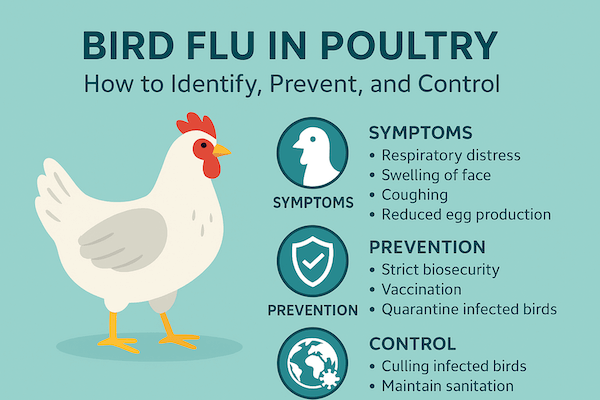
Credit: www.bivatec.com
Frequently Asked Questions
Does Tamiflu Effectively Treat Bird Flu Virus?
Tamiflu can help treat some bird flu strains by inhibiting virus replication. However, its effectiveness varies by virus type and timing of treatment. Early administration improves outcomes. Always consult a healthcare provider for proper diagnosis and treatment advice.
Can Tamiflu Prevent Bird Flu Infection?
Tamiflu is sometimes used as a preventive measure during bird flu outbreaks. It may reduce infection risk if exposed to the virus. However, it is not a substitute for vaccines or other preventive actions like hygiene and avoiding contact with infected birds.
How Does Tamiflu Work Against Bird Flu?
Tamiflu blocks the neuraminidase enzyme in the bird flu virus. This prevents the virus from spreading in the body. By stopping viral replication, Tamiflu helps reduce symptoms and shortens illness duration when taken early.
Is Tamiflu Safe For Bird Flu Patients?
Tamiflu is generally safe when prescribed by doctors for bird flu treatment. Side effects are usually mild, including nausea or headache. Patients should follow medical guidance and report any unusual symptoms immediately.
Conclusion
Tamiflu can help treat some types of bird flu. It works best when taken early in illness. Not all bird flu strains respond well to Tamiflu. Doctors decide the right treatment based on the flu type. Always follow medical advice for flu symptoms.
Preventing bird flu is important through hygiene and avoiding sick birds. Staying informed helps you stay safe and healthy. Keep watching for updates on bird flu treatments.




