
Are you thinking about building a cozy home for your feathered friends but wondering if treated lumber is a safe choice? You want to make sure your birdhouse lasts through the seasons, but you also want to protect the birds inside.
Using treated wood might seem like a smart idea because it resists rot and insects—but is it really safe for birds? Keep reading to discover the truth about treated lumber and how to create a birdhouse that’s both durable and bird-friendly.
Your backyard visitors will thank you!
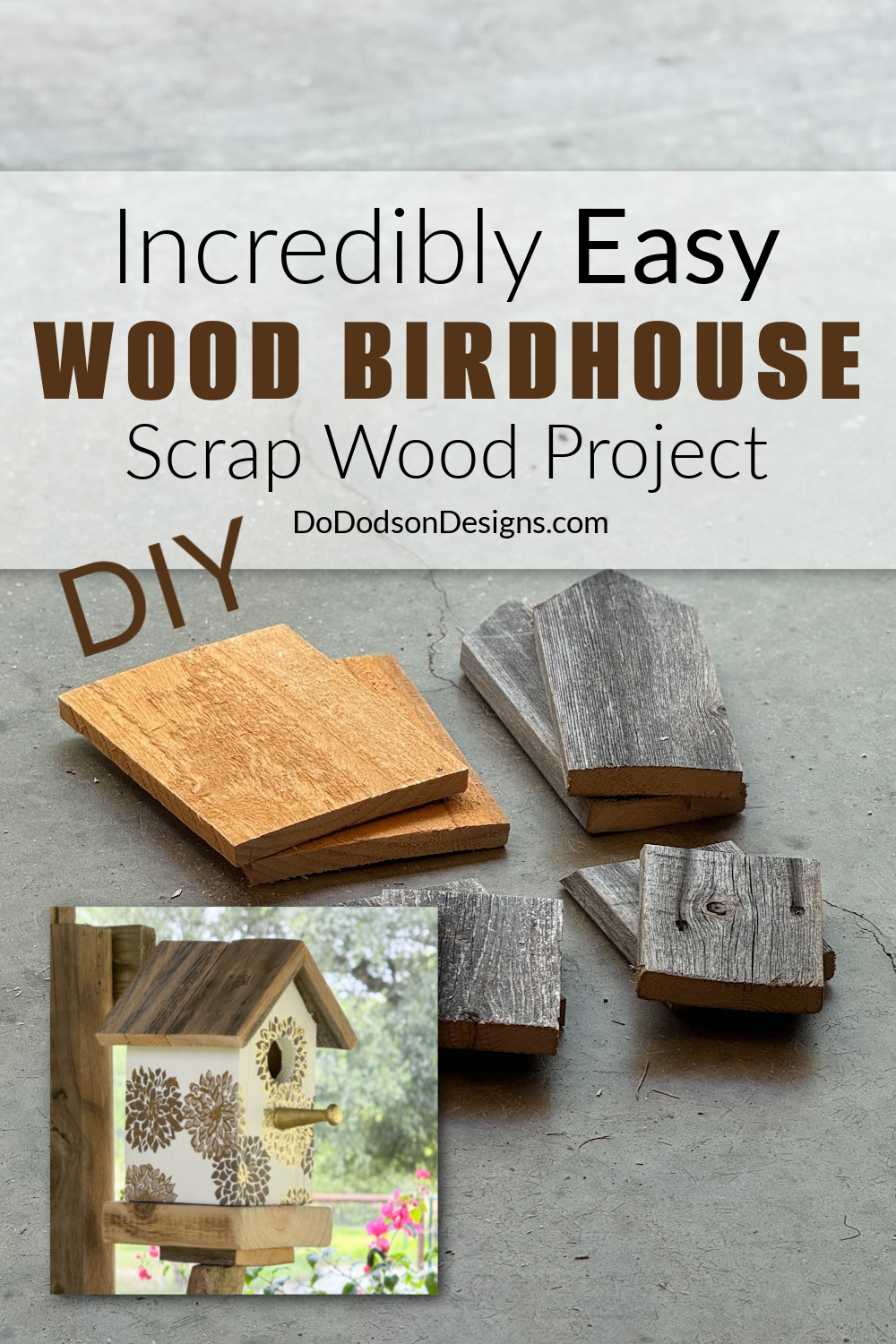
Credit: www.dododsondesigns.com
Treated Lumber Basics
Treated lumber is wood that has chemicals added to protect it. It lasts longer outside than regular wood. Many people wonder if they can use it for bird houses.
Knowing the types, chemicals, and durability helps decide if treated wood is safe for birds. This guide covers the basics of treated lumber.
Types Of Treated Wood
There are several types of treated wood. Each type uses different chemicals and methods to protect the wood.
- Alkaline Copper Quaternary (ACQ): Common for outdoor projects.
- Copper Azole (CA): Used for decks and fences.
- Micronized Copper Azole (MCA): Uses tiny copper particles.
- Borate-treated wood: For indoor use, not weather-resistant.
Chemical Components
Treated lumber gets its strength from chemicals. These chemicals protect wood from insects, fungi, and rot.
| Chemical | Purpose | Notes |
| Copper | Kills fungi and insects | Common in many treatments |
| Arsenic | Insecticide and fungicide | Used in CCA, now limited |
| Quaternary Ammonium | Fights fungi and bacteria | Less toxic alternative |
| Borates | Protects against insects | Safe for indoor use only |
Durability And Resistance
Treated wood lasts longer because it resists damage. It stands up well to weather and pests.
- Resists rot and decay better than untreated wood.
- Fights off insects like termites and beetles.
- Works well for outdoor projects like fences and decks.
- May need sealing for extra protection.
- Some chemicals can be harmful to birds if in contact.

Credit: 100things2do.ca
Safety Concerns For Birds
Birdhouses need to be safe for birds to live in. Using treated lumber can cause problems. This wood may contain chemicals that harm birds.
It is important to know the risks before building birdhouses with treated wood. Safety is the top priority for bird health and the environment.
Toxicity Risks
Treated lumber often has chemicals to stop rot and bugs. These chemicals can be toxic to birds. Birds may touch or peck the wood and get sick.
Some chemicals can leach out when it rains. This makes the birdhouse unsafe over time. Birds are very sensitive to toxins.
- Common chemicals include arsenic, copper, and chromium
- Treated wood may release harmful fumes or dust
- Direct contact can cause poisoning or skin irritation
Impact On Bird Health
Birds living in treated wood houses can suffer health issues. Chemicals can damage their organs and weaken their immune system. This makes birds more likely to get sick.
Young birds are especially at risk. Exposure to toxins can affect their growth and survival. Using untreated or safe wood is better for bird health.
- Poisoning can cause lethargy and poor feather quality
- Chemical exposure may reduce bird reproduction
- Long-term effects include organ damage and death
Environmental Considerations
Treated lumber can harm the environment around birdhouses. Chemicals can wash into soil and water. This can affect plants and other animals nearby.
Using treated wood increases pollution risks. Choosing natural and untreated wood helps protect ecosystems. Always think about the broader impact on nature.
- Chemicals may contaminate ground and water sources
- Harmful effects can spread beyond the birdhouse area
- Natural wood reduces environmental damage
Alternatives To Treated Lumber
Treated lumber is often used to build bird houses because it lasts longer. But it contains chemicals that can harm birds.
There are safer materials you can use. These options protect birds and still last well outside.
Natural Wood Options
Natural wood is safe and easy to find. It does not have harmful chemicals. Some woods last longer outside without treatment.
Cedar and redwood resist rot and insects naturally. Pine and fir are soft woods but work well if kept dry.
- Cedar: lasts long, smells nice, natural insect repellent
- Redwood: strong and weather-resistant
- Pine: affordable and easy to work with
- Fir: good for indoor or protected outdoor use
Non-toxic Treatments
You can treat wood without chemicals that harm birds. Use natural oils and water-based finishes to protect wood.
Linseed oil and tung oil soak into wood and help stop water damage. These oils are safe for birds and the environment.
- Linseed oil: natural, waterproofs wood
- Tung oil: dries hard, protects from rain
- Beeswax: seals wood, safe and natural
- Water-based sealers: no toxic fumes or chemicals
Recycled Materials
Recycled materials are good for making bird houses. They reduce waste and often need no chemicals.
Old wood from pallets or furniture can be cleaned and used. Just avoid wood with paint or stains that may harm birds.
- Reclaimed wood: solid and eco-friendly
- Old barn wood: weathered and durable
- Wood from pallets: check for safety and clean well
- Scrap wood: use small pieces to reduce waste
Expert Recommendations
Using treated lumber for birdhouses can be risky. This article shares expert advice on when to use it and how to care for your birdhouses.
Choosing the right wood helps keep birds safe and comfortable. Learn best practices, maintenance tips, and when to avoid treated lumber.
Best Practices For Birdhouses
Experts recommend using untreated, natural wood for birdhouses. Treated lumber may contain chemicals harmful to birds.
- Use cedar or pine wood that is safe and weather-resistant.
- Seal the wood with non-toxic finishes if needed.
- Make sure the birdhouse has proper ventilation and drainage.
- Keep the entrance hole size suitable for the bird species.
Maintenance Tips
Regular care helps extend the life of a birdhouse and keeps birds safe. Check for damage and clean the house each season.
| Maintenance Task | Frequency |
| Clean out old nests | After breeding season |
| Inspect for cracks | Twice a year |
| Reapply safe sealant | Every 1-2 years |
| Check mounting stability | Before spring |
When To Avoid Treated Lumber
Do not use treated lumber if you want to protect birds from toxins. Chemicals can leach out and harm baby birds.
- If the wood has been treated with strong preservatives or pesticides.
- If the birdhouse will be in direct contact with nesting material.
- When building houses for small, sensitive bird species.
- If you cannot seal the wood with a safe, non-toxic finish.
Building Birdhouses Safely
Using treated lumber for birdhouses raises safety questions. Treated wood can protect against rot. But chemicals in it may harm birds.
It is important to build birdhouses that are safe and lasting. Choose materials and methods that keep birds healthy.
Design Tips
Keep birdhouses simple and safe. Avoid sharp edges and tight spaces. Make sure holes are the right size for birds.
Use untreated wood if possible. If you use treated wood, cover it well to stop birds from touching chemicals.
- Use smooth wood surfaces
- Drill proper ventilation holes
- Make entrance holes fit specific birds
- Include drainage holes at the bottom
Sealing And Finishing
Seal treated lumber fully to block chemical exposure. Use bird-safe paints or sealants on all surfaces. Let them dry well before use.
Do not paint inside the birdhouse. Birds may touch or peck inside and get chemicals on their feathers.
- Choose non-toxic, water-based sealants
- Apply multiple coats on outside surfaces
- Avoid sealing inside the nesting area
- Let sealant cure before placing outdoors
Placement And Environment
Place birdhouses in safe, shaded spots. Avoid direct sunlight and heavy rain. This protects birds and wood from damage.
Mount birdhouses away from predators and busy areas. Check them often for damage or leaks from weather.
- Mount birdhouses 5-10 feet above ground
- Face entrances away from prevailing winds
- Use predator guards if needed
- Keep area clear of dense bushes or clutter
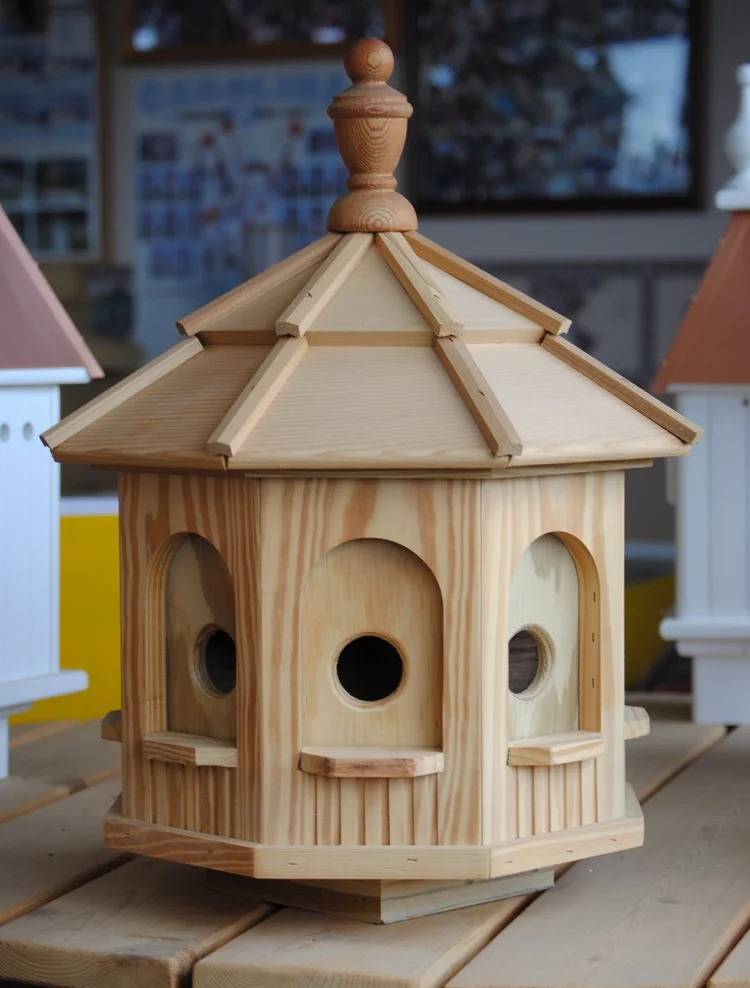
Credit: www.maysemfg.com
Frequently Asked Questions
Is Treated Lumber Safe For Bird Houses?
Treated lumber often contains chemicals harmful to birds. It’s best to avoid treated wood for bird houses to ensure their safety and health.
What Wood Types Are Best For Bird Houses?
Untreated cedar, pine, or plywood are ideal. These woods are natural, non-toxic, and provide good insulation for birds.
Can Chemicals From Treated Wood Harm Birds?
Yes, chemicals can leach into the wood and poison birds. Avoid treated lumber to protect bird health and safety.
How To Protect Untreated Wood For Bird Houses?
Use non-toxic, water-based sealants or paint. This protects the wood without exposing birds to harmful chemicals.
Conclusion
Treated lumber is not the best choice for bird houses. Chemicals in the wood can harm birds. Natural, untreated wood keeps birds safer and healthier. Choose wood that lasts but stays free of toxins. Building with safe materials helps birds thrive around your home.
Think about bird safety first when selecting materials. A simple, natural bird house attracts more feathered friends. Protect nature while enjoying your bird-watching hobby.




