
Have you ever noticed birds gathering where you don’t want them? Maybe they’re pecking at your garden or leaving droppings on your patio furniture.
You might be wondering if there’s a simple way to keep them away without harming them. One idea you’ve probably heard is using mirrors. But do mirrors really scare birds away, or is it just a myth? Keep reading to find out how mirrors work, whether they can protect your space, and what you can do to make sure your outdoor areas stay bird-free.
This little trick could change the way you handle unwanted feathered visitors!

Credit: www.amazon.com
How Birds React To Mirrors
Birds often react strongly when they see their reflection in mirrors. These reactions can vary from curiosity to aggression. Understanding how birds behave around mirrors helps us learn more about their instincts.
Reflections can confuse birds because they may think the mirror shows another bird. This can affect their behavior in different ways depending on the species and situation.
Birds And Reflections
Many birds see their reflection as a rival or a potential mate. This causes them to act in certain ways. Some birds try to fight the reflection, while others may sing to it or display courtship behaviors.
- Some birds peck or hit the mirror to scare away the “intruder.”
- Others may sing or call to their reflection.
- A few species use mirrors for entertainment or exploration.
- Juvenile birds often show more curiosity than adults.
Common Bird Behaviors Around Mirrors
Birds show several common behaviors when they encounter mirrors. These actions can help us understand their feelings and reactions.
| Behavior | Description | Reason |
| Pecking | Bird hits the mirror with its beak. | Sees reflection as a threat. |
| Singing | Bird vocalizes near the mirror. | Tries to communicate or attract the reflection. |
| Displaying | Bird shows feathers or dances. | Mistakes reflection for a mate. |
| Avoidance | Bird ignores or flies away. | Feels confused or scared. |
Effectiveness Of Mirrors As Deterrents
Mirrors can reflect light and movement to scare birds away. They create flashes that birds find disturbing. This can reduce bird visits in some cases.
Not all mirrors work the same. Their success depends on the setting and how they are used. Understanding where mirrors work best helps in choosing the right spots.
Situations Where Mirrors Work
Mirrors are more effective in some places than others. They work best where sunlight hits them often. The light flashes can startle birds and keep them away.
- Open gardens with good sunlight
- Near fruit trees or vegetable patches
- On balconies or patios exposed to sun
- Areas with low bird population pressure
- Places where birds are not used to mirrors
Limitations Of Mirror Deterrents
Mirrors do not stop all birds. Some birds get used to them over time. They do not work well in shady or indoor places.
| Limitation | Explanation |
|---|---|
| Habituation | Birds may ignore mirrors after repeated exposure |
| Weather | Cloudy or rainy days reduce light reflection |
| Placement | Mirrors placed in shade are less effective |
| Species Differences | Some birds are not scared by reflections |
| Safety | Strong reflections can disturb neighbors or pets |
Alternative Bird Deterrent Methods
Birds can become a problem around homes and gardens. Mirrors may not always keep them away. There are other ways to stop birds from coming close.
This article looks at different bird deterrent methods. These include visual tools, sounds, and physical barriers.
Visual Deterrents Beyond Mirrors
Birds react to things they see. Moving objects or shiny surfaces can scare them. Other visual tools may work better than mirrors.
- Reflective tape that moves in the wind
- Decoy predators like fake owls or hawks
- Wind chimes that catch light and move
- Colored flags or balloons that flutter
- Laser lights to create moving spots
Sound-based Bird Repellents
Sounds can scare birds away. Some devices play predator calls or distress signals. These sounds warn birds to stay away.
| Type of Sound | How It Works |
| Predator Calls | Makes birds think a hunter is near |
| Distress Calls | Alerts birds that danger is close |
| Ultrasonic Sounds | High pitches that birds hear but people do not |
| Noise Makers | Random loud sounds to startle birds |
Physical Barriers And Netting
Stopping birds from landing or reaching areas is very effective. Physical barriers keep birds out of gardens and buildings.
- Bird netting over fruit trees or crops
- Spikes on ledges and roofs
- Wire mesh around vents and chimneys
- Sticky gels on surfaces to prevent perching
- Fencing to block bird entry points

Credit: www.teamduval.org
Tips For Using Mirrors Safely
Mirrors can help scare birds away from your garden or windows. Using them safely ensures they work well without causing harm. Proper use prevents accidents and keeps birds safe.
Follow simple tips to place and care for mirrors. This keeps your space bird-friendly and avoids damage to the mirrors themselves.
Placement Strategies
Place mirrors where birds see their reflection but cannot get too close. Avoid areas where mirrors reflect direct sunlight onto homes or streets. Position mirrors at angles to reduce glare.
- Use small mirrors to cover wide areas without large reflections.
- Hang mirrors at bird eye level to maximize effect.
- Keep mirrors away from windows to prevent bird collisions.
- Secure mirrors well to prevent them from falling or breaking.
Maintenance And Monitoring
Check mirrors often to keep them clean and safe. Dirty or broken mirrors do not scare birds well and may cause harm. Monitor bird behavior to know if mirrors work or need moving.
| Maintenance Task | Frequency | Reason |
| Clean mirrors | Once a week | Remove dust and dirt for clear reflection |
| Inspect for damage | Every two weeks | Prevent sharp edges and broken glass |
| Observe bird activity | Weekly | Check if mirrors scare birds effectively |
Combining Deterrents For Best Results
Using mirrors alone to scare birds away may not be enough. Combining different deterrents can improve results.
A multi-layered approach keeps birds confused and less likely to return. Changing methods also helps maintain effectiveness.
Creating A Multi-layered Approach
Mix several types of bird deterrents to create layers of protection. This makes it harder for birds to get used to one method.
- Use reflective mirrors with sound devices.
- Place decoys like fake owls or hawks nearby.
- Install nets or spikes on key areas.
- Try different scents that birds dislike.
- Move deterrents regularly to new spots.
Adjusting Techniques Over Time
Birds learn and adapt quickly. Changing your deterrent setup often keeps birds alert and away.
| Time Period | Action |
| Every 1-2 weeks | Move mirrors and decoys to new locations |
| Monthly | Change sound device patterns or volume |
| Seasonally | Switch types of deterrents used |
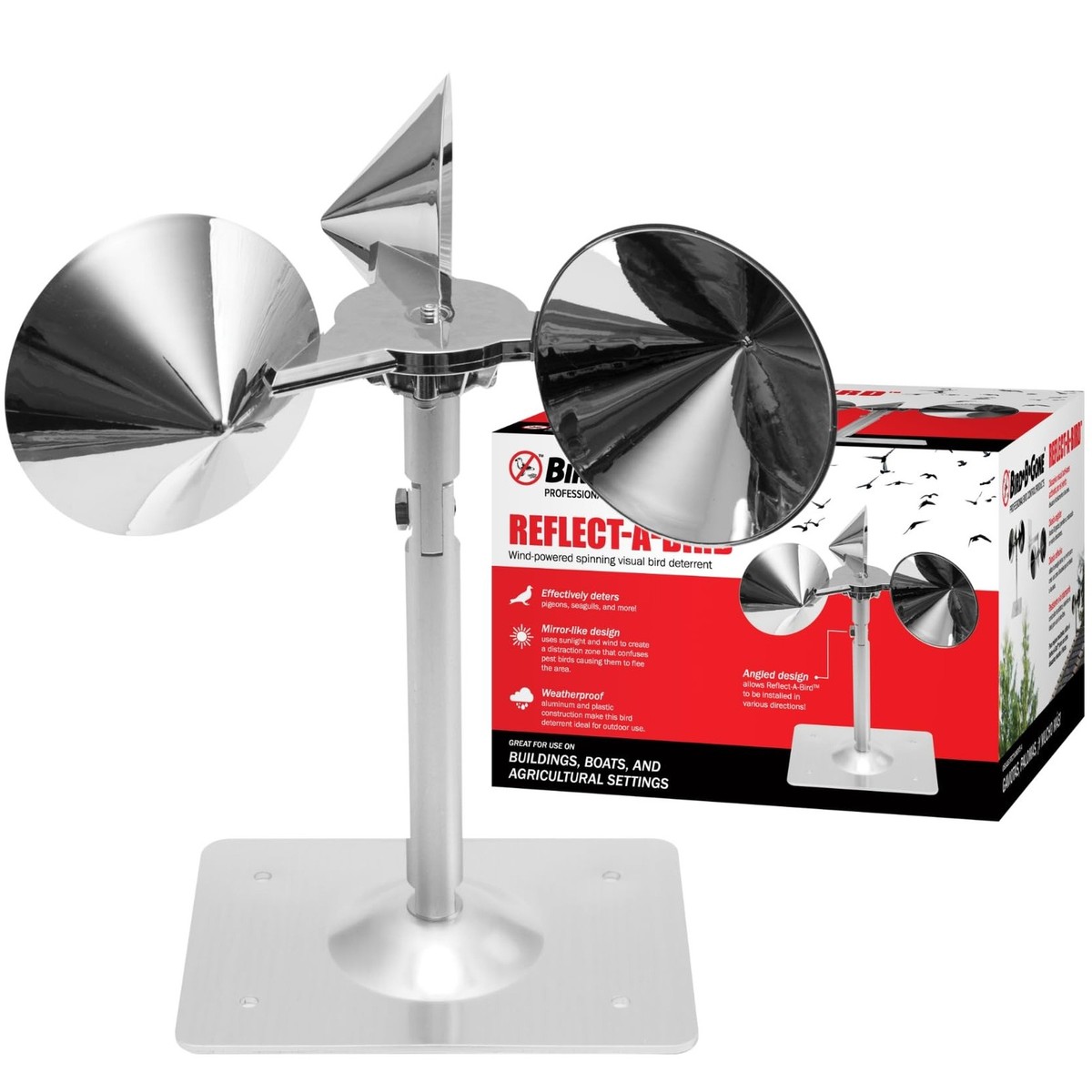
Credit: www.ebay.com
Frequently Asked Questions
Do Mirrors Effectively Scare Birds Away From Gardens?
Yes, mirrors can scare birds by reflecting light and creating movement. This confuses birds and deters them from landing. However, their effectiveness varies by bird species and persistence.
How Do Mirrors Deter Birds From Windows And Feeders?
Mirrors create reflections that birds perceive as threats or obstacles. This reflection startles birds, preventing collisions and keeping them away from windows and feeders.
Are Mirrored Surfaces Safe For Birds In Outdoor Areas?
Mirrored surfaces can confuse birds but generally do not harm them. Use mirrors carefully to avoid trapping birds or causing repeated collisions.
Can Mirrors Replace Traditional Bird Deterrents Effectively?
Mirrors can supplement other bird deterrents but may not fully replace them. Combining mirrors with sounds or physical barriers works best for bird control.
Conclusion
Mirrors can sometimes help keep birds away from your garden. Birds may get confused by their reflections and avoid the area. Still, this method does not always work for every bird species. Changing mirror positions often helps keep birds guessing.
Combining mirrors with other bird deterrents gives better results. Patience is key when trying to protect plants from birds. Small steps can make a big difference in your outdoor space. Keep trying and observe what works best for your garden.




