
Have you ever wondered if bird feces could be more than just a messy nuisance? You might be surprised to learn that what seems like harmless droppings can actually pose real risks to your health.
If you care about keeping your home and surroundings safe, understanding these risks is crucial. Keep reading to discover why bird feces shouldn’t be ignored and how you can protect yourself and your loved ones from potential dangers.
Health Risks Of Bird Droppings
Bird droppings can carry germs that make people sick. These droppings contain bacteria, fungi, and parasites.
It is important to know the risks to avoid health problems from contact with bird feces.
Diseases Linked To Bird Feces
Bird droppings can spread several diseases to humans. These include infections caused by bacteria, fungi, and parasites.
People who clean bird droppings or live near large bird populations face higher health risks.
Bacterial Infections
Bacteria in bird droppings can cause serious illnesses. One common bacteria is Salmonella, which leads to food poisoning.
Other bacteria like E. coli can also be present and cause stomach problems and infections.
- Salmonella can cause diarrhea and fever.
- E. coli may lead to stomach cramps and vomiting.
- Contact with bird droppings increases infection risk.
Fungal Hazards
Fungi in bird droppings can cause lung infections. Histoplasmosis is a common fungal disease linked to bird feces.
People breathe in fungal spores from dried droppings, which can harm their lungs.
- Histoplasmosis causes coughing and chest pain.
- It affects the lungs and can be severe in some cases.
- Cleaning bird droppings without protection raises the risk.
Parasitic Threats
Bird droppings may carry parasites that infect humans. These parasites can cause various health issues.
One example is Cryptosporidium, which causes diarrhea and stomach pain.
- Parasites spread through contact with droppings or contaminated water.
- Symptoms include diarrhea, cramps, and nausea.
- Good hygiene reduces infection risk.
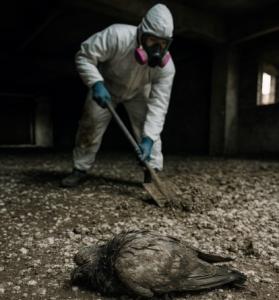
Credit: www.wsav.com
How Bird Feces Spread Illness
Bird feces can carry harmful germs that make people sick. These germs spread in different ways. Knowing how they spread helps to stay safe.
Bird droppings contain bacteria, fungi, and viruses. These can infect humans if they come into contact with the feces or things touched by it.
Airborne Particles
Dry bird droppings can break into tiny dust particles. These particles float in the air and can be breathed in. This spreads diseases to the lungs.
Bird feces often contain fungi like Histoplasma. Breathing in these spores can cause lung infections. People near bird nests or droppings are at higher risk.
- Dry feces turn into dust easily
- Dust carries harmful fungi and bacteria
- Breathing in dust can cause lung infections
- Cleaning bird droppings can release these particles
Direct Contact Risks
Touching bird feces with bare hands can spread germs. These germs can enter the body through cuts or by touching the face. This causes infections.
People who clean bird droppings without gloves or protection are more likely to get sick. Washing hands after contact lowers the risk of illness.
- Bird feces carry bacteria and viruses
- Germs enter through skin cuts or mouth
- Using gloves reduces risk
- Wash hands after contact
Contaminated Surfaces
Bird droppings land on surfaces like benches, cars, and roofs. Germs stay on these surfaces for hours or days. Touching them can spread illness.
Cleaning areas with bird feces regularly helps stop the spread. Use safe cleaners and protective gear to avoid breathing or touching germs.
- Feces contaminate many surfaces
- Germs survive on surfaces for long time
- Touching contaminated spots spreads germs
- Regular cleaning reduces risk
Common Bird Species And Their Risks
Bird feces can carry germs that cause illness. Some bird species pose more health risks than others.
Knowing which birds are common and their risks helps keep people safe. This guide covers pigeons, seagulls, and other urban birds.
Pigeons And Health Concerns
Pigeons live in cities and often leave droppings on buildings and sidewalks. Their feces may carry bacteria and fungi.
These germs can cause diseases like histoplasmosis and psittacosis. People with weak immune systems have higher risks.
- Histoplasmosis comes from fungus in dried pigeon droppings
- Psittacosis is a bacterial infection from bird droppings
- Cleaning droppings safely reduces infection risk
Seagulls And Contamination
Seagulls often live near water and beaches. Their feces can contaminate water and public areas.
The droppings may contain bacteria like E. coli and Salmonella. These bacteria can cause stomach infections in humans.
- Seagull feces can pollute drinking water sources
- Bacteria in droppings cause diarrhea and nausea
- Avoid contact with seagull droppings
Other Urban Birds
Other common city birds include sparrows, starlings, and crows. Their droppings also carry germs that may harm health.
These birds spread bacteria and parasites. They can also damage buildings with acidic droppings.
- Sparrows may spread salmonella and other bacteria
- Starlings carry parasites that affect humans
- Crows’ droppings can cause allergic reactions
- Regular cleaning reduces health risks

Credit: bugwisepestcontrol.co.uk
Symptoms Of Exposure
Bird feces can carry harmful germs and fungi. These can cause health problems if you come in contact with them.
It is important to know the symptoms of exposure. This helps you get help early and avoid serious issues.
Respiratory Issues
Breathing in dust or particles from bird droppings can harm your lungs. This can cause coughing and trouble breathing.
People with weak immune systems or lung diseases may have worse problems. Symptoms include:
- Shortness of breath
- Persistent cough
- Chest tightness
- Wheezing
Skin Reactions
Touching bird feces can cause skin irritation. The skin may become red, itchy, or develop rashes.
Some people may get small bumps or blisters. These symptoms can last for days if not treated.
- Redness and swelling
- Itching or burning feeling
- Rashes or bumps
Eye Irritations
Bird droppings can irritate your eyes if they touch them. This can cause redness and watering.
In some cases, eye pain or blurred vision may occur. It is important to rinse eyes with clean water if exposed.
- Red or bloodshot eyes
- Watery eyes
- Burning or stinging feeling
- Blurred vision
Preventing Health Hazards
Bird feces can carry germs that may cause health problems. It is important to keep areas clean and safe. Taking the right steps helps reduce risks.
Preventing health hazards starts with careful cleaning and protection. Controlling bird presence also lowers dangers from their droppings.
Safe Cleaning Practices
Clean bird droppings carefully to avoid spreading germs. Avoid dry sweeping or brushing, which can release harmful dust.
Use wet cleaning methods with water and disinfectant. Dispose of waste in sealed bags to stop contamination.
- Spray droppings with water before cleaning
- Use disinfectant to kill germs
- Clean tools after use
- Wash hands thoroughly
Protective Gear Recommendations
Wear protective gear to shield yourself from bacteria and fungi in bird droppings. This reduces the chance of infection.
Use gloves, masks, and eye protection when cleaning. Wear old clothes or coveralls that you can wash after use.
- Rubber or disposable gloves
- N95 or similar face mask
- Safety goggles or glasses
- Long sleeves and pants
Bird Control Measures
Limit bird presence to reduce droppings and health risks. Use safe methods to keep birds away from homes and buildings.
Install bird spikes, nets, or deterrents on ledges and roofs. Remove food sources that attract birds to your property.
- Place bird spikes on common landing spots
- Use netting to block nesting areas
- Keep trash bins sealed
- Clean up spilled food outdoors
When To Seek Medical Help
Bird feces can sometimes be more than just a nuisance. It can pose health risks under certain conditions. Knowing when to seek medical help is important for your safety and well-being.
Exposure to bird droppings can lead to infections and diseases. It is crucial to watch for warning signs and seek medical advice if needed.
Warning Signs
There are signs that might indicate a health issue from bird droppings. These signs can help you decide if you need medical help.
- Persistent coughing or difficulty breathing
- Fever or chills that do not go away
- Rashes or unusual skin reactions
- Headaches or muscle pain
Diagnosis And Treatment Options
If you experience symptoms, a doctor can help diagnose any condition. Medical tests may include blood tests or X-rays to find the cause of symptoms.
Treatment options vary based on the diagnosis. They might include medications like antibiotics or other therapies to treat infections.
- Antibiotics for bacterial infections
- Rest and fluids to help recovery
- Follow-up visits to monitor progress

Credit: www.thesparklegang.uk
Frequently Asked Questions
Is Bird Feces Harmful To Human Health?
Yes, bird feces can carry harmful bacteria and fungi. It may cause respiratory issues and infections if inhaled or contacted.
Can Bird Droppings Spread Diseases To Humans?
Bird droppings can spread diseases like histoplasmosis, cryptococcosis, and psittacosis, posing health risks especially in damp, enclosed areas.
How To Safely Clean Bird Droppings?
Wear gloves and a mask. Use disinfectant and avoid dry sweeping to prevent airborne particles. Dispose of waste properly.
Are Certain Birds More Dangerous Due To Their Feces?
Yes, pigeons and starlings often carry more harmful pathogens in their feces, increasing the risk of disease transmission.
Conclusion
Bird feces can carry harmful germs and cause health problems. It can spread diseases through the air or direct contact. Cleaning bird droppings carefully reduces the risk of illness. Wear gloves and use proper cleaning tools. Avoid touching your face after contact with bird waste.
Keep outdoor areas clean to prevent buildup. Staying aware helps protect you and your family. Bird feces is a health concern, but simple steps keep you safe. Stay cautious and maintain good hygiene around birds.




