
Have you ever noticed birds suddenly fluttering away from your garden mirrors? It might seem puzzling or even a little funny at first.
But there’s more going on than you realize. Your garden mirrors can confuse birds, making them think they see other birds or open sky. This can cause them to fly right into the glass, sometimes hurting themselves. If you care about the birds visiting your garden, understanding why this happens is key.
Keep reading to discover what makes birds fly into garden mirrors and how you can protect them while keeping your garden beautiful.
Bird Vision And Mirror Reflection
Birds see the world differently than humans do. Their eyes can detect more colors and details. This unique vision affects how they react to mirrors in gardens.
Mirrors show reflections that confuse birds. They may think the reflection is another bird or an open space. This can cause them to fly into mirrors by mistake.
How Birds See Reflections
Birds have sharp vision and can see ultraviolet light. Reflections in mirrors can look very real to them. They may see their own image as a rival bird or a new territory.
- Birds recognize shapes and colors in reflections.
- Some birds see ultraviolet patterns invisible to humans.
- Reflections can trigger territorial or mating behavior.
- Birds may try to interact with the mirror image.
Why Mirrors Confuse Birds
Mirrors show images without depth or smell. Birds use many senses to understand their world. The mirror reflection lacks these cues, causing confusion.
| Reason | Effect on Birds |
| No depth perception in reflection | Birds fly into mirrors thinking it is open space |
| Mirror shows the bird’s image | Birds see a rival and try to chase it |
| Lack of scent and sound | Birds cannot confirm if reflection is real |
| Strong sunlight glare | Reflection may blind or startle birds |

Credit: www.mirror.co.uk
Reasons Birds Fly Into Garden Mirrors
Birds sometimes fly into garden mirrors by mistake. The reflections confuse them. They do not see the mirror as a solid object.
This behavior can happen for different reasons. Understanding why birds fly into mirrors helps protect them.
Territorial Behavior
Birds see their reflection and think it is a rival. They try to chase the other bird away. This causes them to fly into the mirror.
Territorial fights happen especially during breeding season. Birds want to protect their space and food.
- Reflection looks like an intruder
- Bird tries to defend territory
- Repeated attacks on the mirror
Mating Displays
Some birds see themselves in the mirror and think it is a mate. They show off by singing or dancing. This can lead to them flying into the glass.
Birds want to attract the “other” bird. Their natural courtship behavior causes them to get close to the mirror.
- Reflection mistaken for a potential partner
- Bird performs mating rituals
- Close approach increases collision risk
Mistaking Reflections For Open Space
Birds often see reflections of trees and sky in mirrors. They think the mirror is open space. This causes them to fly straight into it.
Bright reflections make it hard for birds to understand the mirror is solid. This is common with large or shiny mirrors.
- Mirror reflects natural surroundings
- Birds believe they can fly through
- Collision happens from confusion
Common Types Of Garden Mirrors That Attract Birds
Birds are often drawn to garden mirrors because of the reflections they see. These mirrors can look like other birds or open sky, which attracts them. Different types of garden mirrors have unique effects on birds.
Using the right mirror can add beauty to your garden and also bring more birds to visit. Below are some common types of garden mirrors that attract birds.
Decorative Mirrors
Decorative mirrors come in many shapes and sizes. Their designs often include patterns or frames that make them look like art pieces in the garden. Birds may be attracted to these mirrors because they reflect light and movement.
- Sunburst mirrors with radiating frames catch the sunlight and attract birds.
- Round or oval mirrors resemble water, which birds like to visit.
- Mirrors with floral or leaf designs blend into plants and invite birds closer.
Reflective Garden Ornaments
Reflective garden ornaments use mirrors or shiny surfaces to create reflections. They often move slightly in the wind, which can catch a bird’s attention. These ornaments can be hanging or placed among plants.
| Type | Material | Attraction Feature |
| Mirror Balls | Glass or Metal | Reflect many angles of light |
| Hanging Discs | Polished Metal | Swing and shine in breeze |
| Reflective Stakes | Mirrored Plastic | Catch sunlight near flowers |

Credit: www.turningclockback.com
Impact On Birds’ Health And Safety
Birds often fly into garden mirrors because they see reflections of the sky or trees. These reflections confuse them, making mirrors a hidden danger. Understanding how mirrors affect birds helps protect their health and safety.
The impact of mirrors on birds goes beyond just collisions. It can cause injuries and change their normal behavior. Both injury risks and stress must be considered to keep birds safe in garden spaces.
Injury Risks
When birds fly into mirrors, they can hurt themselves badly. The impact can cause bruises, broken bones, or even death. Sharp edges on some mirrors make injuries worse. Some birds may get stunned and unable to fly for a while.
- Bruises and cuts from collision
- Broken wings or legs
- Head trauma causing disorientation
- Fatal injuries in severe crashes
- Long recovery time or permanent damage
Stress And Behavioral Effects
Mirrors can cause stress to birds as they see their reflections. They may think another bird is invading their space. This leads to aggressive behavior or repeated attacks on the mirror.
| Behavioral Effect | Description |
| Territorial Aggression | Birds attack their reflection to defend territory |
| Increased Stress | Repeated mirror attacks tire and stress birds |
| Disrupted Feeding | Time spent on mirror reduces feeding time |
| Avoidance | Birds may avoid areas with mirrors |
Preventing Bird Collisions With Mirrors
Birds sometimes fly into garden mirrors because they see reflections of trees or sky. These reflections confuse birds and cause collisions. You can take steps to prevent these accidents.
Using simple changes in mirror placement and adding visual markers can protect birds. Let’s explore some ways to keep your garden safe for birds.
Mirror Placement Tips
Place mirrors where birds are less likely to see confusing reflections. Avoid putting mirrors opposite trees or bushes. Position mirrors at angles that reduce clear reflections of open sky.
- Keep mirrors away from bird feeders or birdhouses.
- Install mirrors at a slight tilt to change reflection angles.
- Use smaller mirrors instead of large reflective surfaces.
- Place mirrors near solid walls or fences to block reflections.
Using Visual Deterrents
Visual markers help birds see mirrors as solid objects. These markers reduce crashes by breaking up reflections.
- Attach decals or stickers on mirror surfaces.
- Use strings or tape in patterns across mirrors.
- Hang lightweight objects like ribbons or wind chimes nearby.
- Apply a grid or dot pattern to mirrors to reduce glare.
Alternative Garden Decorations
Choose garden decorations that do not reflect light strongly. This keeps birds safe and adds beauty to your space.
| Decoration Type | Bird Safety |
| Wooden sculptures | Safe, no reflections |
| Matte-finish stones | Safe, no glare |
| Colorful flower pots | Safe, no mirrors |
| Metal ornaments | Use with caution, may reflect |
Real-life Stories And Observations
Birds often mistake garden mirrors for open skies. This can lead to them flying directly into the reflective surfaces. Many bird lovers have shared their stories and solutions.
These observations help us understand why birds do this and how we can prevent it. Some methods have proven successful in reducing these incidents.
Bird Behavior Reports
Several bird watchers have noticed that certain species are more prone to flying into mirrors. Robins and sparrows are frequent victims. These birds often see their reflection and assume it’s a rival bird.
- Robins often defend territory, mistaking their reflection for another bird.
- Sparrows are curious and may approach mirrors out of interest.
- Larger birds like crows are less likely to fly into mirrors.
Successful Prevention Cases
Many gardeners have tried different methods to prevent these accidents. Some have found success using simple techniques. These methods are easy to apply and safe for birds.
One effective solution is to cover mirrors with decorative patterns. These patterns break up the reflection, making it less confusing for birds.
| Method | Effectiveness |
| Decorative patterns | High |
| Hanging ribbons | Medium |
| Installing netting | High |
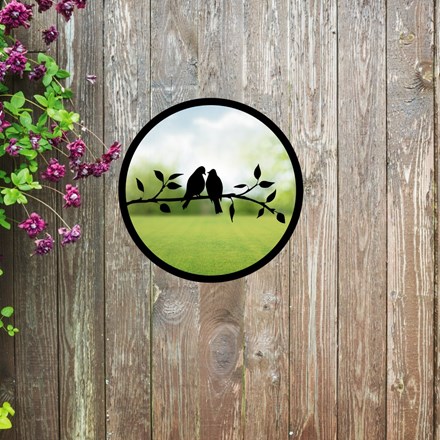
Credit: www.primrose.co.uk
Frequently Asked Questions
Why Do Birds Fly Into Garden Mirrors?
Birds fly into garden mirrors because they see their reflections. They mistake reflections for other birds or open space. This confusion causes collisions, which can injure the birds.
How Can Garden Mirrors Confuse Birds?
Garden mirrors reflect the surroundings, creating illusions of open space or rival birds. Birds react instinctively to these reflections, leading to accidental crashes.
What Are The Signs Of Bird Collisions With Mirrors?
Signs include broken feathers, stunned birds, or dead birds near mirrors. You may also notice repeated strikes or birds avoiding the mirror area.
How To Prevent Birds From Hitting Garden Mirrors?
Use decals, stickers, or cover mirrors with netting. Position mirrors away from bird flight paths. These measures reduce reflections and protect birds.
Conclusion
Birds often fly into garden mirrors because they see their reflection. They think it is another bird or open space. This can cause injury or stress to the birds. To protect them, use decals or cover mirrors. Bright stickers or netting also help prevent collisions.
Watching your garden can help you spot any problems early. Small changes make a big difference for bird safety. Keep your garden safe and enjoy watching birds without harm.




