
Have you ever noticed birds constantly flying into your car mirrors or pecking at your windows? It might seem strange, even frustrating.
But there’s a surprising reason behind this behavior that you’ll want to know. Understanding why birds are drawn to these shiny surfaces can help you protect your car and keep the birds safe. Keep reading, because what you learn here might change the way you see those reflections forever.

Credit: www.youtube.com
Attraction To Reflections
Birds often fly near car mirrors and windows because they see their reflections. These reflections look like other birds to them. This can make birds curious or even aggressive.
The shiny surfaces trick birds into thinking there is another bird nearby. This is why birds sometimes peck or sing at mirrors and windows.
How Mirrors Mimic Territory
Birds see their reflection in car mirrors as a rival bird. They think the mirror shows another bird in their territory. This can cause them to act protective.
Birds may try to scare away the “intruder” by pecking or flapping their wings. They do not realize the reflection is not real.
Windows And Illusions Of Space
Windows can confuse birds because they see what looks like open space or trees behind the glass. Birds may try to fly through, thinking it is a clear path.
Reflections on windows create illusions of sky or greenery. This misleads birds and can lead to collisions or repeated visits.
Territorial Behavior Triggers
Birds often react to their reflections in car mirrors and windows. They see these images as rivals in their territory.
This behavior is part of their natural instinct to protect their space from other birds. Understanding this helps explain why birds act this way.
Birds Mistaking Reflections For Rivals
Birds see their reflection and think it is another bird invading their space. This causes them to attack or display aggressive behavior.
- Reflections create a false image of a rival bird.
- Birds cannot recognize their own reflection.
- They try to scare away the “intruder.”
- Mirrors and windows show clear, moving images that attract birds.
Seasonal Aggression Patterns
Birds’ aggression towards reflections changes with the seasons. They are more territorial during breeding times.
| Season | Bird Behavior | Reason |
| Spring | High aggression | Protecting nests and mates |
| Summer | Moderate aggression | Raising chicks |
| Fall | Low aggression | Less territorial pressure |
| Winter | Minimal aggression | Focus on survival |
Mating And Courtship Factors
Birds often interact with car mirrors and windows during mating season. These shiny surfaces can confuse birds. They see their reflections and think they are other birds.
This behavior can affect how birds find mates and show off. It plays a role in their courtship rituals and breeding success.
Reflections As Potential Mates
Birds may see their reflection as a rival or a potential mate. Some male birds try to attract what they think is a competitor. They will sing, display feathers, or even attack the reflection.
- Reflections can trigger courtship displays.
- Birds may waste energy on their reflection.
- This may cause stress or confusion.
- Some birds keep returning to mirrors or windows.
Impact On Breeding Success
Spending time with reflections can affect real mating chances. Birds may miss real mates while focused on mirrors. This can reduce breeding success in some cases.
| Effect | Description |
| Increased Energy Use | Birds use more energy on false rivals. |
| Delayed Mating | Time spent on reflections delays real courtship. |
| Territorial Aggression | Birds may become aggressive towards reflections. |
| Reduced Offspring | Less successful mating lowers chicks born. |
Curiosity And Playfulness
Birds often show interest in car mirrors and windows. Their curious nature makes them explore new things.
Playfulness also drives birds to interact with reflective surfaces. They enjoy investigating their surroundings.
Exploring Novel Objects
Birds like to check out objects they have not seen before. Car mirrors and windows look strange to them.
Reflections in mirrors and windows catch their attention. These shiny surfaces seem like new things to explore.
- Reflective surfaces create interesting shapes and lights
- Birds may see their own reflection and get curious
- Mirrors and windows are often near bird habitats
Learning Through Interaction
Birds learn about their world by touching and looking closely. Interacting with mirrors helps them understand reflections.
Playful actions teach birds about cause and effect. They may peck or fly around the mirror to see what happens.
- Birds study reflections to recognize themselves
- Playing with reflections helps develop problem-solving skills
- Repeated interaction builds memory and awareness
Risks And Consequences
Birds often get attracted to car mirrors and windows. They see their reflection and think it is another bird. This can lead to harmful situations for them.
Such interactions can cause accidents and affect the birds’ well-being. Let’s explore the risks they face.
Collision Injuries
Birds sometimes collide with mirrors and windows. They may get hurt or even die. Their delicate bodies can’t handle strong impacts.
Collision injuries are a common result of birds attacking their reflection. It is crucial to understand these risks to find ways to help them.
- Broken wings or legs
- Head injuries
- Internal damage
Stress And Energy Drain
Birds use energy defending their territory. Seeing their reflection tricks them. They waste energy fighting a non-existent rival.
This stress and energy drain affects their health. They spend less time finding food and resting.
- Increased stress levels
- Less time for feeding
- Decreased overall health

Credit: www.reddit.com
Preventive Measures For Bird Safety
Birds often fly into car mirrors and windows because they see reflections or think they can pass through. This causes harm to the birds and damage to vehicles. Taking steps to prevent these collisions helps protect birds and keeps your car safe.
Simple changes to your car’s mirrors and windows can reduce accidents. These changes make it clear to birds that these surfaces are solid objects, not open spaces.
Using Decals And Films
Decals and films break up reflections on windows and mirrors. Birds see these patterns and avoid flying into the glass. Small dots, stripes, or shapes work best.
Use decals that are close together. This spacing helps birds understand the barrier. Special films can also reduce glare and reflectivity.
- Apply decals on outside surfaces
- Space decals no more than two inches apart
- Use opaque or semi-transparent patterns
- Consider UV-reflective films birds can see but humans cannot
Positioning And Design Tips
Place decals and films where birds usually fly or land. Focus on mirrors and windows that face open spaces or trees. Design the patterns to cover most of the glass.
Keep your car’s mirrors clean and free of shiny objects. Bright, shiny surfaces attract birds. Angling mirrors slightly downward may reduce reflections of the sky.
- Cover at least 30% of window surface with patterns
- Focus on side mirrors and front windshield edges
- Keep mirrors angled to avoid sky reflections
- Remove hanging or shiny decorations near windows
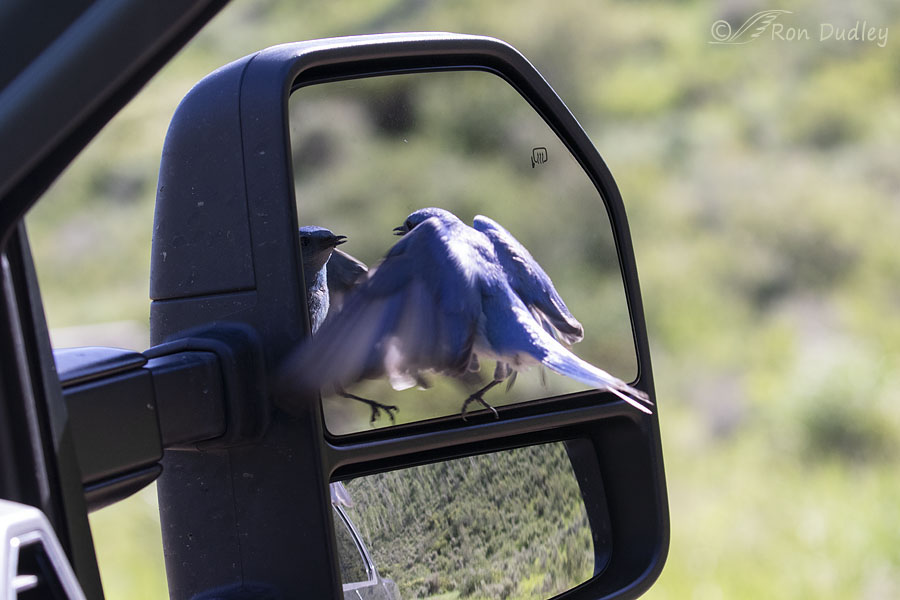
Credit: www.featheredphotography.com
Frequently Asked Questions
Why Do Birds Peck At Car Mirrors?
Birds see their reflections in car mirrors. They mistake reflections for rivals. This triggers territorial behavior, causing them to peck or attack the mirror.
How Do Windows Confuse Birds?
Windows reflect sky and trees, creating illusions. Birds cannot distinguish reflections from real objects. This often causes collisions or repeated pecking on glass.
Can Birds Get Hurt By Car Mirrors?
Yes, birds can injure themselves. Attacks on mirrors can cause stress or physical harm. Collisions with glass may lead to serious injury or death.
How To Prevent Birds From Attacking Mirrors?
Cover mirrors with cloth or decals. Use bird-safe window films to reduce reflections. These methods help birds recognize surfaces and avoid attacks.
Conclusion
Birds see their reflections in car mirrors and windows. They think these reflections are other birds or open space. This confuses them and draws their attention. Understanding this helps us protect birds from harm. Using decals or covers can reduce bird collisions.
Small changes around cars keep birds safe. Nature and human life can work well together. Observing birds’ behavior teaches us about their world. Caring for wildlife starts with simple actions. Everyone can help make a difference for birds.




