
Have you ever stopped to think about what bird poop could do to your health? It might seem harmless or just a messy nuisance, but the truth is, it can carry risks you don’t want to ignore.
If you’ve noticed droppings around your home or workplace, you need to know how they could affect your well-being. This article will reveal the hidden dangers lurking in bird droppings and what you can do to protect yourself and your loved ones.
Keep reading—you might be surprised by what you learn.

Credit: www.thesparklegang.uk
Health Risks Linked To Bird Droppings
Bird droppings can carry germs that harm people. These germs cause sickness and infections.
Knowing the health risks helps you stay safe around bird waste. Clean bird droppings carefully.
Bacterial Infections From Bird Poop
Bird droppings contain bacteria that can cause illness. People may breathe in these bacteria or touch them.
Common bacterial infections include salmonella and E. coli. These cause stomach pain, diarrhea, and fever.
- Salmonella causes food poisoning symptoms
- E. coli leads to severe stomach cramps
- Bacteria spread through direct contact or dust
Fungal Diseases Transmitted By Droppings
Fungi can grow in old bird droppings. These fungi release spores that people breathe in.
Histoplasmosis and cryptococcosis are fungal diseases linked to bird waste. They cause lung problems and flu-like symptoms.
- Histoplasmosis affects lungs and causes coughing
- Cryptococcosis can lead to severe lung and brain issues
- Fungal spores become airborne when droppings dry
Parasitic Threats In Bird Waste
Bird poop may carry parasites harmful to humans. These parasites enter the body through contact or inhaling dust.
Parasites like Giardia and Toxoplasma cause illness. They lead to stomach pain, fever, and tiredness.
- Giardia causes diarrhea and stomach cramps
- Toxoplasma infection is risky for pregnant women
- Parasites spread through contaminated surfaces or air
Common Illnesses Caused By Exposure
Bird poop can carry harmful fungi and bacteria. These can cause health problems if people breathe in dust or particles from dried droppings.
It is important to know what illnesses may develop from contact with bird droppings. This helps in taking safety measures to avoid infections.
Histoplasmosis And Its Symptoms
Histoplasmosis comes from a fungus that grows in bird droppings. People get sick by breathing spores in the air. The illness mainly affects the lungs.
- Fever and chills
- Chest pain
- Cough that lasts several weeks
- Fatigue and body aches
- Shortness of breath in severe cases
Cryptococcosis Risks And Effects
Cryptococcosis is caused by a fungus found in pigeon droppings. It can infect the lungs and spread to the brain. People with weak immune systems are at higher risk.
| Symptom | Details |
| Headache | Common and persistent |
| Fever | Moderate to high |
| Neck stiffness | Signs of brain infection |
| Confusion | Severe cases only |
| Cough | Dry and ongoing |
Psittacosis And Respiratory Issues
Psittacosis is a bacterial infection from exposure to bird droppings and feathers. It causes flu-like symptoms and serious lung problems.
- High fever
- Dry cough
- Difficulty breathing
- Muscle aches
- Chest pain
How Bird Poop Affects Different Environments
Bird poop can cause health problems and damage in many places. It contains germs and acids that can harm people and surfaces.
Knowing how bird poop affects different areas helps us keep safe and clean spaces.
Urban Areas And Public Spaces
In cities, bird poop is common on sidewalks, benches, and statues. It can make places slippery and dirty. It also spreads bacteria and fungi that may cause illnesses.
- Can cause slippery sidewalks and accidents
- Damages buildings and monuments by eroding materials
- Spreads germs that cause respiratory problems
- Attracts insects and pests
Homes And Residential Risks
Bird poop near homes can create health risks. It can carry parasites and bacteria that affect residents. Poop on roofs and gutters can clog drains and cause water damage.
| Risk | Description | Possible Effect |
|---|---|---|
| Parasites | Bird droppings may carry mites and ticks | Skin irritation and allergies |
| Bacteria | Salmonella and E. coli can be present | Stomach illness and infections |
| Structural Damage | Acid in droppings harms roofing materials | Leaks and costly repairs |
Workplaces And Industrial Settings
Bird poop in work areas can cause safety and health issues. It can contaminate food factories and office buildings. Droppings may also create slip hazards and damage equipment.
Common concerns in workplaces include:
- Health risks from airborne fungi
- Damage to machinery from acidic droppings
- Contamination of products in food processing plants
- Unpleasant odors affecting workers
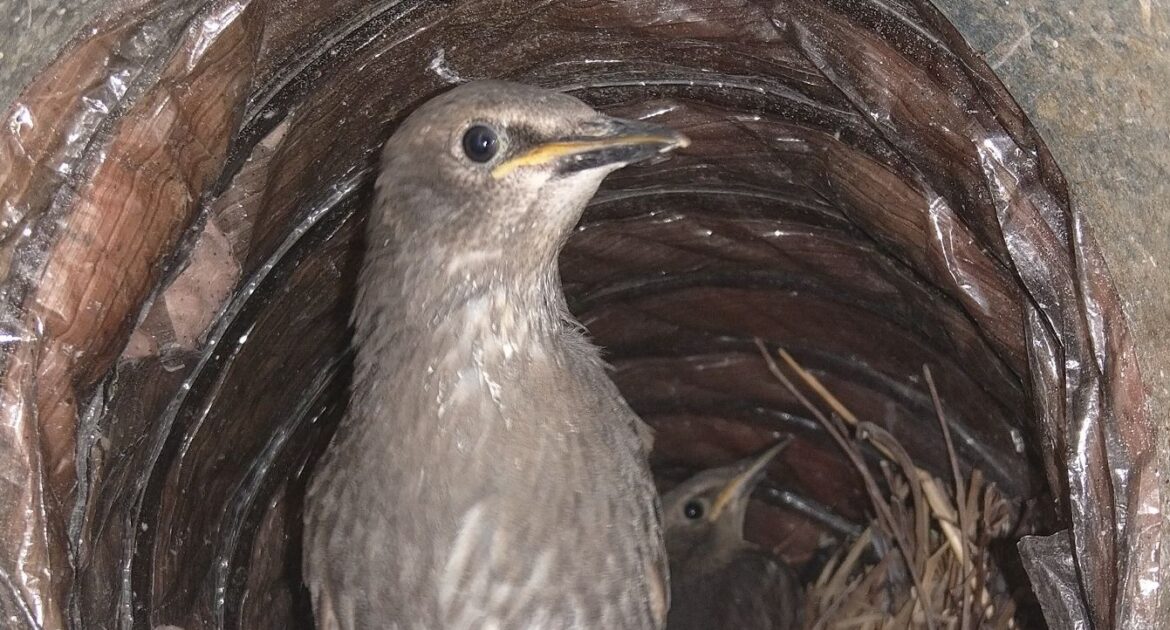
Credit: www.skedaddlewildlife.com
Preventive Measures Against Health Hazards
Bird droppings can carry germs that cause health problems. Taking preventive steps helps reduce risks. Clean bird poop safely and protect yourself.
Controlling birds around your home lowers the chance of exposure. Use the right tools and methods to stay safe.
Safe Cleaning Practices For Bird Droppings
Always wet bird droppings before cleaning. This stops dust and germs from spreading in the air. Use disinfectants to kill harmful bacteria and viruses.
- Wear gloves and a mask before cleaning
- Spray droppings with water or disinfectant
- Use paper towels or disposable cloths to wipe droppings
- Dispose of waste in sealed bags
- Wash hands thoroughly after cleaning
Protective Gear And Equipment
Using the right gear protects your skin and lungs from germs. Always have safety equipment ready when cleaning bird droppings.
| Protective Gear | Purpose |
| Gloves | Protect hands from germs and chemicals |
| Face Mask | Prevent breathing in harmful dust and spores |
| Goggles | Keep eyes safe from splashes |
| Disposable Clothing | Reduce contact with contaminated material |
Controlling Bird Populations Around You
Reducing bird numbers near your home lowers droppings and health risks. Use safe methods to keep birds away without harm.
- Remove food sources like open trash and bird feeders
- Install bird spikes or netting on ledges and roofs
- Use noise makers or visual repellents to scare birds
- Keep outdoor areas clean and dry
When To Seek Medical Attention
Bird poop can carry germs that might cause health problems. Most of the time, it is not harmful if you touch it briefly. But some diseases from bird droppings can be serious.
You should know when to see a doctor. Early care can stop these problems from getting worse. This guide helps you understand what to watch for and what to do.
Recognizing Early Symptoms
Symptoms from bird poop exposure may start slowly. Watch for signs like cough, fever, or tiredness. Skin rashes or eye irritation can also happen if you touched droppings.
Seek medical help if you notice:
- Persistent cough or chest pain
- High fever over 101°F (38.3°C)
- Shortness of breath or difficulty breathing
- Skin redness, swelling, or pain
- Eye redness or discharge
Diagnostic Tests For Related Diseases
Doctors may order tests to find out if bird poop caused illness. These tests check for infections like histoplasmosis or psittacosis. Blood tests and chest X-rays are common.
Tests may include:
- Blood tests to detect antibodies or germs
- Chest X-ray to look for lung infection
- Sputum test to check mucus from lungs
- Skin or eye swab if affected
Treatment Options And Recovery
Treatment depends on the illness caused by bird droppings. Doctors may prescribe antibiotics for infections. For mild cases, rest and fluids can help recovery.
Follow these tips to recover well:
- Take all prescribed medicines fully
- Get plenty of rest
- Drink lots of water
- Return to doctor if symptoms worsen
- Keep affected skin or eyes clean

Credit: www.reddit.com
Frequently Asked Questions
Can Bird Poop Transmit Diseases To Humans?
Yes, bird poop can carry harmful bacteria and fungi. These pathogens may cause diseases like histoplasmosis and psittacosis in humans. Direct contact or inhaling dried droppings increases the risk. Proper cleaning and protective gear reduce exposure and keep you safe.
What Health Problems Can Bird Droppings Cause?
Bird droppings can cause respiratory issues, allergic reactions, and infections. Common illnesses include histoplasmosis, cryptococcosis, and psittacosis. People with weak immune systems are more vulnerable. Avoiding contact and cleaning contaminated areas promptly helps prevent these health problems.
Is Bird Poop Harmful If It Dries Out?
Dried bird poop can be more dangerous than fresh droppings. It can release spores and dust containing harmful pathogens into the air. Inhaling these particles may cause respiratory infections. Always wear masks and gloves when cleaning dried droppings to avoid health risks.
How To Safely Clean Bird Droppings?
Wear gloves, a mask, and protective clothing before cleaning. Moisten droppings with water to reduce dust. Use a disinfectant to clean the area thoroughly. Avoid dry sweeping or vacuuming to prevent airborne particles. Dispose of waste safely to prevent contamination.
Conclusion
Bird poop can carry germs that may harm your health. It can cause breathing problems and infections. Cleaning bird droppings carefully helps reduce risks. Always use gloves and masks for protection. Keep living areas clean and dry to avoid issues.
Stay aware and take small steps to stay safe. Your health matters, so handle bird waste with care. Simple actions can prevent bigger problems later. Stay safe and protect your home from bird-related health risks.




