
Have you ever found a bird that looks dazed or confused, unsure if it’s hurt or just stunned? It’s a heart-wrenching sight, and you might wonder what you can do to help.
Knowing how to treat a stunned bird can make all the difference in giving it a second chance. You’ll learn simple, effective steps to care for these fragile creatures safely and confidently. Keep reading—you might just save a life today.
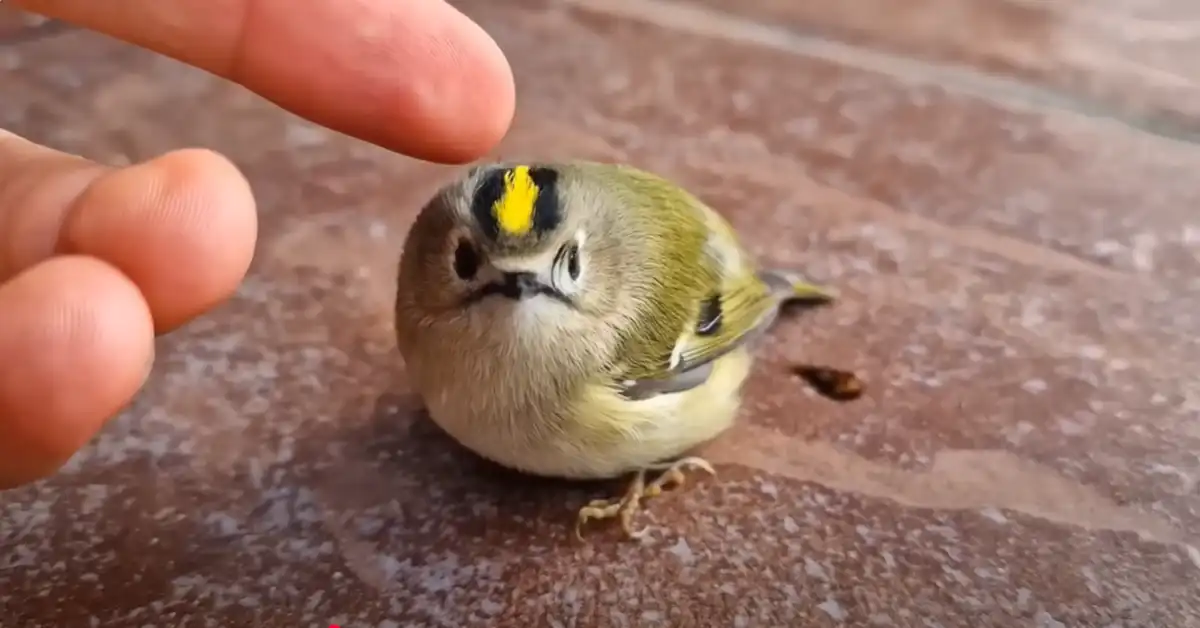
Credit: www.earthofbirds.com
Identify Signs Of A Stunned Bird
A stunned bird is one that has been temporarily shocked or dazed. It often happens after a collision or a sudden scare. Recognizing the signs early helps you provide the right care.
Knowing how to spot a stunned bird can save its life. Look closely at its behavior and physical condition. This guide will help you identify what to watch for.
Common Symptoms To Watch For
A stunned bird may show several clear signs. These symptoms tell you the bird needs help but might recover soon with rest.
- Disoriented or confused behavior
- Difficulty standing or balancing
- Closed or half-closed eyes
- Slow or unsteady movements
- Fluffed feathers and weakness
- Unusual quietness or silence
Distinguishing Between Injury And Shock
It is important to tell if a bird is just stunned or badly injured. Shock means the bird is dazed but not hurt deeply. Injuries may need medical care.
Check for wounds, bleeding, or broken limbs. If the bird moves its wings and legs but seems dazed, it likely has shock. If it cannot move or has obvious injuries, it needs help from a vet.
- Shock:bird is awake but confused
- Injury:visible wounds or broken bones
- Shock:bird tries to stand or fly but fails
- Injury:bird stays still and shows pain signs
Create A Safe Environment
When a bird is stunned, it needs a calm and safe space to recover. Creating a safe environment helps the bird regain strength quickly.
Keep the area quiet and free from noise or sudden movements. This reduces stress and helps the bird heal.
Choosing A Quiet, Dark Space
Find a small, quiet room or corner to place the bird. Darkness helps the bird feel safe and calm.
A box or cage covered with a cloth can make a perfect dark space. Make sure the place is safe from pets and children.
Minimizing Stress And Disturbances
Keep the bird away from loud sounds and quick movements. Speak softly if you need to be near the bird.
Limit handling the bird. Too much touching can increase its stress and slow recovery.
- Turn off bright lights and loud devices
- Keep pets and children out of the area
- Check on the bird quietly and briefly
- Avoid sudden noises or fast movements
Handle The Bird With Care
Stunned birds need gentle and careful handling. Rough treatment can cause more harm. It is important to act calmly and softly.
Knowing the right ways to hold and protect yourself helps both you and the bird. Use safe methods to avoid stress or injury.
Proper Techniques For Gentle Handling
Hold the bird securely but softly to avoid hurting it. Support its body and wings carefully. Keep the bird calm by covering its eyes with a cloth.
- Approach the bird slowly and quietly
- Use both hands to support the bird’s body
- Do not squeeze the bird’s chest or wings
- Keep the bird close to your body for stability
- Cover the bird’s eyes to reduce stress
Using Protective Gear If Necessary
Sometimes, birds may scratch or bite when scared. Using gloves and long sleeves can protect your skin. Choose gear that lets you hold the bird firmly but gently.
| Protective Gear | Purpose |
| Thick gloves | Protect against scratches and bites |
| Long sleeves | Cover arms and prevent injuries |
| Soft cloth or towel | Wrap the bird safely and calm it |

Credit: www.birdsandblooms.com
Provide Immediate Care
When you find a stunned bird, act quickly to help it recover. Immediate care can save its life and prevent further injury.
Keep the bird safe and calm while you check its condition. Avoid loud noises and sudden movements.
Offering Water And Food
Give the bird water to drink if it seems alert. Use a shallow dish or a dropper to offer small amounts slowly.
Offer soft food like soaked birdseed or small pieces of fruit. Do not force the bird to eat if it is weak or unconscious.
- Use clean, fresh water
- Offer food in small, easy-to-eat pieces
- Avoid giving milk or bread
- Watch if the bird drinks or eats
Monitoring Breathing And Responsiveness
Check the bird’s breathing by watching its chest rise and fall. Breathing should be steady and not too fast.
Tap gently near the bird or call softly to see if it reacts. A responsive bird may blink or move its head.
- Look for regular breathing
- Note any gasping or silence
- Test responsiveness with gentle sounds or touch
- If no response, prepare to contact a wildlife expert
Allow Time For Recovery
If you find a stunned bird, it needs quiet and rest before it can fly again. Giving the bird time helps its body heal from shock or injury.
Patience is key. Do not rush to release the bird too soon. Watch closely for signs it is ready to go back into the wild.
How Long To Wait Before Releasing
Usually, a stunned bird needs at least 30 minutes to recover. This time lets it regain strength and balance. Sometimes it may take several hours.
- Place the bird in a dark, quiet box or room.
- Keep it warm but not hot.
- Check on the bird every 15-20 minutes.
- Look for signs of improved breathing and alertness.
- If no change after a few hours, contact a wildlife rehabilitator.
Signs The Bird Is Ready To Fly
Before releasing the bird, watch for clear signs that it can fly safely. These signs show the bird has recovered enough.
| Sign | Description |
|---|---|
| Alertness | The bird looks around and reacts to sounds. |
| Strong Wing Movement | The bird flaps its wings without trouble. |
| Balance | It can stand steadily without wobbling. |
| Flight Test | The bird can fly short distances and land safely. |
When To Seek Professional Help
Helping a stunned bird is a kind act, but some injuries need professional care. Learn when to call experts for help.
Spotting serious issues early can save the bird’s life. Here’s how to know when to seek help.
Identifying Serious Injuries
Birds with severe injuries need a wildlife expert. Look for these signs to decide if you need to call for help.
- Bleeding that doesn’t stop
- Visible broken bones
- Inability to stand or fly
- Swelling or bruising around the eyes
- Breathing problems
Finding Wildlife Rehabilitation Centers
Wildlife centers have the tools and skills to care for injured birds. Find one near you to get the bird the help it needs.
Use online resources like Wildlife Rehabberto locate centers.
Calling local animal shelters can also guide you to nearby wildlife experts.
| Resource | Contact Information |
| Wildlife Rehabber | wildliferehabber.org |
| Local Animal Shelter | Check local listings |
Preventing Future Incidents
Birds sometimes collide with windows because they can’t see glass. We can help prevent these accidents by making small changes at home.
These changes can protect birds and make your home safer for them. Here are some tips to consider.
Tips To Reduce Bird Collisions
Birds often fly into windows because they see reflections of the sky or trees. You can help by changing the appearance of your windows.
- Apply decals or stickers on glass surfaces
- Install external screens or netting
- Use shades or curtains to break reflections
Making Your Home Bird-friendly
Creating a bird-friendly environment at home is easy. You can start by offering birds safe places and essential resources.
| Action | Benefit |
| Place bird feeders away from windows | Reduces collision risk |
| Plant native trees and shrubs | Provides shelter and food |
| Use bird-safe glass for new windows | Prevents accidents |

Credit: www.birdsandblooms.com
Frequently Asked Questions
What Should I Do Immediately For A Stunned Bird?
Place the bird in a quiet, dark, and warm area. Avoid handling it too much. This helps reduce stress and shock, allowing the bird to recover safely.
How Long Does A Bird Stay Stunned?
A bird usually recovers within 15 to 30 minutes. If it remains stunned longer, seek help from a wildlife rehabilitator or vet immediately.
Can I Feed Or Give Water To A Stunned Bird?
Avoid feeding or giving water until the bird fully recovers. Offering food or water too soon may cause choking or stress.
When Should I Contact A Wildlife Expert For A Stunned Bird?
If the bird doesn’t recover after 30 minutes or shows injuries, contact a wildlife rehabilitator or veterinarian for proper care and treatment.
Conclusion
Treating a stunned bird needs calm and quick care. First, move the bird to a safe, quiet place. Avoid touching it too much to reduce stress. Offer water and wait patiently for it to recover. Most birds regain strength within a few minutes.
If the bird does not improve, contact a wildlife expert. Your gentle help can save a bird’s life. Small actions make a big difference in wildlife care. Always act kindly and responsibly when helping animals.




