
Have you ever watched a bird do something so silly that you just had to laugh? North America is full of birds that might not be the smartest, but they are definitely some of the most entertaining.
In this guide, you’ll discover the quirkiest, funniest feathered friends you’ve never really noticed before. Whether you’re a bird lover or just curious, this list will surprise you and keep you hooked from start to finish. Ready to meet the dumbest birds in North America?
Let’s dive in!
Notorious Dumb Birds
North America hosts many birds known for odd and foolish behavior. Some stand out for their silly mistakes and strange habits. These birds often surprise us with their clumsy acts or poor choices. They are the notorious dumb birds that make us laugh and wonder.
Common Ravens And Their Missteps
Common ravens are smart but often make strange errors. They sometimes drop food or get tricked by other animals. Ravens try to solve problems but fail in silly ways. Their curiosity leads them into trouble more than once.
For example, ravens may steal shiny objects but then lose them. They also get confused by simple traps or puzzles. Even clever birds have dumb moments.
Seagulls’ Clumsy Antics
Seagulls are notorious for clumsy acts near beaches and cities. They often miss food or drop it while flying. Their loud squawks and awkward landings add to the comedy.
Seagulls steal snacks but sometimes fail to swallow them. They also crash into windows or get stuck in trash. Their boldness does not always pay off.
Pigeons: Urban Fools Or Survivors?
Pigeons live in cities and face many dangers. They seem foolish, bumping into people and cars. Pigeons often peck at odd things or get lost.
Despite this, pigeons survive well in tough environments. They find food and shelter in strange places. Their survival skills hide their silly mistakes.
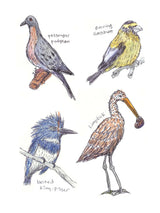
Credit: www.urbannaturestore.ca
Behavioral Quirks
Birds often surprise us with strange and funny behaviors. These odd actions show how some birds struggle with simple tasks. Their quirks make them interesting and sometimes puzzling to watch. Understanding these behaviors helps us see birds in a new light.
Why Some Birds Repeat Mistakes
Some birds keep making the same errors. They might try to eat inedible objects or fail to escape danger. This repetition comes from limited learning ability. Their brains are not always quick to adapt. They follow old habits even when those habits do not work.
Mimicry Gone Wrong
Birds often copy sounds and calls from others. Sometimes this mimicry fails. They may imitate wrong sounds or confuse signals. This causes problems in communication. A bird might scare away friends or attract the wrong species. These mistakes show the limits of their mimic skills.
Poor Navigation Tales
Many birds travel long distances during migration. Some get lost along the way. They may fly in circles or end up in wrong places. Weather, landmarks, and instincts affect their travel. Poor navigation can lead to exhaustion and danger. These stories reveal how tricky migration can be for birds.
Surprising Intelligence Myths
Many people call some North American birds “dumb” based on quick judgments. These judgments often miss the true story. Birds show surprising intelligence in many ways. Misunderstanding their actions leads to false myths about their smarts. Exploring these myths helps us appreciate birds better.
When Dumb Birds Outsmart Us
Some birds labeled as dumb solve tricky problems fast. They use tools or find food cleverly. Crows, for example, drop nuts on roads to crack shells. They wait for cars to pass and then pick up the seeds. This shows planning and patience, traits linked to intelligence.
Misinterpreted Bird Actions
Birds’ behaviors often look strange or silly. People may think birds are clumsy or forgetful. A bird may repeat the same action many times. This might seem foolish but can be a way to learn or communicate. Some “dumb” acts are actually smart adaptations to survive.
The Role Of Environment
Bird intelligence changes with their surroundings. Urban birds act differently than forest birds. City birds learn to use human-made objects for food or shelter. Birds in tough environments develop special skills. Intelligence shows best when birds face challenges.
Impact On Ecosystems
Birds often play important roles in their ecosystems. Even so-called “dumb” birds impact nature in many ways. Their actions affect plants, animals, and the balance of local habitats. Understanding these effects helps us see their true role in the environment.
How Dumb Birds Affect Other Species
Dumb birds can change the lives of other animals. Some spread seeds by eating fruit and dropping seeds elsewhere. Others compete with smarter birds for food and space. This competition can push some species to move or change their habits.
Some dumb birds also attract predators. Their noisy or clumsy behavior may reveal hiding spots. This affects survival chances of nearby animals. In some cases, dumb birds help control insect numbers by eating pests.
Human Interactions And Consequences
Humans often find dumb birds amusing or annoying. People feed them in parks and backyards, changing natural behaviors. This can lead to overpopulation in certain areas. Large flocks may damage crops or spread disease.
Many dumb birds adapt well to cities and towns. Their presence sometimes causes conflicts with humans. Noise and droppings create problems near homes and businesses. Managing these birds requires careful planning.
Conservation Challenges
Protecting dumb birds can be tricky. They may not get as much attention as rare or beautiful species. Yet, their role in ecosystems is important. Conservation plans must consider their impact on other wildlife.
Habitat loss affects dumb birds just like others. Some depend on specific places for nesting or food. Saving these habitats helps maintain balance in nature. Efforts include:
- Restoring native plants
- Reducing pollution
- Controlling invasive species
Understanding dumb birds better helps create smarter conservation strategies.
Spotting Dumb Birds In The Wild
Spotting dumb birds in the wild can be a fun and surprising adventure. These birds often act in strange or silly ways that make them easy to notice. Watching their behaviors and knowing where to find them helps in identifying these amusing creatures. Nature offers many chances to observe their quirky acts up close.
Key Traits To Watch For
- Unusual or clumsy movements that seem out of place
- Odd vocal sounds or repeated calls that don’t fit the environment
- Strange interactions with other birds or animals
- Flying into objects or showing poor navigation skills
- Uncommon feeding habits or struggling to find food
Best Locations Across North America
- Urban parks where birds adapt in funny ways
- Wetlands and marshes with diverse bird populations
- Forests known for large groups of common dumb bird species
- Coastal areas where seabirds sometimes display odd behaviors
- Backyards and gardens where birds interact with humans
Seasonal Behavior Changes
Bird behavior shifts with the seasons, making spotting easier or harder. During spring, birds may act more boldly while finding mates. Summer brings busy feeding times, sometimes with clumsy feeding mistakes. In fall, migration causes unusual group behaviors and flight errors. Winter often shows birds struggling with cold and food, leading to funny or strange actions.

Credit: books.apple.com

Credit: books.apple.com
Frequently Asked Questions
What Are The Dumbest Birds In North America?
The dumbest birds are often crows, pigeons, and dodos. They show simple problem-solving skills and some odd behaviors. These birds sometimes struggle with adapting to new environments or learning from mistakes.
Why Are Some North American Birds Called Dumb?
Some birds seem “dumb” due to their repetitive mistakes or poor survival skills. This label is based on their behavior, not intelligence. Many birds have unique ways of adapting that might seem odd to humans.
How Do Dumb Birds Affect Local Ecosystems?
Dumb birds can disrupt ecosystems by overpopulating or misusing resources. Their behavior can impact other species’ survival. Sometimes, they help by spreading seeds or controlling pests.
Can Dumb Birds Be Trained Or Helped?
Yes, some dumb birds can learn simple tasks with training. Positive reinforcement improves their behavior and survival chances. Helping birds involves protecting habitats and reducing human threats.
Conclusion
North America has many birds that seem a bit silly or clumsy. These birds remind us that nature is full of surprises. They may not be the smartest, but they are part of the ecosystem. Watching them can bring smiles and fun stories.
Next time you see a bird acting oddly, think of this guide. Enjoy the simple, funny side of birdwatching. Nature’s quirks make the outdoors more interesting and alive. Keep exploring and appreciating all kinds of birds around you.




