
If you love birds and want to know more about those beautiful creatures in the Western regions, “A Field Guide to Western Birds Peterson 1941” is a treasure you don’t want to miss. This guide has helped countless bird watchers like you identify birds quickly and easily.
Imagine having a simple, reliable tool that brings the colors, shapes, and sounds of birds right to your fingertips. Whether you’re a beginner or have some experience, this classic guide will change the way you see the world around you.
Keep reading, and discover why this book remains a must-have for anyone serious about birdwatching.

Credit: www.ebay.ca
The Legacy Of Peterson 1941
The legacy of A Field Guide to Western Birdsby Peterson, published in 1941, remains strong today. This guide reshaped how people identify and appreciate birds. Its clear illustrations and simple text made birdwatching accessible to many. The book’s impact goes beyond just a field guide. It helped build a community of bird lovers and inspired many to explore nature.
Historical Context
In 1941, bird identification was difficult for most people. Few guides offered clear pictures or easy instructions. Peterson’s book filled this gap with detailed drawings and simple language. It arrived during a time when outdoor hobbies were growing in popularity. The guide made birdwatching easier and more fun for beginners.
Impact On Birdwatching
Peterson’s field guide changed birdwatching forever. It taught readers to notice small details in birds. This skill helped people identify species quickly and accurately. The guide encouraged more people to spend time outside. Birdwatching grew from a niche activity to a popular hobby. Clubs and groups started forming, sharing knowledge and passion.
Enduring Popularity
Decades after its release, Peterson’s guide remains widely used. Its simple design and useful tips still appeal to bird lovers. New editions update information but keep the original style. The guide is often the first book for new birdwatchers. Its lasting popularity shows the value of clear, helpful nature books.
Key Features Of The Guide
The key features of A Field Guide to Western Birdsby Roger Tory Peterson, first published in 1941, make it a timeless tool for bird enthusiasts. This guide stands out because it combines clear visuals with detailed information that helps you identify birds in the western United States quickly and accurately. Understanding these features can improve your birdwatching skills and deepen your connection with nature.
Illustrations And Identification
The guide’s illustrations are simple yet highly effective. Peterson used a unique “field marks” technique, highlighting the most important details that separate one species from another.
These drawings focus on key identification points like wing shape, beak size, and color patterns. This approach saves you from confusion and makes spotting birds in the wild easier.
Have you ever missed a bird because it looked too similar to another? This guide helps you avoid that frustration by directing your attention to what really matters.
Range Maps And Habitats
Each bird species includes a small map showing its geographical range. These maps give you a quick sense of where you might find a particular bird during different seasons.
Knowing a bird’s habitat is just as important. The guide describes typical environments, such as forests, deserts, or wetlands, so you can target your birdwatching trips more effectively.
Wouldn’t it be great to plan your outings with a better chance of success? This feature makes that possible.
Species Descriptions
The species descriptions are concise and practical. They cover size, shape, behavior, and distinctive calls or songs—details that you can observe in the field.
Rather than overwhelming you with technical jargon, the guide uses straightforward language that anyone can understand. This keeps your focus on spotting and enjoying the birds, not decoding complicated text.
Imagine how much more rewarding your birdwatching experience becomes when you can recognize a bird’s habits and sounds instantly. This guide helps you get there faster.
Using The Guide In The Field
Using A Field Guide to Western Birdsby Peterson (1941) in the field can transform your birdwatching experience. The guide is designed to be practical and easy to carry, helping you identify birds quickly and accurately while outdoors. Getting comfortable with it before your trip will make spotting and understanding birds much more rewarding.
Tips For Beginners
Start by familiarizing yourself with the guide’s layout at home. Spend some time flipping through the pages to understand the illustrations and descriptions. When you’re outside, take it slow—focus on one bird at a time rather than trying to spot many.
Bring a pencil or small notebook to jot down quick notes. This helps you remember details that the guide might not cover, like behavior or calls. Don’t worry about perfection; every observation adds to your learning.
Navigating The Sections
The guide is divided into clear sections based on bird families and habitats. Use the index to jump straight to the group you expect to see, saving time and effort. Pay attention to the small arrows and notes Peterson included—they point out key identification features.
Look carefully at the color plates and compare them directly with the bird you see. Notice the shapes of wings, tails, and beaks—these details often reveal the species more than color alone. Do you find yourself focusing more on shape or color when identifying birds?
Recording Observations
Recording your observations can deepen your understanding and track your progress. Note the date, location, weather, and bird behavior alongside your identification. These details create a richer picture of each sighting and help you spot patterns over time.
Use simple shorthand or symbols to speed up your notes. For example, a quick sketch of a bird’s posture or a note about its call can be invaluable later. How might keeping a detailed log change the way you experience birdwatching?

Credit: www.ebay.com
Notable Western Birds Covered
The book A Field Guide to Western Birdsby Peterson (1941) highlights many remarkable bird species found in the western United States. It captures the diversity of birds across different habitats. This guide offers detailed descriptions and illustrations that help identify these birds easily.
Birdwatchers and nature lovers find this guide valuable for exploring the common and rare species in the region. It also explains the migratory habits of many birds, giving insight into their seasonal movements.
Common Species
The guide covers many common birds that people often see in the West. These include:
- Western Meadowlark
- California Quail
- Mountain Bluebird
- Red-tailed Hawk
- American Robin
These birds are easy to spot in parks, forests, and fields. Their bright colors and distinct calls make them favorites among birdwatchers.
Rare And Endangered Birds
Peterson also describes rare and endangered birds of the western region. Some species are hard to find due to habitat loss or low population. Examples include:
- California Condor
- Southwestern Willow Flycatcher
- Peregrine Falcon (recovered but once endangered)
The guide provides tips on where and when to see these birds safely. It raises awareness of their fragile status.
Migratory Patterns
The book details migratory routes of many western birds. It explains how seasons affect their movement. For example:
- Swallows migrate south in autumn and return in spring.
- Sandhill Cranes travel long distances between breeding and wintering grounds.
- Warblers appear briefly during migration seasons.
Understanding these patterns helps birdwatchers know the best times to observe different species.
Evolution Of Birdwatching Guides
The evolution of birdwatching guides reflects how our approach to observing and identifying birds has changed over time. Early guides like A Field Guide to Western Birdsby Peterson, published in 1941, set a new standard with clear illustrations and practical tips. These guides shaped how both beginners and experts connect with the natural world around them.
Comparing Past And Present Guides
Peterson’s 1941 guide was revolutionary because it used simple, accurate drawings to highlight key identification marks. This hands-on approach made birdwatching accessible to many.
Today’s guides often include full-color photographs and detailed descriptions. They provide more species information and cover broader geographic areas.
However, some birdwatchers still appreciate the simplicity and focus of older guides. Have you ever noticed how a well-drawn illustration can sometimes capture a bird’s essence better than a photo?
Technological Advances
Technology has transformed birdwatching guides drastically. Mobile apps now offer instant bird identification using your phone’s camera and GPS.
Audio recordings help you learn bird calls, making it easier to spot species you can’t see right away.
These tools allow you to carry thousands of species in your pocket, far beyond what a physical book can hold.
Future Trends In Birdwatching
What will the next generation of birdwatching guides look like? Expect more integration of augmented reality to overlay information directly onto your field of view.
Community-driven data will grow, letting you contribute sightings in real time and learn from others instantly.
Imagine a guide that adapts to your skill level, offering personalized tips and challenges as you improve. How would this change your birdwatching experience?
Collector’s Perspective
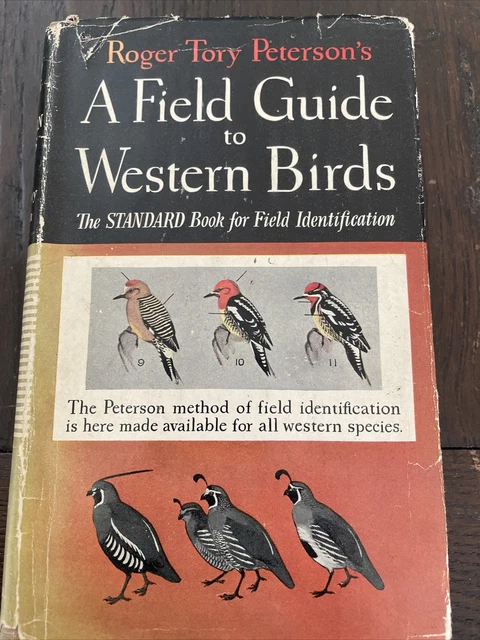
From a collector’s perspective, “A Field Guide to Western Birds” by Roger Tory Peterson, published in 1941, is more than just a book; it’s a piece of ornithological history. Owning a first edition is akin to holding a tangible piece of the past, with its pages whispering stories of birdwatchers from a bygone era. Let’s delve into what makes these editions valuable, how to preserve them, and the vibrant communities surrounding them.
Value And Rarity Of First Editions
First editions of Peterson’s 1941 guide are highly sought after by collectors. Their value lies in both their historical significance and limited availability. The book marked a pivotal moment in birdwatching literature, making it a prized item for enthusiasts.
Many collectors are willing to pay a premium for copies in excellent condition. Consider searching for copies with intact dust jackets and minimal wear. Such conditions significantly increase the rarity and value of the book.
Preserving Vintage Copies
Proper care is essential to maintain the condition and value of vintage books. Store them in a cool, dry place away from direct sunlight to prevent damage. Acid-free covers and archival boxes can provide additional protection against deterioration.
Handle the book with clean, dry hands to avoid transferring oils and dirt. If you need to clean it, use a soft, dry cloth to gently remove dust. These simple steps can help preserve your book for generations.
Community And Enthusiast Groups
Connecting with fellow collectors can enhance your appreciation and understanding of Peterson’s work. Enthusiast groups, both online and offline, offer a wealth of knowledge and resources. They can help you find rare editions, exchange tips on preservation, and share stories that enrich your collecting experience.
Joining these communities can also lead to lifelong friendships based on shared passion. Have you considered attending birdwatching events or book fairs? Such gatherings are perfect opportunities to meet like-minded individuals and learn more about your prized collection.
Credit: picclick.ca
Frequently Asked Questions
What Is “a Field Guide To Western Birds Peterson 1941”?
“A Field Guide to Western Birds Peterson 1941” is a classic bird identification guide. It covers western North American bird species. The guide includes detailed illustrations and descriptions. It is useful for bird watchers and nature enthusiasts.
Who Authored “a Field Guide To Western Birds Peterson 1941”?
The guide was authored by Roger Tory Peterson. He was a renowned American naturalist and ornithologist. His work revolutionized bird watching with clear, visual identification methods. The 1941 edition remains a foundational text in birding literature.
How Does This Guide Help Bird Watchers?
The guide offers clear illustrations and concise descriptions. It helps identify birds by appearance and behavior. It focuses on species found west of the Mississippi River. This makes it practical for regional bird watching trips.
Is The 1941 Edition Still Relevant Today?
Yes, the 1941 edition is historically significant. It laid the groundwork for modern field guides. However, newer editions include updated species information and improved visuals. Collectors and enthusiasts value the original for its pioneering approach.
Conclusion
A Field Guide to Western Birds Peterson 1941 remains a trusted resource today. It helps bird watchers identify many species with ease. Clear illustrations and simple descriptions make learning fun. This guide connects readers with nature’s beauty in the West.
Whether a beginner or experienced, it offers valuable insights. Carry it on your next birdwatching trip for quick reference. Enjoy exploring the diverse bird life around you. A timeless companion for anyone who loves birds and nature.




