
Have you ever wondered if flax seeds are safe for your feathered friends? If you’re looking to add variety and nutrition to your bird’s diet, flax seeds might seem like a great option.
But before you toss some into their feeder, it’s important to know the facts. Can birds really eat flax seeds, and will it benefit their health? Keep reading to discover everything you need to know to keep your birds happy and healthy.
Flax Seeds And Birds
Flax seeds have gained popularity as a health booster for humans, but what about your feathered friends? Birds can benefit from flax seeds too, but it’s important to understand their role in a bird’s diet. Let’s take a closer look at flax seeds and how they fit into the world of birds.
Nutritional Profile Of Flax Seeds
Flax seeds are packed with nutrients that can support a bird’s health. They contain:
- Omega-3 fatty acids:These help keep bird feathers shiny and promote a healthy immune system.
- Fiber:Aids in digestion and keeps the gut functioning smoothly.
- Protein:Essential for growth and repair of tissues.
- Vitamins and minerals:Such as vitamin B1, magnesium, and phosphorus, which contribute to overall well-being.
Adding flax seeds to your bird’s diet can introduce these beneficial elements. However, moderation is key because too many seeds might cause digestive issues.
Common Birds That Eat Flax Seeds
Many bird species enjoy flax seeds as part of their diet. Some common ones include:
- Parrots and parakeets:These colorful birds love crunchy seeds and benefit from flax seeds’ nutrients.
- Finches:Small seed eaters that can digest flax seeds well.
- Canaries:Often fed flax seeds in captivity for added nutrition.
- Doves and pigeons:Enjoy a variety of seeds including flax seeds.
If you feed wild birds, you might notice them picking up flax seeds if they’re offered. Have you ever observed which seeds your backyard birds prefer? Offering flax seeds could be a way to attract different species and diversify their diet.

Credit: www.amazon.com
Health Benefits For Birds
Flax seeds offer a variety of health benefits for birds that can enhance their overall well-being. Adding these tiny seeds to your bird’s diet can provide essential nutrients that support their daily functions. Understanding these benefits helps you make informed choices about what to feed your feathered friends.
Omega-3 Fatty Acids Impact
Flax seeds are rich in omega-3 fatty acids, which are vital for your bird’s health. These healthy fats help reduce inflammation and support brain function. Birds with a diet including flax seeds often show better energy levels and improved mood.
Improved Feather Quality
Have you noticed dull or brittle feathers on your bird? Flax seeds can help improve feather quality by providing essential nutrients that promote healthy skin and feathers. Birds eating flax seeds tend to have shinier, stronger feathers that are less prone to damage.
Digestive Health Support
Flax seeds contain fiber that aids in digestion and helps maintain a healthy gut. This can be especially helpful if your bird struggles with irregular bowel movements. Adding flax seeds to their diet encourages smoother digestion and supports overall gut health.
Potential Risks Of Feeding Flax Seeds
Feeding flax seeds to birds can offer health benefits, but risks exist. Understanding these risks helps keep birds safe and healthy. Birds react differently to flax seeds depending on species and quantity consumed. Careful feeding is essential to avoid health problems.
Overconsumption Concerns
Too many flax seeds can cause digestive problems in birds. Birds may suffer from diarrhea or stomach upset. High amounts of flax seeds might lead to nutrient imbalances. Always feed flax seeds in small, controlled portions.
Possible Allergic Reactions
Some birds might be allergic to flax seeds. Allergies can cause itching, swelling, or breathing difficulty. Watch birds closely after introducing flax seeds. Stop feeding immediately if any allergic signs appear.
Toxicity In Certain Bird Species
Not all bird species tolerate flax seeds well. Certain birds may find flax seeds toxic. Toxicity symptoms include weakness, vomiting, or loss of appetite. Research your bird species before feeding flax seeds to avoid harm.

Credit: www.amazon.in
Safe Ways To Feed Flax Seeds
Feeding flax seeds to your birds can be a great way to boost their nutrition, but it’s important to do it safely. Too much or improperly prepared flax seeds might cause digestive issues or reduce nutrient absorption. Understanding how to offer flax seeds correctly ensures your feathered friends enjoy the benefits without any risks.
Recommended Portions
Start with a small amount of flax seeds to see how your bird reacts. A teaspoon per day is usually enough for small birds like finches or canaries. Larger birds, such as parrots, can have up to a tablespoon, but avoid exceeding this to prevent digestive upset.
Watch your bird’s behavior and droppings after introducing flax seeds. If you notice any changes, reduce the portion or pause feeding until they adjust. Remember, moderation is key to keeping your bird healthy.
Preparation Tips
Flax seeds have a hard outer shell that can be tough for birds to digest whole. Grinding the seeds before feeding helps release nutrients and makes them easier to eat. You can use a small coffee grinder or mortar and pestle for this.
Freshly ground flax seeds are best, as they can spoil quickly once exposed to air. Store any extra in an airtight container in the fridge to maintain freshness. You could also soak flax seeds overnight to soften them, making them even gentler on your bird’s digestive system.
Combining With Other Seeds
Flax seeds work well when mixed with your bird’s regular seed mix. Combining seeds adds variety and balances nutrients, preventing your bird from eating too much of one type. Try mixing flax seeds with sunflower seeds, millet, or safflower seeds.
Providing a diverse seed blend encourages natural foraging behavior, which keeps your bird mentally stimulated. Have you noticed your bird’s preference for certain seeds? Use that insight to tailor the mix for both enjoyment and nutrition.
Signs Of Flax Seed Intolerance
Flax seeds offer many benefits for birds, but some may show intolerance. Identifying these signs early ensures their health and well-being. Recognizing these signs helps in adjusting their diet effectively.
Behavioral Changes
Birds might show certain behavioral changes if they cannot digest flax seeds. They may become restless or show decreased activity levels. Changes in vocalization, such as excessive chirping or silence, can occur. Loss of interest in usual activities or toys might indicate discomfort. Pay attention to these subtle changes in their daily routines.
Physical Symptoms To Watch
Physical symptoms can provide clues about flax seed intolerance. Digestive issues like diarrhea or vomiting may arise. Birds might also experience changes in their feather quality. Look for dull or ruffled feathers that indicate nutritional distress. Weight loss or lack of appetite are serious signs. Swelling around the beak or eyes suggests allergic reactions. Monitoring these symptoms helps in making dietary adjustments timely.
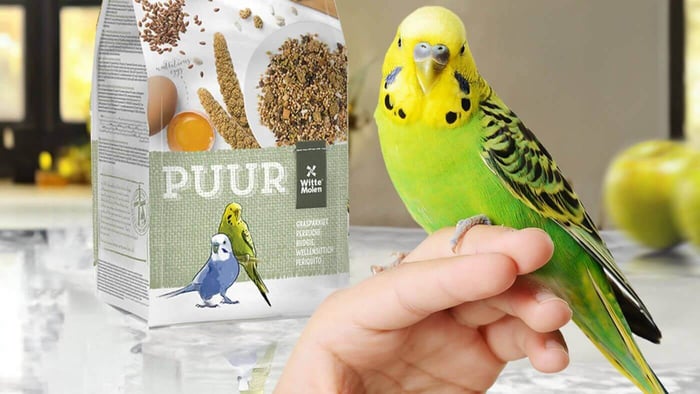
Credit: parrotessentials.co.uk
Alternatives To Flax Seeds
If you’re wondering about alternatives to flax seeds for your birds, there are plenty of nutritious options to consider. Birds benefit from a varied diet, so mixing different seeds and supplements can help keep them healthy and happy. Let’s look at some options that provide essential nutrients without relying solely on flax seeds.
Other Beneficial Seeds
Seeds like chia, sunflower, and hemp are excellent alternatives. Chia seeds offer omega-3 fatty acids similar to flax seeds, which support feather health and reduce inflammation.
Sunflower seeds are rich in vitamin E and healthy fats, perfect for energy and immune support. Hemp seeds provide a great balance of protein and essential fatty acids, helping with muscle development and overall vitality.
Have you tried mixing these seeds into your bird’s daily diet? It’s a simple way to boost nutrition and keep their meals interesting.
Supplement Options
Besides seeds, you can add supplements like powdered spirulina or finely ground eggshells. Spirulina is packed with vitamins and antioxidants, which can improve your bird’s immune system.
Ground eggshells add calcium, crucial for strong bones and eggshell production in breeding birds. You might also consider liquid vitamin drops formulated for birds, which are easy to add to water or food.
Think about your bird’s specific needs—are they growing, breeding, or just maintaining health? Choosing the right supplement can make a noticeable difference in their vitality.
Frequently Asked Questions
Can Birds Safely Eat Flax Seeds?
Yes, birds can safely eat flax seeds in moderation. Flax seeds provide essential omega-3 fatty acids that support their health. Always offer them as part of a balanced diet to prevent any digestive issues.
What Are The Benefits Of Flax Seeds For Birds?
Flax seeds boost birds’ immune systems and improve feather quality. They contain antioxidants and healthy fats that promote overall well-being. Including flax seeds helps maintain heart and brain health in birds.
How Should Flax Seeds Be Given To Birds?
Flax seeds can be given raw or ground to improve digestion. Mix them with regular birdseed or sprinkle on fresh foods. Avoid giving large amounts to prevent digestive discomfort or nutritional imbalance.
Are There Any Risks Feeding Birds Flax Seeds?
Feeding flax seeds in excessive amounts may cause digestive problems for birds. Always introduce flax seeds gradually and monitor their reaction. Avoid salted or flavored flax seeds, as additives can harm birds.
Conclusion
Birds can safely eat flax seeds in small amounts. These seeds offer good nutrients and healthy fats. Too many seeds may cause stomach issues for birds. Always introduce new foods slowly and watch for changes. Mixing flax seeds with other bird foods works best.
Birds enjoy variety in their diet. Feeding flax seeds can support your bird’s health. Keep their meals balanced and fresh. Simple care helps birds stay happy and strong.




