
Are you curious about what birds really eat in your garden? If you’ve planted Black Eyed Susans, you might wonder whether these bright flowers also serve as a snack for your feathered visitors.
Understanding if birds eat Black Eyed Susan seeds can help you create a bird-friendly space while protecting your plants. Keep reading to discover the surprising truth about these seeds and how they fit into your backyard ecosystem. Your garden—and your birds—will thank you.
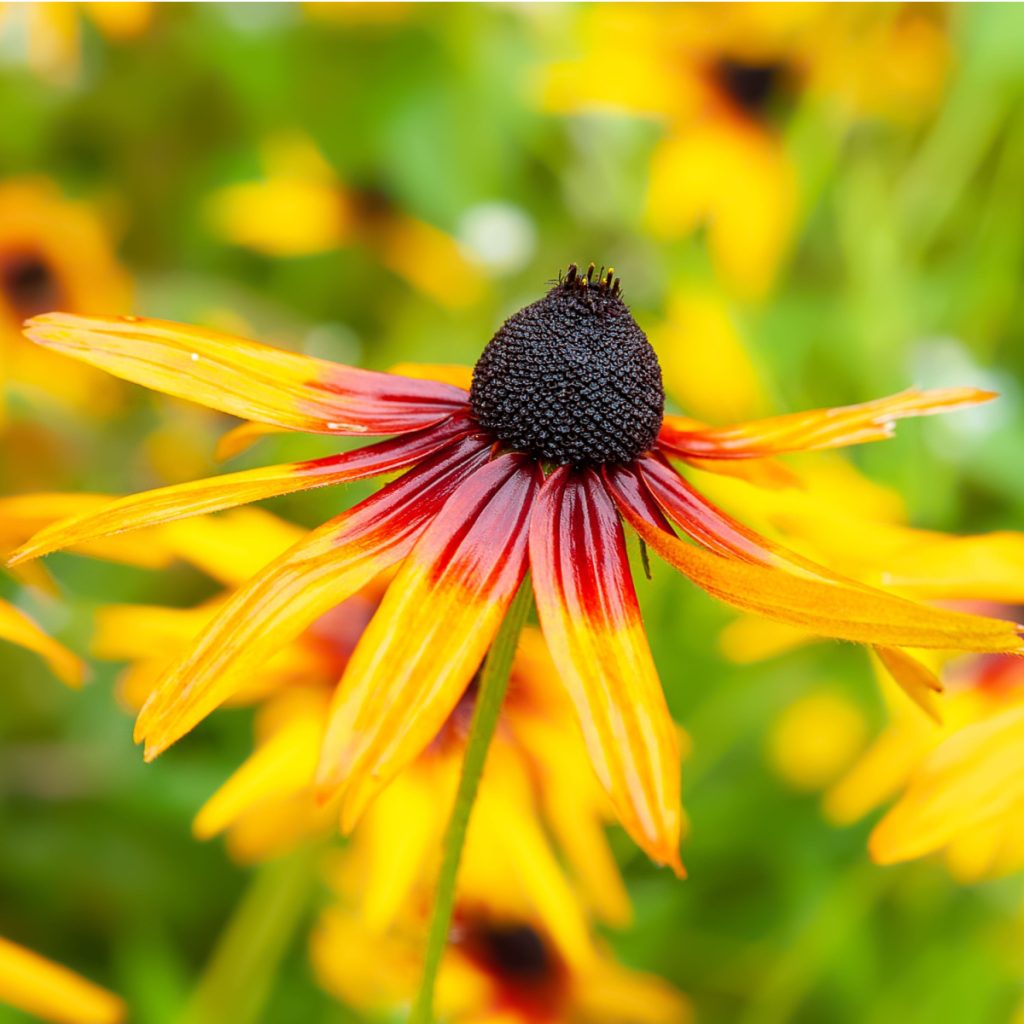
Credit: simplegardenlife.com
Black Eyed Susan Seeds And Birds
Birds play a vital role in spreading the seeds of many plants, including Black Eyed Susans. These bright yellow flowers produce seeds that attract various bird species. Understanding how birds interact with Black Eyed Susan seeds helps gardeners and nature lovers support local wildlife effectively.
Seed Characteristics
Black Eyed Susan seeds are small and lightweight. They have a slightly rough texture, making them easy for birds to pick up. The seeds are usually dark brown or black, blending well with soil and plant debris. Their size fits comfortably in the beaks of many small to medium birds.
The seeds come from the flower’s central cone, which dries out in late summer. Birds can find these seeds even in colder months when food is scarce. This availability makes Black Eyed Susan seeds a reliable food source.
Nutritional Value For Birds
Black Eyed Susan seeds offer good nutrition for birds. They contain healthy fats and proteins, which help birds maintain energy, especially during migration and cold weather. The seeds also provide essential vitamins and minerals needed for bird health.
Many seed-eating birds, like finches and sparrows, enjoy these seeds. They help birds stay active and strong. The seeds’ nutritional content supports growth and feather development. This makes Black Eyed Susan seeds a beneficial choice for wild birds.

Credit: embracingwisdomandwellness.com
Bird Species That Eat These Seeds
Birds play a vital role in spreading Black Eyed Susan seeds, but not all species are interested in these bright yellow flowers. Understanding which birds actually eat these seeds can help you attract the right feathered friends to your garden. Let’s look at the main bird species that enjoy Black Eyed Susan seeds and what draws them in.
Common Seed-eating Birds
Several bird species are known to feed on Black Eyed Susan seeds. Among the most frequent visitors are:
- Goldfinches:These small, colorful birds love the tiny seeds and often perch on the flower heads to eat.
- Chickadees:Chickadees have strong beaks perfect for cracking open seeds, including those from Black Eyed Susans.
- House Finches:These adaptable birds commonly visit gardens and feed on a variety of seeds.
- Cardinals:Known for their striking red color, cardinals also enjoy the seeds and visit regularly during the fall.
Seeing these birds up close while they snack on your Black Eyed Susan plants adds life and movement to your outdoor space. Have you noticed any of these birds in your yard yet?
Attraction Factors For Birds
Why do some birds prefer Black Eyed Susan seeds over others? Several factors influence their attraction:
- Seed Size:Smaller seeds like those of Black Eyed Susans are easier for tiny birds to handle.
- Seed Availability:Birds are more likely to feed on these seeds when other food sources are scarce, especially in late summer and fall.
- Plant Location:Plants in open, sunny spots make it easier for birds to spot and access seeds.
- Seed Nutritional Value:These seeds offer a good energy boost, which is essential during migration periods.
Have you considered where you plant your Black Eyed Susans? Positioning them thoughtfully can increase visits from your favorite seed-eating birds.
Seasonal Feeding Patterns
Birds adjust their eating habits with the changing seasons. Understanding their seasonal feeding patterns helps us know how they interact with Black Eyed Susan seeds. These patterns depend on seed availability and the birds’ natural behaviors throughout the year.
Seed Availability Throughout The Year
Black Eyed Susan seeds are most abundant in late summer and early fall. After the flowers bloom, the seed heads dry and become a food source. During winter, many seeds remain on the plant, offering birds a steady supply. Early spring sees fewer seeds as plants prepare to grow again.
Seed availability influences which birds visit and how often. In times of plenty, birds have many choices. When seeds are scarce, birds may search longer or switch to other foods.
Bird Behavior Changes By Season
Birds change their feeding habits with the seasons. In summer, many birds eat insects and fruits, using seeds less often. As fall arrives, birds focus more on seeds like those from Black Eyed Susans. They store energy for colder months.
During winter, birds rely heavily on seeds for survival. They visit seed-rich plants more frequently. In spring, birds shift back to insects and fresh plants to feed their young.
Garden Tips To Attract Birds
Attracting birds to your garden creates a lively and natural space. Birds bring color, sound, and help with pest control. Simple garden tips can invite more birds to visit and stay. Providing food, shelter, and water encourages them to return often.
Black Eyed Susans are excellent plants for bird-friendly gardens. Their seeds serve as a food source for many bird species. Planting these flowers can help create a welcoming space for birds.
Planting Black Eyed Susans
Choose a sunny spot with well-drained soil. Black Eyed Susans thrive in full sun. Sow seeds in spring or early summer. Space plants about 12 inches apart for healthy growth.
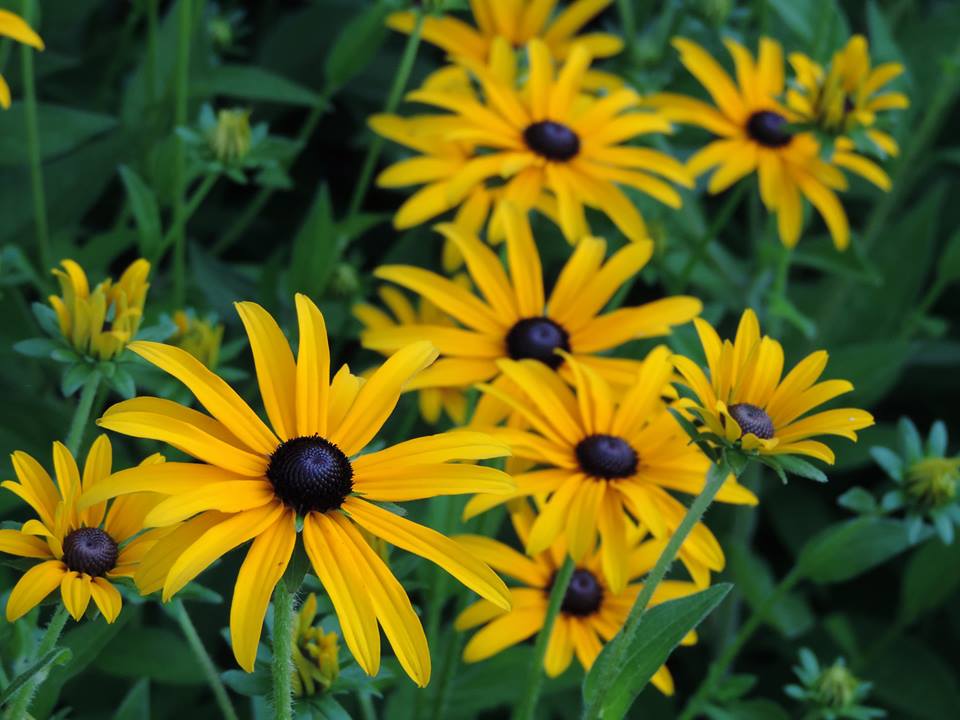
The flowers bloom bright yellow with dark centers. Birds, especially finches, enjoy eating the seeds. Let the seed heads dry on the plant. This provides natural bird feed through fall and winter.
Creating Bird-friendly Spaces
Combine Black Eyed Susans with other native plants. Offer a variety of seeds, berries, and nectar. Install bird feeders with sunflower seeds and suet. Provide fresh water in shallow dishes or birdbaths.
- Include shrubs and small trees for shelter
- Keep areas free of pesticides and chemicals
- Place feeders in safe, quiet locations
- Leave leaf litter for insects and ground-feeding birds
Birds feel safe with places to hide from predators. Diverse plantings create habitats for many bird species. Careful planning makes your garden a bird paradise.
Other Wildlife Benefits
Black Eyed Susans offer more than just beauty in your garden. Their presence supports various wildlife beyond birds, creating a small but vital ecosystem. Understanding these benefits can help you appreciate why these flowers deserve a spot in your green space.
Pollinators And Black Eyed Susans
These bright flowers attract many pollinators like bees, butterflies, and even some beetles. Pollinators feed on the nectar, which helps them thrive and continue their essential role in nature.
Have you noticed bees buzzing around your Black Eyed Susans? That’s a good sign your garden supports healthy pollinator activity. This interaction not only helps the flowers reproduce but also boosts the pollinators’ population.
Impact On Local Ecosystem
Black Eyed Susans contribute to the local ecosystem by providing food and habitat for various insects and small animals. Their seeds, although often eaten by birds, also drop to the ground, encouraging new plants to grow and maintain soil health.
Think about the small creatures you may overlook in your garden. By planting Black Eyed Susans, you create a mini-habitat that supports them. This helps balance your local environment and promotes biodiversity right outside your door.
Credit: naturecanada.ca
Frequently Asked Questions
Do Birds Eat Black Eyed Susan Seeds?
Yes, many birds enjoy eating Black Eyed Susan seeds. These seeds are nutritious and attract birds like finches and sparrows. They help birds get essential fats and proteins, especially in fall and winter.
Which Birds Prefer Black Eyed Susan Seeds?
Finches, sparrows, and cardinals commonly eat Black Eyed Susan seeds. These birds find the seeds easy to crack and digest. The flowers also attract pollinators, making the plant beneficial for wildlife.
Are Black Eyed Susan Seeds Good For Bird Feeders?
Yes, Black Eyed Susan seeds are great for bird feeders. They attract a variety of seed-eating birds. Adding these seeds can increase bird visits to your garden or backyard.
When Do Birds Eat Black Eyed Susan Seeds?
Birds mostly eat these seeds in late summer to early winter. This is when the seed heads mature and dry. Providing seeds during this time helps birds prepare for colder months.
Conclusion
Birds do enjoy eating Black Eyed Susan seeds. These seeds provide good food for many bird species. Planting Black Eyed Susans can help attract birds to your garden. Watching birds feed adds joy to any outdoor space. Seeds fall naturally, making it easy for birds to find them.
Growing these flowers supports local wildlife and nature. Try adding Black Eyed Susans to see birds visit often. A simple step for a lively, bird-friendly garden.




