
Are you tired of birds constantly perching on your Arlo camera and messing up your security footage? You’re not alone.
Birds can cause blurry videos, block important views, and even damage your camera over time. But don’t worry—there are simple, effective ways to keep those pesky birds away without harming them or your device. You’ll discover easy tricks and practical tips to protect your Arlo camera and get clear, uninterrupted footage every time.
Keep reading to find out how you can solve this frustrating problem once and for all.
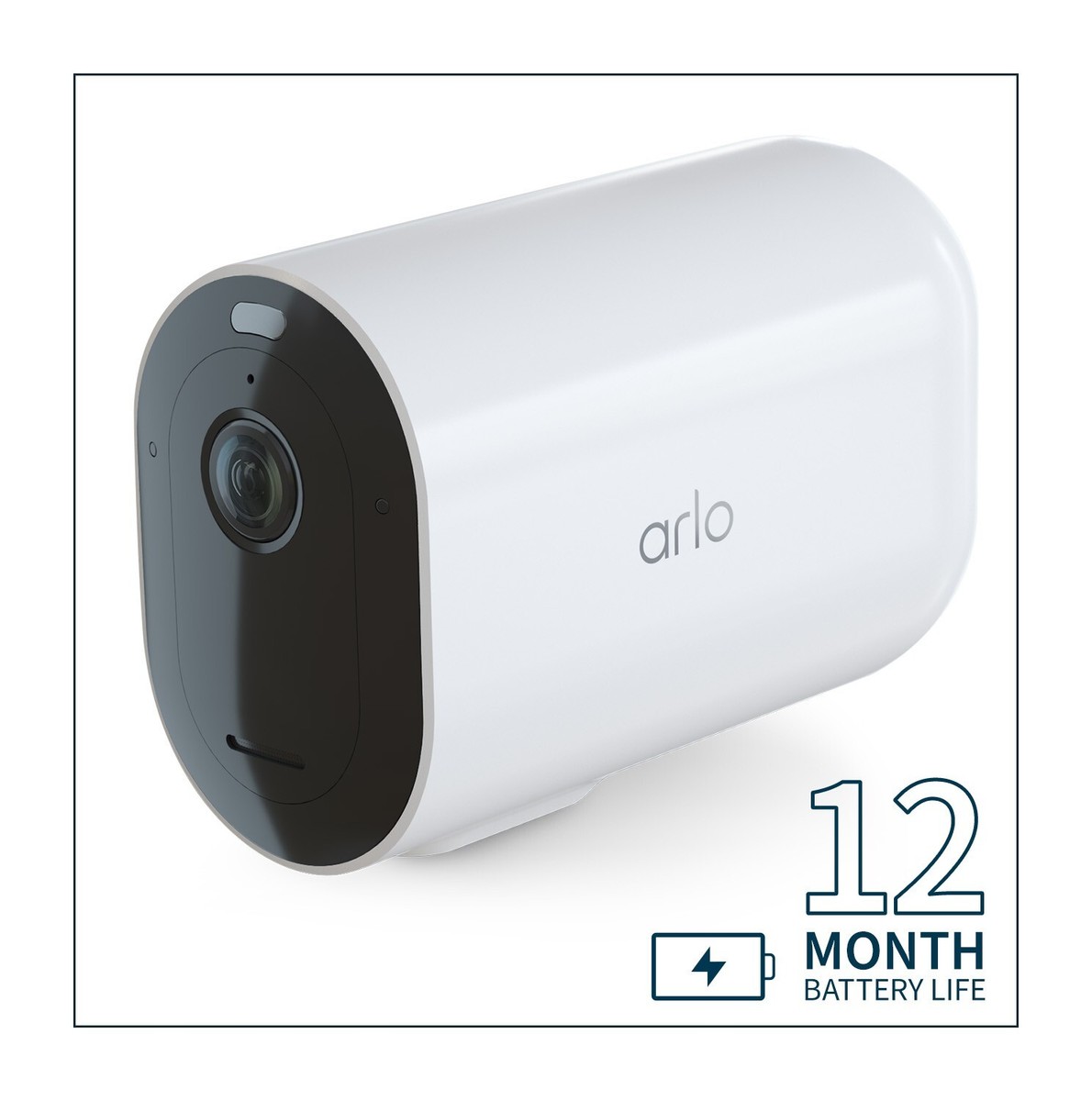
Credit: www.ebay.com
Why Birds Target Arlo Cameras
Have you ever wondered why birds seem to have a special interest in your Arlo camera? It’s not just coincidence. Birds are naturally curious creatures, and certain features of your camera might be catching their attention more than you realize.
Understanding why birds target your Arlo camera can help you find better ways to keep them away. Let’s break down the main reasons behind this behavior.
Attraction Factors
One key reason birds target Arlo cameras is the reflective lens. The glass can shine or reflect sunlight, which birds might mistake for water or another bird’s eyes. This reflection can attract them, especially in bright daylight.
Another factor is the camera’s placement. If your Arlo camera is mounted near trees, shrubs, or bird feeders, birds naturally frequent that area. They might see the camera as a potential perch or a hiding spot.
Also, some birds are attracted to the small movements of the camera’s lens when it adjusts. This slight motion might look like a living creature, sparking their curiosity.
Common Bird Species Involved
Not all birds are equally interested in your Arlo camera. Certain species are more likely to investigate or perch on it.
- Starlings:These birds are known for their curiosity and often gather in groups near human structures. They might peck or land on cameras looking for food or a spot to rest.
- Sparrows:Small and bold, sparrows are common in many neighborhoods and are quick to explore new objects, including cameras.
- Woodpeckers:They may peck at your camera if they confuse it for a tree trunk or see their reflection in the lens.
Have you noticed specific birds around your camera? Identifying them can help tailor your approach to keep them at a distance.
Physical Barriers To Keep Birds Away
Physical barriers provide a simple and effective way to keep birds off your Arlo camera. Birds often perch on cameras to rest or build nests, which can block the view and cause damage. Using physical barriers can stop birds from landing without harming them.
Using Bird Spikes
Bird spikes are strips with sharp points that stop birds from landing. These spikes do not hurt birds but make it uncomfortable to perch. Install bird spikes around the top and sides of your Arlo camera. Choose spikes that fit the size of the camera and the area around it.
Bird spikes are easy to install with adhesive or screws. They blend well with most cameras and do not block the lens. Check the spikes regularly to ensure they stay in place and clean off any debris.
Installing Protective Covers
Protective covers shield your Arlo camera from birds and weather. Covers come in various materials like plastic or metal. Pick one that fits snugly around the camera without blocking the lens or sensors.
Covers prevent birds from landing directly on the camera body. They also protect against bird droppings and nesting materials. Secure the cover firmly to avoid it falling off in wind or rain.
Visual Deterrents That Work
Keeping birds away from your Arlo camera is crucial to maintain clear footage and prevent damage. Visual deterrents catch birds’ attention and make them avoid your device without causing harm. These simple tools can save you frustration and protect your investment effectively.
Reflective Objects
Birds dislike sudden flashes of light and reflections. Hanging shiny objects near your Arlo camera can create moving reflections that scare birds off. Items like old CDs, aluminum foil strips, or reflective tape work well.
Position these objects so they catch sunlight and create unpredictable flashes. The movement and shine confuse birds and discourage them from settling around your camera. Have you noticed how birds avoid shiny surfaces in your garden? You can use that to your advantage.
Decoy Predators
Birds instinctively avoid places where predators lurk. Placing realistic decoys such as plastic owls or hawks near your Arlo camera can keep them at bay. The key is to move the decoys occasionally, so birds don’t get used to them.
Try combining decoys with reflective objects for better results. Some users report success by adding small wind-activated movements to their decoys. Do you think a fake owl could outsmart the local sparrows?
Sound-based Bird Repellents
Sound-based bird repellents offer a humane way to keep birds away from your Arlo camera. These repellents use noises that birds find disturbing or threatening. By creating an uncomfortable sound environment, birds avoid the area without harm.
Sound repellents are easy to install and can cover a wide area. They do not leave visible marks or cause damage to your camera. These devices work best when combined with other deterrents for stronger effect.
Ultrasonic Devices
Ultrasonic devices emit high-frequency sounds beyond human hearing. Birds hear these sounds as annoying or painful. This makes them avoid the area near your camera.
These devices are safe for people and pets. They do not use chemicals or traps. Ultrasonic repellents need to be placed close to your camera for best results. Sound waves do not travel through walls or thick objects.
Recorded Predator Calls
Recorded predator calls mimic the sounds of bird enemies. Birds hear hawks, owls, or other predators and get scared. This sound triggers their natural fear and makes them fly away.
Play these calls at random times to prevent birds from getting used to them. Use speakers near the camera to keep birds at a distance. This method works well in open spaces and gardens.
Maintenance Tips To Discourage Birds
Keeping birds away from your Arlo camera is not just about setting up deterrents; regular maintenance plays a crucial role. Birds often target cameras as cozy spots to perch or build nests. By staying on top of upkeep, you can make your camera less appealing to them and ensure it captures clear footage without interruptions.
Regular Cleaning
Bird droppings and feathers can quickly accumulate on your camera, attracting more birds and even damaging the lens. Clean your Arlo camera gently with a soft cloth and mild soap solution to remove any debris. Avoid harsh chemicals that might harm the camera’s surface or affect its performance.
Make cleaning a weekly habit, especially during nesting seasons. You’ll notice not only a clearer view but fewer visits from curious birds. Have you ever checked how much your camera’s view improves right after a thorough wipe?
Removing Nesting Materials
If you spot twigs, leaves, or feathers near your camera, remove them promptly. Birds often bring nesting materials to familiar spots, and letting these accumulate encourages them to settle down. Use gloves and a small tool like tweezers or a soft brush to clear away any buildup carefully.
Keep an eye on any gaps or crevices around your camera where birds might start constructing nests. Sealing those spaces can prevent future attempts. How often do you inspect your camera for these hidden bird hideouts?
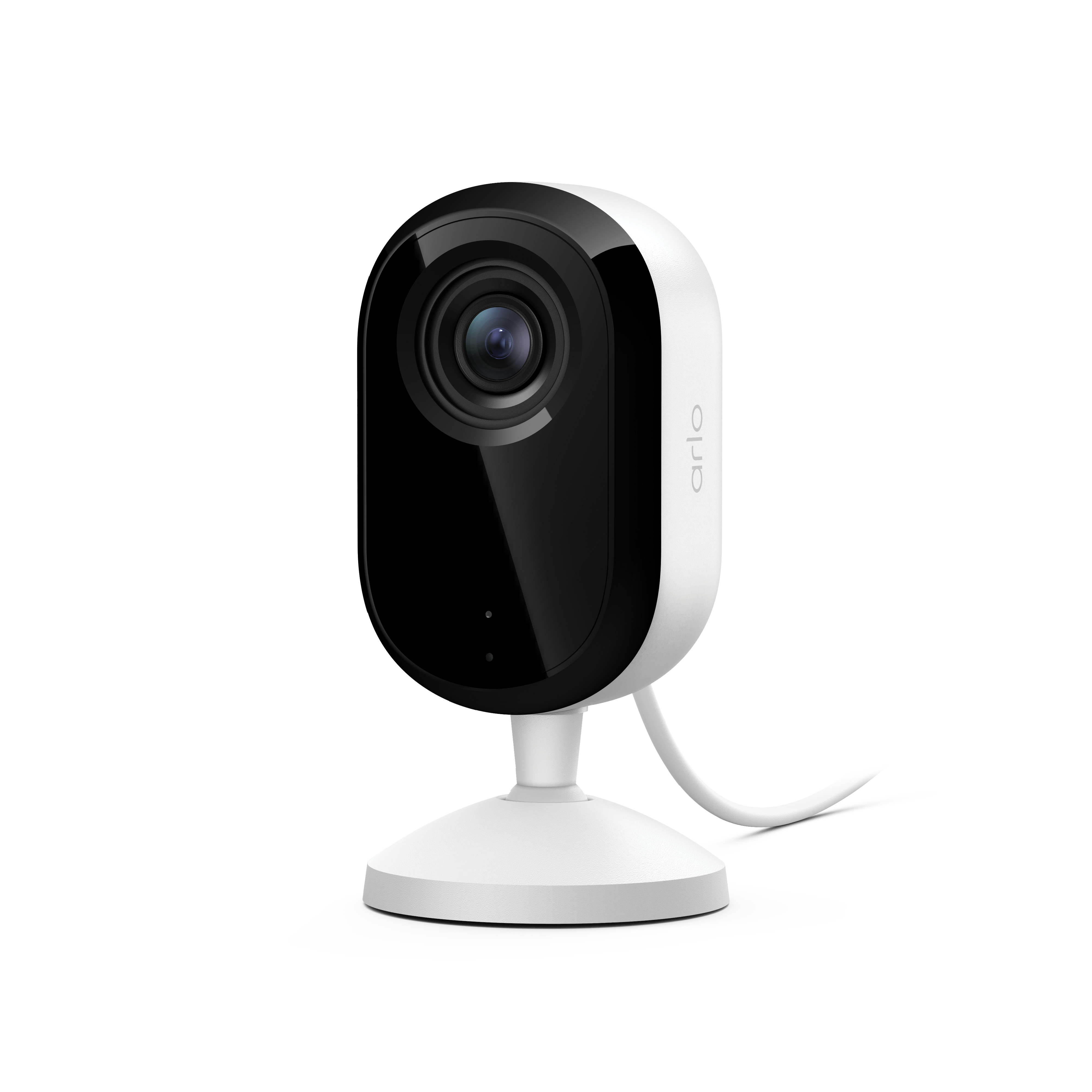
Credit: kb.arlo.com
Choosing The Best Location For Installation
Selecting the right spot for your Arlo camera is crucial. Position it high and away from trees or ledges. This helps deter birds, ensuring a clear view and uninterrupted footage.
Choosing the right location for your Arlo camera is crucial. Proper placement can help keep birds away and ensure clear footage. Let’s explore some effective strategies for camera installation.Avoiding Bird Habitats
Position your camera away from trees and shrubs. Birds often nest in these areas. Look for locations with fewer branches. This reduces the chance of birds perching near your camera. Avoid spots near bird feeders. These attract birds in large numbers. The less attractive the area, the fewer birds you’ll encounter.Optimal Mounting Positions
Mount the camera on walls or high poles. This height deters birds from landing. Ensure the camera is angled downwards. This makes it less appealing for birds to perch on. Use smooth surfaces for mounting. Birds find it harder to grip. These positions not only discourage birds but also provide a clear field of view.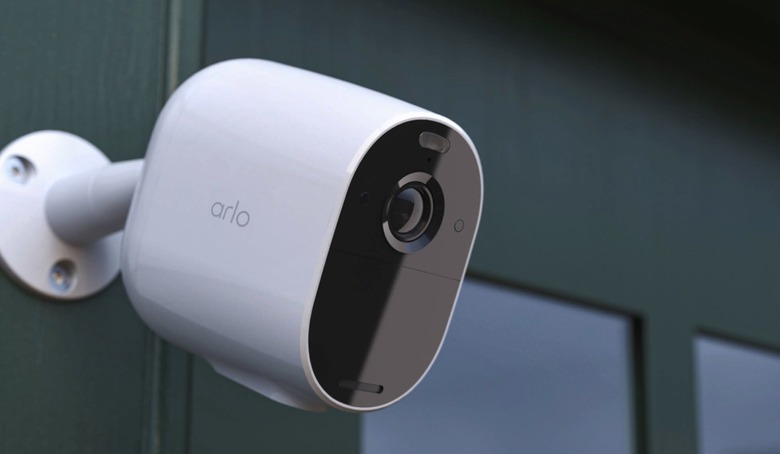
Credit: www.bgr.com
Frequently Asked Questions
Why Do Birds Target My Arlo Camera?
Birds see the camera as a perch or nesting spot. Reflections on the lens may attract them. They may also be curious about the device.
How Can I Prevent Birds From Perching On My Arlo Camera?
Install bird deterrents like spikes or reflective tape near the camera. Regularly clean the area to remove nesting materials. Position the camera away from bird-attracting elements.
Will Bird Spikes Damage My Arlo Camera?
No, bird spikes are designed to be safe for electronics. They prevent perching without harming the device. Choose spikes compatible with your camera model for best results.
Can Noise Deterrents Keep Birds Away From My Arlo Camera?
Yes, ultrasonic noise deterrents can discourage birds. They emit sounds birds dislike but are inaudible to humans. Use them carefully to avoid disturbing pets.
Conclusion
Keeping birds away from your Arlo camera helps protect its view and function. Use simple barriers or reflective items to deter birds. Regular checks prevent nests or droppings from building up. Small changes around your camera make a big difference.
Stay patient as birds may take time to avoid the area. Protect your camera to enjoy clear and safe surveillance. Your efforts will keep the camera working well for a long time.




