
Are you ready to welcome more feathered friends to your backyard? One of the most important things you need to get right is the size of the bird house hole.
It might seem like a small detail, but the hole size can make all the difference in attracting the right birds and keeping them safe. If the hole is too big, unwanted visitors might move in. Too small, and your favorite birds won’t even try to enter.
Keep reading, and you’ll discover exactly how big that hole should be to create the perfect home for your winged guests.
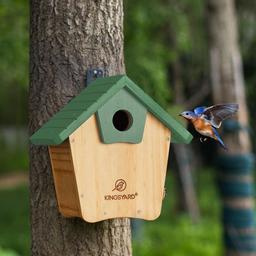
Credit: www.kingsyard.com
Choosing The Right Hole Size
Choosing the right hole size for a birdhouse is more important than many people realize. A hole that’s too large or too small can discourage birds from nesting or even expose them to predators. Getting the size just right helps you attract the birds you want and gives them a safe space to raise their young.
Factors Influencing Hole Diameter
Different bird species have different size needs, so the hole diameter depends largely on the type of bird you want to attract. Smaller birds need smaller holes to keep out larger, more aggressive neighbors.
Location plays a role too. If your birdhouse is in an area with many predators, a smaller hole can provide extra protection. Also, consider the bird’s behavior—some species prefer to squeeze into snug spaces, while others need more room to enter comfortably.
Have you noticed how some birds avoid birdhouses altogether? Sometimes it’s because the hole size doesn’t match their needs. Understanding these factors helps you design a birdhouse that’s just right.
Common Hole Sizes For Popular Birds
| Bird Species | Recommended Hole Diameter | Additional Notes |
|---|---|---|
| Chickadee | 1 1/8 inches (2.9 cm) | Small hole keeps out larger birds like squirrels |
| Bluebird | 1 1/2 inches (3.8 cm) | Allows easy entry but prevents European starlings |
| Nuthatch | 1 1/4 inches (3.2 cm) | Prefers slightly bigger hole than chickadees |
| House Wren | 1 inch (2.5 cm) | Small and tight for security |
| Tree Swallow | 1 1/2 inches (3.8 cm) | Needs room to maneuver but keeps competitors out |
Choosing the right hole size isn’t guesswork if you know your target bird. Think about what you want to see in your backyard—are you hoping for the cheerful chatter of chickadees or the graceful flight of bluebirds? Adjust your birdhouse hole accordingly and watch your feathered friends settle in.
Hole Sizes For Different Bird Species
Choosing the right hole size for your birdhouse is essential to attract the species you want. Each bird species prefers a specific hole diameter, which helps them feel safe and secure. Knowing these sizes can make your birdhouse a favorite spot in your backyard.
Small Birds
Small birds like chickadees, wrens, and nuthatches need smaller entry holes. A hole size between 1 to 1.25 inchesworks well for them. This size keeps bigger birds and predators out, giving these tiny birds a cozy, protected space.
Think about the Carolina wren, which prefers a 1-inch hole. If the hole is too large, they might avoid the house altogether. Have you ever noticed small birds ignoring a birdhouse? The hole size could be the reason.
Medium-sized Birds
Birds such as bluebirds, tree swallows, and house sparrows require a bit more room. A hole diameter of 1.5 to 1.75 inchesusually fits their needs. This size balances space and safety, helping attract these colorful visitors.
Bluebirds, for example, typically use a 1.5-inch hole. If you want to invite them, make sure the hole matches their preference exactly. Would you be surprised if a slight adjustment in hole size doubled your birdhouse visitors?
Large Birds
For larger species like woodpeckers, owls, or kestrels, you’ll need bigger holes. These can range from 2 to 4 inchesdepending on the bird. Bigger holes accommodate their size while still offering protection.
Owls often prefer a 3-inch hole, which allows easy access but keeps out unwanted guests. If you want to attract larger birds, don’t underestimate the importance of matching the hole size. Have you tried customizing a birdhouse for a larger species yet?
Impact Of Hole Size On Bird Safety
The size of the bird house hole directly affects the safety of the birds that choose to nest inside. A hole that’s too large can invite unwanted predators or larger, aggressive birds, while a hole that’s too small may prevent birds from entering or cause overcrowding. Understanding how hole size impacts bird safety helps you create a secure home that supports the well-being of your feathered visitors.
Preventing Predators
A hole size that matches the species you want to attract can keep predators out. For example, a smaller hole prevents raccoons, snakes, and larger birds from reaching in and harming eggs or chicks.
Choose a hole diameter slightly larger than the adult bird’s body but small enough to block predators. If you’ve ever seen a squirrel try to squeeze into a birdhouse, you know how important this is.
Have you noticed how some birdhouses have metal guards around the entrance? These are extra protections to stop claws or beaks from widening the hole over time.
Avoiding Crowding And Competition
Different bird species prefer different hole sizes, so matching the hole to your target bird reduces competition. A hole too big may attract unwanted species that outcompete smaller birds for the nest.
Crowding can stress birds and lower their chances of raising healthy chicks. For instance, bluebirds need about a 1.5-inch hole, while chickadees prefer around 1 1/8 inches.
By customizing hole size, you control which birds enter and keep the environment peaceful. This thoughtful choice reduces conflicts and makes your birdhouse a safe haven rather than a battleground.

Credit: www.amazon.com
Materials And Design Considerations
Choosing the right materials and design for your bird house hole is crucial to attracting the right birds and ensuring their safety. The hole size affects which species will use your birdhouse, but the material and overall design also play a big role in durability and comfort. Paying attention to these details can make your birdhouse a favorite spot for feathered visitors.
Durability And Weather Resistance
Wood is the most popular material for birdhouses because it offers natural insulation and breathability. Cedar and pine are great options since they resist rot and withstand changing weather. Avoid using treated wood or metal, which can harm birds or overheat the interior.
Adding a sloped roof helps rainwater run off quickly, preventing leaks and wood damage. You might want to seal the exterior with a non-toxic, water-based wood sealant to extend the lifespan without risking bird health.
Have you noticed how some birdhouses last years while others fall apart in one season? The difference often comes down to picking weather-resistant materials and adding simple design features like proper ventilation and drainage holes.
Placement And Height Factors
Where you place your birdhouse affects how safe and attractive it is for birds. Mount it at the right height for the species you want to invite—typically between 5 to 12 feet off the ground. Too low, and predators like cats might get inside; too high, and some birds won’t feel comfortable.
Consider the surroundings too. Place the birdhouse away from busy paths or noisy areas. A shaded spot under a tree or eave can protect birds from extreme heat and wind.
Have you ever wondered why some birdhouses stay empty even though you see birds nearby? Sometimes, it’s about choosing the right spot—not just the hole size or materials. Experiment with height and location to find the perfect balance for your local birds.
Adjusting Hole Size Over Time
Adjusting the hole size of your birdhouse over time can make a big difference in attracting the right bird species and keeping unwanted visitors away. As seasons change and bird populations shift, small tweaks to the entrance can help your birdhouse stay inviting and safe. This ongoing adjustment ensures you provide the best home possible for your feathered friends.
Seasonal Changes
Bird species vary with the seasons, so the size of the hole that works in spring might not be ideal in late summer or fall. Some birds prefer larger holes during breeding season, while others seek smaller, cozier spaces as temperatures drop. Adjusting the hole size to match these seasonal preferences can encourage repeat visits and successful nesting.
Think about how your local bird population changes throughout the year. Do you notice different birds nesting in your yard? Changing the hole size accordingly can help you welcome the right guests at the right time.
Monitoring Bird Activity
Keep a close eye on which birds are using your birdhouse and which aren’t. If you spot larger birds trying to squeeze in or smaller ones avoiding the house, it might be time to adjust the hole size. You can use simple tools like a camera or just watch from a distance to gather this information.
Document your observations to track changes over weeks or months. This ongoing monitoring helps you understand the preferences of your local birds better. Have you tried adjusting the hole size yourself? What did you notice afterward?
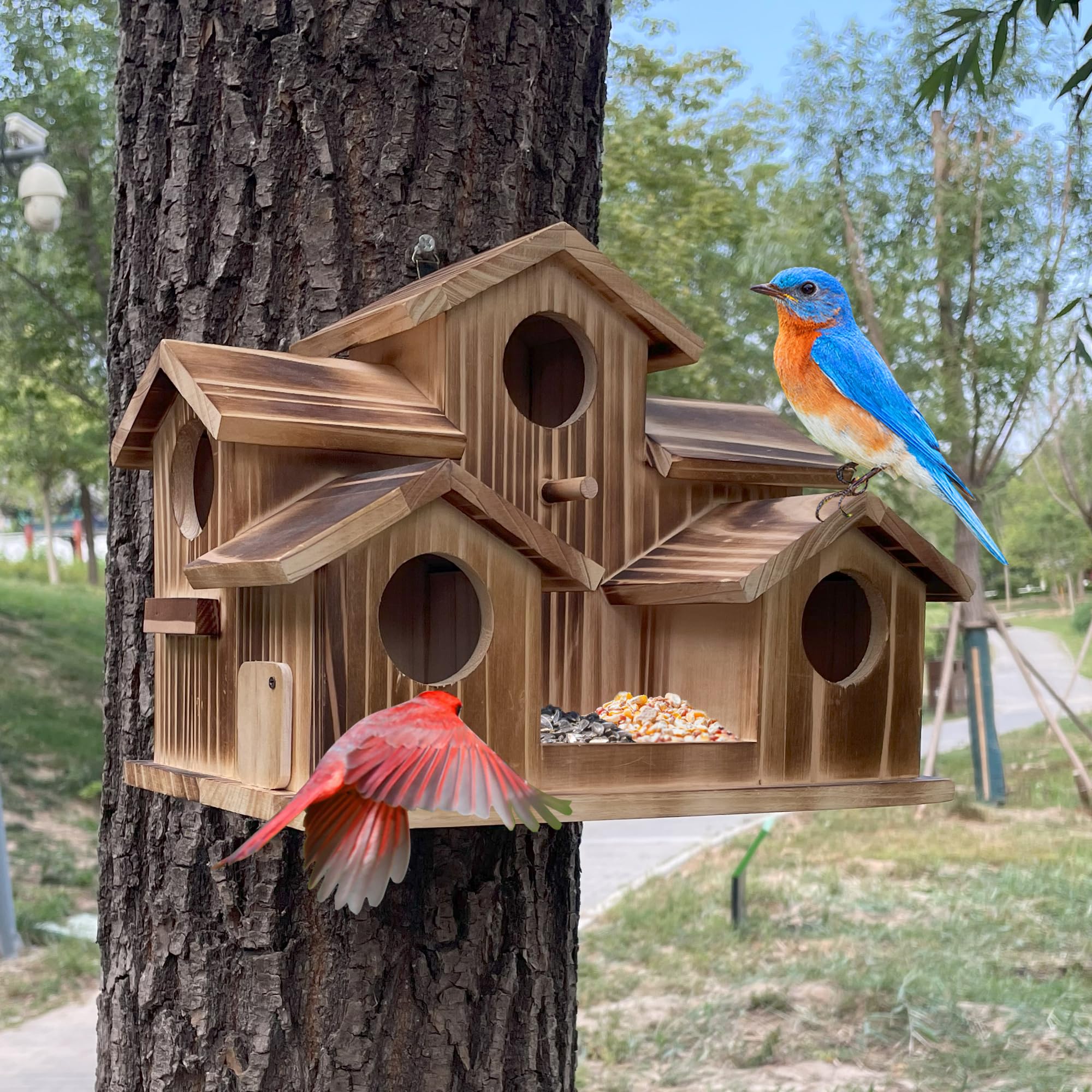
Credit: www.amazon.com
Frequently Asked Questions
What Is The Ideal Size For A Bird House Hole?
The ideal bird house hole size depends on the bird species. Most common sizes range from 1 to 2 inches in diameter. This allows the right birds to enter while keeping predators out. Always tailor the hole size to attract specific birds.
Why Does Hole Size Matter For Bird Houses?
Hole size controls which birds can nest inside. A smaller hole keeps larger predators and competitors away. Correct sizing ensures safety and comfort for the target bird species. It also helps maintain a healthy bird population in your garden.
Can A Hole Be Too Big For A Bird House?
Yes, a hole that is too big invites unwanted predators and larger birds. This can scare away smaller, desired birds. It also reduces protection from harsh weather. Stick to recommended sizes to keep your bird house safe and effective.
How To Measure The Bird House Hole Correctly?
Use a ruler or caliper to measure the hole diameter precisely. Measure across the widest part of the circular opening. Accurate measurement ensures you attract the right bird species. Avoid guesswork for better birdhouse success.
Conclusion
Choosing the right hole size helps birds feel safe and welcome. Small holes keep bigger birds out and protect nests. Different birds need different hole sizes to nest well. Measure carefully before building or buying a birdhouse. A proper hole size invites birds to stay longer.
Enjoy watching birds thrive in your garden or yard. Simple changes make a big difference for bird lovers. Keep holes clean to help birds return year after year. Your effort helps nature and brings joy at home.




