
Have you ever opened a window or door only to find a bird flying around your house? It can be stressful and confusing to have a bird trapped inside your living space.
You want to help the bird leave quickly and safely, but you might not know the best way to do it. You will learn simple and effective steps to get birds out of your house without causing harm to them or yourself.
Keep reading, and you’ll discover easy tips that work fast, so you can enjoy a peaceful home again.

Credit: www.yahoo.com
Common Reasons Birds Enter Homes
Birds finding their way into your home can be surprising and sometimes frustrating. Understanding why they enter helps you prevent it effectively. Let’s look at the common reasons birds might come inside your living space.
Attracted By Food Sources
Birds have a sharp eye for easy meals. Crumbs on the floor, open pet food bowls, or even fruit left on the counter can attract them. Have you noticed how quickly a bird spots an open bag of seeds or spilled cereal? Keeping food sealed and cleaning up promptly reduces these unintentional invitations.
Seeking Shelter
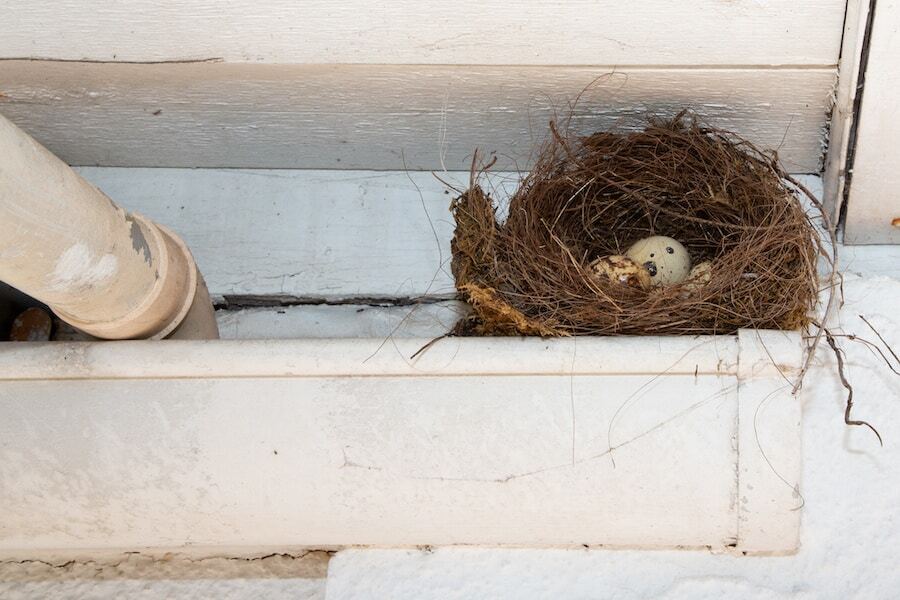
Birds often look for safe spots, especially during bad weather or nesting season. Your attic, vents, or even behind curtains can seem like a perfect hideout. If your home has gaps or openings, birds may see it as a cozy refuge. Are there areas in your home that stay quiet and undisturbed? Those might be the spots birds prefer.
Open Windows And Doors
Open entry points are the simplest way birds slip inside. A window left open without a screen or a door held ajar can become an easy passage. Even small gaps around doors or broken screens can invite curious birds indoors. Think about your daily routine—do you often leave windows or doors open during the day?
Credit: www.callnorthwest.com
Immediate Steps To Take
When a bird flies inside your home, act quickly to help it find its way out. Immediate steps can reduce stress for both you and the bird. These actions create a calm space and clear paths for the bird to exit safely.
Stay Calm And Avoid Sudden Movements
Birds are easily frightened by quick actions. Remain calm and move slowly to avoid scaring the bird. Sudden movements can cause the bird to fly erratically and hide. Speak softly or stay silent to keep the environment peaceful.
Open Exit Points
Open all doors and windows near the bird to create clear escape routes. Remove any screens if possible to give the bird an easy way out. Keep pets and people away from these openings to prevent blocking the bird’s path.
Turn Off Indoor Lights
Birds are attracted to bright lights inside the house. Switch off all indoor lights to make the outside natural light more visible. This encourages the bird to move toward the open windows or doors. Use natural light as a guide for the bird’s exit.
Safe Bird Removal Techniques
Removing birds from your house should be done with care and respect. Safe bird removal techniques help protect both you and the bird. These methods avoid injury and stress for the animal. They also prevent damage to your home. Using gentle and effective ways is key to a smooth removal process.
Using Gentle Guidance Tools
Soft tools can help guide birds without hurting them. Items like a broom or towel can gently steer birds toward an exit. Move slowly to avoid scaring the bird too much. Avoid sudden movements that may cause panic. A cardboard piece also works well to create a gentle barrier. These tools help direct birds safely.
Creating A Clear Path Outside
Open all doors and windows leading outside. Clear obstacles that might block the bird’s exit. Turn off indoor lights to make the outside brighter. Birds naturally move toward light and open spaces. This simple setup encourages birds to leave on their own. Make sure pets and people stay away during this process.
Avoiding Harmful Methods
Never use harmful chemicals or traps. These can injure birds or cause suffering. Avoid chasing birds aggressively around your home. Loud noises or sprays cause stress and confusion. Do not try to catch birds with your hands. This can hurt both you and the bird. Respectful, calm actions lead to better results.
Preventing Future Bird Intrusions
Preventing birds from entering your home again is key to avoiding the stress and mess they bring. Taking proactive steps ensures your living space stays bird-free and comfortable. Let’s look at some practical ways to keep these feathered visitors outside where they belong.
Installing Screens And Nets
Adding screens to windows and vents is a simple way to block birds from slipping inside. Use sturdy mesh with small holes to keep even small birds out without blocking airflow.
Nets can be stretched over open areas like patios or balconies where birds tend to perch. I once installed bird netting around my porch after repeated visits from sparrows, and it worked wonders to keep them away without harming them.
Make sure the screens and nets are securely fastened and checked regularly for tears or gaps. Would you want to leave even the tiniest opening for birds to sneak through?
Sealing Entry Points
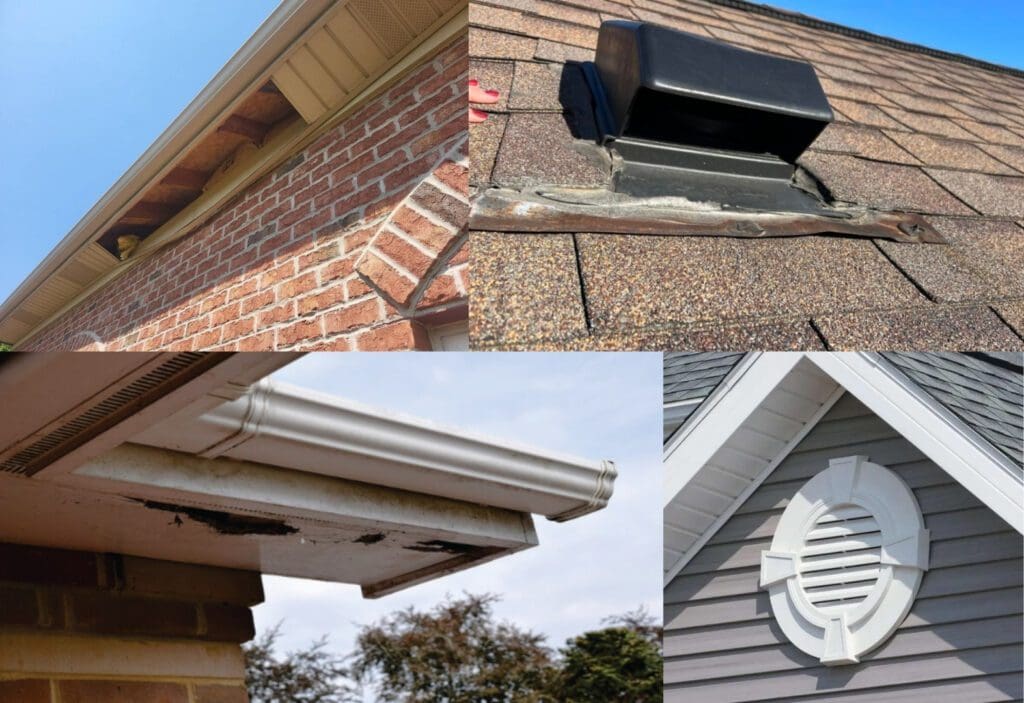
Birds can enter through gaps as small as a quarter-inch. Carefully inspect your home’s exterior for cracks, holes, or spaces around pipes and vents.
Use caulk, weatherstripping, or steel wool to seal these openings tightly. I found a small hole behind an old chimney flashing that was the culprit for my attic’s bird problem—once sealed, the visits stopped.
Don’t forget to check attic vents, soffits, and chimney caps. Are you sure your home doesn’t have hidden entrances inviting birds inside?
Managing Outdoor Attractants
Birds often come close to homes searching for food and shelter. Keep your yard tidy by removing bird feeders or relocating them away from your house if you want to discourage visits.
Clear away fallen fruit, open garbage bins, and standing water where birds might gather. I noticed a big drop in bird activity near my windows after trimming overgrown bushes and cleaning up food scraps.
Consider planting bird-repellent plants like marigolds or using reflective objects to deter them. Are you unintentionally making your outdoor space too inviting for birds?
When To Seek Professional Help
Knowing when to call in a professional can save you time, stress, and even damage to your home. Birds can be tricky guests—they may seem harmless at first, but persistent issues often require expert handling. Understanding the signs that indicate it’s time to seek help ensures you protect both your property and the birds themselves.
Persistent Bird Problems
If birds keep returning despite your efforts, it’s a clear sign that professional intervention is needed. Persistent bird problems can lead to structural damage, droppings buildup, and health risks from parasites.
Professionals have specialized tools and knowledge to identify entry points you might miss. They also use humane deterrents that are more effective long-term. Have you noticed birds nesting repeatedly in the same spot? That’s a red flag to get expert help.
Dealing With Nesting Birds
Birds nesting inside your home require careful handling to avoid legal issues and harm to the birds. Many species are protected by law, making it illegal to remove nests without proper permits.
Professionals understand these regulations and can safely relocate nests. They also know the best times to intervene without disturbing baby birds. If you find a nest, ask yourself if you’re equipped to handle this responsibly—or if it’s better left to experts.
Handling Injured Birds
When a bird inside your home is injured, quick and gentle care is crucial. Attempting to capture or treat an injured bird without experience can cause more harm.
Wildlife rehabilitators and pest control professionals can provide immediate aid or transfer the bird to a suitable facility. If you’re unsure about the bird’s condition, contacting a professional is the safest choice for you and the animal.
Credit: www.modernexteriorroofing.com
Frequently Asked Questions
How Can I Safely Remove Birds From My House?
To safely remove birds, open windows and doors to create an exit path. Avoid chasing or harming them. Use gentle guidance tools like brooms or towels if needed. Always prioritize the bird’s safety and avoid panic to ensure a smooth removal process.
What Household Items Help Get Birds Out Quickly?
Household fans, bright lights, and gentle noise can encourage birds to leave. Placing bird netting or tape near entry points can prevent re-entry. Avoid harmful chemicals; use safe, natural deterrents to ensure the birds’ well-being while guiding them outside.
Why Do Birds Enter Houses Unexpectedly?
Birds enter houses seeking shelter, food, or by accident. Open doors, windows, or chimneys often invite them in. Understanding this helps in preventing future incidents by securing entry points and removing attractants like food or nesting materials indoors.
When Should I Call A Professional For Bird Removal?
Call a professional if birds are trapped, injured, or aggressive. Also seek help if nests contain eggs or young birds. Experts ensure safe removal and comply with wildlife protection laws. DIY attempts might harm birds or cause damage without proper knowledge.
Conclusion
Getting birds out of your house takes patience and care. Start by staying calm and opening windows to guide them outside. Avoid chasing birds, as this can scare them more. Use gentle methods like creating a clear path for them to leave.
Keep your home bird-proof to stop future visits. Small steps make a big difference. With time, your home will be bird-free again. Stay patient and safe throughout the process.




